Coal has shaped landscapes, economies, and communities around the world for centuries. From the earliest steam engines to modern power plants, this once-dominant fossil fuel continues to influence global markets and local identities. Exploring its historical roots, financial implications, and transformation into a driver of industrial tourism reveals how former coal regions can reinvent themselves and secure sustainable futures.
History and Significance of Coal
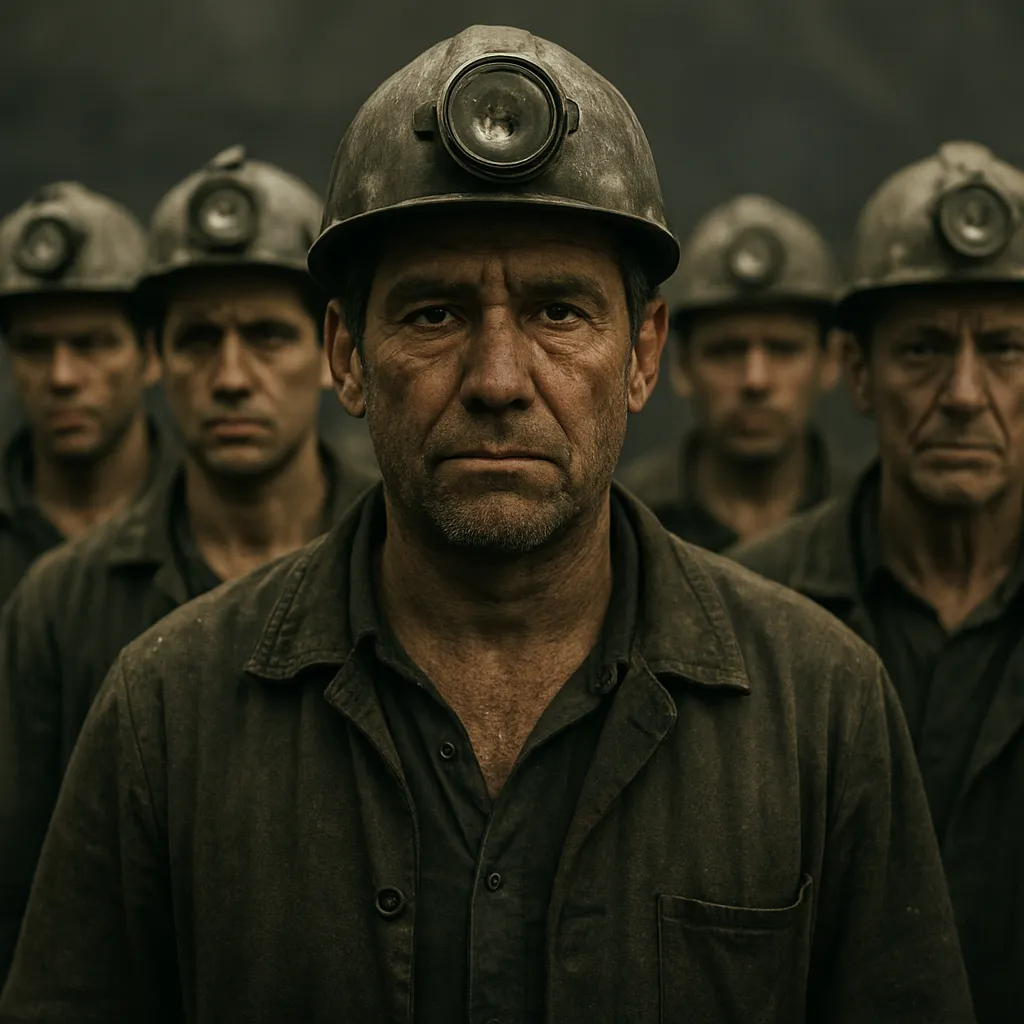
The journey of coal extraction began in earnest during the Industrial Revolution, when the discovery of vast subterranean seams provided unprecedented levels of energy to factories and homes. Over time, coal mining towns sprouted near deposits, with generations of families forging their livelihoods underground. The social fabric of these communities was knitted around shared hardships and camaraderie, fueled by the constant rumble of conveyors and the glow of carbide lamps.
Early techniques relied on picks, shovels, and horse-drawn carts, but innovation quickly introduced mechanized cutting, conveyor belts, and steam-powered engines. These advancements boosted output yet also intensified environmental and safety challenges. Mine shafts collapsed, toxic gases built up, and entire mountainsides were reshaped. In many regions, miners fought for rights, forming powerful unions that championed regulations on wages, working hours, and accident compensation.
The cultural heritage of coal mining extends beyond the pithead. Folk songs, local dialects, and annual festivals celebrated perseverance and unity. Architectural remnants—workers’ cottages, lamphouses, and slag heaps—stand as testaments to a bygone era. Today, scholars and preservationists study these vestiges to better understand how industry and community coexisted in sometimes uneasy balance.
Coal Stock Market Dynamics
Commodity Pricing and Trends
The price of coal on global exchanges fluctuates in response to supply disruptions, regulatory shifts, and alternative energy sources. Emerging economies in Asia often drive demand surges, while climate policies and renewable alternatives place downward pressure on fossil fuels. Traders monitor indicators such as inventory levels, weather patterns, and shipping rates to anticipate price swings.
Spot markets provide real-time pricing, while futures contracts enable producers and consumers to hedge against volatility. Key benchmarks like the API2 index in Europe and the Newcastle Coal Futures in Australia guide international transactions. As nations pledge to reduce carbon footprints, some analysts forecast a gradual decline in coal demand, yet transitional economies may still rely on established mining infrastructure for decades.
Investment Strategies and Risks
Investors eyeing coal equities or exchange-traded funds must balance potential returns against regulatory scrutiny and long-term sustainability concerns. Strategies often include:
- Diversified portfolios that mix fossil fuel stocks with renewable energy assets.
- Short-term trading around earnings reports and geopolitical events.
- Green bonds and impact investing aimed at financing clean coal technologies.
However, these approaches carry inherent risks. Stricter emissions regulations can erode profit margins, while technological breakthroughs in solar, wind, and battery storage may accelerate the decline of coal-fired power. Financial professionals recommend rigorous due diligence, stress-testing portfolios against various climate scenarios, and staying abreast of shifting regulations.
Industrial Tourism and Regional Regeneration
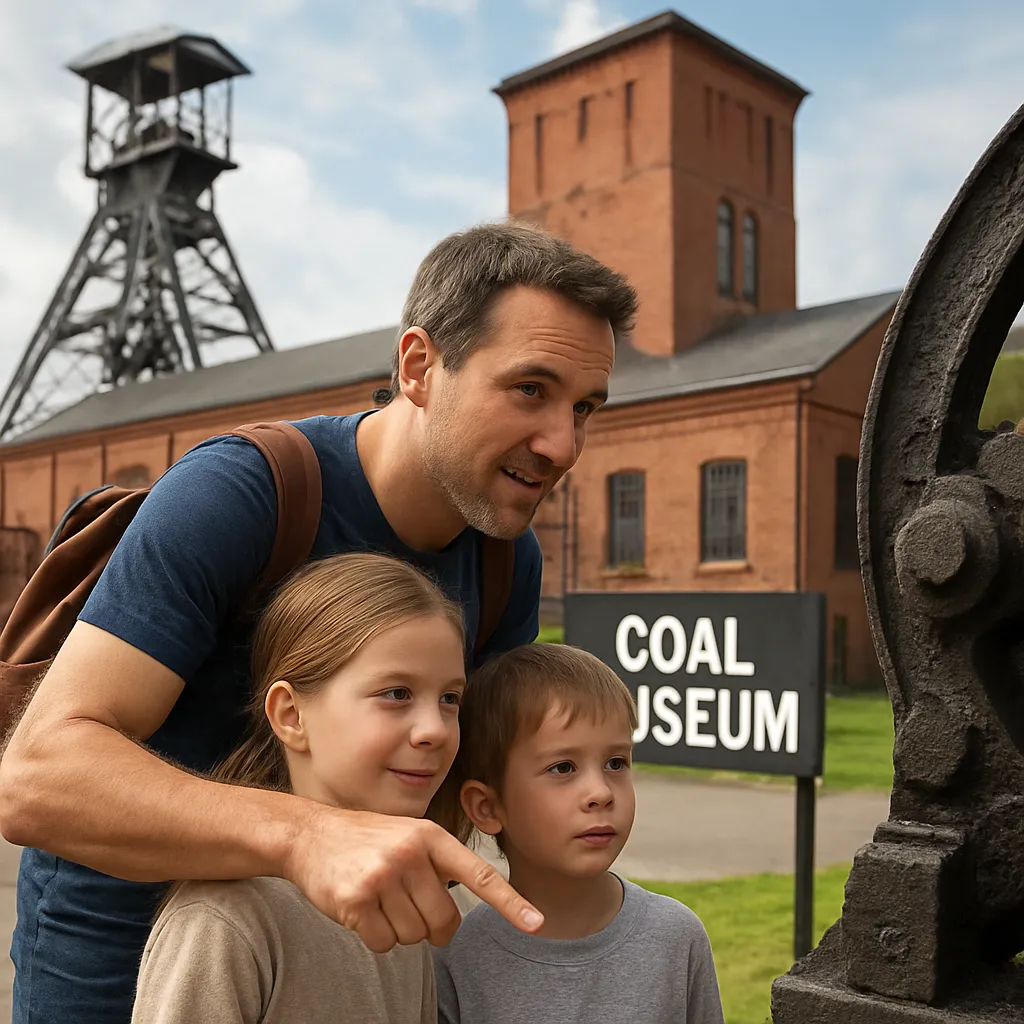
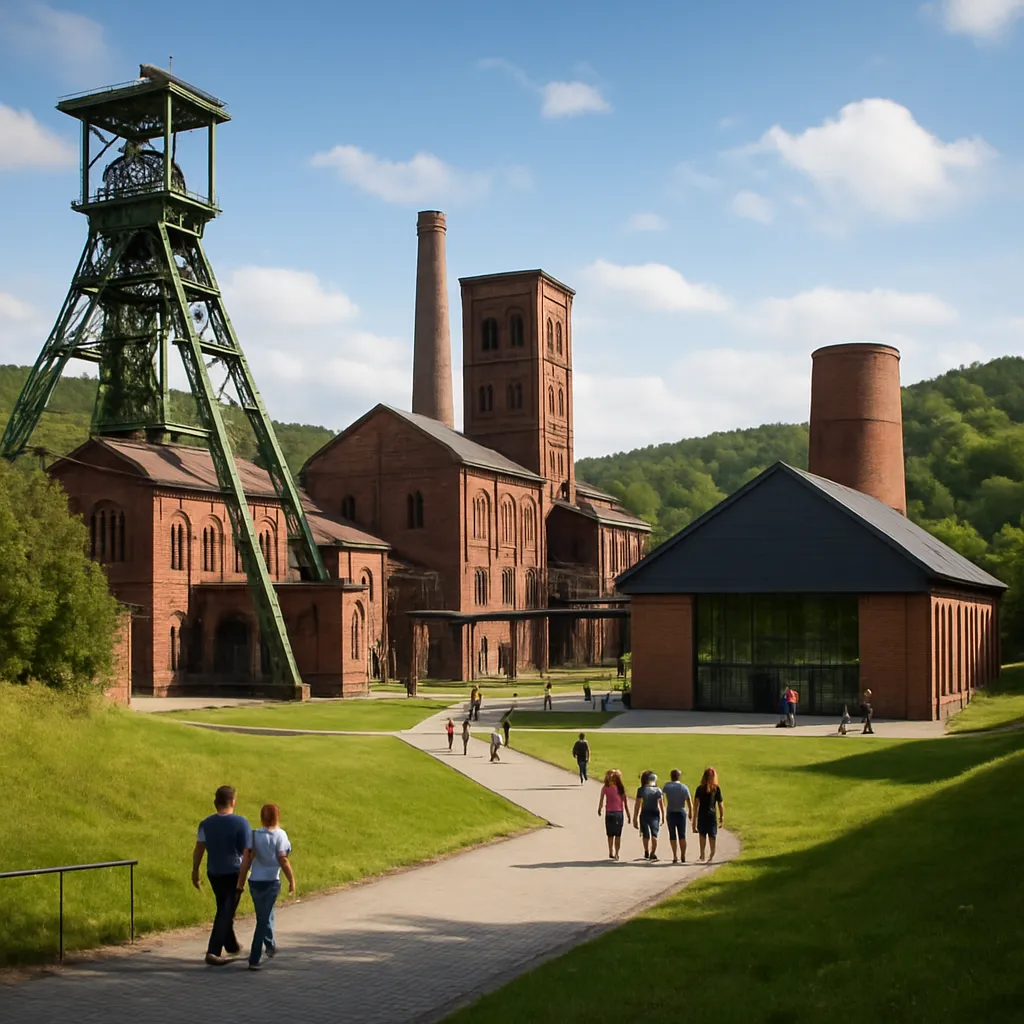
As active coal operations wane, many regions confront economic downturns and population loss. Industrial tourism emerges as a beacon of hope, transforming former pit sites into attractions that celebrate industrial heritage while generating new revenue streams.
Key Attractions and Experiences
- Museums housed in former admin buildings, displaying mining artifacts and oral histories.
- Guided tours of restored mine shafts, complete with interactive exhibits on safety and geology.
- Adventure parks offering underground zip lines, rappelling walls, and fossil hunts in spoiled tips.
- Cultural festivals reviving miners’ songs, dance traditions, and coal-themed art installations.
- Demonstrations of vintage machinery, steam engines, and hand-hewn tools.
These offerings appeal to history buffs, families, and corporate groups alike, encouraging longer stays and repeat visits. Local entrepreneurs open cafés, bed-and-breakfasts, and artisanal shops that blend mining motifs with modern design, creating a unique ambiance that honors the past while embracing the present.
Community Empowerment and Skills Development
Redeveloping coal sites into tourist hubs demands a diverse skill set. Former miners train as guides, safety officers, or maintenance technicians, applying their intimate knowledge of the underground environment to ensure authentic and safe visitor experiences. Simultaneously, partnerships with universities and vocational schools foster programs in heritage conservation, hospitality management, and environmental restoration.
Non-profit organizations often facilitate community workshops, where residents learn grant writing, event planning, and small business management. These capacity-building efforts instill confidence and catalyze grassroots initiatives, from local history publications to guided nature walks through reforested spoil heaps. As a result, communities reconnect with their identity and derive pride from sharing a storied legacy.
Future Outlook for Coal Regions
Looking ahead, the future of former coal regions depends on a balanced approach that values both progress and preservation. Key considerations include:
- Integrating renewable energy projects—such as solar farms or wind turbines—on reclaimed mining land.
- Securing funding for ongoing maintenance of heritage sites to prevent structural decay and safety hazards.
- Promoting research into carbon capture and sequestration technologies that could repurpose old mine shafts.
- Encouraging circular economy principles: recycling mining waste into construction materials or specialized aggregates.
- Fostering international collaboration among former coal regions to share best practices and co-market tourism itineraries.
By embracing innovation and community-led stewardship, these areas can evolve beyond reliance on extraction. The synergy between tourism, environmental restoration, and diversified investment offers a resilient framework for economic health. As visitors traverse illuminated tunnels and engage with multimedia displays, they gain insight into humanity’s complex relationship with resources and witness firsthand the power of thoughtful regeneration.
Ultimately, the narrative of coal is not solely one of depletion and decline but also of adaptation and renewal. Through strategic planning and creative reuse, former coal regions can secure vibrant, sustainable futures while preserving the rich tapestry of industrial heritage that defines their identity.