The following exploration delves into the multifaceted world of coal, its stock market dynamics, and the intertwined environmental and social narratives. This analysis unveils how a single fossil fuel shaped economies, powered industries, and continues to influence global debates on energy and climate.
Historical Impact of Coal
The discovery and utilization of coal marked a turning point in human history. Long predating modern machinery, coal’s adoption during the industrial revolution catalyzed a wave of unprecedented change. Mines sprang up across Europe and North America, drawing laborers into subterranean networks and fueling factories, railways, and steamships.
Origins and Early Usage
- China and Britain: Early records show coal was burned for heating and metalworking as far back as 4000 BCE in China.
- Medieval Europe: By the 13th century, surface coal seams near towns offered a cheaper alternative to wood.
- 18th-Century Innovation: New techniques in mining and ventilation reduced hazards and increased output dramatically.
The reliance on coal’s energy density reshaped urban centers. Cities like Manchester and Pittsburgh grew into industrial behemoths. At the same time, the rise of coal-fired power plants delivered electricity to millions, laying the groundwork for modern infrastructure.
Environmental Challenges and Health Consequences
Despite its historic role as a growth engine, coal’s legacy is tarnished by its emissions and toxic byproducts. Sulfur dioxide, nitrogen oxides, and particulate matter from coal combustion have led to smog events, acid rain, and chronic health epidemics.
Air and Water Pollution
- Acid Rain: Sulfurous compounds in flue gas react with atmospheric moisture, damaging forests and aquatic ecosystems.
- Coal Ash: Disposal ponds can leach heavy metals such as arsenic and mercury into groundwater.
- Particulate Matter: Fine particles (<2.5 microns) penetrate deep into lungs, aggravating asthma and cardiovascular disease.
Efforts to enforce stricter regulation have improved air quality in many developed regions, but legacy pollution persists. Cleanup costs and remediation projects often strain municipal budgets, highlighting the complex interplay between economic benefits and environmental burdens.
Climate Change Implications
Coal remains the single largest anthropogenic source of carbon dioxide. Curbing its use is a central pillar of any serious plan to meet global warming targets. Transitioning away from coal-fired power requires both policy incentives and technological breakthroughs.
Economic Dynamics and Coal Stock Markets
The valuation of coal companies on global exchanges reflects fluctuating demand, regulatory shifts, and investor sentiment. Coal equities can exhibit significant volatility, especially when geopolitical events or environmental policies are announced.
Key Market Drivers
- Energy Demand: Economic expansion in emerging markets drives consumption, particularly in Asia.
- Policy Shifts: Carbon pricing, emission caps, and renewable energy targets can depress coal stock valuations.
- Technological Innovation: Breakthroughs in carbon capture & storage (CCS) may offer new valuations for legacy assets.
Investors often weigh short-term gains against long-term risks. While high dividends attract income-focused portfolios, the looming transition to renewable energy creates uncertainty. Analysts debate whether coal stocks represent value traps or opportunistic turnaround plays.
Strategies for Engagement
- Long-Term Investors: Seek undervalued coal firms exploring diversification into green hydrogen or CCS.
- Short Sellers: Capitalize on policy announcements that threaten coal demand, anticipating stock declines.
- Dividend Hunters: Focus on top-paying coal equities, mindful of potential payout cuts as profits wane.
Social and Cultural Dimensions
The story of coal extends beyond economics and environment; it permeates art, literature, and community identity. Coal mining towns developed tight-knit cultures around the mine shaft, producing unique traditions, dialects, and folklore.
Literary Reflections
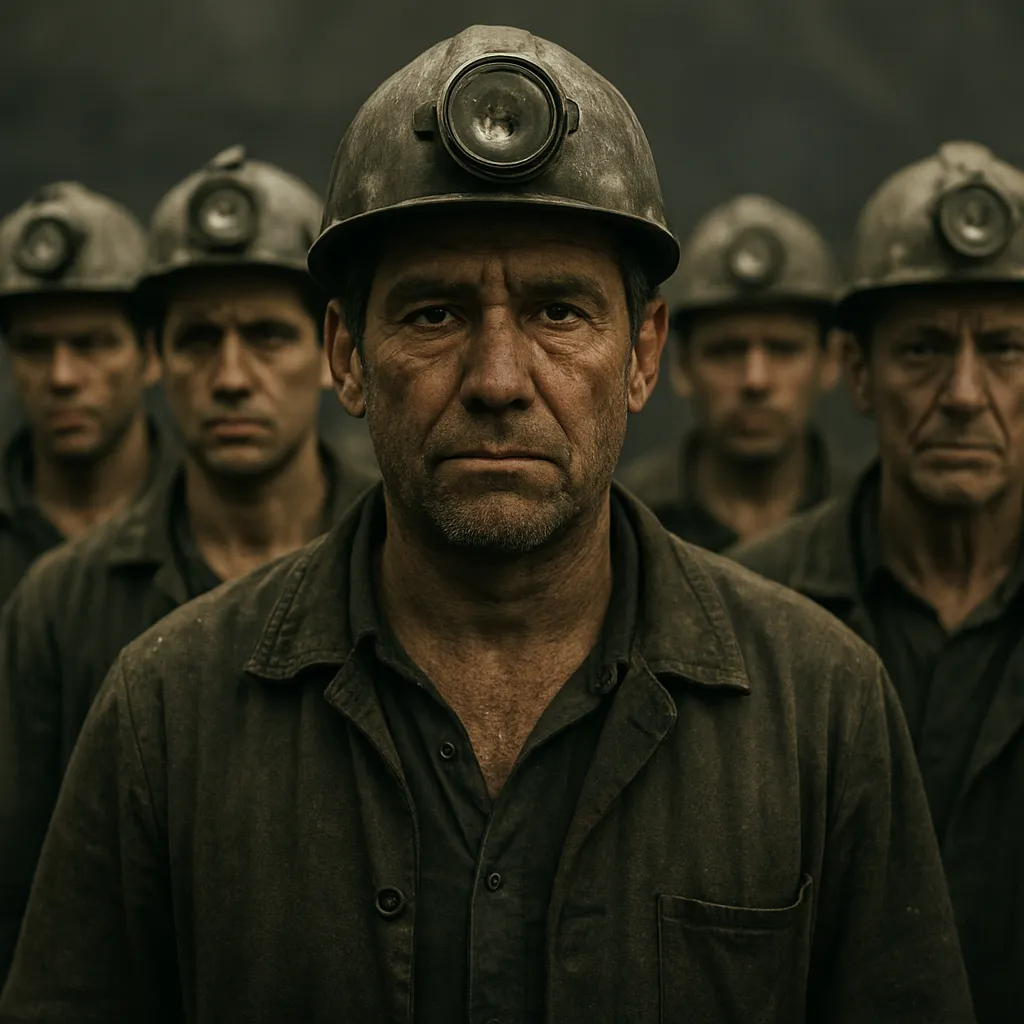
Writers from Charles Dickens to local coalfield poets lamented the harsh realities of mine life. Novels and poems often depict miners’ resilience in the face of poverty, cave-ins, and dusty atmospheres. Contemporary authors continue this tradition, framing coal as both sustainer and oppressor.
Artistic Interpretations
- Photography: Black-and-white imagery captures the stark contrasts of coal bunkers and industrial landscapes.
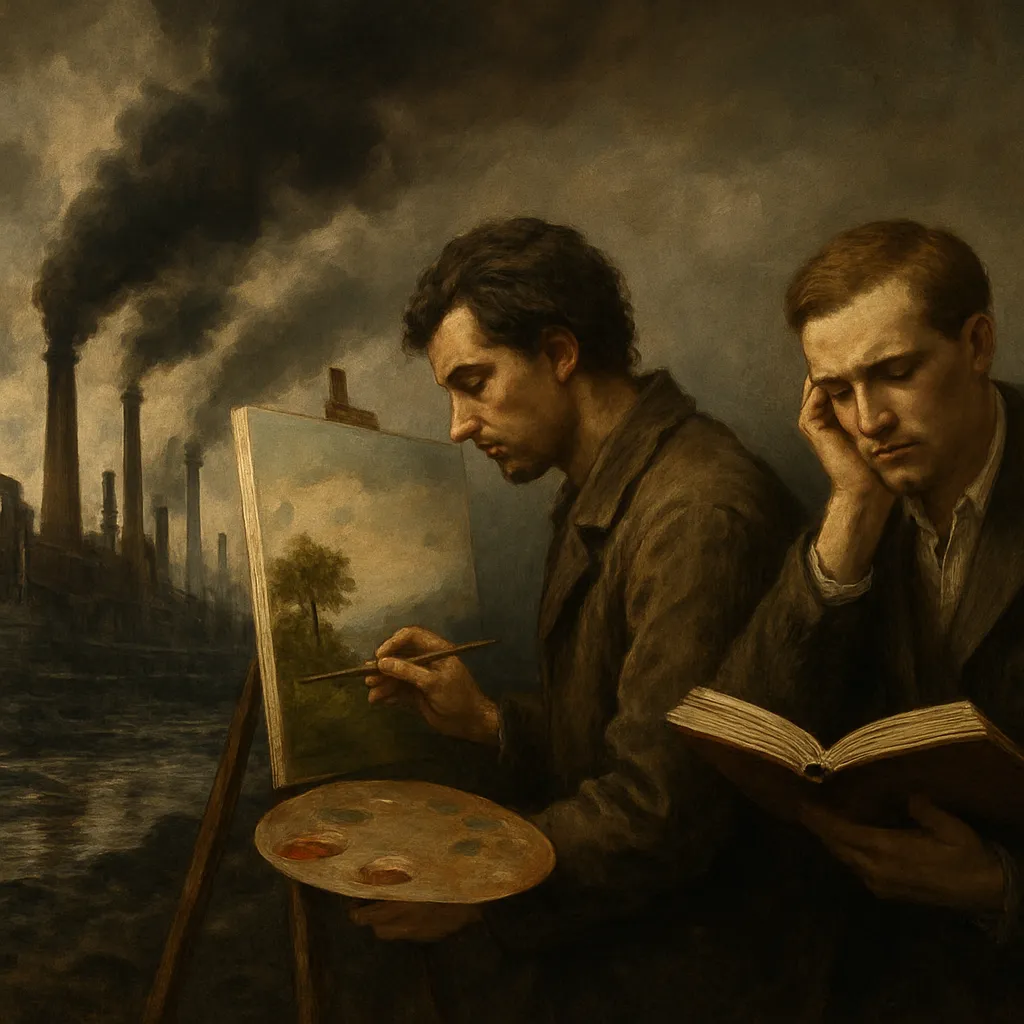
- Painting: Expressionist works convey the claustrophobic tunnels and glow of molten furnaces.
- Public Murals: Communities commemorate mining heritage through large-scale murals depicting historic scenes.
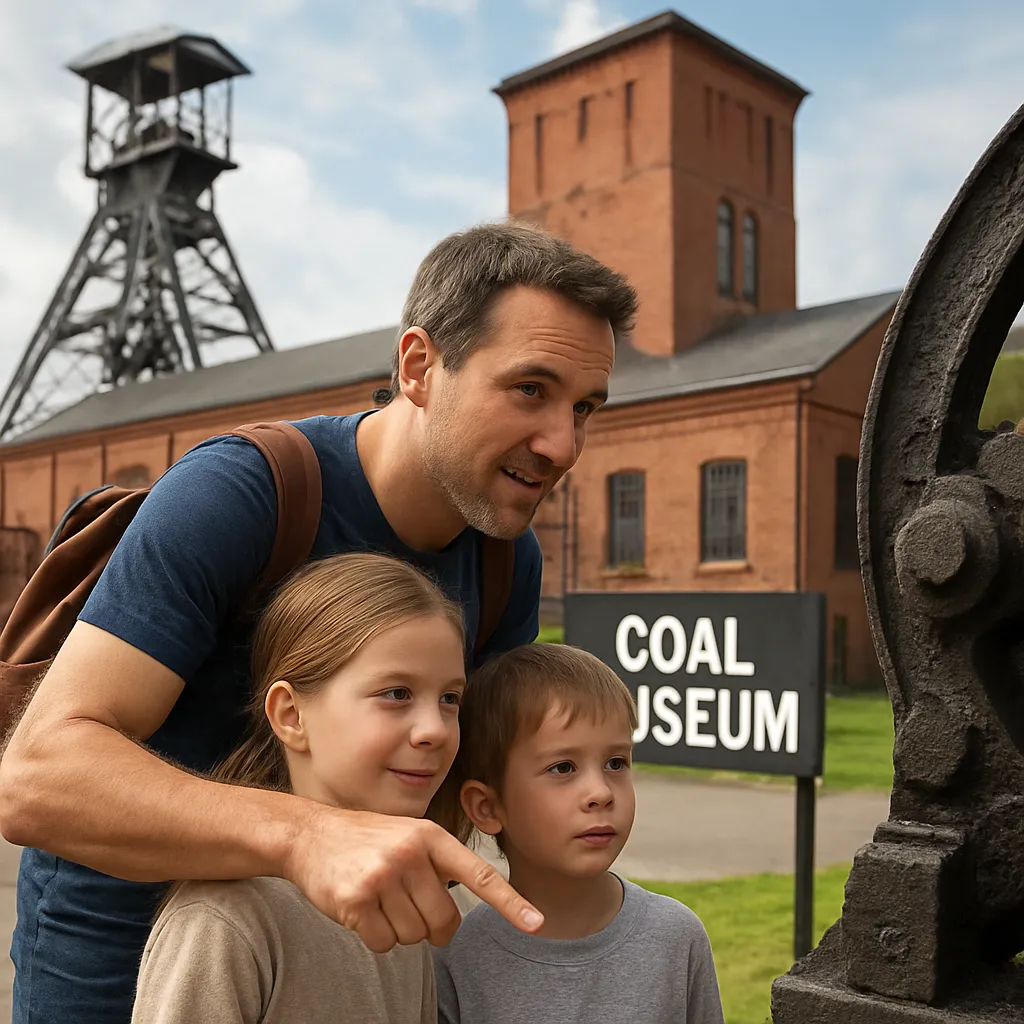
Festivals and museums dedicated to coal mining serve as living archives. They preserve miners’ tools, oral histories, and songs—remnants of a once-dominant labor force. These cultural artifacts remind us that energy production is not just a technical endeavor but a human saga.
Pathways Toward a Sustainable Future
As the global energy map shifts, coal’s prominence wanes but does not disappear overnight. Strategies to manage decline responsibly include mine reclamation, worker retraining, and investment in alternative industries.
Reclamation and Redevelopment
- Land Restoration: Filling open pits, replanting flora, and preventing soil erosion.
- Water Treatment: Neutralizing acidic runoff and restoring aquatic habitats.
- Economic Revitalization: Transforming former mining sites into parks, data centers, or solar farms.
Community Transition Programs
Governments and NGOs collaborate to provide grants, skill-building workshops, and entrepreneurship loans to affected populations. Successful initiatives often pivot communities toward tourism, agroforestry, or advanced manufacturing, ensuring the workforce remains employable in a low-carbon economy.
Conclusion
The era of infrastructure built on coal has gifted modern civilization with unparalleled advances. Yet the environmental and social costs demand careful management. Whether through innovative investment strategies in coal equities, technological breakthroughs in emissions reduction, or community-led transitions to greener industries, the legacy of coal will continue to shape our world—forcing a reckoning between past dependencies and future aspirations.