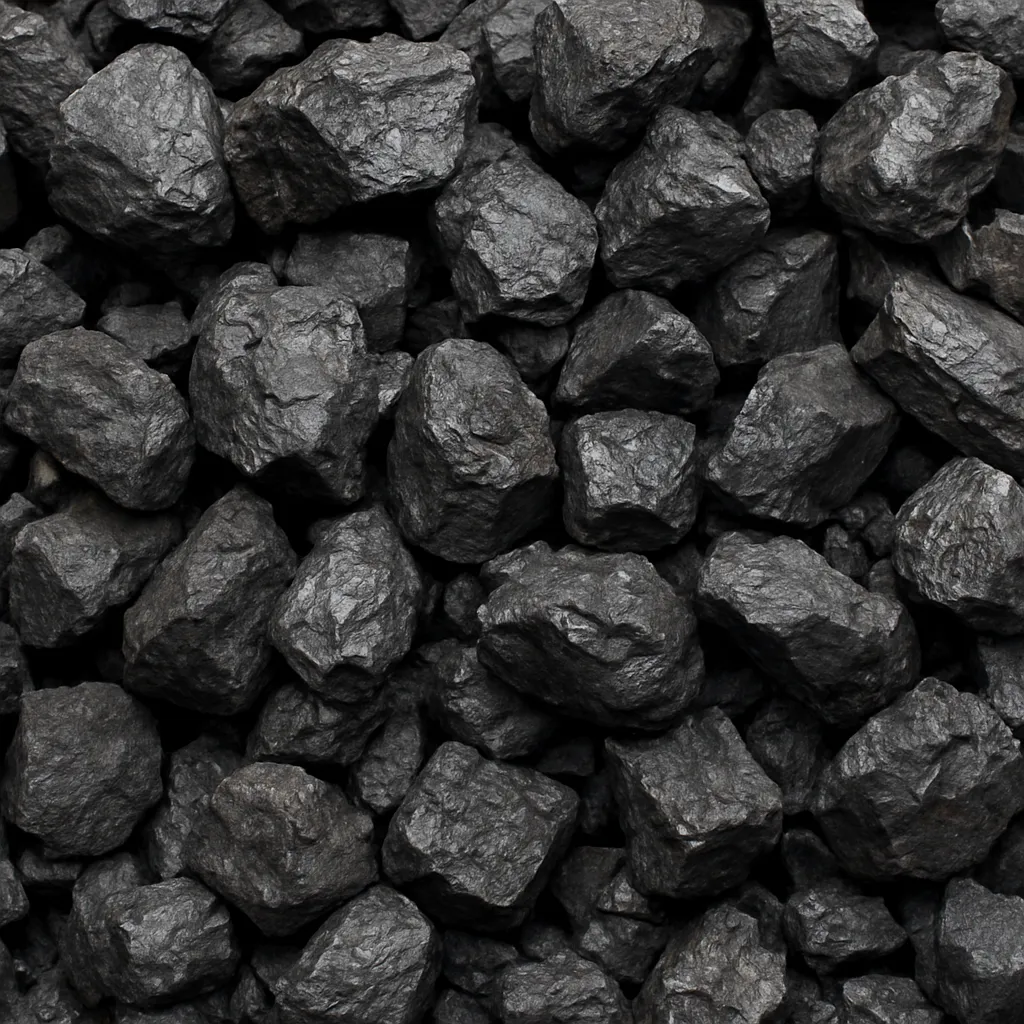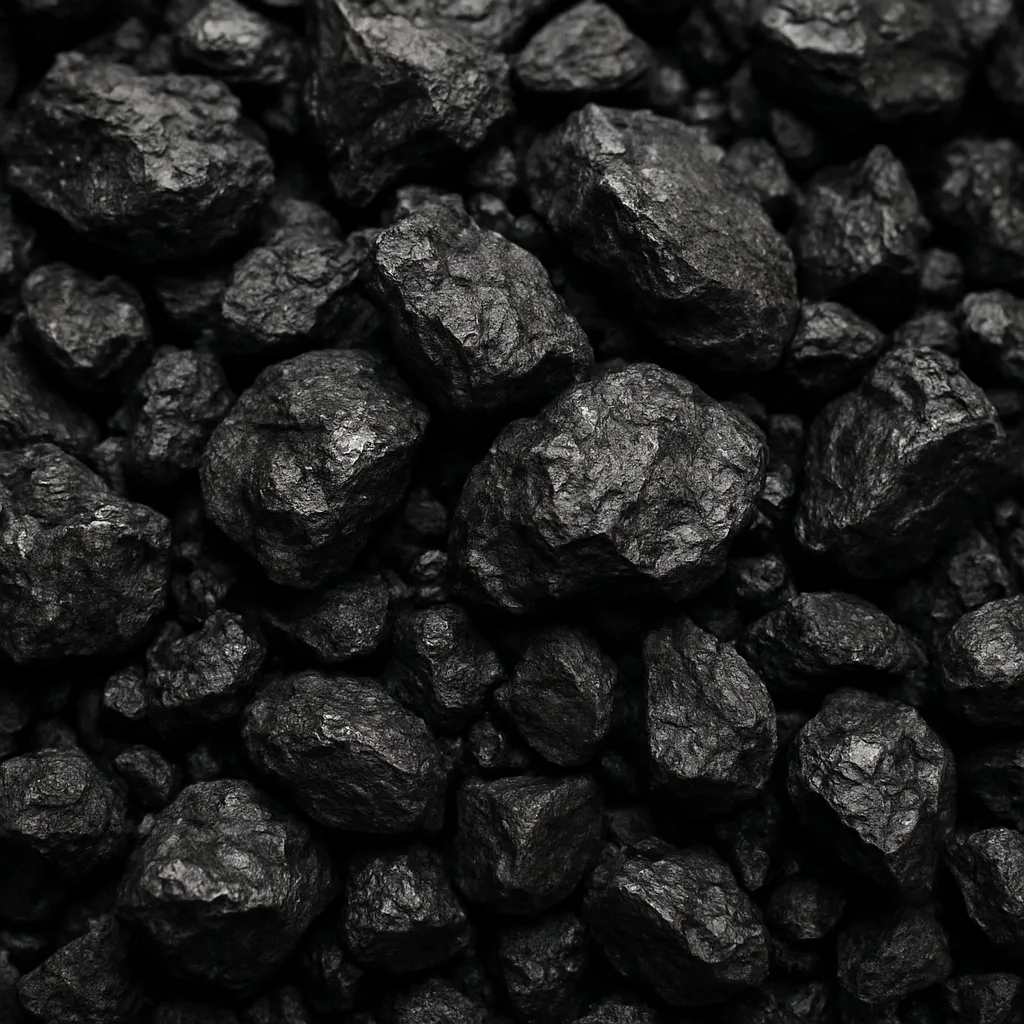
This article examines medium-fluidity coking coal: its defining characteristics, geological occurrence, major producing regions, processing and quality parameters, economic role, industrial importance—especially in steelmaking—and contemporary trends affecting its market and environmental footprint. The aim is to provide a comprehensive, technically grounded and practically useful overview for engineers, commodity analysts, policy makers and students of the minerals and metals sectors.
Geology and defining properties of medium-fluidity coking coal
Coking coals are a subset of bituminous coals that, when heated in the absence of air, undergo thermal softening, plasticity and resolidification to form a porous, coherent product known as coke. Coke is an essential reductant and structural material in traditional blast furnace ironmaking. Within the coking coal family, coals are frequently classified by their plasticity or fluidity, as measured by laboratory methods such as the Gieseler plastometer and by indices like the Free Swelling Index (FSI).
The term medium-fluidity coking coal generally refers to coals that exhibit moderate maximum fluidity in the plastometer test and an intermediate swelling response. These coals are neither extremely plastic (high-fluidity) nor poorly plastic (low-fluidity or non-caking). Because of that intermediate behavior, medium-fluidity coals are prized for blending: they provide a balance between plasticity and mechanical strength in the resulting coke.
Technical parameters and typical ranges
- Plasticity and fluidity: measured by the Gieseler plastometer (maximum fluidity) and by softening–resolidification ranges — medium-fluidity coals show moderate maxima and respectable plastic ranges.
- Free Swelling Index (FSI): medium values (typically between very low and very high categories), useful as a quick practical index of caking behavior.
- Vitrinite reflectance (Ro): usually within the typical metallurgical coal window (e.g., 0.8–1.3% Ro) but variable with rank and basin.
- Volatile matter, fixed carbon, ash and moisture: medium-fluidity coals often feature moderate volatile matter and sufficient fixed carbon to produce coherent coke after carbonization. Low ash and low sulfur contents are commercially favorable.
- Impurities: low sulfur and low phosphorus are important for high-grade metallurgical applications; these vary widely among deposits.
A key practical consideration is that laboratory fluidity values are sensitive to sample preparation, testing method and oxidation state; therefore blending practice and oven operating conditions determine the final coke quality more than any single raw-coal number.
Where medium-fluidity coking coals occur and where they are mined
Medium-fluidity coking coals are not confined to a single geological province; they are found in multiple internationally significant coal basins. The coal rank, depositional environment and tectonic history of each basin control whether a seam will display medium fluidity. Below are major producing regions and representative basins known to contain metallurgical coals of medium to mixed fluidity characteristics.
Major basins and producing countries
- Australia: the Bowen Basin, Hunter Valley and other Queensland/New South Wales basins produce a wide range of coking coals. Australia is a leading exporter of seaborne metallurgical coal and supplies many grades used in blending schemes worldwide.
- Canada: the Elk Valley (British Columbia) is a major source of high-quality coking coals; within the Canadian output there are coals suitable for medium-fluidity blends.
- Russia: large resources in the Kuznetsk Basin (Kuzbass) and other Siberian basins produce diverse metallurgical coals, including medium-fluidity types for domestic steel mills and export.
- United States: Appalachian and Illinois Basin coals include coking-quality seams; U.S. mines produce coals with a range of plasticity from high to medium, used domestically and exported.
- China: Shanxi, Shaanxi and other northern provinces supply much of China’s domestic coking coal demand; quality varies but numerous medium-fluidity coals are exploited for local coke-making.
- Colombia: export-oriented coking coal production (e.g., Cesar basin) includes several medium-volatile, medium-fluidity coals important to global markets.
- Poland and other Central/Eastern European basins: historical metallurgical coal production (Upper Silesia) contains coals for both coke and thermal uses—some medium-fluidity varieties are present.
- South Africa: while predominantly known for thermal and some metallurgical coals, zones with coking potential exist and are economically significant for regional steelmaking.
Within each country the seam-level variation is high: medium-fluidity behavior may occur in particular seams or benches and often coexists with high- and low-fluidity seams in the same basin. Consequently, mine-level and company-level blending strategies are an operational reality.
Mining, preparation and quality control
Extraction of medium-fluidity coking coal follows the same mining methods used for other metallurgical coals: underground longwall or bord-and-pillar operations and open-pit (surface) mining where seams are accessible. After extraction, coal must be processed to meet metallurgical specifications.
Key processing steps
- Crushing and sizing: to remove oversize and prepare feed sizes for cokemaking or further handling.
- Washing and dense-medium separation: reduction of ash and mineral matter improves heating value and metallurgical performance; washed product often commands a price premium.
- Drying and storage: control of moisture is essential for accurate quality metrics; oxidation during storage can degrade plasticity/fluidity.
- Blending: different seam products are blended to achieve target fluidity, volatile matter and impurity levels for specific coke oven or furnace requirements.
- Quality control testing: routine measurement of parameters such as fixed carbon, volatile matter, ash, sulfur, FSI and Gieseler fluidity ensures consistent coking behavior.
Blending is a technical art. Medium-fluidity coals are often blended with higher-fluidity coals to increase plastic range or with lower-fluidity coals to increase coke strength and reduce excessive swelling. The optimal blend depends on the coking oven design, by-product recovery configuration and final coke usage (blast furnace vs. foundry).
Economic and market aspects
Although metallurgical coal tonnages are materially smaller than those of thermal coal used for power generation, metallurgical coals—including medium-fluidity grades—represent a disproportionately high value share of the global coal trade. Their prices are more volatile and tightly coupled to the steel cycle, freight rates and geopolitical developments affecting supply routes.
Demand drivers
- Steel production: the principal demand driver. Traditional blast furnace-basic oxygen furnace (BF-BOF) steelmaking consumes coke and coking coal as the main reductant and as a solid structural material in the furnace burden.
- Coke oven capacities: countries with large integrated steel sectors require stable metallurgical coal supplies; any shift in regional steelmaking capacity affects import/export flows.
- Substitution technologies: pulverized coal injection (PCI) and alternative reductants (e.g., hydrogen, biomass-derived carbon) can reduce coke demand, but they have technical and economic limits that maintain coking coal demand in the near to medium term.
Supply-side structure
Global supply of coking coal is concentrated in a handful of producers and export hubs. Australia has been the dominant seaborne exporter for years, while Colombia, Russia, the United States and Canada are also major suppliers. China is simultaneously the largest producer and consumer, and its import behavior influences seaborne markets strongly.
Price dynamics and market volatility
Prices for metallurgical coal (and specific grades such as medium-fluidity coals) experienced notable volatility during recent commodity cycles. Factors include:
- Surges in steel demand as infrastructure and construction accelerate.
- Supply disruptions from mine accidents, weather events, logistics bottlenecks and policy shifts.
- Trade restrictions, tariffs and sanctions that redirect trade flows.
- Freight and shipping cost volatility—seaborne trade is sensitive to charter rates and port capacities.
Because medium-fluidity coals are often blended into final metallurgical coal products, their price and availability influence blending economics and thereby coke-making costs.
Industrial importance and applications
The dominant industrial use of medium-fluidity coking coal is as feedstock for coke production, which in turn underpins blast furnace ironmaking. Coke provides:
- A carbon source for the chemical reduction of iron oxides.
- Mechanical support and permeability in the furnace burden to allow gas flow and heat transfer.
Different coke applications:
- Blast furnace coke for integrated steel plants (largest volume demand).
- Foundry coke and metallurgical coke for specialty metallurgical uses where mechanical properties and low impurities are critical.
- By-product coke ovens produce coal chemicals and town gas historically; modern by-product recovery remains part of the metallurgical coke value chain in some regions.
Why medium-fluidity coals matter operationally
Medium-fluidity coals are prized because:
- They facilitate controllable plasticity during carbonization—avoiding excessive swelling that can cause oven damage yet providing sufficient inter-particle welding for coke strength.
- They are flexible blending components, enabling producers to meet varying coke specifications without relying solely on scarce high-fluidity or premium coals.
- They often combine acceptable ash and sulfur profiles with cost advantages relative to premium coals.
Statistical perspective and market scale (estimates and observations)
Exact, grade-specific global statistics for medium-fluidity coking coal are not routinely published in a disaggregated way; most publicly available datasets report aggregated metallurgical coal tonnages and seaborne trade. Nonetheless, several general observations can be offered:
- Seaborne trade in metallurgical coal commonly ranges on the order of a few hundred million tonnes per year; specific years vary with demand cycles and supply shocks.
- Australia has historically supplied a majority share of the seaborne metallurgical coal market (a figure frequently cited in the neighborhood of half to two-thirds of seaborne exports depending on the year and product definitions).
- Metallurgical coal typically accounts for a small percentage of total global coal tonnage but a significantly larger share of coal export revenue because of higher prices per tonne versus thermal coal.
Within domestic markets, the proportion of coking coal used versus other coal types mirrors the structure of a country’s steel industry. Countries with an integrated BF-BOF steel sector consume more metallurgical coal per tonne of steel produced than those relying mainly on electric arc furnaces (EAFs) using scrap steel.
Environmental issues and the future outlook
Medium-fluidity coking coal sits at the intersection of industrial utility and environmental challenge. Steelmaking is responsible for a significant share of industrial CO2 emissions, and metallurgical coal—a fossil carbon source—contributes to this footprint. As policy, markets and technology evolve, several trends are relevant:
Decarbonization pressures
- National and corporate commitments to decarbonize steel production push research and investment into low-carbon technologies such as hydrogen direct reduction, electrolysis-based steelmaking, and carbon capture and storage (CCS).
- These technologies, if scaled, could reduce long-run demand for coking coal. However, deployment timelines are uncertain, and many integrated steel plants will continue to rely on coke for years to decades.
Efficiency and substitution
- PCI reduces coke consumption per tonne of hot metal by injecting pulverized coal directly into the blast furnace. PCI systems can often accept non-coking or lower-grade coals, reducing dependence on prime coking coals but not eliminating the need for coke.
- Blending and advanced oven control improve coke yields and quality, making better use of medium-fluidity coals.
Environmental regulation and local impacts
- Mining and coking operations face local environmental constraints: air emissions, water use and contamination, handling of tailings, and community impacts. Regulatory environments can affect supply by constraining or delaying mine development.
- Emission controls in coke ovens (e.g., capture of volatile compounds) and wastewater treatment are increasingly standard in modern coking plants, improving environmental performance but adding capital and operating costs.
Operational examples and practical considerations
Several practical points illustrate why medium-fluidity coals remain operationally important:
- Blending practice: a steelworks’ coking recipe will typically specify target metrics (FSI, fluidity range, sulfur limit). Medium-fluidity coals often serve as the backbone of such blends because they provide predictable plastic ranges without excessive swelling.
- Logistics and port constraints: medium-fluidity coals sourced from inland basins may be more sensitive to rail bottlenecks; seaborne supplies require port capacity and ship availability, which influences delivered cost.
- Quality degradation: exposure to air and moisture, or improper stockyard management, can oxidize coal and reduce fluidity. Mines and plant operators invest in covered storage, inerting and inventory turnover to maintain quality.
Interesting facts and lesser-known aspects
- Historical evolution: the ability of certain coals to form coke was a discovery of the industrial revolution; characterization of plasticity and fluidity evolved considerably through 20th-century metallurgical research.
- Specialized lab testing: beyond Gieseler and FSI, petrographic analysis (maceral composition, vitrinite content) gives deeper insight into coking behavior and helps predict blend performance.
- Value in niche markets: medium-fluidity coals with low sulfur and low phosphorus can command premiums for specialty foundry applications despite being intermediate in plasticity.
- Geostrategic sensitivity: because coking coal is essential to steel, access to reliable medium- and high-quality coking coal supply can be a geopolitical consideration in countries seeking industrial resilience.
Conclusions and practical outlook
Medium-fluidity coking coal is a technically versatile and economically important class of metallurgical coal. It balances plasticity and structural performance during cokemaking, making it a vital component of blends used across integrated steel plants worldwide. While long-term decarbonization efforts and substitution technologies may reduce metallurgical coal demand over decades, medium-fluidity coals will remain central to today’s global steel production system. Producers, consumers and policymakers must therefore manage quality, supply chains and environmental impacts carefully to navigate price volatility and transition risks.
Key concepts emphasized in this article: coking coal, coke, metallurgical, fluidity, Gieseler, steel, blast furnace, Australia, blend, PCI.