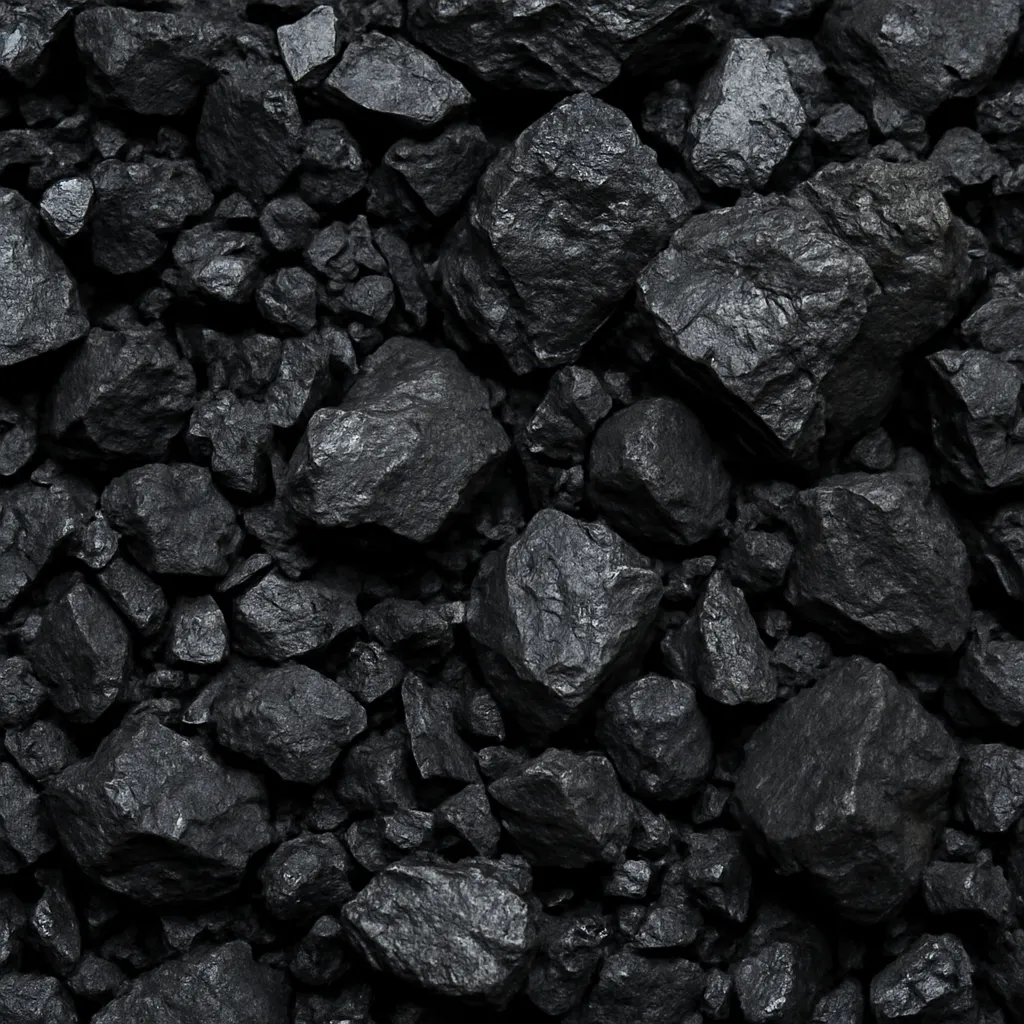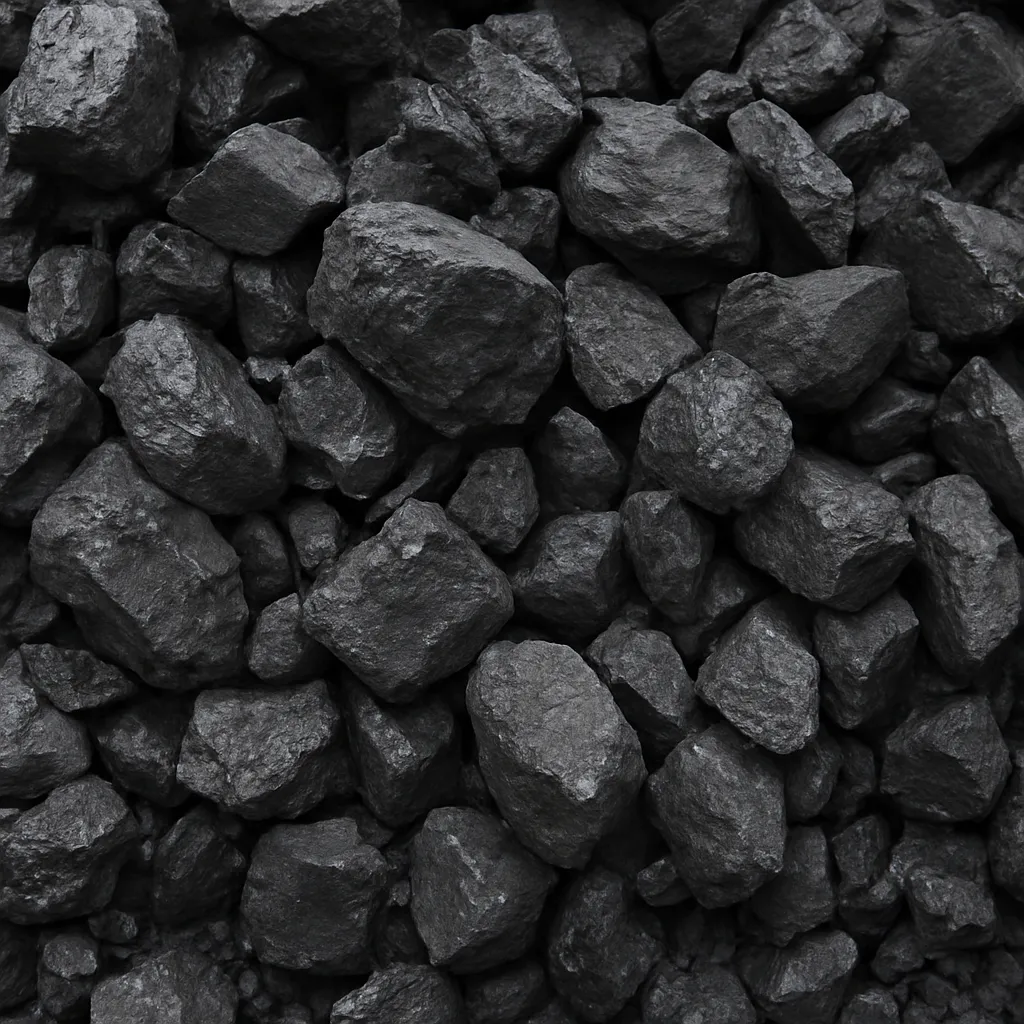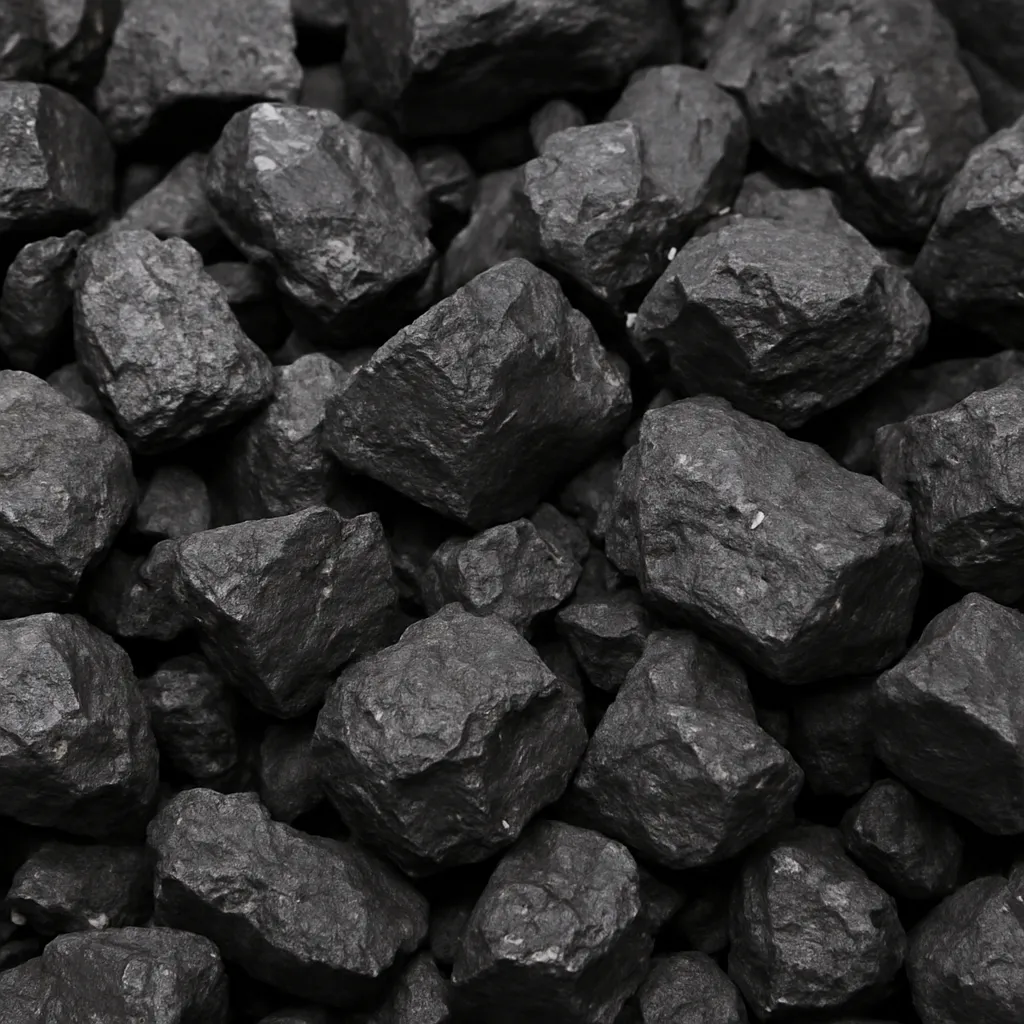
This article examines the topic of dull coal — a descriptive classification of coal distinguished by its matte appearance, particular physical and chemical characteristics, and specific industrial uses. Dull coal is widely encountered in many coal-producing regions and plays an important role in the global energy mix, especially for thermal power generation and industrial heat. Below you will find information on what dull coal is, where it occurs and is mined, its economic and statistical context, industrial applications, environmental implications, and future perspectives.
What is dull coal? Geological nature and defining properties
The term dull coal is a petrographic and descriptive label rather than a strict technical rank. It generally refers to coal that displays a subdued, matte or earthy luster rather than the shiny or glassy appearance seen in some coals. The visual quality reflects the composition of the coal in terms of macerals and mineral matter as well as the degree of coalification. In many contexts, dull coal corresponds to low- to medium-rank coals (for example lignite and sub-bituminous ranks) but can also describe parts of bituminous seams that are rich in inertinite or mineral matter.
Key physical and chemical characteristics of dull coal typically include:
- Higher moisture and volatile matter compared with high-rank, glossy coals.
- Lower fixed carbon and lower gross calorific value on a mass basis (lower energy density).
- Higher inorganic ash content in many seams, depending on geological setting.
- Poor caking or coking behaviour — dull coal is usually unsuitable for metallurgical coke production.
- Larger proportion of macerals such as inertinite and mineral inclusions that give a non-reflective appearance.
From a coal-rank perspective, dull coal commonly overlaps with materials classified as lignite and sub-bituminous coal. These coals are less mature in the coalification process (the transformation from peat to anthracite) and therefore retain more moisture and volatile constituents. In some basins, dull-looking lithotypes may also occur within higher-ranked seams where the petrographic composition is dominated by durain or fusus type bands.
Where dull coal occurs and where it is mined
Coal forms from the accumulation and burial of organic-rich vegetation (peat) in continental environments such as mires and swamps. The degree of subsequent heating, pressure, and time determines the coal rank. Because dull coal is often lower rank, it occurs abundantly in geographically younger basins and in settings where coalification was limited.
Major coal-producing regions with significant dull coal resources
- China — extensive coal reserves across Shanxi, Inner Mongolia, Shaanxi and other basins. Much of China’s coal used for power is thermal and includes low- and medium-rank coals.
- United States — Powder River Basin (Wyoming, Montana) is a major source of low-ash, sub-bituminous (dull) coal used for electricity; eastern basins contain higher-rank coals but also dull lithotypes.
- Australia — major producer of both export thermal coal and higher-grade coals; some export thermal coals are low-rank and exhibit dull surfaces.
- Indonesia — large volumes of sub-bituminous and low-rank thermal coal for export markets, especially in Asia.
- Russia — Kuznetsk Basin (Kuzbass) and other basins produce a range of ranks including coals used for power that can be dull in appearance.
- India — extensive coalfields (e.g., Jharkhand, Chhattisgarh, West Bengal) produce a variety of coals; a substantial portion is thermal coal with dull macroscopic appearance.
- Europe — lignite basins in Germany (Lower Lusatia, Rhineland), Poland (Silesia and Lignite basins), and other parts of Eastern Europe are dominated by lignite/dull coal exploited mainly for local power generation and heating.
Mining methods for dull coal range from open-pit (surface) mining — common for shallow lignite and sub-bituminous deposits — to underground longwall and room-and-pillar techniques where seams are deeper. Open-pit methods often produce large volumes of low-rank dull coal economically because of the seam geometry and low overburden.
Economic and statistical overview
Coal remains a major global energy commodity despite policy pressure and growth of renewables. While specific figures vary annually, some broad statistics illustrate the scale and economic importance of coal and, by extension, the role of dull thermal coals.
- Global coal production: In recent years global mined coal has been on the order of several billion tonnes per year. For example, annual world coal production around 2021–2022 was roughly 7–8 billion tonnes (metric), with thermal coal accounting for the bulk of this tonnage.
- Leading producing countries: China is the largest producer by far (producing roughly half of global coal output in recent years), followed by significant production in India, the United States, Indonesia, Australia, and Russia. Many of the thermal coals consumed domestically or exported from these countries are characterized as low- to mid-rank (dull) coals.
- Exports: A few countries dominate the international trade in thermal coal. Australia and Indonesia, together, export several hundred million tonnes of thermal coal each year, serving markets across Asia and beyond.
- Reserves: Proven global coal reserves are large — typically reported in the range of close to a trillion tonnes. At current consumption rates, these reserves imply many decades, if not over a century, of supply, though the economics and acceptability of extracting them are subject to policy and market evolution.
- Sectoral use: A dominant share of coal consumption is for electricity generation and thermal energy. Industry (cement, steel indirect applications, chemicals) also consumes significant coal volumes, and some low-rank coals are used in district heating and local industrial processes.
Because dull coal has lower energy content per tonne, economic evaluation often uses energy-normalized metrics (e.g., cost per gigajoule) rather than price per tonne. Many thermal coal contracts are traded by energy content and quality indices (calorific value, ash, sulfur), and dull coals typically fetch lower prices per tonne but may still be competitive if they are locally accessible, low in sulfur or ash, or certain consumers prefer them for specific boiler designs.
Selected numbers and trends (approximate, recent years)
- World coal production: ~7.5–8.0 billion tonnes per year.
- China coal output: roughly 3.5–4.0 billion tonnes per year (around half of global production).
- India: near 700–900 million tonnes per year.
- United States: about 500–700 million tonnes per year (varies by market demand).
- Australia exports: several hundred million tonnes per year (thermal + metallurgical combined).
These numbers are indicative and move year-to-year with demand (especially electricity demand), fuel-switching trends, and policy changes such as coal phase-out schedules or carbon pricing.
Industrial uses and technological aspects
Dull coal finds its primary industrial use as a thermal fuel for electricity generation and industrial heat. Its lower energy density means larger masses must be handled and combusted to produce the same energy as higher-rank coals; however, it remains attractive where it is locally abundant and cheap.
Power generation
- Large-scale pulverized coal-fired boilers in power plants can burn a wide range of coal types, including the sub-bituminous and lignite coals that are often dull.
- Thermal power plants designed for high-moisture coals employ specific furnace designs, pre-drying systems, or efficiency measures to handle the fuel economically.
- In many countries with major lignite basins (e.g., Germany, Greece, Turkey), power plants are closely integrated with local mines to minimize transport and capitalize on low-cost fuel.
Industrial heat and non-power uses
- Some industries (cement kilns, brick works, paper mills) use dull coal for process heat where fuel flexibility exists.
- Low-rank coals can be upgraded by drying and briquetting for domestic heating or specialized industrial applications.
- Gasification and coal-to-liquids processes can accept a range of feedstocks; while high-grade coals are often preferred for metallurgical grades, dull coal can be used for synthesis of chemicals and fuels after suitable treatment.
Limitations for metallurgical use
Because dull coals generally lack the caking properties required to produce high-quality coke, they are largely unsuitable as direct blast-furnace feedstock. Metallurgical coke typically requires high-rank, volatile-lean, caking bituminous coals often described as bright or glassy, not dull.
Environmental, health, and social considerations
Dull coal’s environmental footprint is determined by its combustion characteristics, quality (ash, sulfur, trace elements), and the scale of use. Important considerations include:
- Emissions: Because low-rank coals often contain more moisture and volatile matter per unit of energy, burning them generally produces more carbon dioxide per tonne of coal and can be less efficient unless plant designs compensate. They can also release SOx, NOx, mercury, and particulate emissions depending on composition and pollution control systems.
- Ash handling: Higher ash content in some dull coals requires robust ash management systems (electrostatic precipitators, fabric filters, ash landfills), and ash disposal can create long-term environmental liabilities.
- Mining impacts: Open-pit lignite mining typically involves large-scale landscape alteration, removal of overburden, and potential water table changes; reclamation and community impacts are significant social issues.
- Health: Communities near coal-fired plants or mines may face air quality and occupational health risks without strict controls and monitoring.
To mitigate environmental impacts, operators may adopt technical measures such as high-efficiency boilers, flue gas desulfurization, particulate controls, pre-drying of fuels, and deployment of carbon capture technologies where economically feasible. Policy tools — emissions standards, air quality legislation, and carbon pricing — also shape how dull coal is used.
Market dynamics and future outlook
The future of dull coal is influenced by multiple, sometimes divergent forces: near-term energy security needs, policy-driven decarbonization, the economics of renewable energy and natural gas, and technological advances such as carbon capture and storage (CCS).
- In many high-income countries, coal-fired generation is declining in favor of gas and renewables. This reduces demand for both high-grade and low-grade coals domestically.
- In parts of Asia, Africa, and Latin America, coal — including dull thermal coal — continues to support rapid growth in electricity demand. New coal plants, often built to run on locally available low-rank coals, may extend demand in those regions for years to come.
- Market prices for thermal coal respond to supply constraints, transport bottlenecks, currency movements, and seasonal demand; low-grade coals sometimes enjoy price advantage when proximity to load centers reduces transport costs.
- Technological pathways such as coal drying, fluidized-bed combustion, and improved plant efficiencies can make dull coals more competitive and less polluting than older plant designs.
- Long-term climate goals and progressive coal phase-out policies will eventually shrink global coal demand unless extensive decarbonization technologies (e.g., CCS at scale) are deployed.
Interesting and lesser-known facts about dull coal
- Historical use: In many regions, low-rank coals were the backbone of early industrialization because they were widely accessible and easily mined. Lignite-fired plants in Europe date back to the early 20th century and remain important in certain energy systems.
- Fuel upgrading: Dull coals can be upgraded by drying (reducing moisture) and briquetting to improve calorific value and handling characteristics; such techniques can extend their usefulness in domestic and industrial markets.
- Regional energy resilience: For regions lacking reliable gas or hydro resources, local dull coal reserves are often considered strategic assets for energy security, even where international pressure favors fuel switching.
- Coal variety within a seam: A single coal seam can contain bands or macrolithotypes ranging from bright to very dull; these variations are important for mine planning and for blending to meet customer specifications.
- By-products and value chains: Coal ash and other by-products can be used in cement and construction materials; valorization of by-products can improve the overall economics of low-grade coal use.
Concluding observations
Dull coal is a broad descriptive category that encompasses many of the world’s low- and mid-rank coals used primarily for thermal purposes. It is characterized by a matte appearance, higher moisture and volatile contents, and generally lower calorific value compared with glossy, high-rank coals. Despite environmental concerns and the global push toward decarbonization, dull coal remains economically and socially important in many regions because of abundant local resources, established infrastructure, and the need for affordable, dispatchable energy.
The long-term role of dull coal will depend on how rapidly alternative low-carbon technologies become affordable and scalable, how policies evolve to price carbon and regulate emissions, and whether technical solutions such as carbon capture and fuel upgrading can be deployed widely. Until then, dull coal will continue to underpin power generation and industrial processes in a range of countries, albeit under increasing scrutiny and with rising expectations for cleaner, more efficient use.