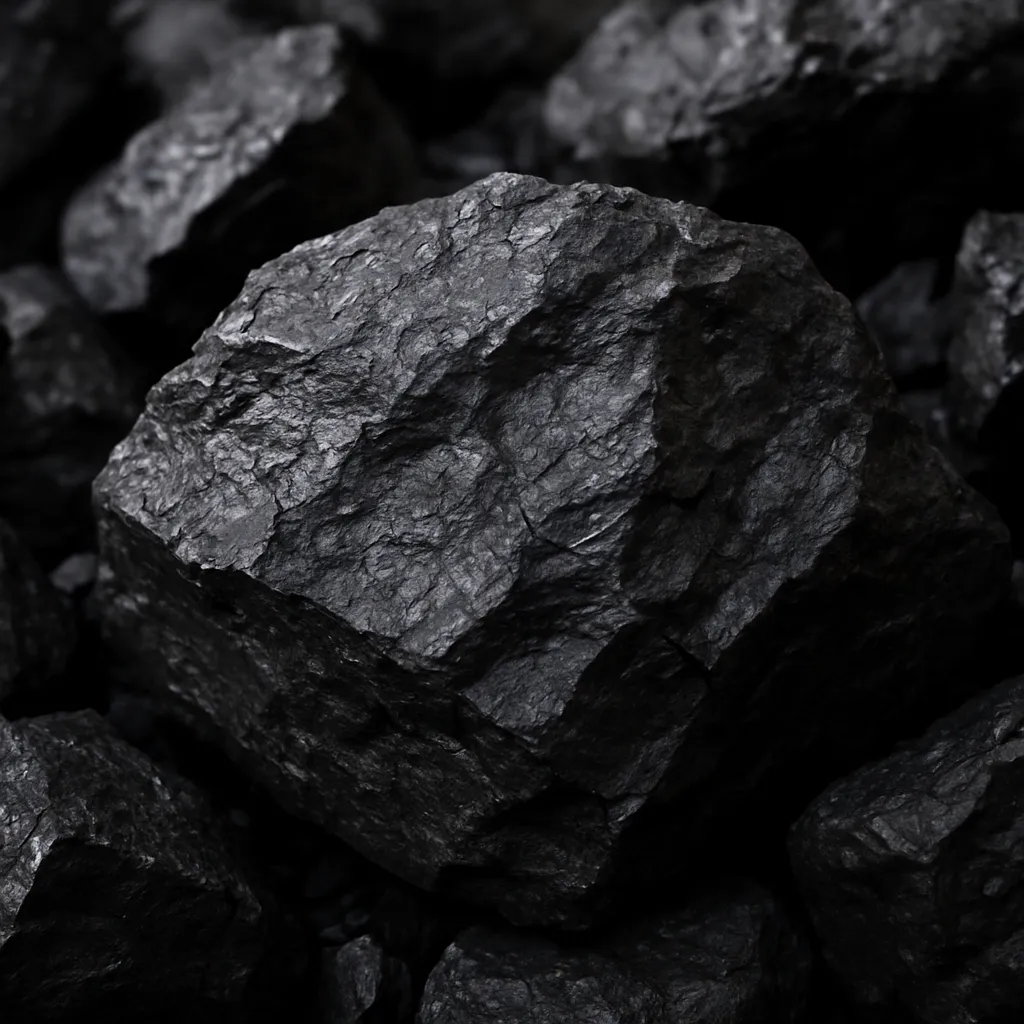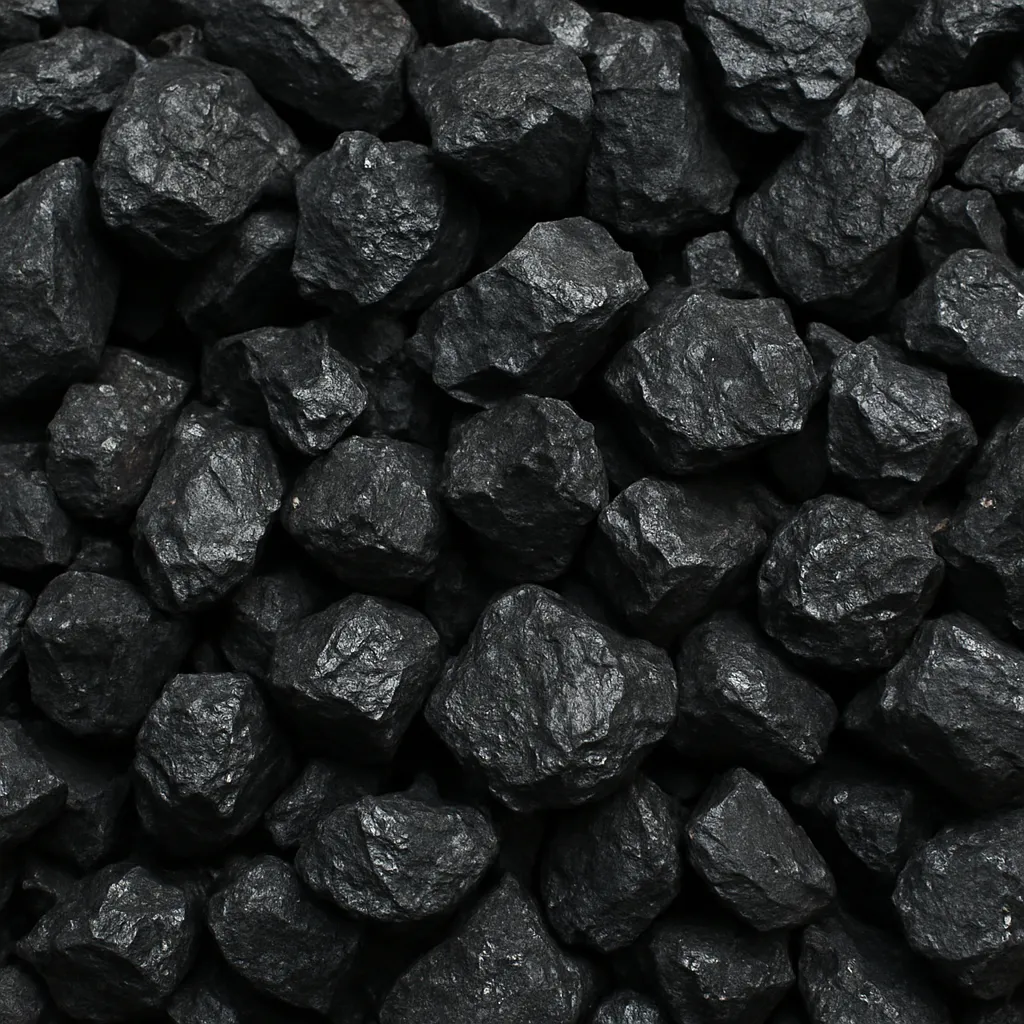
The following article examines the role of coal specifically used in the production of direct-reduced iron (DRI). It explores the technical characteristics of this coal, the main mining regions, economic and market dynamics, environmental and technological implications, and statistical trends shaping the industry. The focus is on how coal functions as a reductant or feedstock in various DRI routes, where it is sourced, and what it means for the global steel value chain today and in the near future.
Coal and the Direct Reduction Process
Direct reduction is a method of producing metallic iron from iron ore without fully melting it. The most common commercial DRI technologies use gaseous reductants, but a significant fraction of DRI is produced by processes that rely on solid carbonaceous reductants derived from coal. Coal can be used directly (as pulverized coal or char) or indirectly (via syngas manufacture through gasification) to supply the reducing gases—carbon monoxide (CO) and hydrogen (H2)—that remove oxygen from iron oxides.
There are several technical pathways in which coal is involved:
- Coal gasification followed by shaft furnace reduction: Coal is gasified to produce a syngas mixture which is then adjusted and fed to a standard shaft-type DRI unit. This approach is capital-intensive but enables the use of low-cost coal where natural gas is unavailable.
- Coal-based rotary kiln or shaft direct reduction using pulverized coal and char: Some processes feed pulverized coal or pre-calcined coal char directly into rotary kilns or special reactors together with iron ore fines.
- Integrated corex/finex-like systems: Some smelting reduction processes convert coal and ore together in a single or multi-stage system producing liquid metal or pre-reduced iron lumps; these processes blur the line between classical blast furnace and DRI technologies.
Compared with natural gas-based DRI, coal-based routes are usually chosen where gas is expensive or unavailable, and where abundant coal reserves make coal feedstock the economically rational choice. The choice of coal type and pre-treatment (e.g., pre-calcination, coal-to-char conversion) affects reduction kinetics, reactor design, and downstream metallurgical quality.
Types and Qualities of Coal Used for Direct Reduction
Not all coal types are equally suitable for DRI applications. Key coal characteristics that influence suitability include fixed carbon, volatile matter, ash content, sulfur content, moisture, and reactivity to gasification or devolatilization. In addition, particle size distribution and propensity to form fines or agglomerates can be critical for particular reactor designs.
- Non-coking bituminous coal and certain high-quality sub-bituminous coals are frequently used for coal-to-syngas routes. They offer favorable calorific value and gasification characteristics.
- Low-ash, low-sulfur coal is preferred because ash adds to burden weight and slag formation, while sulfur complicates steelmaking and requires desulfurization.
- Coal that can be readily converted into a reactive char (through roasting or pre-carbonization) is valuable for rotary kiln and shaft processes where solid reductant contact with ore is used.
- Petroleum coke (petcoke) is sometimes co-fed, particularly where refining activities supply petcoke as a low-cost reductant, but its high sulfur and high fixed carbon content mean it is used with careful process control.
The metallurgical properties of coal for DRI differ from those demanded for coke ovens or power generation. While metallurgical (coking) coal must form strong coke under carbonization, coal for DRI may prioritize reactivity and low impurities over coking properties.
Where Coal for DRI Occurs and Where It Is Mined
Large global coal basins supply the raw material that can be adapted for DRI use. While there is no single “DRI coal” mine product in commodity markets, the coal streams that feed DRI plants typically come from major producing regions. Major producers of coal globally include:
- China: The world’s largest coal producer, with vast reserves of both bituminous and sub-bituminous coals. China supplies much of its domestic steel industry and some of its DRI feedstocks from local mines.
- India: A key region for coal-based DRI. India has large thermal coal reserves; many domestic DRI plants are designed to operate on locally available coal or on coal pre-treated for DRI uses.
- Australia: Major exporter of high-quality metallurgical and thermal coal. Australian coal is widely used in East and Southeast Asian steel and DRI industries due to its generally low ash and sulfur content.
- Indonesia: Large producer and exporter of sub-bituminous thermal coal that, after upgrading or gasification, can be used in some coal-based DRI applications.
- Russia, the United States, South Africa, and Colombia also supply significant coal volumes that enter global markets and may be routed to DRI plants depending on economics and specifications.
Regional patterns matter: in India and parts of China, coal-based DRI is a strategic fit because of domestic coal availability and the relative scarcity or cost of pipeline natural gas. In the Middle East, abundant natural gas historically favored gas-based DRI, but coal imports may be used in specific integrated plants or in countries that lack pipeline infrastructure.
Economic and Market Dynamics
The economics of coal for DRI are influenced by a combination of feedstock prices, transport and logistics, plant technology, and environmental policy. Key economic drivers include:
- Feedstock price differentials: Where coal is significantly cheaper than natural gas on an energy-equivalent basis, coal-based DRI becomes more attractive despite potentially higher capital or operational complexity.
- Logistics and proximity: DRI plants located near coal mines or ports that regularly handle coal imports reduce transport costs and operational complexity.
- Capital expenditure: Coal gasification units and coal-handling systems add to upfront costs compared with simpler gas-based DRI modules; however, long-term fuel cost savings can justify the investment.
- Market volatility: Global coal prices can be volatile—driven by demand from power sectors, shipping constraints, geopolitical events, and policy changes—making long-term contracts and hedging strategies important for DRI producers.
Some indicative market figures and trends (estimates and industry-reported ranges):
- Global coal production exceeds several billion tonnes annually; in recent years total global coal production has commonly been reported in the range of 6–8 billion tonnes per year, with China accounting for roughly half of that total.
- Installed DRI capacity worldwide has been growing, with several industry reports estimating global installed capacity in excess of 100 million tonnes per year by the early 2020s; actual utilization and production are lower and fluctuate with steel demand.
- Market share: gas-based MIDREX-type installations continue to dominate new DRI capacity additions (often cited as around 60–70% of global DRI capacity by technology), but coal- or coal-gasification-based installations hold strong positions in regions like India where coal feedstock is abundant.
Statistical Overview and Regional Profiles
While public consolidated statistics specifically for “coal-for-DRI” are sparse because coal is not uniquely categorized in most trade or mine datasets for DRI use, several relevant figures paint the broader picture:
- DRI production: industry estimates place annual global DRI output in the order of tens of millions of tonnes—estimates frequently range between ~60 and ~100 million tonnes per year depending on the reporting year and market conditions.
- Technology splits: approximately two-thirds of the world’s DRI capacity uses gas-based shaft furnaces or technologies; the remainder is distributed among coal-based rotary kilns, smelting reduction plants, and gasified-coal shaft furnace systems.
- Coal consumption for iron and steel: the iron and steel sector consumes a substantial fraction of mined coal, particularly metallurgical coal for coke and coal used in smelting and reduction processes in regions relying on coal-based routes.
Regional snapshots:
- India: A global hotspot for coal-based DRI. Domestic policy favoring use of local coal in metallurgical processes and limited pipeline gas availability mean many Indian steelmakers opt for coal-based DRI technologies.
- Middle East: Historically dominated by natural gas-based DRI due to cheap gas; however, export logistics and project structures sometimes make coal gasification competitive for specific projects.
- Europe and North America: Growing interest in green hydrogen-based DRI for decarbonization; coal-based DRI plays a smaller role due to stronger environmental regulation and alternate feedstock availability.
Environmental, Regulatory and Technological Trends
The environmental footprint of coal-based DRI is a central policy and technological challenge. Coal as a reductant produces CO and CO2 during reduction and gasification. Key issues and mitigation strategies include:
- Carbon intensity: Coal-based DRI generally has higher CO2 intensity per tonne of iron compared with natural gas-based DRI. Conversion to low-carbon hydrogen or the adoption of carbon capture and storage (decarbonization) technologies is increasingly discussed as a pathway to lower emissions.
- Carbon capture: Gas-cleaning and CO2 capture from coal gasifiers or off-gas streams can materially reduce emissions when paired with permanent storage or utilization; however, this adds substantial capital and operational costs.
- Fuel flexibility and co-feed: Co-feeding biomass, waste-derived fuels, or blending with hydrogen-enriched syngas are being piloted to lower lifecycle emissions while maintaining coal-based infrastructure.
- Regulatory pressure: Emission trading systems, carbon pricing, and stricter environmental standards are reshaping investment calculus and may reduce the competitiveness of unabated coal-based DRI in jurisdictions with high carbon costs.
Technological innovation is active in several areas: higher-efficiency gasifiers, modular gas-clean-up units, optimized kiln and shaft reactor designs, and integration with renewable energy systems and hydrogen production. The pace of adoption varies by region depending on policy support and fuel economics.
Industrial Significance and Value Chain Implications
Coal for DRI matters because DRI is a strategic intermediate in decarbonizing steel and in providing flexible ironmaking capacity. Some industrial implications:
- DRI is a preferred feedstock for electric arc furnaces (EAF), which can produce steel with lower CO2 intensity when combined with recycled scrap or low-carbon DRI inputs. Coal-based DRI facilities therefore form a link between coal mining and modern steelmaking routes.
- Supply chain integration: Steelmakers that control coal supply (mining affiliates or long-term contracts) achieve greater feedstock security and can optimize process chemistry and overall cost structures.
- Employment and regional economies: Coal-based DRI facilities often support mining regions by creating demand for local coal upgrades and logistical services, generating jobs in mining, transport, and plant operations.
- Market resilience: Coal-based DRI provides a strategic alternative where gas supply is unreliable or geopolitically constrained, supporting national steel self-sufficiency goals in some countries.
Challenges, Risks, and Outlook
Key challenges and risks for coal-based DRI include the following:
- Environmental constraints and the risk of regulatory tightening that penalizes high-carbon routes unless carbon capture or other mitigation is applied.
- Fuel-price volatility: Coal prices, shipping costs, and availability can swing sharply, affecting operating margins.
- Technological lock-in: Large investments in coal-based plants risk becoming stranded assets if future policy or market dynamics favor hydrogen-based or other low-carbon routes.
Outlook: The medium-term outlook for coal in DRI is regionally differentiated. In coal-rich, gas-poor regions (for example parts of South Asia), coal-based DRI will likely remain economically important for at least a decade, particularly if measures to reduce emissions are implemented incrementally (e.g., co-feeding biomass or deploying partial CCS). In markets with aggressive decarbonization targets and access to low-cost renewable electricity and green hydrogen, adoption of hydrogen-based DRI is expected to accelerate, gradually displacing some coal-based capacity.
Interesting Technical and Market Observations
Several practical and lesser-known points about coal use in DRI:
- Coal upgrading—through processes such as mild pyrolysis or pre-drying—can convert a wider range of thermal coals into more reactive char suitable for direct reduction, increasing feedstock flexibility.
- Coal-to-syngas routes allow integration with chemical synthesis: syngas cleaned from DRI operations can be a feedstock for fertilizers or synthetic fuels, creating multi-product industrial hubs.
- Smaller modular gasification units paired with mid-scale DRI reactors are emerging as an investment model to reduce capital outlay and allow phased capacity additions.
- In many regions, coal quality variability within the same mine or seam requires on-site blending and real-time process control to maintain consistent DRI product quality.
Concluding Perspectives
Coal remains an important feedstock for certain DRI pathways, especially where domestic coal reserves or low-cost imports make coal economically attractive relative to gas. While gas-based MIDREX and hydrogen-based DRI are technologically preferred for lower carbon intensity, coal-based DRI provides a pragmatic path to iron production in many markets today. The future trajectory will be shaped by policy on climate change, advances in carbon capture and hydrogen technologies, and the relative economics of coal, gas, and low-carbon alternatives.
For industry stakeholders, the key considerations in managing coal for DRI are matching coal quality to process requirements, securing stable and cost-competitive supply chains, and investing in emissions mitigation if long-term competitiveness under carbon constraints is to be maintained. As steelmaking evolves, coal’s role will increasingly be influenced by the twin pressures of economic viability and decarbonization imperatives.