Clarain-rich coal is a specific lithotype of banded coal that combines distinctive petrographic features with important industrial properties. This article reviews what clarain is, where such coals are found and mined, their physical and chemical characteristics, economic and statistical context, and their significance across industries. It also addresses environmental considerations, processing methods, and emerging applications. The goal is to provide a comprehensive, technically informed overview useful to geologists, mining professionals, commodity analysts, and students.
Definition, petrography and physical properties
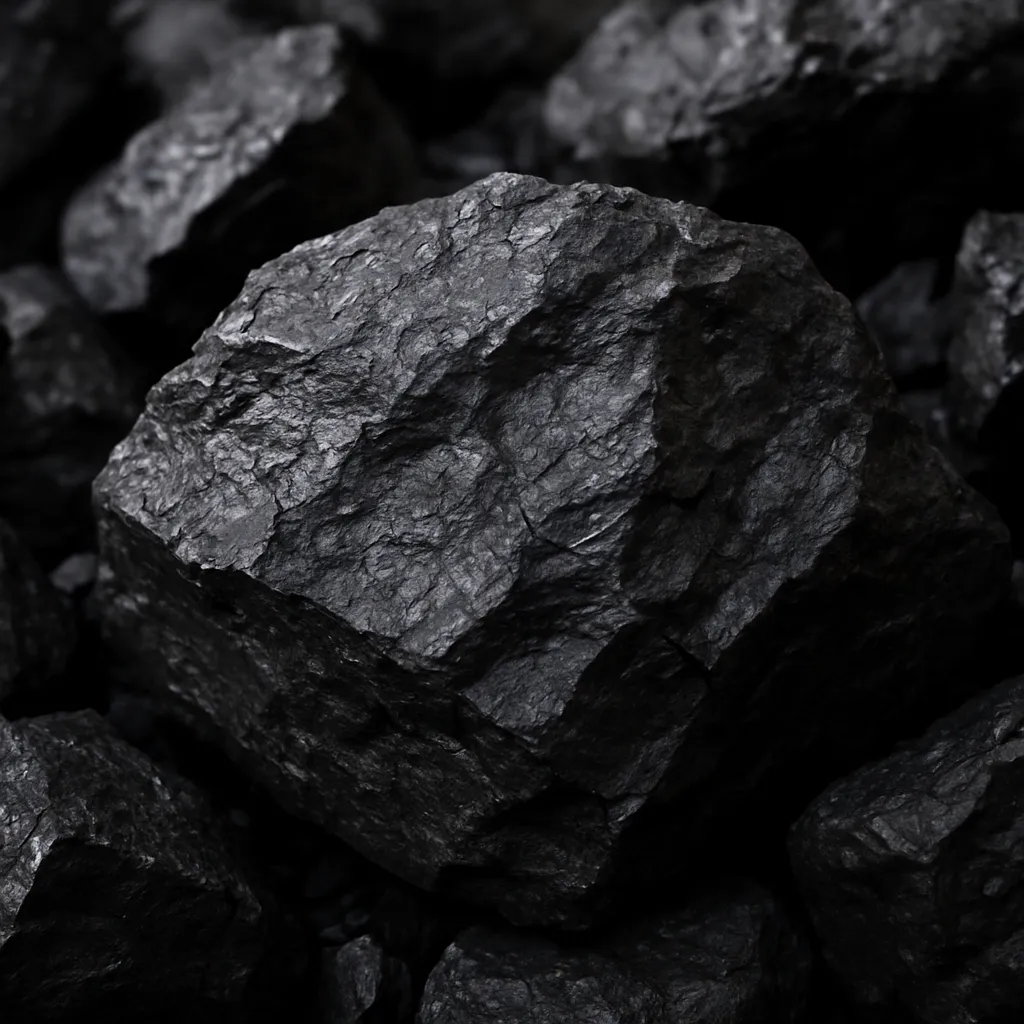
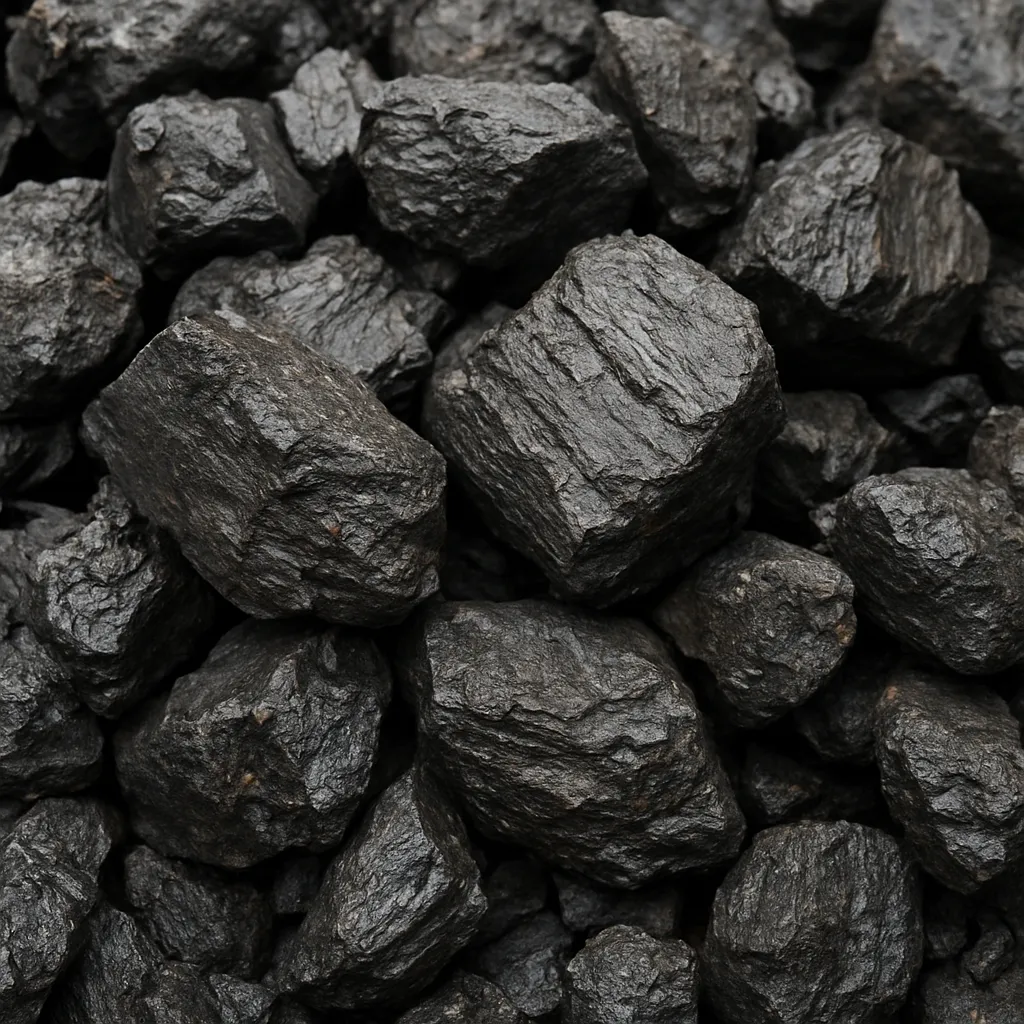
Clarain is one of the principal lithotypes recognized in banded coals. Banded coals display alternating layers (bands) of bright and dull material. Clarain generally refers to the brighter bands that are typically dominated by vitrinite macerals but may include a mix of macerals and small inertinite inclusions depending on the seam. In classic coal petrography the other band types include vitrain (very bright, glassy), durain (dull, inertinite-rich), and fusain (charcoal-like).
Key petrographic and physical characteristics of clarain-rich coal:
- Appearance: bright to semi-bright, often glassy when fresh-fractured.
- Maceral composition: dominated by vitrinite with variable amounts of liptinite and inertinite; the exact proportions determine reactivity and coking behavior.
- Rank: clarain occurs across a range of ranks but is most notable in bituminous coals where banding is distinct; clarain bands can show higher vitrinite reflectance than surrounding dull bands.
- Porosity and texture: relatively uniform, often with fewer mineral (ash) inclusions compared with durain layers; this can translate into lower ash content in clarain-rich coal.
- Chemistry: clarain bands commonly have lower apparent sulfur and mineral-matter than dull bands, but this varies with basin geology and depositional environment.
Because of these attributes, clarain-rich coal frequently exhibits desirable thermal and chemical behavior: high volatile yield at lower temperatures, relatively good plasticity (important for coking), and predictable reactivity for combustion applications. These properties make clarain-rich coals a focus for specialized uses such as metallurgical coke production, carbon products, and higher-grade thermal markets.
Occurrence and major coal basins with clarain-rich seams
Clarain is not a coal rank or a separate coal type but a lithotype commonly developed in coal seams formed from alternating depositional conditions (e.g., changing water level, peat-forming vegetation, oxidizing/reducing conditions). Therefore, clarain-rich coal can be found in many of the world’s major coal basins where banded coals are present. Typical settings include Carboniferous and Permian deposits, as well as younger Mesozoic coals in some regions.
Key basins and regions
- Europe: Carboniferous basins such as the Ruhr (Germany), Upper Silesian Basin (Poland), and parts of the UK coalfields contain banded coals with clarain horizons that were historically important for coking and gasification.
- Russia and Ukraine: Donets and Kuznetsk basins host complex banded seam structures; clarain layers are found within many coking coal seams.
- United States: Appalachian Basin and Illinois Basin coals often show lithotype banding; clarain-rich horizons occur in several commercially exploited seams.
- China: Major coal provinces (e.g., Shanxi, Inner Mongolia, and the northern basins) include banded coals; clarain-rich intervals are present in some high-quality coking coal seams.
- Australia: Bowen and Hunter (New South Wales) basins and parts of Queensland host banded Permian coals; clarain-rich coals are used in domestic coking and export markets.
- India: Some Gondwana seam sequences display banding and clarain-rich zones within bituminous seams used for both thermal and metallurgical purposes.
- South Africa: Certain Karoo Basin seams and other deposits show bright banding; however, the predominance of specific lithotypes varies with local peat composition.
In general, clarain-rich intervals are most economically important where they coincide with high rank (suitable for coking) or where their lower ash and sulfur give them a premium in power generation or industrial processing.
Mining, beneficiation and processing of clarain-rich coal
Mining clarain-rich coal follows the same basic techniques used for other bituminous coals. Both underground and open-pit methods can be employed, depending on seam depth and geography. Practical mining and processing stages include selective mining, blending, washing, and thermal treatment to optimize product specifications.
Selective mining and seam handling
- Because clarain often occurs as bands within a seam, selective mining and careful face control can maximize recovery of the bright lithotype.
- In underground operations, continuous miners and longwall technology with detailed seam mapping are used to target high-clarain horizons.
- In surface mines, precision blasting and excavator selection can reduce dilution from dull bands and non-coal material.
Beneficiation
Common beneficiation steps to upgrade clarain-rich coal include density separation (jigging, heavy media separation), flotation, and milling. Washing can reduce ash and sulfur content, enhancing calorific value and coking properties.
Downstream processing
- Coking: clarain-rich coals with appropriate rank and plastic properties may be blended for coke-making. Their vitrinite-rich nature often improves coke quality and stability during carbonization.
- Carbon products: after thermal treatment, clarain can be a feedstock for activated carbon, electrode carbon, and other specialty carbons due to relatively low ash and favorable porosity development.
- Coal chemical conversion: higher-grade clarain can be a preferable feed for coal-to-liquids and coal-to-chemicals processes where mineral matter impairs conversion.
Economic and statistical context
Quantifying clarain-rich coal specifically on a global scale is difficult because most production statistics refer to coal by rank (anthracite, bituminous, sub-bituminous, lignite) and use (thermal vs metallurgical), not by lithotype. Nevertheless, clarain-rich intervals contribute disproportionately to higher-value market segments—particularly metallurgical (coking) coal and specialty carbon markets.
Global coal production and the place of higher-grade coals
- Global primary coal production in recent years has been on the order of several billion tonnes annually (roughly 7–8 billion tonnes per year in the early 2020s). China is the dominant producer, accounting for about half of global production, with India, the United States, Indonesia, Australia, and Russia following.
- Within the larger pool of coal production, the market for metallurgical (coking) coal is considerably smaller than that of thermal coal but commands a price premium. Seaborne trade in coking coal typically ranges in the low hundreds of millions of tonnes per year—estimates often put this at roughly 150–300 million tonnes annually, depending on demand cycles and economic activity in the steel sector.
- Clarain-rich coals that qualify as coking coal enter this smaller, high-value market and therefore represent a significant economic component for producers who can supply them reliably.
Price and value drivers
The economic value of clarain-rich coal is driven by:
- Rank and coking properties — the ability to produce strong coke with low impurities.
- Intrinsic quality — low ash, low sulphur, and predictable behavior in blast furnace or coke oven operations.
- Logistics and proximity to steelmaking centers — transport costs and access to ports influence netback prices.
- Market cycles in steel production — demand for metallurgical coal is tightly linked to global steel output and capital investment in steelmaking capacity.
Employment and regional economic impact
Mines that produce clarain-rich coal can be major employers in local economies, particularly in regions with deep historical coal-mining traditions. Beyond direct employment, ancillary industries—rail, port operations, coke-oven plants, and downstream carbon manufacturers—benefit from the presence of higher-quality coal. In many coal towns, revenue from clarain-bearing seams has supported infrastructure, education, and regional development for decades.
Industrial significance and applications
Clarain-rich coal is prized where its petrographic properties translate into industrial advantage. The principal application areas are metallurgical coke production, specialty carbon materials, and selective high-efficiency thermal uses.
Metallurgical (coking) coal and the steel industry
The steel industry remains the largest consumer of metallurgical coal. Clarain-rich bands—when they meet rank and plasticity criteria—can be blended into coking mixes to improve coke strength, reduce impurity load, and enhance furnace performance. Coke derived from clarain-enriched blends tends to show:
- Good mechanical strength and low reactivity with CO2
- Lower ash and sulfur transfer to the furnace
- Predictable porosity and permeability important for blast-furnace burden permeability
Specialty carbon products
After controlled carbonization and activation, clarain-rich coal can be converted into:
- Activated carbon for water and air purification
- Carbon electrodes and anode materials
- Carbon fillers and precursors for graphite and carbon-based composites
The relative purity and structure of clarain help in producing carbons with desirable porosity and surface characteristics, reducing the need for extensive pre-treatment.
Thermal power and industrial heat
For power generation, clarain-rich coal can be advantageous because of lower ash and better combustion reactivity compared to durain-dominated coals. In industrial boilers and process heat applications, clarain-rich coal may deliver higher boiler efficiency and lower slagging tendency when properly blended and burned under controlled conditions.
Environmental considerations and emissions
Like all fossil fuels, clarain-rich coal combustion releases CO2 and other pollutants; however, its higher calorific value and lower impurity levels can improve the environmental performance per unit of useful energy or metallurgical product. Key environmental aspects include greenhouse gas emissions, air pollutants, and impacts from mining and processing.
- CO2 intensity: Higher-rank, lower-ash coals tend to produce less CO2 per unit of delivered heat compared to low-rank, high-moisture coals because of higher calorific value and lower inert material that must be heated.
- Conventional pollutants: Lower sulfur and ash reduce SOx and particulate emissions during combustion. That can lower the costs of emission control equipment and ash disposal.
- Mining impacts: Selective extraction of clarain bands can increase the amount of discarded material (dilution) if not managed carefully, so responsible mine planning and rehabilitation are important.
- Carbon mitigation: When clarain-rich coal is used for metallurgical purposes, decarbonization options include partial substitution with biomass or hydrogen in steelmaking, and carbon capture and storage (CCS) linked to coke ovens or blast furnaces—technologies under development or pilot deployment.
Statistical notes and market dynamics
Because clarain is a lithotype, it is not separately tracked in international production statistics. However, its contribution is embedded in figures for metallurgical coal and higher-grade thermal coal. A few market-relevant statistical points:
- Metallurgical coal trade: The seaborne market for metallurgical coal fluctuates with global steel demand; on average it has represented a modest fraction of total coal consumption but carries a large value share.
- Price volatility: Prices for coking coal can be highly volatile—affected by supply disruptions at major exporters, changes in steel demand, and inventory cycles. Clarain-rich supplies that meet strict specifications can command significant premiums during tight markets.
- Reserve reporting: Many mining companies report seam composition and lithotype distribution in technical reports (e.g., NI 43-101, JORC), enabling buyers to assess clarain content for specific blocks or seams.
Research, innovation and future directions
Ongoing research on clarain-rich coal and related lithotypes focuses on improving resource characterization, optimizing beneficiation, and reducing environmental impacts. Selected directions include:
- Advanced petrographic analysis: Automated optical techniques and image analysis enable more precise mapping of clarain bands within seams, improving selective mining and blending strategies.
- Coal blending optimization: Computer modeling of coking blends incorporates clarain characteristics to reduce the need for expensive coke-strength-enhancing additives.
- Cleaner carbon products: Research into low-ash carbonization and activation methods aims to produce higher-grade activated carbons and graphitic precursors from clarain-rich feedstocks.
- Decarbonization pathways: Trials combining biomass, hydrogen-based reduction, and CCS in metallurgical processes explore how clarain-derived coke can fit into lower-carbon steelmaking scenarios.
Practical considerations for industry users
For purchasers and end-users, assessing clarain-rich coal requires attention to both petrographic and chemical parameters. Important tests and metrics include vitrinite reflectance, maceral analysis, proximate and ultimate analysis (moisture, ash, volatile matter, fixed carbon, sulfur), and rheological tests for coking (max fluidity, dilatation, and plastic range).
- Quality certification: Suppliers usually provide petrographic data and washability curves for clarain-rich products to support tendering and blending decisions.
- Blending strategies: Clarain-rich coal is often blended with other coals to tailor coke quality, calorific value, and cost.
- Logistics: Because clarain-rich coal is valuable, secure transport and port handling are critical to preserve product integrity and avoid contamination with high-ash material.
Interesting facts and historical context
Some interesting notes about clarain and banded coals:
- Historical coking coals in Europe were often described by lithotype because the bright bands (vitrain/clarain) produced superior coke for early ironmaking. The Industrial Revolution benefited directly from these properties.
- Coal petrography as a scientific discipline developed in the late 19th and early 20th centuries precisely to classify lithotypes like clarain and to correlate them with industrial behavior.
- Clarain layers can preserve botanical and environmental signals from ancient peat mires; detailed study of clarain and adjoining lithotypes provides paleoenvironmental reconstructions useful to both geoscientists and resource explorers.
Conclusions
Clarain-rich coal represents an economically and industrially important subset of banded coals. Its bright, vitrinite-dominated bands can deliver superior behavior in coking, specialty carbon production, and some high-efficiency thermal applications. While not separately tallied in international production statistics, clarain-rich intervals are embedded within the smaller but high-value metallurgical-coal market and within premium thermal-coal segments. Responsible mining, careful beneficiation, and advances in processing and decarbonization will determine how clarain-rich coals continue to contribute to industry in a period of increasing environmental scrutiny.