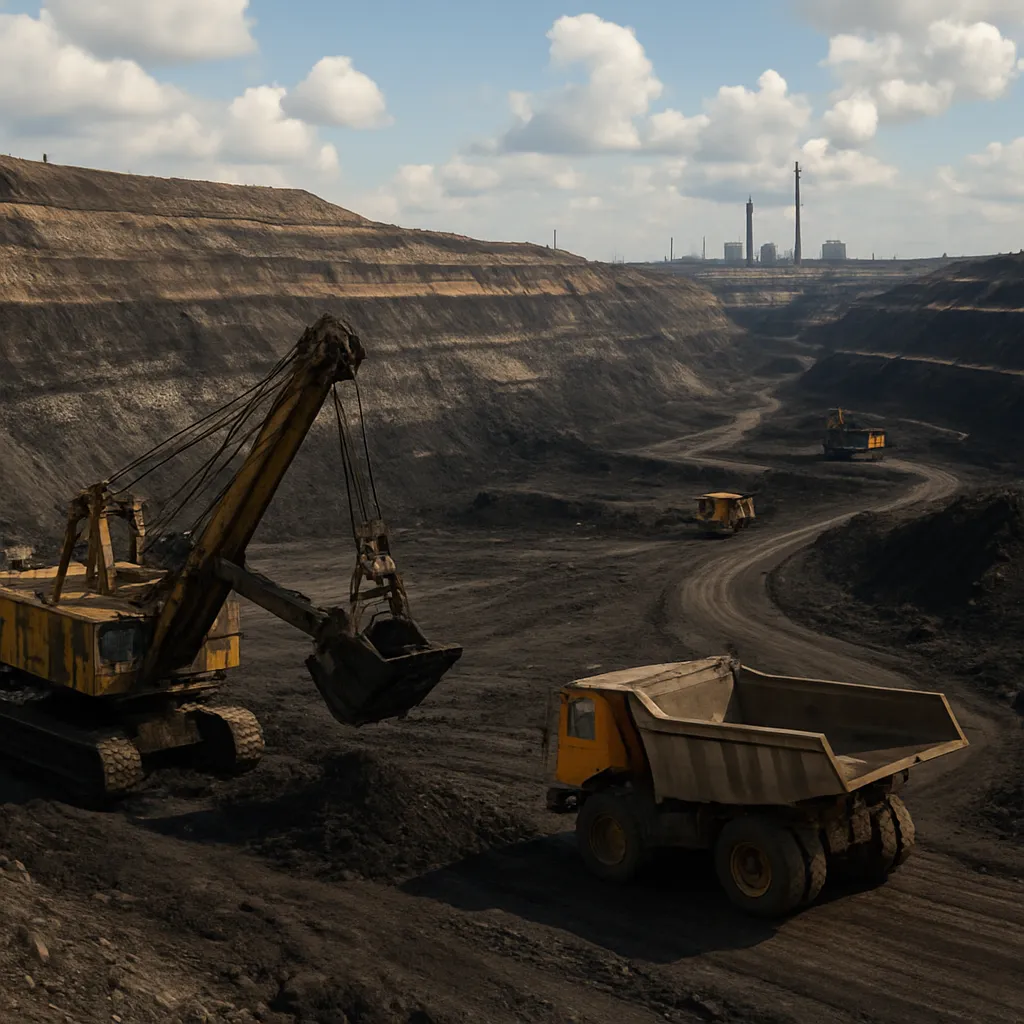
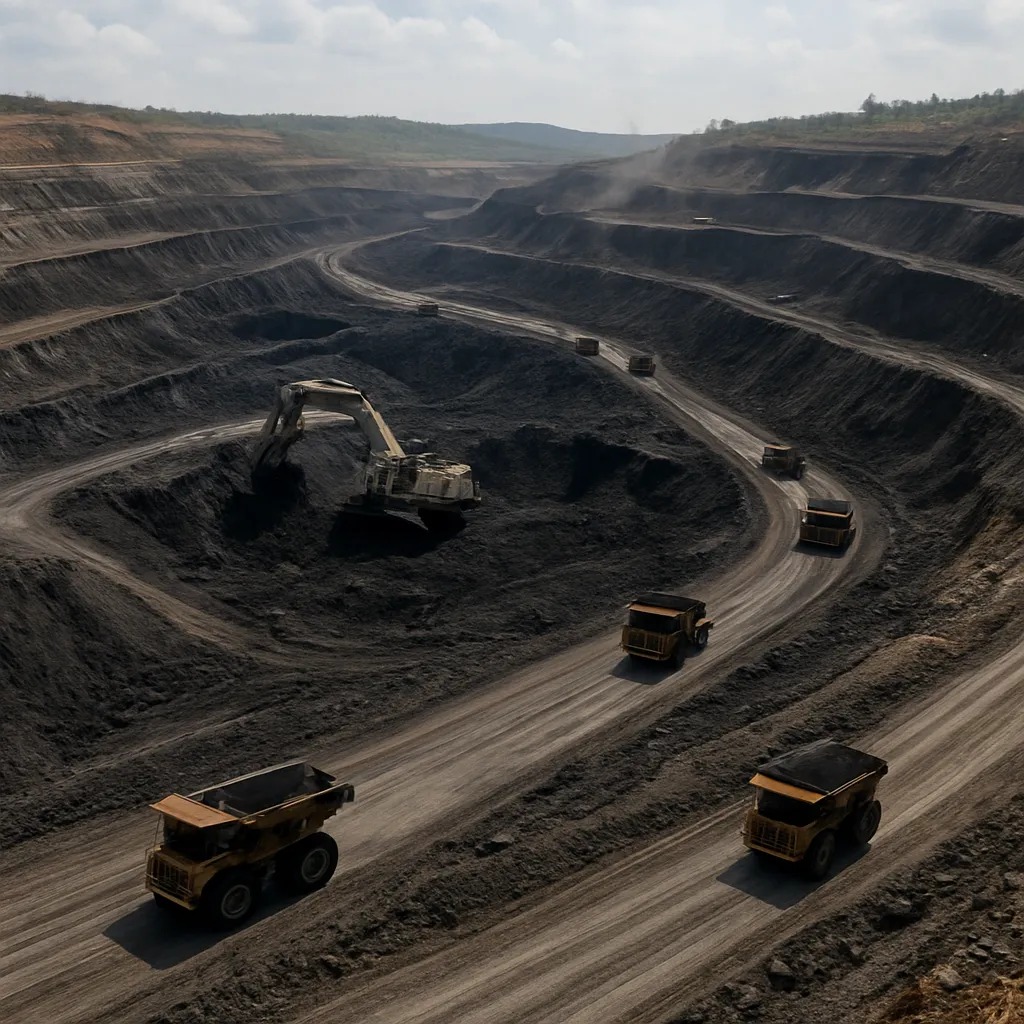
The Brule Mine name appears in Canadian coal-mining records in several regional contexts, and it commonly denotes a coal-producing site associated with sedimentary coal seams named “Brule” or localities called Brule/Brûlé. This article examines Brule Mine as a representative Canadian coal operation: its location and geology, the types of coal recovered, the mining and processing methods used, the economic and statistical context, and its broader significance for industry, communities and the environment. Where specific public figures for a particular Brule site are unavailable or vary by source, the discussion places the mine within the verified trends and data of Canadian coal mining in the early 21st century.
Location and geological setting
The term Brule is used across Canadian provinces (Ontario, Quebec, New Brunswick, Nova Scotia and western provinces) as a place name and for stratigraphic units. Many coal occurrences given the Brule name are found where sedimentary basins host Carboniferous to Tertiary-aged coal seams. A typical “Brule Mine” in Canada is located in a region characterized by layered sedimentary rocks, often within a coal-bearing basin that has been subject to exploration and development for both metallurgical and thermal coal.
Geological characteristics
Coal seams associated with Brule-named localities generally show properties consistent with bituminous to sub-bituminous coal ranks, depending on depth, burial history and thermal maturation. In basins on the western side of Canada — such as parts of Alberta and British Columbia — coal tends to be higher-rank (bituminous and coking grades in some valleys), while in eastern basins (Nova Scotia, New Brunswick) seams may be lower-rank (bituminous to sub-bituminous or even semi-anthracitic in localized areas).
Typical geological features relevant to mines named Brule include:
- Multiple coal seams separated by sandstone, shale and siltstone intervals.
- Variable seam thicknesses ranging from thin (<0.5 m) to economically mineable intervals (>1.5–3 m).
- Structural controls such as gentle folding or faulting that influence seam continuity and the choice between open-pit and underground mining.
- Proximity to surface water and aquifers, which affects dewatering and environmental management.
What is mined at Brule Mine — coal types and quality
The coal produced at operations bearing the Brule name typically falls into one of two market categories: metallurgical (coking) coal used in steelmaking, and thermal coal used for power generation and industrial heating. The exact distribution depends on the local coal rank and depositional history.
Metallurgical coal
Where Brule seams have undergone sufficient coalification, they can produce coking coal suitable for blast-furnace steelmaking or for use in coke ovens. Characteristics of metallurgical coal include high carbon content, low ash and appropriate volatile matter for coke formation. In western Canadian deposits, metallurgical grades are especially significant because of the global demand for coking coal in Asia (notably China, Japan, South Korea).
Thermal coal
Lower-rank Brule coals are often used for electricity generation domestically or sold into regional markets. Thermal coal grades from Brule-type seams tend to have higher moisture and volatiles, and they often require washing to reduce ash and sulfur before being acceptable to utilities.
Quality control and preparation
Modern Brule-style mines typically incorporate a coal preparation plant (coal washery) that employs gravity separation, flotation and screening to produce marketable product grades. Key quality parameters monitored include calorific value (kcal/kg or MJ/kg), volatile matter, fixed carbon, ash content and sulfur. These parameters determine marketability, price, and the need for further processing.
Mining methods, infrastructure and workforce
Operations at Brule-type sites use methods chosen for geology, seam depth and environmental considerations. The two primary methods are open-pit (surface) mining and underground mining, each with distinct capital, operational, and environmental profiles.
Open-pit mining
Open-pit mining is favored when seams are relatively near the surface and continuous. Benefits include:
- Lower operating cost per tonne mined compared with deep underground workings.
- Higher productivity and simpler logistics for hauling and processing.
- Ability to handle large resource volumes and to scale operations quickly.
Open-pit operations entail operations such as drilling and blasting, large-scale excavation using shovels and haul trucks, and progressive reclamation of disturbed areas.
Underground mining
In circumstances where seams dip steeply, are thick at depth, or surface impacts must be minimized, underground methods (room-and-pillar, longwall) are used. Underground operations typically have higher labour intensity, greater safety management requirements, and specific ventilation and subsidence monitoring responsibilities.
Infrastructure and logistics
Brule mines rely on an integrated logistics chain: access roads, processing plants, rail or truck transport to domestic power plants or export terminals, and port facilities for international shipments. Proximity to railways and ports markedly improves the competitiveness of a Brule operation, reducing freight costs for exports.
Workforce and economic footprint
Employment at a Brule operation spans miners, engineers, geologists, environmental specialists, plant operators and administrative staff. A mid-sized open-pit Brule operation can employ several hundred workers directly, with additional employment created through contractors and local supply chains, affecting the regional economy through wages, procurement and municipal taxes.
Economic and statistical context
Pinpointing exact production, revenue and royalty numbers for any specific Brule-branded mine depends on the individual site’s ownership, production history and reporting practices. However, Brule operations should be understood within the broader context of Canadian coal industry statistics and trends.
Canadian coal industry overview
Canada is a significant global coal producer and exporter, notable for high-quality metallurgical coal from British Columbia and thermal coal from western provinces. In the early 2020s, Canada’s annual coal production was on the order of tens of millions of tonnes, with a substantial share exported to overseas markets. Industry revenues and provincial royalties contribute materially to local economies where mines operate.
Typical production metrics
For a Brule-type mine, typical production and economic metrics to consider include:
- Annual production: ranges from several hundred thousand tonnes for small operations to multiple millions of tonnes for large open-pit mines.
- Recovery and yield: dependent on coal seam continuity and washery performance; product yields after cleaning typically range from 50% to 80% of run-of-mine tonnage for many seam types.
- Costs: operating cost per tonne can vary widely — influenced by mining method, seam thickness, strip ratio (for open-pit), and distance to markets.
- Revenue drivers: commodity price (coking vs thermal coal), product quality, and transport costs to port or domestic customers.
Royalties, taxation and local benefits
Provincial governments in Canada levy royalties on coal production; rates depend on the jurisdiction and specific lease terms. Mining companies also pay corporate taxes, municipal property taxes, and often negotiate benefits agreements with local and Indigenous communities. These payments fund public services and infrastructure and represent an important source of regional government revenue.
Market significance and trade
Brule-type mines contribute to both domestic energy security and export markets. Key market roles include:
- Supplying metallurgical coal to steel producers — a strategic input for steelmaking worldwide.
- Providing thermal coal for domestic power generation where coal-fired plants remain in operation.
- Supporting ancillary industries: haulage, rail, ports, equipment suppliers and metallurgical processing.
Export orientation is common for coking coal producers, which often ship to Asian steelmakers. Thermal coal operations may serve domestic utilities or regional customers where rail access and port economics permit.
Environmental management, reclamation and regulation
Modern Brule operations operate under strict environmental regulatory frameworks at federal and provincial levels. Environmental oversight covers air emissions, water quality, tailings and waste management, habitat protection and progressive reclamation. Key focus areas include:
- Water management: controlling runoff, treating contact water, and protecting groundwater and surface water bodies.
- Air quality: minimizing dust and emissions from equipment and coal processing.
- Tailings and waste rock handling: ensuring stability and preventing acid generation (acid rock drainage) where pyritic material is present.
- Progressive reclamation: restoring landforms, re-establishing vegetation, and supporting post-mining land uses (forestry, agriculture, wetlands).
In many Brule-associated regions, companies enter into formal agreements regarding environmental performance, monitoring and community engagement. The emphasis on sustainability has led mines to invest in technologies to reduce emissions, increase efficiency, and enhance water recycling.
Community relations, Indigenous partnerships and social license
Brule mines operate within landscapes inhabited by communities and Indigenous Peoples. Building and maintaining a social license to operate involves:
- Consultation and negotiation with Indigenous nations and local residents.
- Employment and training programs targeted to local workforces.
- Community investment in infrastructure, education and health services.
- Agreements on environmental stewardship, heritage protection and participation in monitoring.
Successful projects emphasize early engagement, transparent benefit-sharing, and co-management of environmental monitoring. In many cases, Indigenous equity participation and employment targets are negotiated as part of project approvals.
Technological trends and innovations
Brule-type mines incorporate technology to increase productivity and reduce environmental footprints. Notable trends include:
- Automation of haulage and processing equipment to improve safety and reduce unit costs.
- Advanced washery technologies that improve recovery and reduce waste volumes.
- Emission control systems and electrification of mine fleets to lower greenhouse gas footprints.
- Digital mine planning tools for geotechnical monitoring, optimization of strip ratios and enhanced resource modelling.
Innovation is motivated by commodity price pressures, regulatory expectations and corporate commitments to decarbonization and environmental stewardship.
Historical perspective and future outlook
Historically, coal from Canadian mines — including those identified as Brule in archival and geological literature — has been central to regional industrial development, supplying local power stations, railways and steelmaking capacity. Over recent decades, global market dynamics, environmental policy and competition from other regions have influenced the viability and operation of many coal sites.
Looking forward, the fate of Brule-style coal operations will be shaped by several intersecting forces:
- Global demand for steel and coking coal, which supports high-quality metallurgical producers.
- Domestic energy policy and climate objectives that influence the demand for thermal coal.
- Technological improvements lowering production costs and environmental impacts.
- Regulatory frameworks and community expectations emphasizing reclamation and low-impact operations.
Producers that can maintain high product quality, manage costs and demonstrate strong environmental and social performance are more likely to remain competitive in export markets and retain social license domestically.
Statistical snapshot and illustrative figures
Specific, up-to-date statistics for a particular Brule mine depend on company reporting and provincial disclosures. As an illustrative guide, coal mines in Canada typically report:
- Production metrics (annual tonnes of run-of-mine and product tonnes).
- Product specifications (calorific value, ash, sulfur, moisture, and coking properties for metallurgical coal).
- Employment numbers (direct employees and contractors).
- Economic contributions (royalties paid, local procurement figures, and capital expenditures).
For context, in recent years Canadian coal production on a national scale has been characterized by multi-million-tonne annual outputs, with the metallurgical coal sector being a major export earner. Provincial royalty regimes and company financial statements provide the most reliable site-level economic data; therefore, anyone seeking precise figures for a specific Brule site should consult the mine operator’s annual reports or the relevant provincial mining ministry.
Interesting facts and lesser-known aspects
Some notable points about Brule-labeled coal sites and coal mining in similar Canadian contexts:
- Cultural and historic: Many Brule place names reflect local Indigenous languages or French explorers; coal-bearing ridges named Brule have contributed to regional settlement patterns.
- Stratigraphic complexity: Brule coal seams can exhibit high variability over short distances, making detailed geological mapping crucial for mine planning.
- Reclamation possibilities: Former coal pits have been successfully converted into lakes, recreation areas and wildlife habitat with careful planning.
- Export dynamics: Even relatively small mines can play a pivotal role if they produce high-grade metallurgical coal that commands premium prices in global markets.
Conclusions
Brule Mine—whether referring to a specific operation or to several sites sharing the Brule name—illustrates many of the defining features of Canadian coal mining: geological diversity, range of coal qualities from thermal to metallurgical, significant economic contributions to local and provincial economies, and strong regulatory oversight focused on environmental protection and community engagement. While site-specific statistics and production figures are best obtained from company disclosures and provincial records, the broader trends underscore the continuing importance of coal in certain industrial segments (notably steelmaking) and the need for responsible, technologically advanced mining practices to meet modern environmental and social expectations.