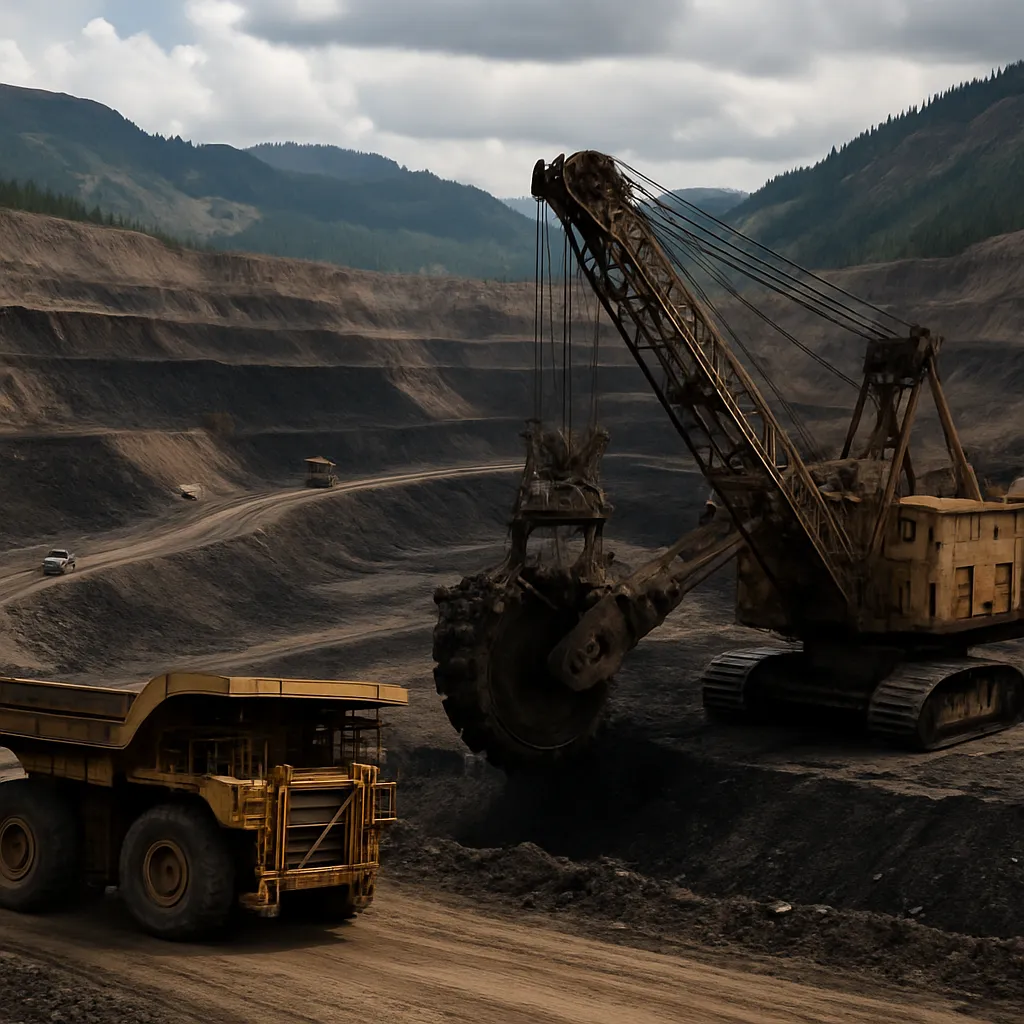
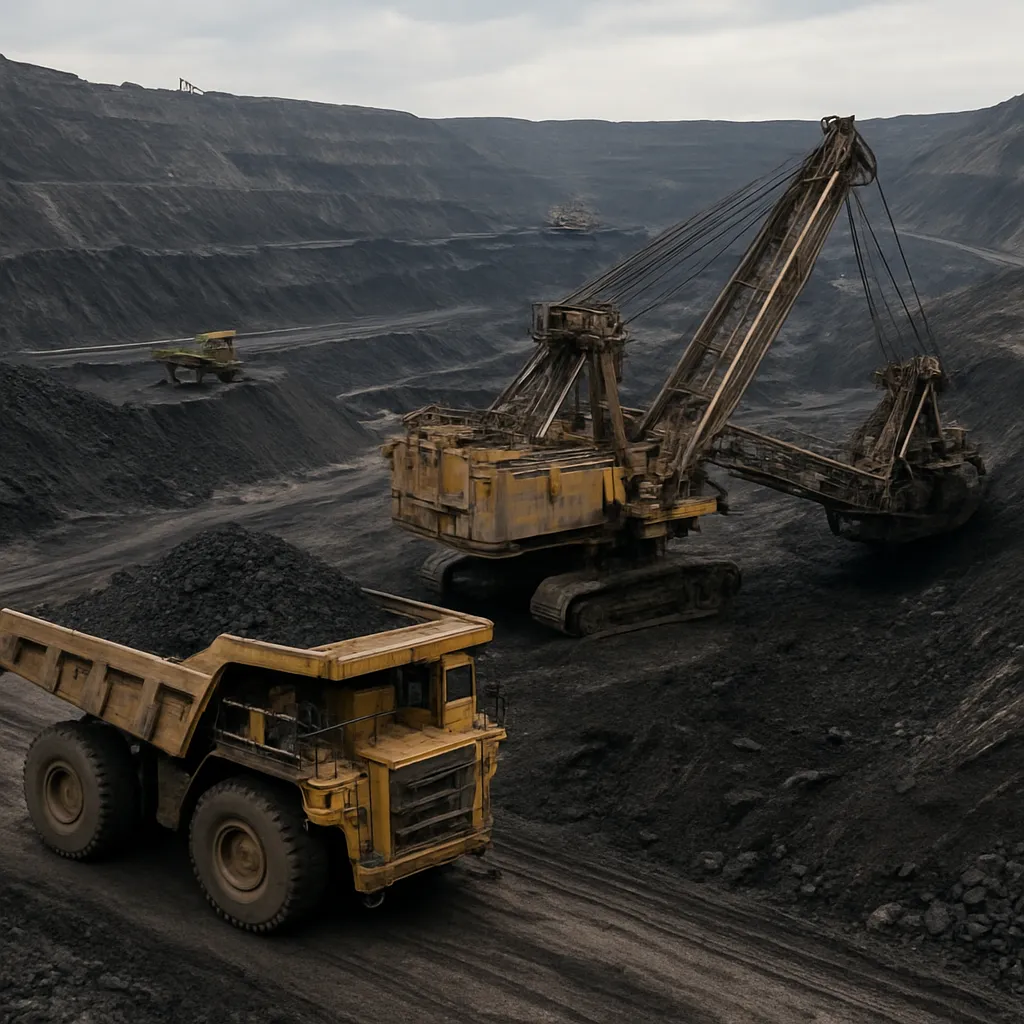
The Bontang Coal Mine (as commonly referred to in literature and trade) encompasses the coal extraction, handling and export activities centered on and around the city of Bontang, on the eastern coast of the Indonesian portion of the island of Borneo (Kalimantan). While Bontang is internationally best known for its large liquefied natural gas and fertilizer complexes, the surrounding region plays an important role in the country’s coal value chain as a shipping and logistics hub. This article explores the location and geology, the type of coal and mining practices, the economic and industrial significance, the infrastructure that supports coal flows, environmental and social implications, and the likely future trajectory for coal-related activities in the Bontang area.
Location and geological context
Bontang is a coastal city in the province of East Kalimantan, located on Indonesia’s side of Borneo. Its position on the Makassar Strait gives it strategic access to international shipping lanes. The city and its adjacent coastal waters have historically hosted major energy installations (notably LNG plants and fertilizer factories). Coal production itself is concentrated inland across East Kalimantan and adjacent provinces, but many coal flows are routed via coastal terminals and transshipment points associated with the Bontang area.
Regional geology and coal formation
The broader East Kalimantan region sits on extensive Tertiary sedimentary basins that are the source of most Indonesian coal. Coal deposits formed from ancient peat swamps that accumulated in fluvial to deltaic environments and were later buried and partially coalified. The coal beds in this part of Kalimantan are typically found at relatively shallow depths and are accessible by surface mining methods over wide areas.
How Bontang fits into the basin system
Bontang is not typically the site of the deepest or largest contiguous coal seams—those are found in areas such as Sangatta, Berau and Kutai. Instead Bontang’s role is largely logistical: coal from inland pits and river terminals is often barged or railed to coastal loading points near Bontang for consolidation and export. This positioning amplifies the city’s regional importance despite limited large-scale underground coal mines within the immediate municipal boundaries.
Coal characteristics and mining methods
The coal that reaches Bontang for export or domestic use is predominantly thermal coal intended for power generation and industrial heat. Characteristics commonly observed in East Kalimantan coals include:
- Low- to medium-rank quality (sub-bituminous to high-volatile bituminous in some seams)
- Relatively high moisture content compared with higher-ranked coals
- Calorific values typically in the broad range of about 3,500–6,500 kcal/kg for many Indonesian coals (quality varies by seam and washery treatment)
- Variable ash and sulfur contents—many Indonesian coals have moderate ash and low-to-moderate sulfur
Because of these characteristics, much of the coal handled through Bontang is directed at thermal power plants in Asia where blending and combustion management are used to accommodate the fuel’s qualities.
Common mining techniques feeding Bontang terminals
Most coal produced in East Kalimantan is extracted by open-pit (surface) mining. Large-scale open pits, truck-and-shovel fleets, and conveyor systems are typical. After mining, coal frequently passes through simple processing plants or washeries to remove some impurities and adjust size fractions prior to barge or rail transport. Short-haul barging along rivers, coastal transshipment, and dedicated conveyor-to-jetty arrangements are all part of the logistics chain that brings coal to Bontang’s loading facilities.
Economic, industrial and statistical perspective
The energy and minerals sector, including coal, forms a pillar of economic activity in Kalimantan. While Bontang’s industrial identity is dominated by LNG and fertilizer complexes, the coal trade contributes significantly to local and provincial economies through job creation, port activity, ship services, and associated supply chains.
National and regional context
Indonesia is one of the world’s largest coal exporters, and East Kalimantan is among the most prolific producing provinces. Coal revenues are a substantial component of export earnings for the country and a major source of fiscal transfers to provincial and local governments through royalties, taxes and joint venture revenues. Even where direct mining within Bontang’s municipal borders is limited, the city benefits economically as a node for processing, shipping and maritime services.
Employment and local economic linkages
- Direct employment: crew and workers in coal terminals, warehouses, and barge operations.
- Indirect employment: logistics providers, maintenance, marine services, and ancillary local businesses (hotels, retail, food services).
- Government revenue: export-related fees, port charges, and royalty flows (dependent on upstream producers and central-provincial fiscal sharing).
These linkages support regional livelihoods, but the scale varies with commodity prices and international demand.
Trade flows and export markets
Coal handled through Bontang and nearby terminals is principally destined for regional markets in China, India, Japan, South Korea, Taiwan, and Southeast Asian neighbors, depending on price, calorific requirement and contractual relationships. Trade volumes can fluctuate strongly with global demand for thermal coal, seasonal requirements for electricity generation, and shifts to alternative fuels.
Statistical notes and caveats
Precise production and throughput figures specifically labeled “Bontang Coal Mine” are not always separately reported in national statistics, because much reporting is aggregated at provincial or company levels. However, some general, well-established facts are:
- Indonesia exports hundreds of millions of tonnes of coal annually; in recent years those exports have been among the largest worldwide.
- East Kalimantan is a major contributor to national coal output and export volumes.
- Coal export volumes and related terminal throughput are sensitive to price cycles, domestic policy changes (such as minimum domestic market obligations), and global energy transition trends.
For site-specific figures—tonnage through a particular jetty or mine—company annual reports, port authorities and provincial energy agencies are the primary reliable sources.
Infrastructure and logistics around Bontang
Bontang’s value to the coal industry lies in its maritime and industrial infrastructure. Key components include:
- Shallow-draft loading facilities and jetties suited to barges and small to medium bulk carriers
- Storage yards, stockpiles and simple processing or blending facilities near port areas
- River barge networks and short rail links from inland mines to coastal consolidation points
- Ship repair, bunkering and maritime service providers that support bulk carrier movements
The existing energy infrastructure (LNG and fertilizer plants) also provides a skilled industrial workforce and logistics capacity that complement coal handling, creating synergies in transport, safety management and industrial services.
Transshipment and environmental controls
Where draft limitations prevent large bulk carriers from entering shallow coastal waters, coal is often transshipped via smaller vessels or barged to deepwater terminals. This increases logistical complexity and requires additional handling, which has implications for costs, dust control and spillage management. Modern terminal operations attempt to mitigate dust and runoff through covered conveyors, water sprays and lined stockpiles, but implementation varies by operator.
Environmental and social considerations
The coal sector in the Bontang area and across Kalimantan raises a spectrum of environmental and social issues that attract scrutiny from regulators, communities and civil society. Important themes include:
Land conversion and biodiversity
Open-pit coal mining and associated infrastructure can cause land use change, contribute to deforestation, and fragment habitats. Kalimantan is home to high biodiversity and ecosystems that are sensitive to disturbance. Responsible operations include progressive rehabilitation, biodiversity offsets and careful route planning for access roads and conveyors.
Water, air quality and health
Mining and coal handling produce dust that can affect air quality, and runoff can carry fine particulates into rivers and coastal waters, affecting fisheries and drinking water sources. Community health impacts include respiratory conditions linked to poor dust control. Many terminal operators employ dust suppression, lined drainage, and settling ponds to reduce these impacts.
Social impacts and livelihoods
Coal development creates jobs and business opportunities, but it can also generate conflict over land rights, displacement, and changes to traditional livelihoods (such as fishing or small-scale agriculture). Effective community engagement, fair compensation, local hiring and development programs are critical to mitigating social tensions.
Climate considerations
Coal combustion is a major source of greenhouse gas emissions. As global and national climate policies evolve, the role of thermal coal faces increasing pressure. Indonesia has begun to frame long-term energy transition goals; the speed and character of this transition will influence Bontang’s coal-related future.
Regulatory and policy environment
Indonesia’s regulatory framework for mining, environmental protection and port operations governs how coal is produced, transported and exported. Key policy levers affecting coal flows include:
- Mining permits and environmental impact assessment (EIA) requirements
- Royalty and taxation regimes for coal extraction
- Domestic Market Obligation (DMO) policies that require certain volumes of coal to be sold domestically
- Port and maritime safety standards
- Land reclamation and mine closure obligations
National and provincial authorities, working with private companies, implement these rules. Enforcement capacity, transparency of permitting and consistency of policy affect investor confidence and environmental outcomes.
Future outlook: markets, modernization and transition
The near- to medium-term prospects for coal-related activity in and around Bontang depend on several interacting factors:
Market demand and price dynamics
Demand for thermal coal in major Asian markets will continue to determine export flows. While long-term structural declines are anticipated in some markets as they decarbonize, in the medium term coal may retain significant demand for grid stability and baseload needs in developing countries.
Infrastructure modernization and efficiency gains
Improvements in terminal handling, dust control, and hinterland transport can reduce losses, improve safety and lower environmental footprints. Investment in deeper-water jetties or improved rail/barging systems could change the cost profile and tonnages routed via Bontang.
Energy transition and diversification
As global energy systems shift, Bontang’s industrial base offers pathways for diversification because it already hosts heavy industry (LNG, fertilizer). Policies that encourage retraining, renewable energy deployment, and industrial conversion will shape local economies. Transition scenarios range from sustained coal export activity for another decade or more, to gradual decline offset by growth in alternative industrial activities.
Interesting facts and operational nuances
- Bontang’s port functions as a multipurpose industrial gateway—handling not just coal but also LNG-related shipments, fertilizer feedstocks and general cargo.
- Coal handled in the area is frequently blended to meet customer specifications: washery and blending operations are key to matching calorific value and ash targets.
- Smaller ports and barging operations remain vital for inland mine connectivity, meaning that port services, tug operators and barge owners are essential links in the supply chain.
- Seasonal weather (monsoon-related rainfall) affects river transport and can influence the timing of shipments, stockpile management and transshipment operations.
Conclusions and key takeaways
The Bontang area is an important industrial and logistical hub for energy commodities in East Kalimantan. Although the name “Bontang Coal Mine” can sometimes be used to denote coal handling and export activity centered on the municipal area, most of the proven coal reserves and large open-pit mines lie further inland across East Kalimantan’s basins. The coal that flows through Bontang is predominantly thermal coal of low-to-medium rank, destined for regional power markets.
The significance of coal in Bontang’s economy derives not only from tonnages handled but also from the supporting industrial ecosystem—ports, shipping services, and workforce. At the same time, environmental, social and climate-related pressures are shaping how coal operations are regulated and managed. Future prospects will depend on global demand trends, national policy choices, and local initiatives to modernize infrastructure and diversify the industrial base.
For site-specific throughput numbers, company-level production statistics and detailed geological surveys, consult the annual reports of operating mining companies, the provincial energy agency of East Kalimantan, and shipping/port authorities that publish terminal throughput data. These sources provide the most granular, up-to-date figures for tonnages and economic impact assessment.