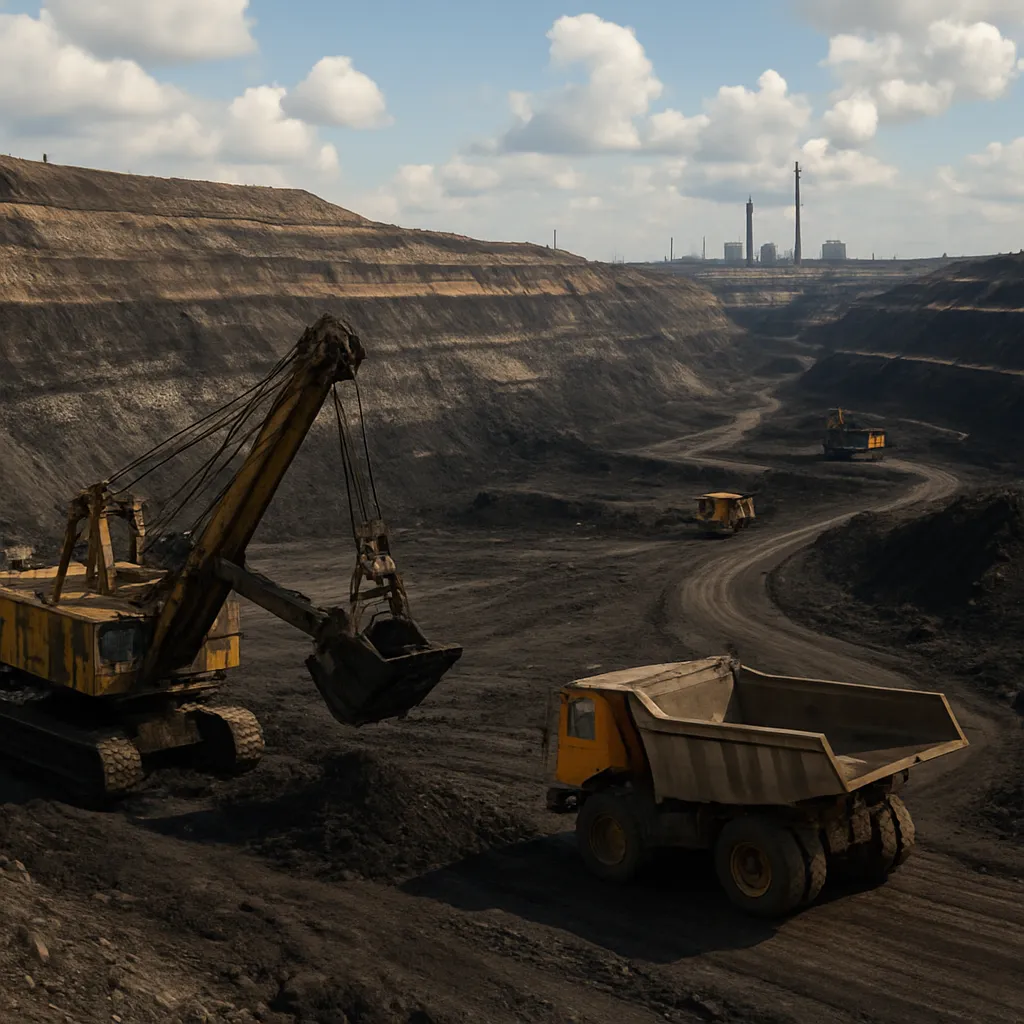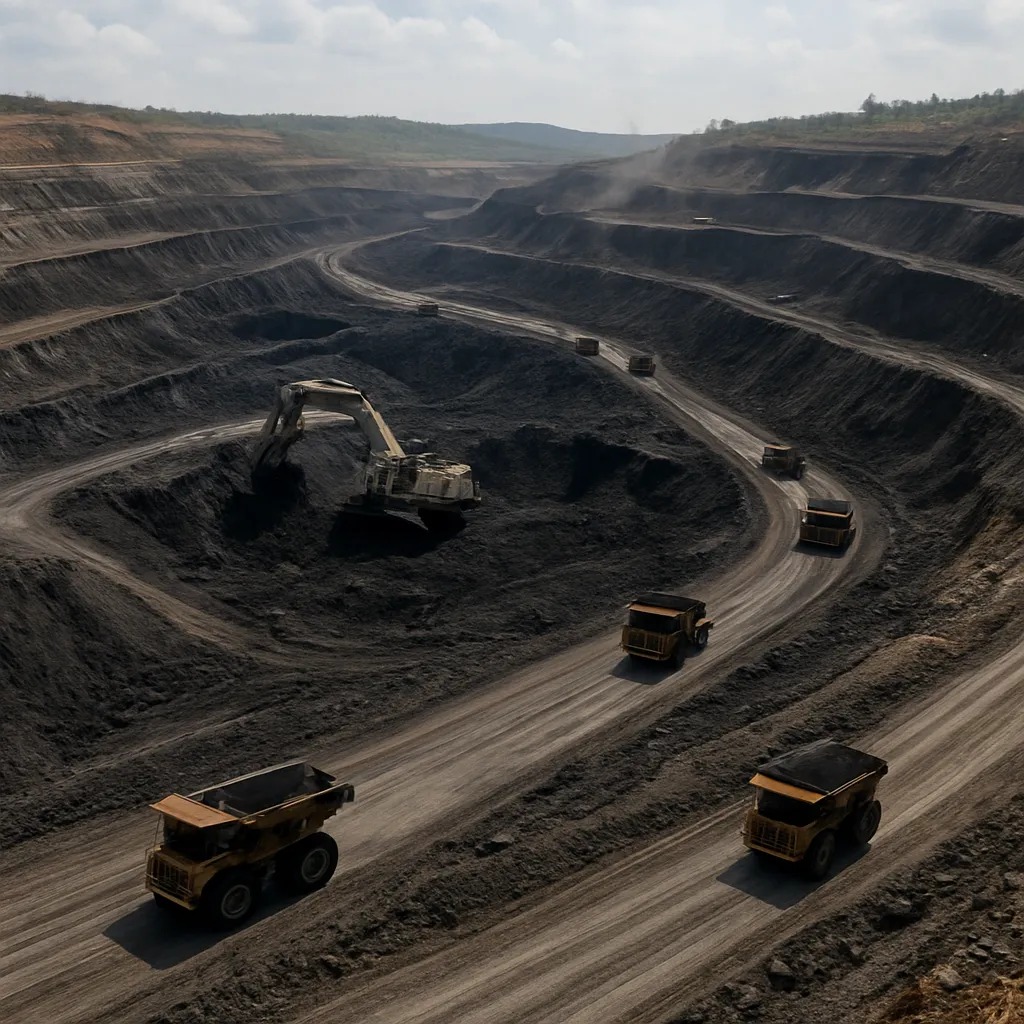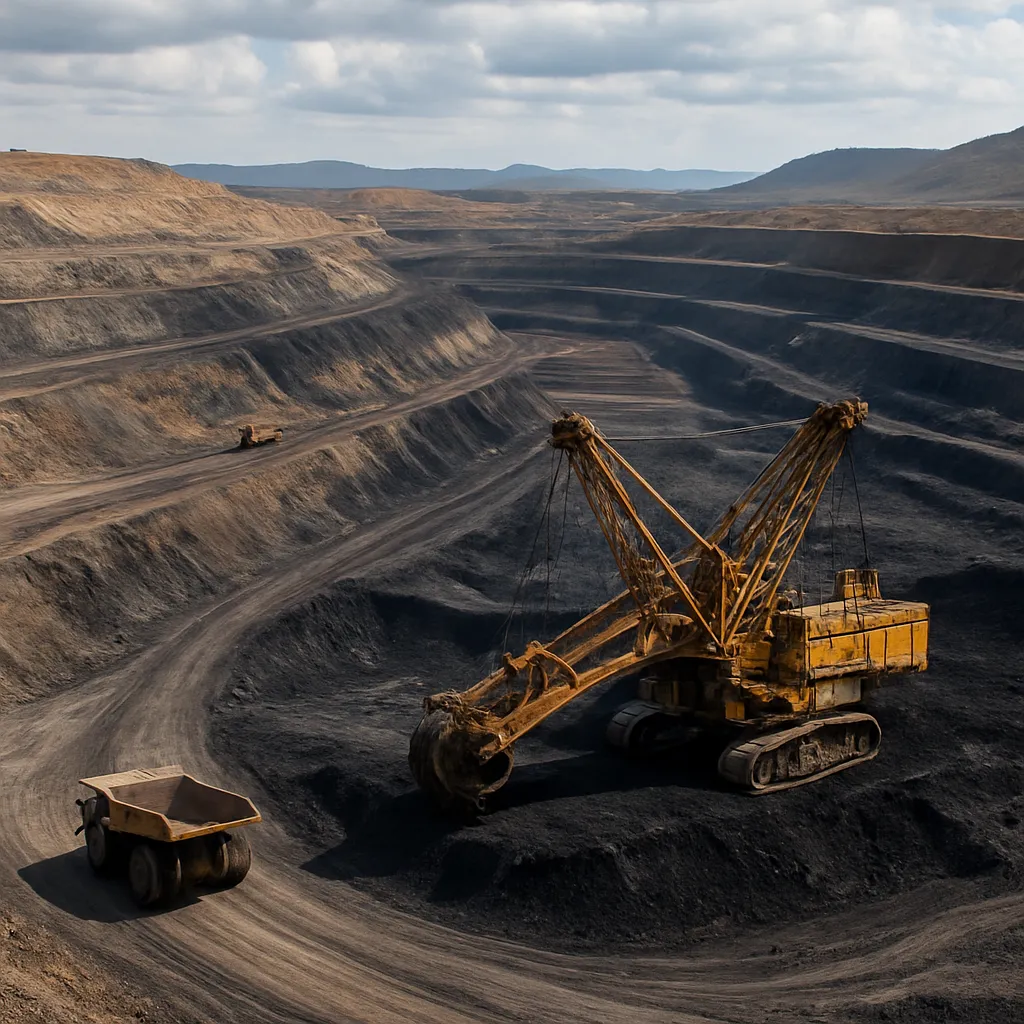
This article provides a comprehensive overview of the Arnot South Mine in South Africa. It describes the mine’s location, geological setting, the type of coal produced, mining methods, economic and social significance, environmental and regulatory context, market role and statistics where available, and potential future directions. The aim is to offer both a factual snapshot and contextual analysis for readers interested in the role of this mining operation within South Africa’s energy and mining landscape.
Location and geological context
Arnot South Mine is situated in the coal-rich region of Mpumalanga province, part of South Africa’s extensive Highveld coalfields. The Highveld has been the country’s primary center for coal mining for over a century, supplying both domestic power stations and export markets. The Arnot mining complex is geographically associated with the broader Witbank/Middleburg region (now known as eMalahleni and Middelburg), an area characterized by multiple collieries, coal preparation plants and coal-fired power stations.
Geologically, the deposits worked at Arnot South are part of the Karoo Supergroup coal measures, which yield bedded, relatively thick coal seams interbedded with shales and sandstones. The coal seams in this region typically show stratification suitable for selective mining and washing. The local geology determines both the quality of the product and the choice of mining method. In general, Mpumalanga coalfields produce predominantly thermal coal, which is used for electricity generation and industrial heat.
What is mined: coal type and quality
The primary product of Arnot South Mine is coal destined primarily for power generation. Coal from this part of South Africa is typically classified as bituminous to sub-bituminous thermal coal with varying calorific values, ash content and sulfur levels. Characteristics commonly associated with coal from the Highveld region include:
- Medium to high ash content compared with international metallurgical coals
- Calorific values commonly in the range suited for utility boilers
- Moderate sulfur levels, which influence emissions control requirements
- Seams thick enough to permit both underground and surface mining methods depending on overburden
Coal from Arnot South is primarily used in domestic power generation, servicing nearby thermal power stations and contributing to the national electricity supply. Depending on wash plant performance and market demands, some of the product can be directed to export markets where thermal coal is used by utilities overseas.
Mining methods and operations
The selection of mining method at Arnot South reflects seam depth, thickness, geotechnical conditions and economic considerations. In the region, both opencast (surface) and underground techniques are commonly employed:
- Opencast mining: used where seams are shallow and overburden removal is economically feasible; offers higher productivity and simpler mechanization
- Underground mining: methods such as bord-and-pillar or longwall are used where seams lie deeper or where surface disturbance must be minimized
Modern operations emphasize mechanization, continuous miners, heavy earthmoving fleets, and sophisticated haulage systems to sustain production efficiency. Coal is typically processed through coal preparation plants (washers) to reduce ash and impurities, improving calorific value and marketability. The mine infrastructure includes stockyards, conveyors, loading facilities for road or rail, and on-site maintenance and safety installations.
Economic importance and contribution
Arnot South Mine plays a role in the regional and national economies through several channels:
- Supply to power generation: by providing feedstock for coal-fired power stations, the mine supports electricity generation critical to industry and households.
- Employment: mining operations create direct jobs in extraction, processing and maintenance as well as indirect jobs in services, transport and local commerce.
- Fiscal contributions: royalties, taxes, and fees paid to local and national governments support public budgets.
- Local procurement and infrastructure: mines often support local suppliers, community projects and roads, contributing to regional development.
In South Africa, coal remains central to the economy: historically it has powered industry and supplied a large portion of the country’s electricity. While national shifts toward diversification of energy sources are underway, coal mines such as Arnot South continue to contribute to energy security and employment in Mpumalanga.
Statistics and market role
Precise production and reserve figures for Arnot South Mine depend on company reporting and periodic mine resource audits. Publicly available data on smaller individual collieries can be limited; however, contextual national and regional statistics help frame the mine’s importance:
- South Africa is among the world’s top coal producers, with annual production typically measured in the hundreds of millions of tonnes. The Mpumalanga province accounts for the lion’s share of that output.
- Regional mines supply both domestic power stations and coal export terminals on the east coast; rail logistics to ports such as Richards Bay are critical for export flows.
- Arnot South’s production contributes to the overall volume of thermal coal used by utilities; depending on tonnage, a single medium-sized colliery can supply several million tonnes per year or smaller incremental quantities measured in hundreds of thousands of tonnes.
For readers seeking exact numbers—annual tonnage produced, proven and probable reserves, or workforce size for Arnot South—company annual reports, South African Mineral Resources and Energy publications, and regional statistical releases are the recommended primary sources. Where available, these documents offer audited figures and year-on-year changes.
Social impact and employment
Coal mines have historically been important employers in Mpumalanga, and Arnot South is no exception. Employment impacts include:
- Direct jobs in mining, processing, engineering and administration
- Indirect employment in transport, equipment supply, hospitality and retail
- Skills development initiatives, often involving apprenticeships, on-site training and partnerships with technical colleges
- Community investment programs focusing on health, education and local enterprise development
While mining jobs provide livelihoods, the industry faces challenges related to cyclical commodity prices, mechanization reducing labor intensity, and the need for just transitions as energy systems evolve. Mines and governments increasingly dialogue on reskilling programs and economic diversification for mining towns to mitigate future job losses.
Environmental management and regulation
Coal mining carries environmental responsibilities and regulatory obligations at every stage. Key concerns and mitigation measures relevant to Arnot South include:
- Water management: preventing acid mine drainage, controlling runoff, and ensuring responsible use of freshwater in processing
- Air quality and dust control: emissions management for particulate matter and combustion-related pollutants
- Land rehabilitation: progressive reclamation of disturbed areas, soil replacement, and revegetation to restore ecosystems or enable alternative land uses
- Waste management: handling coal fines, tailings and overburden in engineered containment facilities
- Compliance with South African environmental laws and permitting processes, including environmental impact assessments and ongoing monitoring
Increasingly, mines adopt best-practice environmental and social governance (ESG) standards, integrating community consultation, biodiversity protection and transparent reporting. Investors and buyers also scrutinize the environmental footprint of coal producers, influencing operational decisions.
Logistics, infrastructure and market linkages
Efficient transport and processing infrastructure are fundamental to the viability of a mine like Arnot South. Typical logistical components include:
- Access to rail lines for bulk coal transport to power stations or export harbors
- Road access for short-haul deliveries and workforce commuting
- On-site crushers, conveyors and wash plants to produce market-specified coal grades
- Proximity to customers—especially coal-fired power stations—reduces transport costs and supply risk
Rail capacity constraints and port throughput can be limiting factors for South African coal exports. Consequently, mines frequently coordinate with national rail authorities and port operators to align production schedules and avoid bottlenecks.
Economic challenges and market dynamics
Coal markets are influenced by international demand, freight costs, exchange rates, and domestic policy. For Arnot South and similar operations, notable considerations include:
- Domestic demand volatility: electricity demand growth or decline affects off-take agreements with utilities.
- Export competition: global thermal coal prices fluctuate with Asian demand (notably India and Southeast Asia).
- Regulatory pressure and carbon pricing: policies to curb greenhouse gas emissions can influence long-term coal demand.
- Operational cost pressures: fuel, labor, and maintenance costs can compress margins, making efficiency and wash plant yield critical.
Mines must manage these dynamics through flexible contracts, cost control, and market diversification, while also planning for possible long-term shifts away from coal in some markets.
Future outlook and strategic considerations
The medium-term future of Arnot South Mine will be shaped by several converging trends:
- Energy transition planning: gradual decarbonization strategies globally and domestically may reduce thermal coal demand over decades, creating an imperative for mines to plan for phased transitions.
- Technological advancements: automation, digitalization and improved processing technologies can enhance recovery rates, reduce costs and increase safety.
- Community and workforce transitions: investments in retraining and economic diversification in coal-dependent regions will be crucial for social stability.
- Environmental remediation: long-term rehabilitation liabilities must be budgeted and progressively executed to meet regulatory and community expectations.
Strategically, mines that can improve coal quality, reduce environmental impacts and secure long-term offtake agreements are best positioned to remain viable while adapting to an evolving energy landscape.
Interesting facts and contextual notes
Beyond its operational profile, Arnot South’s significance can be appreciated through contextual facts:
- The Mpumalanga coalfields, where Arnot South is located, are some of the most intensively mined in South Africa and underpin much of the country’s electricity generation.
- Coal from the Highveld region has powered South Africa’s industrialization for decades, making mines strategically important beyond their immediate economic footprint.
- The industry’s movement toward improved sustainability practices has increased transparency around water use, emissions and rehabilitation planning.
- Partnerships between mines, government and communities are increasingly common to tackle local development and ensure the distribution of mining benefits.
Where to find authoritative data
For precise and up-to-date statistics about Arnot South Mine—such as annual production tonnage, proven and probable reserves, workforce size, and environmental performance—consult:
- Company annual reports and investor presentations (if the operator publicly lists detailed mine-level information)
- South African Department of Mineral Resources and Energy publications and mine registries
- Industry bodies such as the Minerals Council South Africa
- Local environmental impact assessments and municipal reports for community and regulatory details
These primary sources provide audited figures, production trends and official statements on employment and environmental compliance.
Conclusion
Arnot South Mine is a representative example of a Mpumalanga coal operation that contributes to South Africa’s energy supply, regional employment and economic activity. It operates within the geological setting of the Highveld coalfields, producing primarily thermal coal used for power generation. The mine’s future will be influenced by market dynamics, technological change, environmental requirements and broader energy transition policies. Continued attention to efficient operations, reserves management, community engagement and environmental mitigation will shape its long-term role in the region.