This article examines the market, geology, production and uses of boiler coal — the category of thermal coal most commonly burned in boilers for space heating, district heat and industrial steam generation. It covers what boiler coal is, where it is found and produced, its economic and statistical importance, quality characteristics, environmental and health implications, and trends shaping its future. The goal is to give a comprehensive, fact-based overview useful for industry professionals, students and readers interested in fuels and energy transitions.
What is boiler coal and how is it classified?
Boiler coal is a practical, rather than strictly geological, classification referring to types of coal used primarily for combustion in boilers and furnaces. It typically includes lower-ranked coals used in thermal applications — bituminous, sub-bituminous and lignite — depending on local supply and boiler design. Boiler coal is selected for factors such as calorific content, moisture, ash content, sulfur content, volatile matter and physical size (suitable for stokers, chain grate or pulverized fuel systems).
Key quality attributes for boiler coal:
- Calorific value (gross as-received basis): approximately 8–30 MJ/kg, with common domestic boiler coals often in the 15–22 MJ/kg range.
- Moisture content: higher in lignite (often 30–60%) and lower in bituminous coals (5–15%).
- Ash content: varies widely — typical boiler coal ash ranges from 5% to 30% by mass; high ash increases handling costs and reduces energy per tonne.
- Sulfur: low-sulfur coals (<1% S) are preferred for reduced SO2 emissions, but many commercial boiler coals contain 0.5–3% sulfur.
- Size and grindability: household boiler coal is often supplied as lumps or small “stoker” sizes; industrial boilers may require pulverized coal with specific hardness and grindability indices.
Geological occurrence and major mining regions
Coal forms from ancient plant material deposited in peat bogs and coastal wetlands, later buried and transformed over geological time. The geographic distribution of exploitable coal seams is global but concentrated where past geological conditions favored large peat accumulations.
Major coal-producing regions that supply boiler coal include:
- China — the world’s largest producer and consumer of coal, with extensive deposits across northern and western provinces. China supplies most of its own boiler and power coal demand through domestic mines.
- India — large thermal coal reserves in eastern and central India; domestic coal supports power generation and industrial boilers, though India also imports certain grades.
- Indonesia — a major exporter of lower-grade sub-bituminous thermal coal (used in power stations and boilers abroad), especially to Asian markets.
- Australia — major exporter of both thermal and metallurgical coal; Australian thermal coal is important for international boiler and power markets.
- United States — production is diverse, with Appalachian bituminous coals, Powder River Basin sub-bituminous coals, and western lignites serving both domestic and export needs.
- Russia, South Africa, Colombia, Kazakhstan — significant producers and exporters that supply thermal coal to neighboring countries and global markets.
In addition to these international suppliers, many countries rely on local district heating and household coal markets fed by small mines or stockpiles. In Central and Eastern Europe, for example, domestic boiler coal (often high-ash and high-moisture types) remains in use in rural and municipal heating systems, though usage is declining under environmental pressure.
Mining, processing and supply chain for boiler coal
The supply chain for boiler coal encompasses extraction, preparation, transportation and final delivery to end users. Mining methods include underground (room-and-pillar, longwall) and surface (open-pit, strip) techniques. Surface mining dominates where shallow seams exist, while underground mining is used for deeper deposits.
Preparation steps that affect boiler coal performance:
- Crushing and screening to produce appropriate size fractions (lump coal, nut, pea, or fine).
- Washing and coal preparation plants that remove rock and impurities; washing can reduce ash and sulfur but increases costs.
- Blending different coals to achieve target calorific value and emissions characteristics.
Transportation is a major cost driver: coal is moved by truck, rail, barge and ocean-going vessels. In international trade, shipping and port handling account for a large fraction of delivered cost. Domestic boiler coal markets may rely on shorter transport chains but often face high logistics costs for small-scale deliveries.
Economic and market aspects
Boiler coal occupies an important niche in the thermal fuel market. Demand drivers include electricity generation (where coals are used in power station boilers), industrial steam production (cement, paper, chemicals) and residential or municipal heating. Historically, coal was a low-cost, widely available fuel; its price competitiveness relative to natural gas, oil and renewables determines market share.
Market characteristics and recent trends:
- Price volatility: thermal coal markets have experienced significant price swings in the 2010s and early 2020s due to supply disruptions, weather events, economic recovery cycles and policy changes. Prices can spike during high-demand periods or when major exporters restrict shipments.
- Trade flows: a few countries dominate exports (notably Australia, Indonesia, Russia, the United States and Colombia), while the largest importers include China, India, Japan, South Korea and Taiwan. Southeast Asian and European markets also import thermal coal for power and heating.
- Domestic markets: in many countries boiler coal is a local commodity. For households, prices and availability can vary seasonally, and black markets or informal sellers may operate where regulations are weak.
- Environmental regulation and carbon pricing: carbon taxes, emissions trading systems and stricter air quality rules increase the operating costs of coal-fired boilers and make alternatives (gas, biomass, electrification) more attractive economically.
Statistical picture: production, consumption and trade (approximate figures)
Exact annual figures vary by source and year, but broad scale estimates (as of the early 2020s) help place boiler coal in context:
- Global coal production is on the order of several billion tonnes per year. According to major energy agencies, total world coal production in recent years has been roughly between 7 and 8.5 billion tonnes annually (all ranks combined), with thermal coal representing a majority of production.
- China produces well over one-third of global coal; Indian production is the second-largest for domestic thermal use. Exports are concentrated in a handful of countries — Australia and Indonesia together account for a very large share of international thermal coal shipments.
- Global trade in thermal coal typically totals several hundred million tonnes per year. Seaborne thermal coal trade is a useful proxy for boiler-coal flows between countries because much boiler coal for distant markets moves by ship.
- In OECD countries, coal consumption for electricity and heating has declined in many jurisdictions due to fuel switching and emissions policies, but in non-OECD markets demand has often continued to grow or remained stable.
Because “boiler coal” overlaps with broader categories of thermal coal and small-scale domestic fuels, exact disaggregation is uncommon in global datasets. National statistics and industry reports provide the best detail for particular markets.
Industrial and household uses
Boiler coal is used at several scales:
- Large power station boilers — utilize pulverized coal or large lump coal to produce electricity; quality requirements are strict to avoid boiler fouling and corrosion.
- Industrial boilers — cement, chemical plants, paper mills and food processing often use coal-fired steam boilers; blends and additives may be used to meet process needs.
- District heating systems — municipal boilers can run on coal in some regions, supplying heat to apartment blocks and public buildings.
- Residential boilers and stoves — in many parts of the world, especially rural areas, household coal boilers and stoves remain common; this use is typically the least efficient and most polluting per unit of heat delivered.
Performance considerations for each use include combustion efficiency, ash handling requirements, emissions control and maintenance costs. Small coal-burning boilers often lack modern emissions controls such as electrostatic precipitators or flue gas desulfurization, leading to higher local air pollution.
Environmental, health and regulatory issues
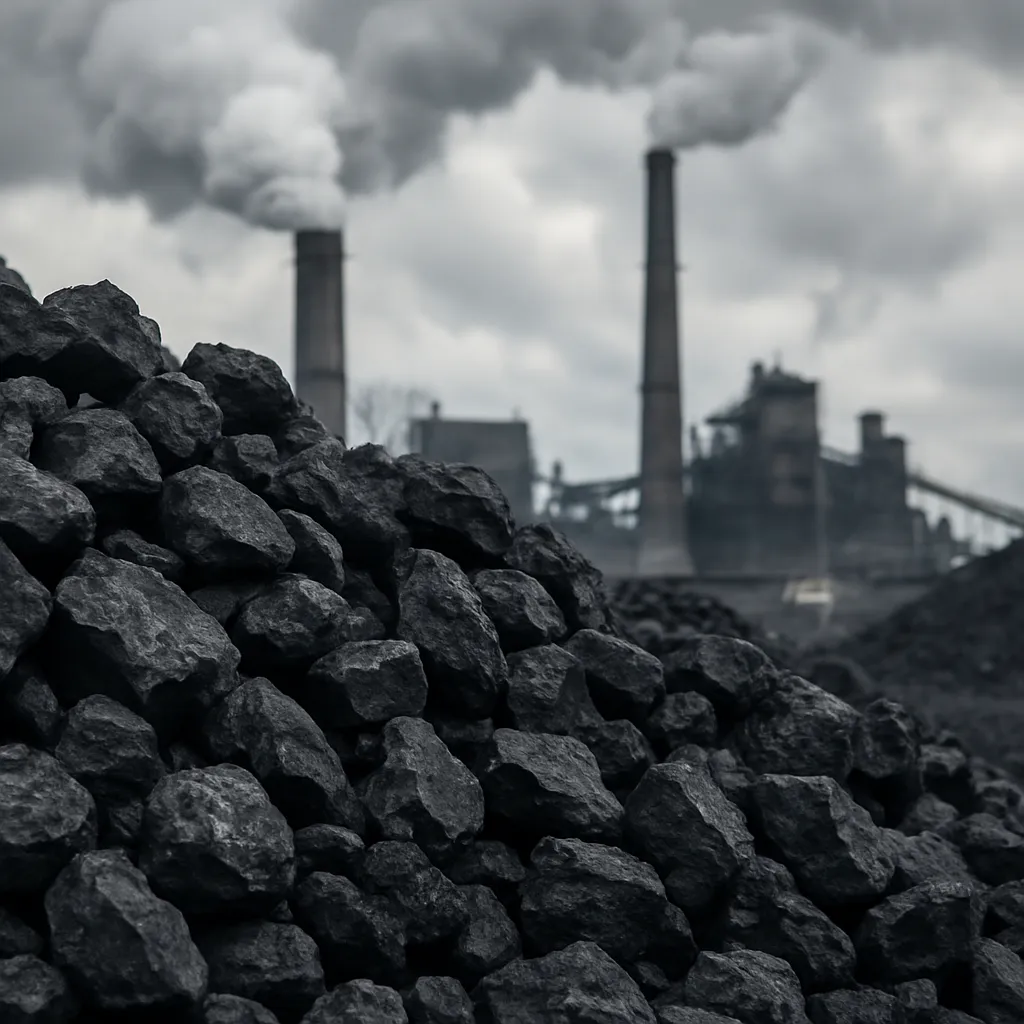
Burning coal in boilers produces carbon dioxide (CO2), sulfur oxides (SOx), nitrogen oxides (NOx), particulate matter (PM) and trace metals (mercury, arsenic). Health impacts — particularly from fine particulate matter (PM2.5) — are significant where coal is used domestically or in small, uncontrolled boilers. Black carbon from coal smoke also contributes to near-term warming and regional climate effects.
Regulatory responses include:
- Emission limits for SO2, NOx and particulate matter in many countries, applied more strictly for large boilers and power plants than for small household devices.
- Phase-out policies and incentives to switch to natural gas, district heat from cleaner sources, heat pumps and electrification for building heating.
- Support for coal cleaning and technology upgrades where coal use persists (e.g., flue gas desulfurization, baghouse filters, improved combustion efficiency).
- Carbon pricing or emissions trading schemes in some jurisdictions that increase the operating cost of coal-fired boilers relative to lower-carbon options.
Despite regulatory pressures, coal remains entrenched where alternatives are costly, infrastructure is lacking or domestic coal reserves provide energy security advantages.
Quality control, standards and testing
Suppliers and buyers of boiler coal commonly use standardized tests to ensure fuel suitability:
- Proximate analysis: moisture, ash, volatile matter and fixed carbon.
- Ultimate analysis: carbon, hydrogen, nitrogen, sulfur and oxygen contents.
- Calorific value: gross and net heating values measured in MJ/kg or kcal/kg.
- Hardgrove Grindability Index (HGI) for pulverized coal applications.
- Density and specific energy per shipment (e.g., tonnes per cubic meter) to plan logistics.
Contractual specifications for boiler coal often include maximum ash and sulfur percentages, minimum calorific value and allowed particle size, along with sampling and testing procedures to resolve disputes.
Health and social impacts
Use of low-quality boiler coal for domestic heating has documented health consequences. Indoor and neighborhood pollution from smoky stoves increases respiratory and cardiovascular disease risk, particularly affecting children and the elderly. Socially, households using coal may face higher maintenance burdens (cleaning ash, dealing with soot) and fire safety risks.
Transition programs in some countries pair financial assistance with appliance replacements (e.g., swapping coal stoves for gas or electric heat), reducing health burdens while cutting carbon emissions.
Technological improvements and mitigation measures
Where coal use continues, several technologies can mitigate environmental impact:
- Coal washing and beneficiation reduce ash and sulfur before combustion.
- High-efficiency boilers and automated combustion control increase thermal efficiency, lowering fuel use and emissions per unit of heat.
- End-of-pipe controls — particulate filters, electrostatic precipitators and flue gas desulfurization — cut air pollutant emissions but are costly and seldom applied to small boilers.
- Co-firing with biomass or using blended fuels can reduce net CO2 emissions in some industrial settings.
Trends and future outlook
Global trends affecting boiler coal demand include:
- Decarbonization policies and the growth of renewables and natural gas are reducing coal use in many power markets.
- Economic growth in developing regions can sustain demand for coal-fired heat and power where cheaper alternatives are not yet affordable or available.
- Technological improvements in heating (heat pumps, district heating from waste heat and renewables) present long-term substitution pathways for coal-fired boilers.
- In the short to medium term, geopolitical events, fuel price volatility and energy security concerns may keep boiler coal relevant in certain regions.
For household boiler coal specifically, the outlook in developed markets is steady decline: stricter air quality standards and incentives for electrification are reducing demand. In contrast, parts of Asia and Eastern Europe may still rely on coal for years to come unless accelerated policy action occurs.
Interesting facts and lesser-known aspects
- “Boiler coal” as a market term can vary widely in meaning from one country to another — in some areas it denotes lump coals sold to households, while in industrial contexts it refers to specific thermal grades used in boilers.
- Some old industrial towns have extensive networks of small boiler houses feeding multiple buildings; converting these to modern heat sources can be complex due to infrastructure constraints.
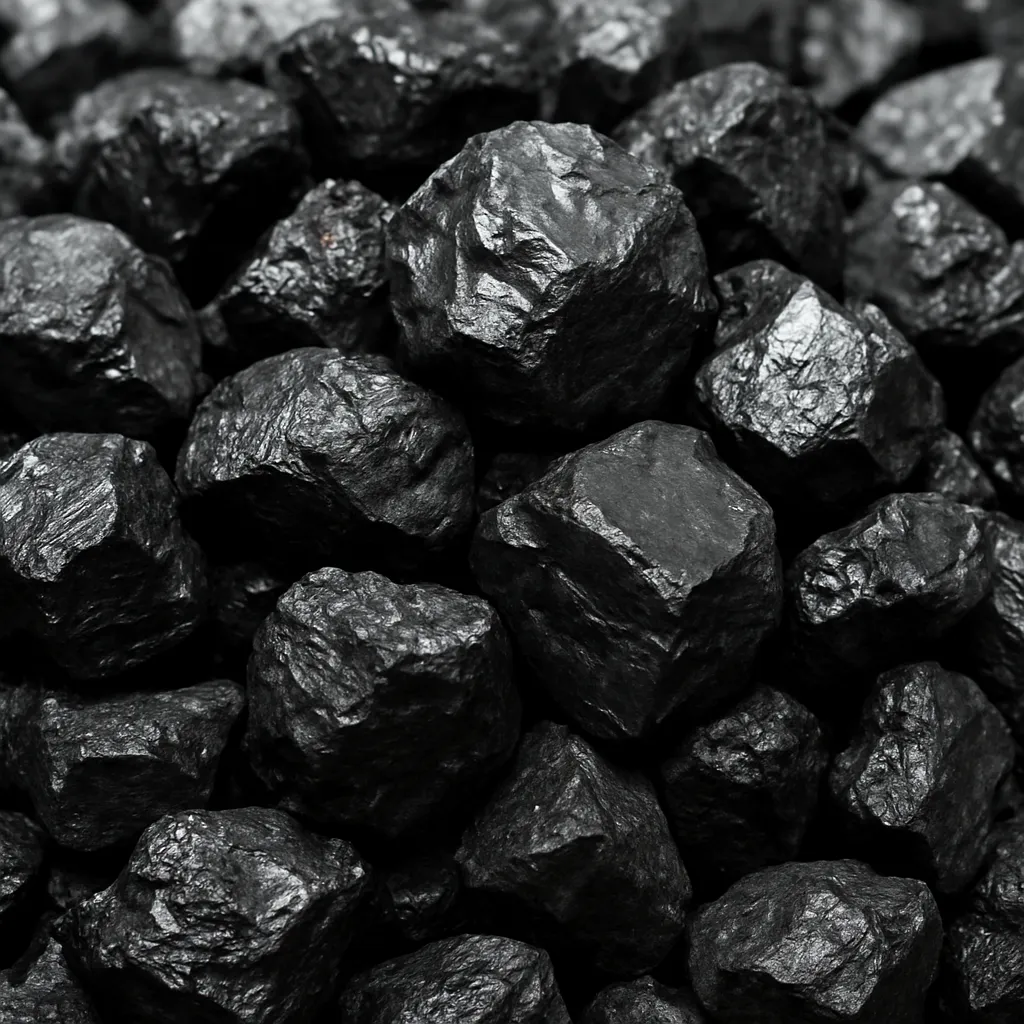
- Coal’s physical form matters: lump coal for domestic stoves behaves differently than powdered coal for industrial burners — particle size affects combustion efficiency and emissions.
- In many markets, the informal economy still trades household coal, making regulation and quality control difficult and contributing to local pollution hotspots.
- Coal’s long geological history means it often underlies other important mineral resources, so mining regions can be centers of broader extractive economies.
Practical advice for users and policymakers
For households considering boiler coal:
- Choose the cleanest available grade (lower ash, lower sulfur) and use properly sized fuel for your boiler to reduce emissions and maintenance.
- Ensure regular boiler maintenance and consider simple retrofit options (better combustion controls, sealed flues) to lower pollutant release.
- When possible, plan a transition path to cleaner heating — gas, biomass certified pellets, district heating or electric heat pumps — factoring in lifecycle costs and local incentives.
For policymakers:
- Targeted subsidies and appliance-exchange programs can reduce household coal use and improve public health outcomes.
- Regulatory approaches that combine stricter air quality standards with support for fuel switching and infrastructure upgrades achieve better results than bans alone.
- Data collection on small-scale coal use is essential to design effective interventions: many national statistics undervalue household and informal coal markets.
Conclusion
Boiler coal remains a significant component of the global energy mix where inexpensive local coal and legacy infrastructure support its continued use. It plays a vital role in industrial steam production and in heating millions of homes, especially outside the OECD. However, its environmental and health impacts, plus global decarbonization trends and alternative technologies, put downward pressure on future demand. Policy choices, economic factors and technological deployment will determine how fast boiler coal declines and how its legacy systems are managed to protect public health and climate goals.