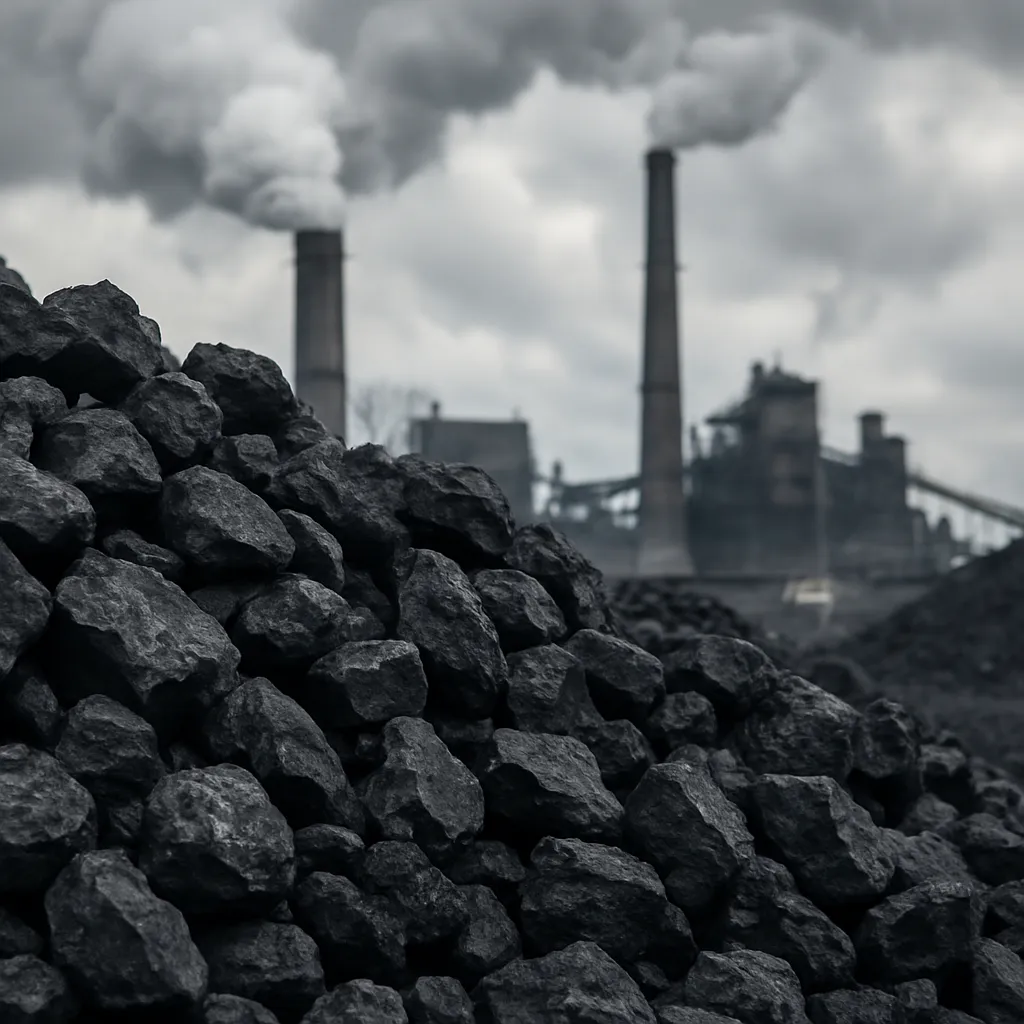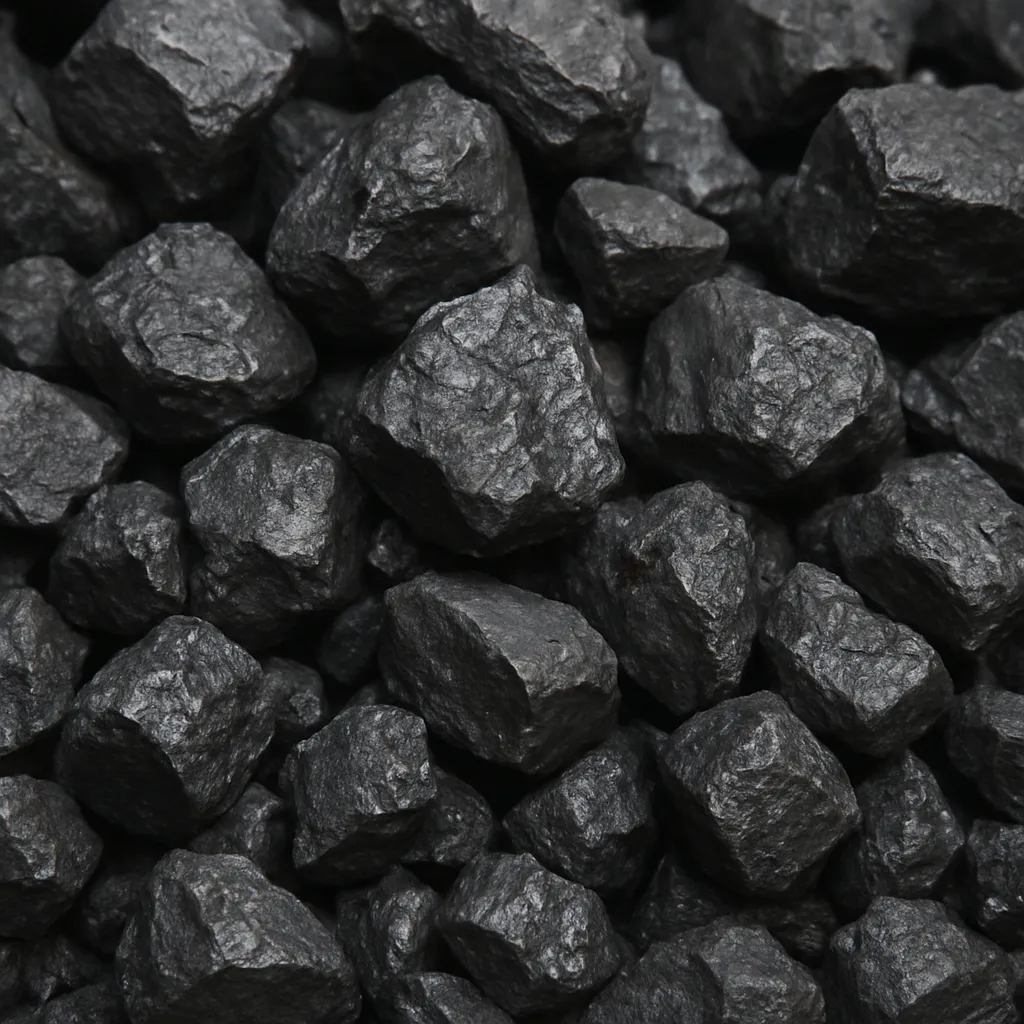
Kiln coal is a specific category of coal optimised for use in industrial kilns and furnaces. It plays a central role in several manufacturing sectors — most notably brick and ceramic production, lime and cement kilns, and various calcination processes — where predictable heat output and reliable combustion behavior are essential. This article examines the nature, sources, economic role, statistics, industrial importance, environmental implications, and future directions related to kiln coal.
Nature, properties and classification of kiln coal
Kiln coal is not a separate geological coal type, but rather a commercial grade selected for certain thermal and chemical properties that suit heating in kilns. Manufacturers choose kiln coal based on calorific value, size distribution, ash and sulfur contents, moisture level, and volatile-matter characteristics. The final product is typically prepared to a specified size (lumps, nut, or crushed coal) that fits the feed and combustion system of a kiln.
Key technical parameters
- Calorific value: Determines the energy delivered per unit mass. Kiln coal grades are selected to provide a steady heat flow appropriate to the kiln type.
- Ash content: Low ash is favored to reduce deposit formation, carryover, and the need for ash handling in sensitive manufacturing processes.
- Sulfur content: Lower sulfur minimizes corrosion, product contamination, and SO2 emissions that can damage kiln linings and finished products.
- Moisture: Low moisture improves combustion efficiency and reduces the effective cost of fuel.
- Size and friability: Proper size distribution ensures predictable burn rates and minimizes dust losses or uneven firing.
Depending on local availability, kiln coal may be sourced from various ranks of coal — from sub-bituminous through bituminous to anthracite — each giving different warmth, flame characteristics, and by-product profiles. In many bricks-and-ceramics industries, bituminous coals are commonly used because they offer a balance of high calorific value and manageable volatile behavior.
Geographic occurrence and major sources
Coal is distributed worldwide and is mined on nearly every continent. The suitability of specific coal seams for kiln use depends on their chemical and physical properties. Regions with long histories of industrial coal use have developed dedicated grades and supply chains that supply kiln coal to nearby ceramic, cement, and lime factories.
Major producing regions relevant to kiln coal
- China: The largest global coal producer and consumer; numerous local grades serve domestic kiln-based industries such as brick and ceramics.
- India: A major coal producer with a large informal and formal brick-making sector that relies heavily on domestic coal for kilns.
- United States and Russia: Significant producers of various coal grades used in industrial heating and specialised applications.
- Australia and Indonesia: Major exporters of thermal coals; parts of their exported supply are used in kiln applications globally.
- Africa, Southeast Asia and Latin America: Many countries with local coal deposits supply kiln coal to regional industries, often with variations in quality and consistency.
Because kiln operation often occurs near raw-material sources (clay pits, limestone quarries), kiln coal sourcing tends to follow regional logistics patterns. In many developing markets the coal used in small-scale or traditional kilns is locally mined or purchased at informal markets, which affects quality consistency and emissions control.
Mining methods and supply chain for kiln coal
Kiln coal is produced using the same mining methods as other coals: open-pit (surface) mining, and underground mining (longwall, room-and-pillar). Post-extraction processing — crushing, screening, washing and blending — is frequently applied to produce the size fractions and quality required by kiln operators.
Processing and quality control
- Crushing and screening to achieve desired size classes (lump, nut, fines).
- Washing to reduce ash and sulfur where feasible.
- Blending of seams/shipments to meet specification and stabilize calorific value.
- Packaging and transport: bulk rail, truck, or barge shipments; in many artisanal contexts, coal is distributed loose by small trucks to kilns.
The economics of kiln coal depend heavily on logistics: transport cost, proximity to markets, and the availability of alternative fuels. Small kilns often lack advanced feeding systems and thus prefer coarser lumps that can be loaded manually; this drives demand for particular size specifications.
Economic and statistical overview
Coal remains a globally significant fuel despite the ongoing energy transition. While precise numbers specific to “kiln coal” are scarce because it is a commercial subdivision rather than a dedicated industry statistic, broader coal metrics illuminate the context in which kiln coal operates.
Global production and consumption
- Global coal production has been in the order of several billion tonnes annually in the 2010s and early 2020s. Production and consumption are dominated by a handful of large producers and consumers.
- China accounts for roughly half of global coal consumption and a comparable share of production, making it a decisive market for all coal grades, including kiln coal.
- Countries such as India, the United States, Indonesia, and Australia are also major players in production and trade, affecting global availability and prices.
In electricity generation, coal historically covered a large share of global power (often cited as about one-third of global electricity). In industrial heating and manufacturing, coal remains important where other fuels or electrification are not yet economically viable.
Price dynamics and market factors
Prices for kiln coal generally follow the broader thermal-coal market but are also shaped by local factors: transport costs, taxes or subsidies, and the cost of alternatives such as natural gas, heavy fuel oil, biomass, or electricity. Volatility in international coal markets — influenced by geopolitical events, trade policies, and shipping costs — can affect kiln operators, particularly those that rely on imported coal.
Employment and economic impact
The coal-to-manufacturing supply chain supports substantial employment: miners, transport workers, traders, and kiln operators. In many regions, the local brick-and-cement industries are important employers and consumers of kiln coal, generating local economic value but also creating exposure to fuel-price shocks.
Industrial uses and significance
Kiln coal is integral to several heat-intensive industries. Its predictable thermal behavior and availability make it suitable for processes that require steady, high-temperature heat over long periods.
Main industrial applications
- Brick and tile manufacturing: Brick kilns (fixed-chamber, clamp, tunnel or zig-zag kilns) historically depend on coal to reach and maintain firing temperatures necessary for sintering and vitrification of clays.
- Cement and lime kilns: Calcination requires sustained high temperatures; kiln coal is an option where gas or electricity are not feasible or economical.
- Ceramics and refractory products: Controlled firing regimes rely on coal with stable burn characteristics to produce consistent ceramic bodies and glazes.
- Metal and mineral processing: Certain drying and heat treatment steps, as well as some metallurgical processes, still use coal-based firing.
- Industrial boilers: Sugar mills, pulp and paper facilities, and other industries use kiln-grade coal in boilers for steam and process heat.
The quality of kiln coal influences product quality: uneven combustion or particles of ash can cause defects in ceramics and bricks. Therefore, industries placing high value on product uniformity typically pay premiums for well-specified coal or invest in fuel preparation systems.
Environmental, regulatory and health considerations
Use of kiln coal raises environmental and public-health issues that vary with scale, technology, and the quality of combustion control. Emissions from coal-fired kilns include particulates, sulfur oxides (SOx), nitrogen oxides (NOx), carbon monoxide (CO), volatile organic compounds (VOCs), and carbon dioxide (CO2).
Pollution and occupational health
- Traditional small-scale kilns in some regions emit high levels of smoke and particulates that affect local air quality and worker health.
- High ash or sulfur coals increase the need for pollution control measures and can contaminate products or soils with heavy metals present in ash.
Regulatory pressures and emissions control
Many countries have tightened emissions standards for industrial heating and kiln operations. Compliance drives investments in cleaner-burning equipment, baghouse filters, scrubbers, and switches to lower-sulfur or washed coals. Climate policies and carbon pricing can also change the economic calculus for kiln operators, pushing them toward fuel switching or efficiency upgrades.
Technology, efficiency and alternatives
Technological evolution affects both the demand for kiln coal and how efficiently it is used. Advances range from kiln design and process control to emissions abatement and fuel substitution.
Efficiency-improving technologies
- Improved kiln designs (continuous kilns, regenerative kilns) that recover heat and achieve more uniform firing, reducing specific fuel consumption.
- Automated burners and process-control systems that optimise combustion and reduce excess air losses.
- Waste-heat-recovery systems that capture exhaust heat for preheating feed or generating steam/electricity.
Fuel alternatives and co-firing
Many industries are experimenting with or adopting alternatives to kiln coal:
- Natural gas: cleaner combustion and lower particulate and sulfur emissions where gas infrastructure and prices allow.
- Biomass and agricultural residues: used alone or co-fired with coal to reduce net CO2 emissions, although ash chemistry and calorific value vary.
- Electric heating and induction: increasingly used in some ceramic furnaces and niche applications, subject to electricity availability and cost.
- Waste-derived fuels and processed RDF (refuse-derived fuel): possible substitutes if emissions and product contamination concerns are addressed.
Co-firing strategies and partial substitution can lower emissions while retaining the operational familiarity of coal-fired systems, but may require investment in feeding and handling infrastructure and ash-management adjustments.
Statistics, trends and market outlook
Broad trends in coal use are shaped by energy policy, economic growth, and technological change. While some economies have reduced coal use in power generation through renewables and gas, industrial uses — including kiln heating — have shown greater persistence where electrification is more challenging.
Observed trends
- Demand concentration: A large share of global coal consumption is concentrated in a few countries, which influences global trade flows and price volatility.
- Shift from large-scale power coal to specific industrial users: In some markets, reductions in power-sector coal are partially offset by steady industrial demand.
- Local substitution pressure: Rising environmental standards and carbon costs are motivating kiln operators to adopt cleaner fuels or improve efficiency.
Market risks and drivers
Key drivers shaping kiln coal demand include the pace of urbanisation and construction (which affects brick and cement demand), relative fuel prices (coal vs gas or electricity), transport costs, and regulatory frameworks governing emissions and carbon. Risks include policy-driven declines in coal use, supply disruptions, and competition from alternative fuels or building technologies that reduce the demand for fired bricks.
Case studies and regional specifics
Different regions show distinct patterns in how kiln coal is used and regulated.
South and Southeast Asia
In countries with large informal brick sectors, such as parts of South Asia and Southeast Asia, small to medium-sized kilns often use locally available coal. These kilns may lack advanced emission controls, causing significant local air-quality impacts. Efforts to modernise kiln technology and fuel use are ongoing, supported by NGOs, industry associations, and, in some cases, government programs.
China and India
Both countries combine large-scale industrial facilities with many small kilns. As regulatory pressure increases and urban construction methods evolve, some older kilns are being shut down, modernised, or fuel-switched. However, the sheer scale of industrial activity keeps kiln coal demand substantial.
Developed markets
In high-regulation settings, kiln coal use is concentrated in larger, more efficient plants where air-pollution controls and fuel-quality standards limit the lowest-quality coals. There is also a greater trend toward fuel switching and electrification where economically viable.
Interesting technical and cultural notes
- Kiln atmosphere and fuel choice: The choice of fuel can subtly affect the kiln atmosphere (oxidising vs reducing), which in turn influences the color and surface qualities of ceramics and bricks.
- Traditional fuels: In some regions, coal has coexisted with biomass and agricultural residues for centuries, and traditional firing techniques are adapted to locally available fuels.
- Product contamination: Metals and other elements in coal ash can affect glaze colors or the chemistry of ceramic bodies, leading manufacturers to be selective about coal sources.
- Material science link: The temperature profile and uniformity provided by kiln coal firing are critical to achieving desired crystalline phases in ceramics and correct hydraulic properties in lime and cement.
Conclusions and outlook
Kiln coal remains a practical and sometimes indispensable fuel for many high-temperature industrial processes, particularly where alternative energy options are limited by cost or infrastructure. Its continued use will be shaped by technical improvements (more efficient kilns, emissions controls), economic factors (fuel and transport prices), and policy pressures (air-quality and climate measures). For manufacturers, the path forward often involves optimising coal use — selecting higher-quality kiln coal when necessary, investing in process efficiency, and gradually integrating cleaner alternatives where feasible.
In sum, kiln coal occupies an important niche in industrial thermal energy: it is defined less by geology than by the specifications and operational needs of the kilns it serves. Understanding the interplay of quality parameters, logistics, economics, and regulation is essential for stakeholders who depend on this fuel or are planning transitions to cleaner heating solutions.