Education on coal and related topics equips young learners with a deeper understanding of how societies have harnessed Earth’s resources for energy, as well as the challenges of modern resource management. By exploring the geological origins, economic significance of coal stock and the environmental implications of its use, students from diverse regions develop critical perspectives on fossil fuel reliance. This article delves into four major facets: formation and classification, the role of national reserves and stockpile strategies, environmental concerns and solutions, and educational methods employed across different countries.
Coal Formation and Classification
Understanding the geological processes behind coal creation reveals the transformation of ancient plant material under pressure and heat. Over millions of years, vegetation in swampy environments became buried beneath layers of sediment. This burial initiated a complex chemical evolution where organic matter gradually expelled moisture and volatile compounds, increasing its carbon content.
Stages of Coalification
- Peat: The earliest, least mature stage rich in moisture and organic residue.
- Lignite: Brownish, soft coal with moderate carbon concentration.
- Sub-bituminous: Transitional form with higher heat value and lower moisture.
- Bituminous: Dense, black coal that dominates industrial uses due to significant calorific output.
- Anthracite: The hardest, highest-ranked type with very high carbon purity and energy yield.
These ranks determine the suitability of coal for various applications, from household heating to utility-scale power plants. The grade of coal also influences its environmental footprint, as higher-grade varieties emit fewer pollutants per unit of heat released.
Coal Reserves and Stockpiles
Global reserves of coal represent an important indicator of how long such resources might last at current consumption rates. Countries with abundant deposits often maintain strategic stockpile programs to secure domestic energy supplies against market volatility or geopolitical disruptions.
- United States: Holds one of the largest proven reserves and uses coal for around 20 percent of its electricity generation.
- China: Relies heavily on coal stockpile measures to balance rapid industrial growth with seasonal transport bottlenecks.
- India: Faces logistical hurdles in mining and distribution, leading to decentralized, smaller-scale reserve sites near power stations.
- Australia: Focuses on coal export stockpiles to stabilize global energy markets, especially in East Asia.
Efficient inventory management in coal-rich regions employs modern forecasting tools and rail or port augmentation to minimize shortages. Governments may intervene by releasing or accumulating stockpiles to mitigate price spikes, ensuring industries and households retain access to affordable energy.
Environmental Impacts and Modern Challenges
The combustion of coal remains a significant source of carbon dioxide emissions and other pollutants. Addressing these impacts requires a mix of policy interventions and advanced technologies. Key environmental issues include:
- Greenhouse Gas Emissions: Coal combustion accounts for a large share of global greenhouse gas output, fueling climate change.
- Particulate Matter: Fine particles from coal flames can lead to respiratory problems in nearby communities.
- Acid Rain: Sulfur dioxide and nitrogen oxides emitted combine with water vapor to create acid precipitation, damaging ecosystems.
Innovations aimed at cleaner usage of coal include:
Carbon Capture and Storage (CCS)
CCS technology captures CO2 emissions at the source and sequesters them underground. While expensive, CCS offers a pathway to prolonged coal use with reduced climate impact.
Flue Gas Desulfurization
Scrubbers remove sulfur compounds from exhaust streams, curbing acid rain potential. Paired with selective catalytic reduction, these systems significantly lower nitrogen oxide output.
Despite these advances, many countries face economic and technical barriers to widespread adoption. Balancing sustainability goals with energy demands remains a formidable challenge for policymakers and industry leaders.
Educational Approaches and Case Studies
Different nations integrate coal studies into school curricula using varied methods to foster student engagement and real-world connections.
- United States: Science and social studies classes include field trips to local mining sites. Interactive simulations allow students to manage virtual coal supply chains, emphasizing the link between resource extraction and energy markets.
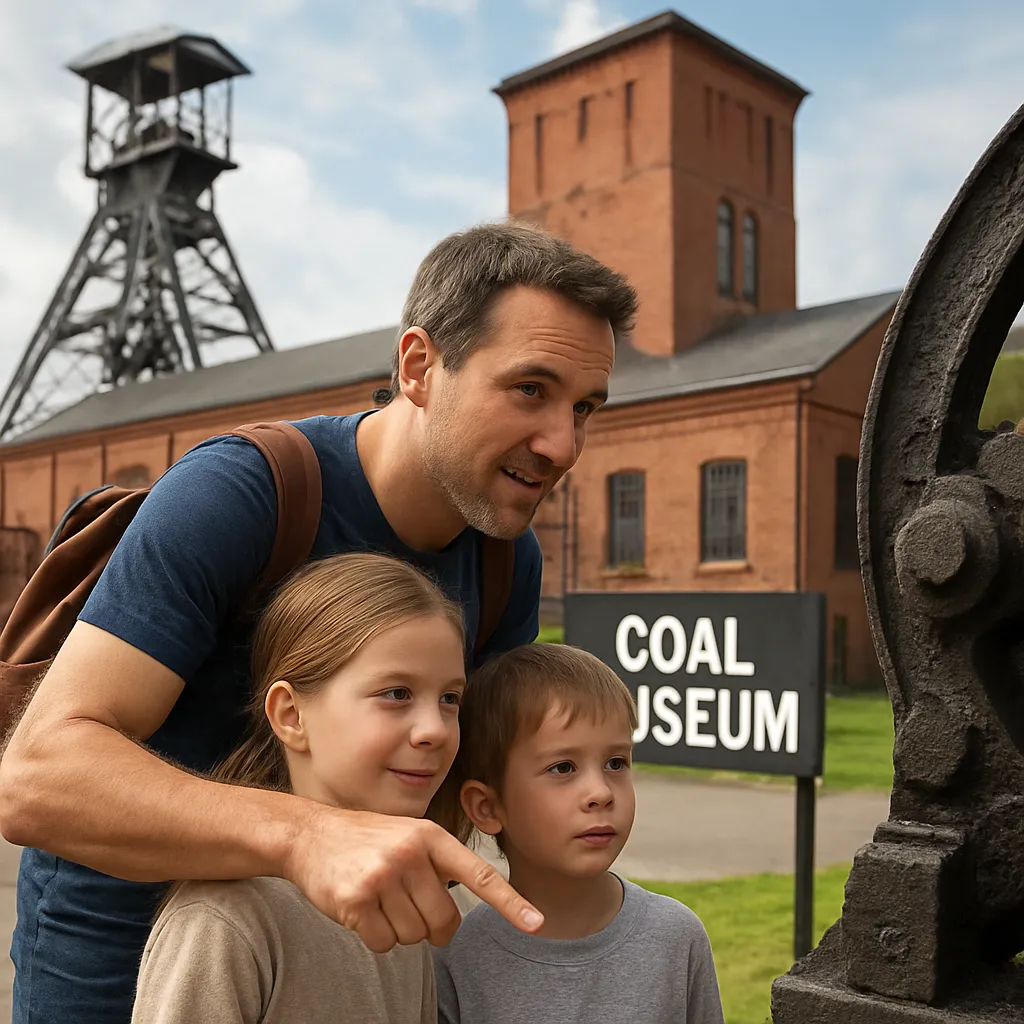
- Germany: Combines historical context with environmental science. Pupils visit decommissioned mines-turned-museums to understand the industrial legacy while working on projects analyzing emissions data and proposing green alternatives.
- China: Emphasizes national reserves and energy security. Classroom modules cover the logistics of building extensive stockpile facilities and the role of rail networks in transporting bulk commodities.
- Poland: With a long tradition of coal use, schools partner with local power plants to study flue gas treatment and CCS pilot projects. Students learn data logging techniques to monitor air quality impacts.
Across all regions, project-based learning and collaboration with industry experts helps learners appreciate the trade-offs between low-cost energy production and environmental stewardship. By exploring diverse perspectives, schoolchildren gain insights into how policy, technology and community values shape the future of coal in the global energy mix.