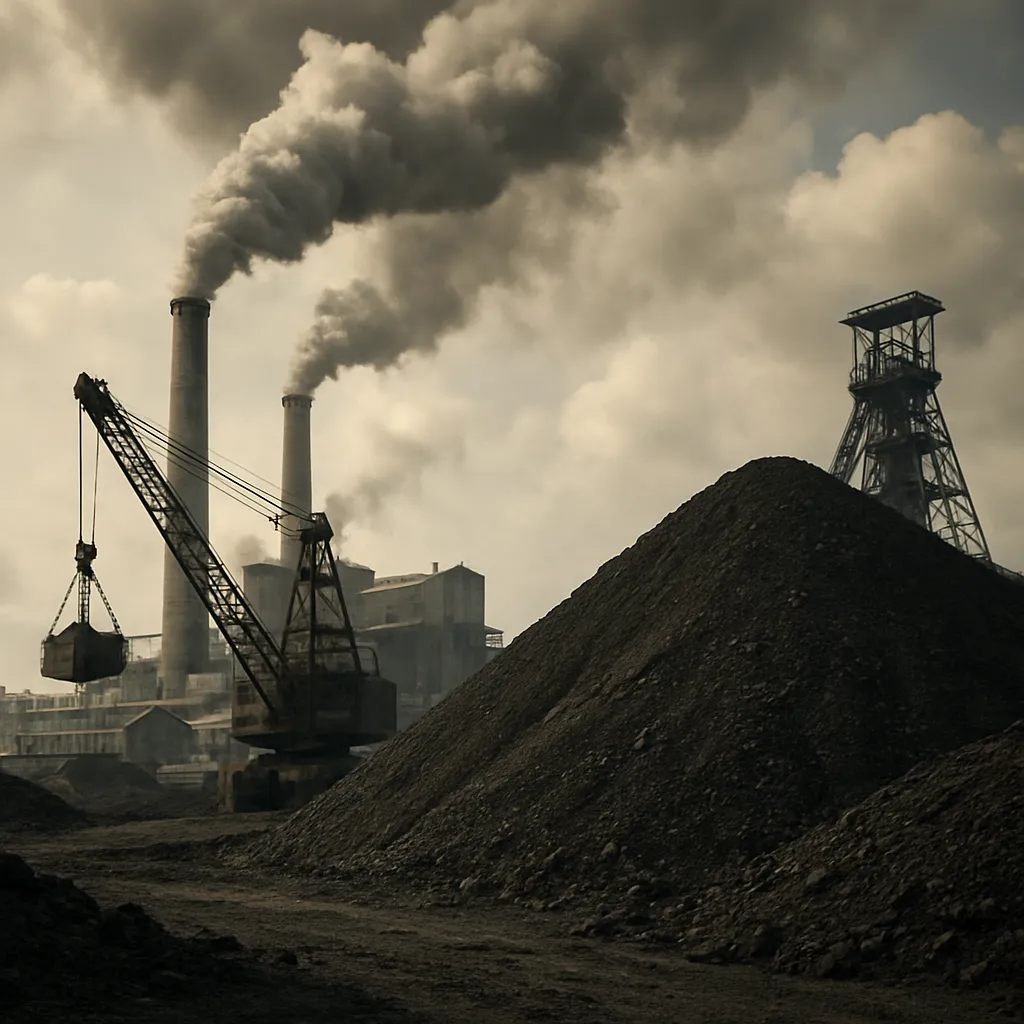
The story of coal is woven into the very fabric of modern civilization. As a once-ubiquitous energy source, it fueled the Industrial Revolution, powered steel mills, and warmed millions of homes. Today, the global community grapples with the complex legacy of this fossil fuels powerhouse: balancing economic realities against the urgent need to curb carbon emissions. This article explores the rise and decline of coal empires, examines the dynamics of coal stocks in financial markets, and considers pathways toward a more sustainable energy future.
The Historical Ascent of Coal: From Black Gold to Industrial Power
Coal’s journey from a simple combustible rock to an industrial cornerstone spans centuries. Early societies used it for heating and metalworking, but it was not until the 18th century that coal underwent a dramatic transformation. The advent of the steam engine created an unprecedented demand for a dense, transportable fuel. Suddenly, vast subterranean seams became the object of intense extraction activity.
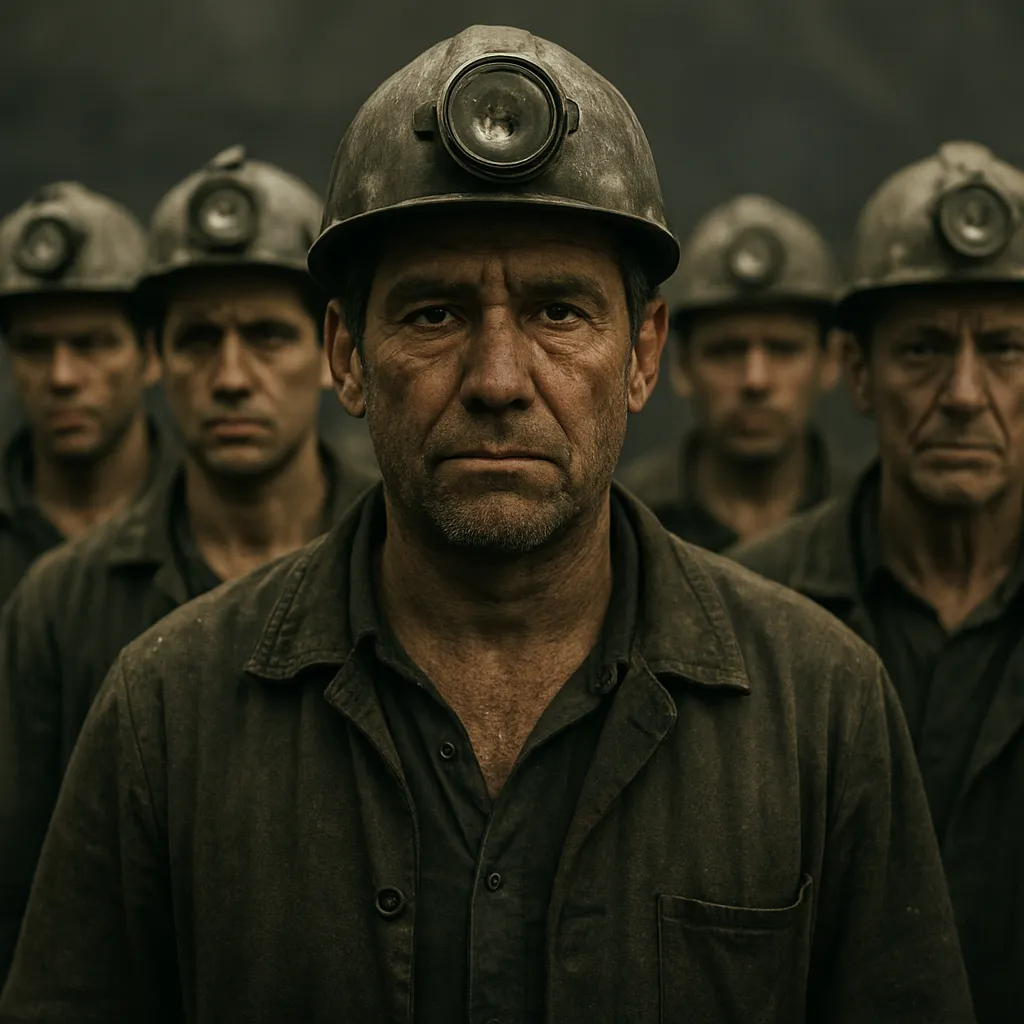
By the mid-19th century, coal mines dotted the landscapes of Britain, the United States, Germany, and later China. Railways, steamships, and factories all relied on its high energy density. Entire towns sprang up around mining operations, giving rise to a new social class: the **coal miner**, whose labor underpinned global industrialization. Government revenues soared as taxes on coal sales funded public works, infrastructure, and even military campaigns.
Yet, this prosperity held hidden costs. Deforestation, water pollution, and hazardous working conditions foreshadowed the environmental and human toll that would become central concerns in the 20th and 21st centuries. The once-celebrated “black gold” would eventually reveal its darker side.
Financial Currents: Coal Stocks in the Modern Market
Coal companies have long been staples in investment portfolios. During boom periods, share prices soared alongside production volumes and international demand. Investors were drawn to coal’s perceived stability and its status as a vital commodity. Yet, in recent decades, coal equities have experienced significant turbulence.
Price Volatility and Market Sentiment
Global coal prices fluctuate due to a host of factors:
- Supply disruptions caused by mine closures or labor strikes
- Shifts in demand driven by economic cycles and alternative energy adoption
- Currency exchange rates affecting export revenues
- Regulatory changes that impose carbon taxes or emissions caps
These variables can send coal stock valuations on roller-coaster rides. For instance, the 2008 financial crisis triggered a sharp demand drop, collapsing prices and eroding shareholder value. Conversely, temporary supply shortages in major producing regions can spark sudden price spikes, providing brief windfalls for mining companies.
Investor Strategies and Risk Management
Institutional and retail investors employ diverse strategies when approaching coal equities. Some seek short-term gains through speculative trading, capitalizing on news about mine output or policy shifts. Others adopt a longer horizon, betting that emerging economies will maintain coal demand for decades, despite global decarbonization trends.
Risk management is crucial. Portfolio managers may hedge against commodity price swings using futures contracts or diversify holdings across energy sectors—mixing coal stocks with natural gas, renewable energy equities, and utility bonds. In addition, environmental, social, and governance (ESG) criteria now influence investment decisions, prompting some funds to divest from coal entirely.
Environmental Pressures and the Path to Decarbonization
Coal combustion is one of the largest sources of CO₂ emissions worldwide, accounting for roughly 40% of global industrial carbon output. This stark reality has propelled international efforts to transition toward cleaner alternatives. Governments, corporations, and civil society actors are increasingly aligned on the need to limit temperature rise in accordance with the Paris Agreement.
Clean Coal Technologies and Carbon Capture
One proposed solution is so-called “clean coal,” which encompasses various technologies designed to reduce pollution. These include:
- Carbon capture and storage (CCS): Capturing CO₂ emissions at the plant and injecting them into geological formations
- Supercritical and ultra-supercritical boilers: Achieving higher thermal efficiency to burn less coal per unit of electricity generated
- Coal-to-liquids and coal gasification: Converting solid coal into cleaner-burning synthetic fuels
While promising in theory, these technologies face challenges: high capital cost, uncertain long-term storage integrity, and the continued release of other pollutants like sulfur oxides and mercury.
Regulatory Frameworks and Carbon Pricing
Effective regulation is pivotal for steering the coal sector toward lower emissions. Carbon pricing mechanisms—such as cap-and-trade systems or carbon taxes—create financial incentives for companies to reduce their carbon footprint. In regions where carbon costs are low or absent, coal remains highly competitive against natural gas and renewables, prolonging its market share.
International institutions now push for uniform standards and border carbon adjustments to prevent “carbon leakage,” where polluting industries relocate to countries with lax environmental policies. However, balancing economic development needs with climate goals remains a delicate political challenge, especially in coal-dependent regions.
Socioeconomic Impacts and Community Transitions
In areas dominated by coal mining, the shift away from coal can have profound effects on local economies. Job losses, reduced tax revenues, and declining property values threaten the well-being of entire communities accustomed to mining as their primary livelihood.
- Retraining programs for former coal workers in fields like sustainability engineering, IT, or renewable energy installation
- Infrastructure investment to attract new industries—such as manufacturing, tourism, or technology
- Small-business grants and tax incentives to spur local entrepreneurship
Successful transitions require a coordinated effort between governments, companies, and community organizations. Social safety nets, transparent planning, and proactive stakeholder engagement are all essential to mitigate hardship and foster economic resilience.
Future Outlook: Transition, Innovation, and Policy
The global energy landscape is undergoing a profound metamorphosis. Advances in solar, wind, battery storage, and hydropower technologies are eroding coal’s competitive edge. At the same time, emerging markets still view affordable and reliable coal-fired power as critical to supporting industrialization and improving living standards.
New business models and hybrid energy systems—combining coal plants with biomass co-firing or hydrogen injection—seek to lower the carbon intensity of existing assets. Meanwhile, digitalization and the Internet of Things (IoT) enable real-time optimization of mining operations, reducing waste and improving safety.
Policy frameworks will ultimately determine the pace of coal’s decline. Ambitious carbon neutrality pledges, strident air quality regulations, and the phasing out of coal-fired power plants can rapidly curtail demand. Conversely, geopolitical tensions, energy security concerns, or supply chain disruptions might slow the transition and revive coal’s appeal in certain markets.
For investors, policymakers, and communities alike, the decline of coal empires offers valuable lessons. It highlights the importance of agility, innovation, and forward-looking strategy in an era defined by climate imperatives and technological disruption. The coal saga underscores that no energy source, no matter how dominant, is immune to the transformative forces of progress and policy.