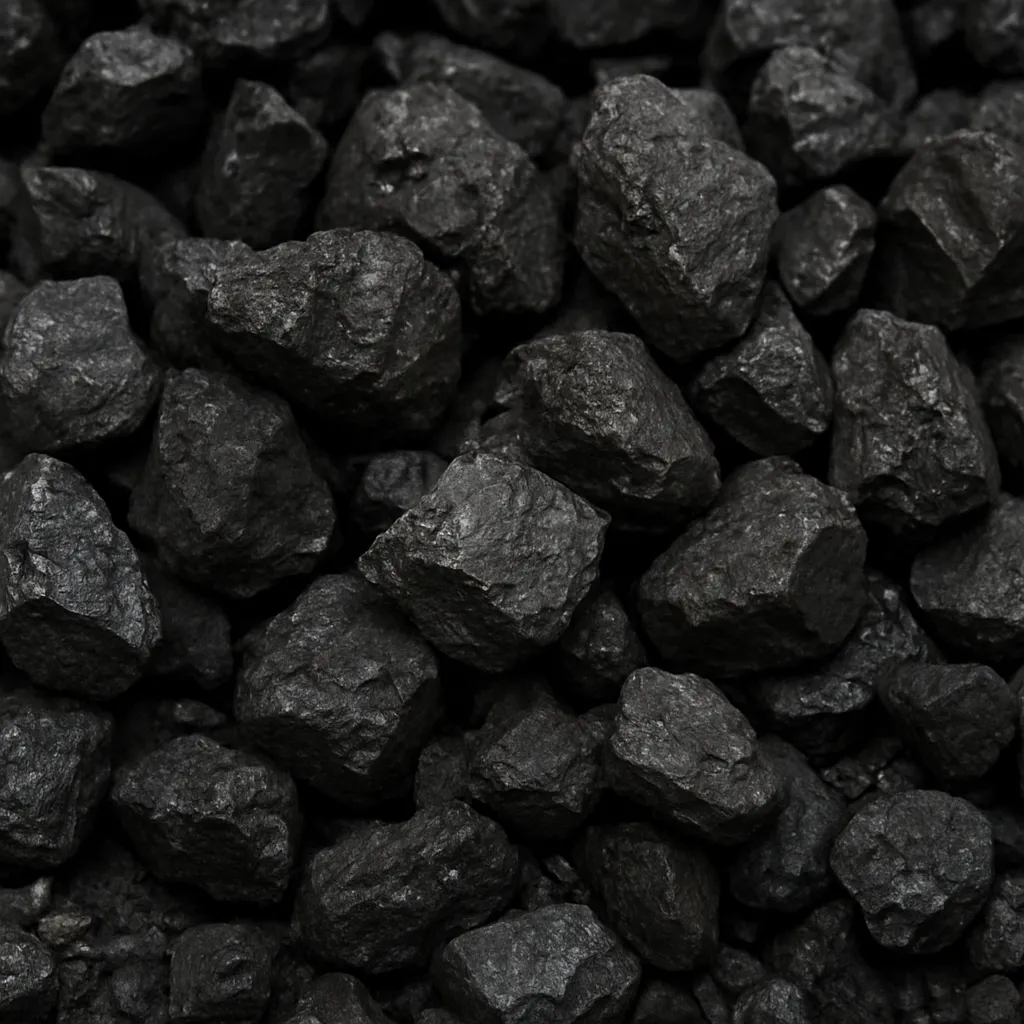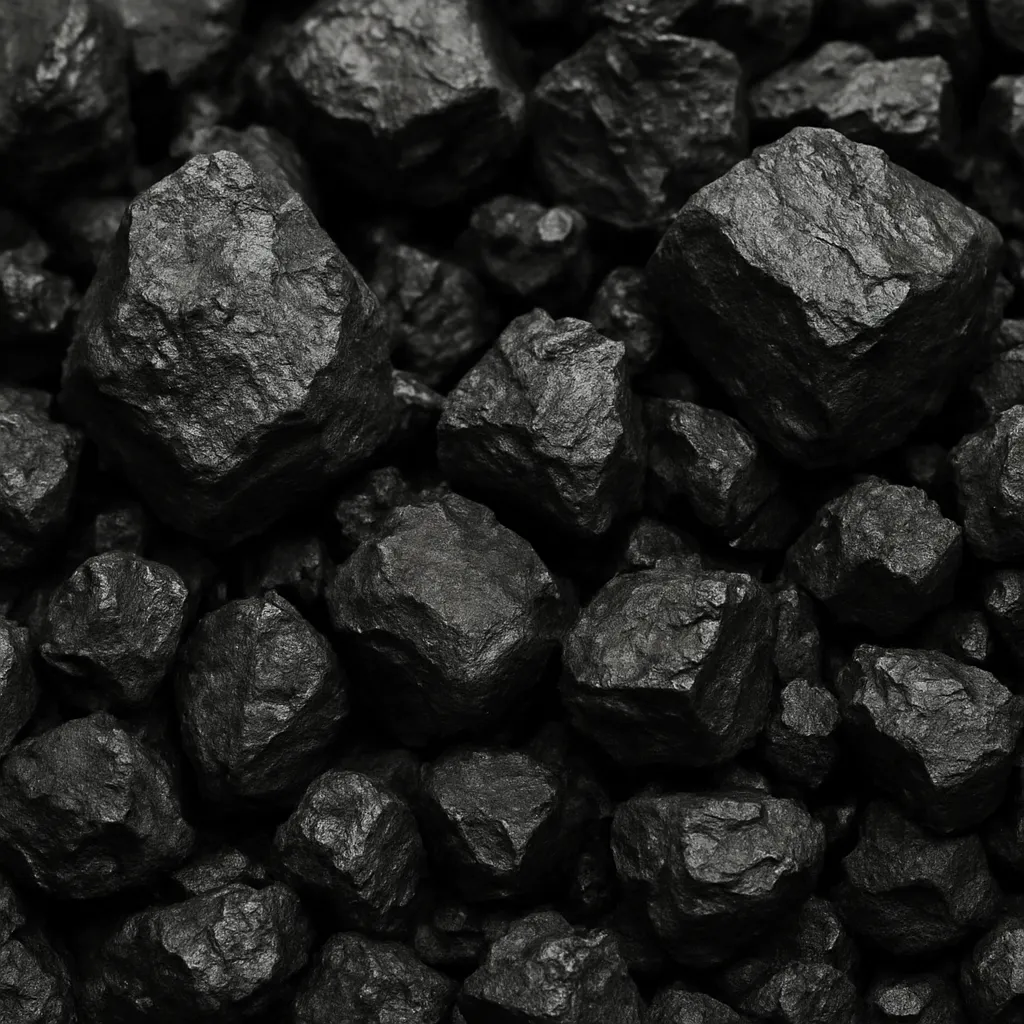
Culm coal is a term with several regional meanings, but it generally refers to **fine**, **waste** or low-grade coal material associated with mining and processing. This article reviews the nature of culm, where it is found, how it has been and can be used economically, its industrial significance, environmental challenges, and modern approaches to recovery and value creation. The discussion covers historical contexts, current practices, and future prospects.
Definition, forms and geological contexts
The word culm has been used in different places to describe either a geological formation or a type of coal waste. In a mining and fuel context, culm usually denotes the **finely divided**, often low-grade residuum of coal extraction and processing. This includes coal dust, small particles (slack), and mixtures of coal with shale or other inert material. In some parts of the United Kingdom, particularly in Devon and Cornwall, the term Culm also appears in geological names (the Culm Measures), where rock sequences include dark shales and thin coal seams that historically produced low-quality coal and slack.
Typical physical and chemical characteristics
- Particle size: predominantly <1 mm to a few millimetres, often with a high fraction of ultra-fines (<0.5 mm).
- Calorific value: generally lower than merchant coal; **calorific** values vary widely, often between 5–20 MJ/kg depending on ash and moisture content.
- Ash and moisture: higher than standard coals; ash content can exceed 20–50% in some culm mixes, and moisture may be elevated in stockpiles.
- Volatile matter and fixed carbon: dependent on original coal rank — anthracitic culm has low volatiles, while bituminous slack has higher volatile content.
- Contaminants: may contain heavy metals, sulfur, and other inorganic constituents concentrated by the removal of coarser coal fractions.
Because culm is effectively a by-product, its composition reflects both the parent coal seam and the processing methods used at the mine. Modern beneficiation can reduce ash and sulfur, improving the energy value of culm-derived products.
Geographical occurrence and historical mining areas
Culm is encountered wherever coal mining and coal handling produce fines. Two key contexts are worth noting: historical anthracite regions with extensive culm banks, and geological zones called Culm Measures in parts of western England.
Anthracite regions and culm banks
In regions where anthracite and high-rank coals were mined on a large scale, such as northeastern United States (Pennsylvania), central and northern Europe, and parts of China, culm piles or culm banks formed from centuries of small-sized waste and processing fines. Historically, these banks constituted an enormous anthropogenic deposit, often covering hectares and containing millions of tonnes of material. They became both a visible sign of the mining legacy and an environmental concern due to dust, leachate and spontaneous combustion risks.
Culm Measures and UK usage
In southwest England, the term Culm Measures refers to Carboniferous rock groups that include shales, sandstones and scattered thin coal seams. Local small-scale coal worked from these measures produced a type of slack or culm used locally. The landscape of “culm grassland” in Devon and Cornwall comes from thin soils overlying these measures, and the word culm is preserved in place names and ecological descriptions.
Global distribution
- North America: culm banks in anthracite mining districts of Pennsylvania and elsewhere.
- Europe: mining regions in the UK, Germany, Poland and the Czech Republic produced culm/slack during the 19th and 20th centuries.
- Asia: large coal-producing countries (China, India, Indonesia) generate fine coal waste; terminology may differ, but the material is functionally similar to culm.
- Rest of world: small-scale mining and coal cleaning processes worldwide create culm-like residues that require management or can be valorized.
Economic and industrial significance
Culm has historically been an economic liability but also offered opportunities for low-cost fuel use, industrial applications, and reclamation-based resource recovery. The value of culm depends on its composition, local energy prices, regulation, and available processing technologies.
Uses and markets
- Domestic and small-scale fuel: In areas where higher-grade coal was scarce, culm was used as a low-cost heating fuel in stoves and boilers.
- Briquetting: Fine culm can be agglomerated into briquettes using binders (tars, starches, or emerging green binders) to create a more handling-friendly fuel with higher bulk density and reduced dust.
- Coke and metallurgical uses: While culm generally has limited use in high-grade metallurgical coke production due to ash and contaminants, blends and additives can sometimes be used in lower-grade industrial coke or in sintering processes.
- Combustion for power: Culm can be co-fired or used in dedicated plants when properly prepared; fluidized bed boilers and modern combustion systems can accommodate higher-ash fuels.
- Gasification and pyrolysis: Culm is amenable to thermal conversion processes that produce syngas, chemicals, or biochar-like solids, enabling higher-value pathways beyond direct combustion.
- Construction materials: Processed culm may be used as filler in bricks, lightweight aggregates, cement raw mixes, or road-base materials following stabilization and environmental controls.
- Reclamation and landscaping: With remediation, culm sites can be converted to industrial land, parks, or habitat if contaminants are managed and soils ameliorated.
Economic drivers and constraints
The reuse of culm is influenced by:
- Local energy prices — culm is most attractive where higher-grade fuels are expensive.
- Transport costs — low-value fuel becomes uneconomic to ship long distances.
- Environmental regulation — strict emissions and ash-disposal rules can limit direct combustion uses unless mitigated.
- Capital availability — processing, briquetting, or gasification requires investment in equipment and permitting.
- Market demand for by-products — opportunities rise when there is a market for syngas, carbon products, or construction materials.
Statistical perspectives and volumes
Quantifying culm volumes is challenging because the term covers diverse materials and reporting standards differ by country. Nevertheless:
- Fine coal and slack frequently represent a non-trivial fraction of production. Depending on mining methods and washing/processing efficiency, 5–30% of mined coal can appear as fines or fine tailings.
- Historic culm banks in major anthracite regions have been documented to contain millions to tens of millions of tonnes of material per basin. The precise inventory varies by basin and historical record-keeping.
- In modern coal operations, improved recovery and beneficiation have reduced waste ratios; yet globally, millions of tonnes of fine coal residues are still generated annually.
Because of variability, most feasibility studies for culm recovery begin with localized surveys rather than relying on generic global numbers.
Environmental and social aspects
Culm accumulations pose distinct environmental challenges and social issues but also offer remediation and community development opportunities when managed proactively.
Environmental impacts
- Airborne dust: Dry fine culm produces fugitive dust that can harm air quality and human health if not stabilized.
- Water pollution: Runoff and leachate from culm banks can carry suspended solids, heavy metals and other contaminants into streams, affecting aquatic ecosystems.
- Spontaneous combustion: Stockpiles of coal fines may self-heat and ignite, leading to persistent fires and emissions of smoke and pollutants.
- Habitat alteration: Large culm deposits change landforms and soil chemistry, affecting vegetation and biodiversity.
Social and economic consequences
Communities near culm sites often experienced economic dependence on mining followed by legacy impacts when mines closed. Transforming culm sites can create jobs through reclamation, processing facilities (briquetting, gasification), and new land uses, but requires sustained investment and stakeholder engagement.
Remediation and reclamation
Successful approaches to culm site management include:
- Physical stabilization (covering, compaction) to reduce erosion and dust.
- Vegetative restoration using adapted plant species and soil amendments to rebuild soils over culm substrates.
- Water treatment systems for leachate, including passive (constructed wetlands) and active (chemical or filtration) systems.
- Removal and valorization, where culm is processed for fuel or materials. This both eliminates the source and recovers value.
Technologies for recovery and value addition
Modern engineering and processing technologies can convert culm from a liability into a feedstock for energy and materials production. Below are the main technological routes.
Briquetting and pelletizing
Briquetting densifies culm fines into manageable units. Binders (biopolymers, coal tars, or industrial resins) and compression molding produce products that burn more cleanly and are easier to handle and transport. Briquetting reduces dust, improves calorific density, and can be tailored to local furnace or boiler specifications.
Beneficiation and cleaning
Physical separation methods (jigs, spirals, dense medium separation) and flotation can remove non-combustible minerals and reduce ash and sulfur. Tailored cleaning flowsheets can substantially improve the energy content of culm-derived products, making them acceptable to industrial consumers.
Thermal conversion: gasification and pyrolysis
High-temperature conversion of culm into syngas (CO + H2) enables production of electricity, hydrogen, or chemical feedstocks. Pyrolysis yields liquid condensates and solid carbon residues (char) that can be upgraded or used as fuels. These technologies require higher capital but can deliver higher-value outputs and emissions control.
Co-firing in advanced boilers
Modern fluidized bed boilers and other flexible combustion systems can burn culm or culm-derived fuels in blends with higher-grade coal or biomass. Co-firing reduces net emissions intensity per unit energy and can utilize culm without extensive processing where appropriate emission controls are in place.
Material reuse
Stabilized culm can be used as structural fill, in road bases, and in manufactured products after testing and treatment. Encapsulation techniques isolate contaminants while making use of the bulk material.
Case studies and examples
Examining specific cases highlights how culm has been handled historically and in contemporary practice.
Pennsylvania anthracite culm reclamation
In many Pennsylvania coalfields, large culm banks accumulated during the 19th and early 20th centuries. Later reclamation efforts combined land restoration with culm recovery for power generation and construction materials. Some reclamation projects reduced hazards, recovered usable fuel through cleaning and briquetting, and restored land for new uses. These projects typically require coordination between local authorities, environmental agencies and private investors.
UK small-scale uses and landscape recovery
In parts of Devon and Cornwall, historical use of slack and culm for domestic and small industrial purposes declined in the mid-20th century. Modern conservation of culm grasslands and reclamation of worked areas has emphasized biodiversity, local heritage and sustainable land use rather than commercial fuel recovery.
Industrial pilots and modern plants
Several pilot facilities worldwide have tested culm gasification, briquetting and beneficiation. Where power plants have been designed to accept higher-ash fuels or where industrial processes can tolerate specific ash chemistries, culm has been integrated into fuel supply blends. The economics in each case depend on feedstock proximity, technology costs, and regulatory frameworks.
Policy, regulation and the circular economy
Policy shapes whether culm is treated as a waste to be managed or a resource to be recovered. Regulations on air quality, water pollution and waste management increase the cost of unmanaged culm but also create market opportunities for cleaned and value-added products.
Incentives for recovery
- Subsidies or tax credits for waste-to-energy and remediation projects can make culm recovery financially viable.
- Waste classification regimes that recognize treated culm as a product reduce disposal costs and open markets.
- Carbon pricing and emissions regulations may favor gasification or co-firing solutions that displace higher-emission fuels.
Circular economy opportunities
Viewing culm as a circular resource encourages integration of energy recovery, material reuse and land restoration. For example, a project that cleans culm for briquetting, uses the briquettes in local industry, and restores the former culm bank site for agriculture or recreation captures economic, social and environmental value.
Challenges and future directions
Despite potential, culm recovery faces obstacles:
- Heterogeneity of culm makes standard processing flowsheets difficult — site-specific testing is often required.
- Upfront costs for cleaning and conversion technologies can be high relative to the low intrinsic value of culm.
- Environmental liabilities and legacy contamination may raise remediation costs beyond the achievable revenue from recovered products.
- Competition from cheaper fuels and stricter climate policies reduce demand for any coal-based product unless paired with carbon mitigation technology.
Future advances that could improve culm economics include:
- Improved low-cost beneficiation for ultra-fines.
- Affordable decentralized briquetting units for local communities.
- Integration with renewable energy systems (e.g., using waste heat for drying culm fines before processing).
- Clean conversion technologies that produce hydrogen or chemicals with lower emissions footprints.
Conclusions and practical considerations
Culm coal occupies a complex position between waste and resource. Historically a nuisance and hazard in mining regions, it increasingly represents an opportunity for recovery, energy substitution and rehabilitation when appropriate technologies and policies are applied. Practitioners and communities considering culm projects should prioritize:
- Detailed characterization of material (ash, moisture, contaminants, particle size).
- Local market assessment for fuels, aggregates, or chemical feedstocks.
- Feasibility studies that include environmental remediation costs and regulatory compliance.
- Stakeholder engagement to align reclamation outcomes with community needs.
When managed strategically, culm can be transformed from discarded coal residue into an asset that supports local economies, reduces environmental hazards, and contributes to a circular approach to mining legacies. Key success factors include robust technical assessment, access to appropriate processing technologies, supportive policy frameworks, and alignment with broader energy and land-use objectives.
Key highlighted concepts: culm, anthracite, waste, calorific value, briquetting, gasification, environmental remediation, beneficiation, economics, circular economy.