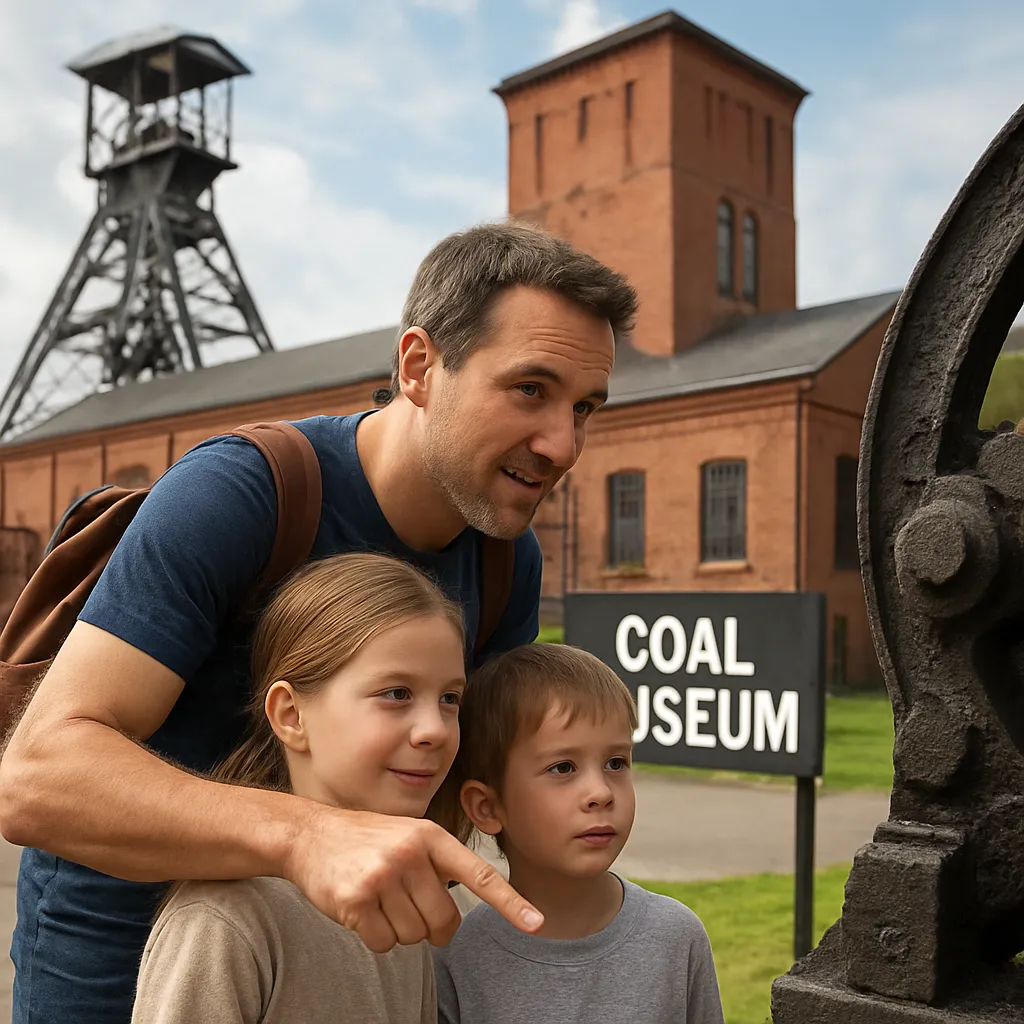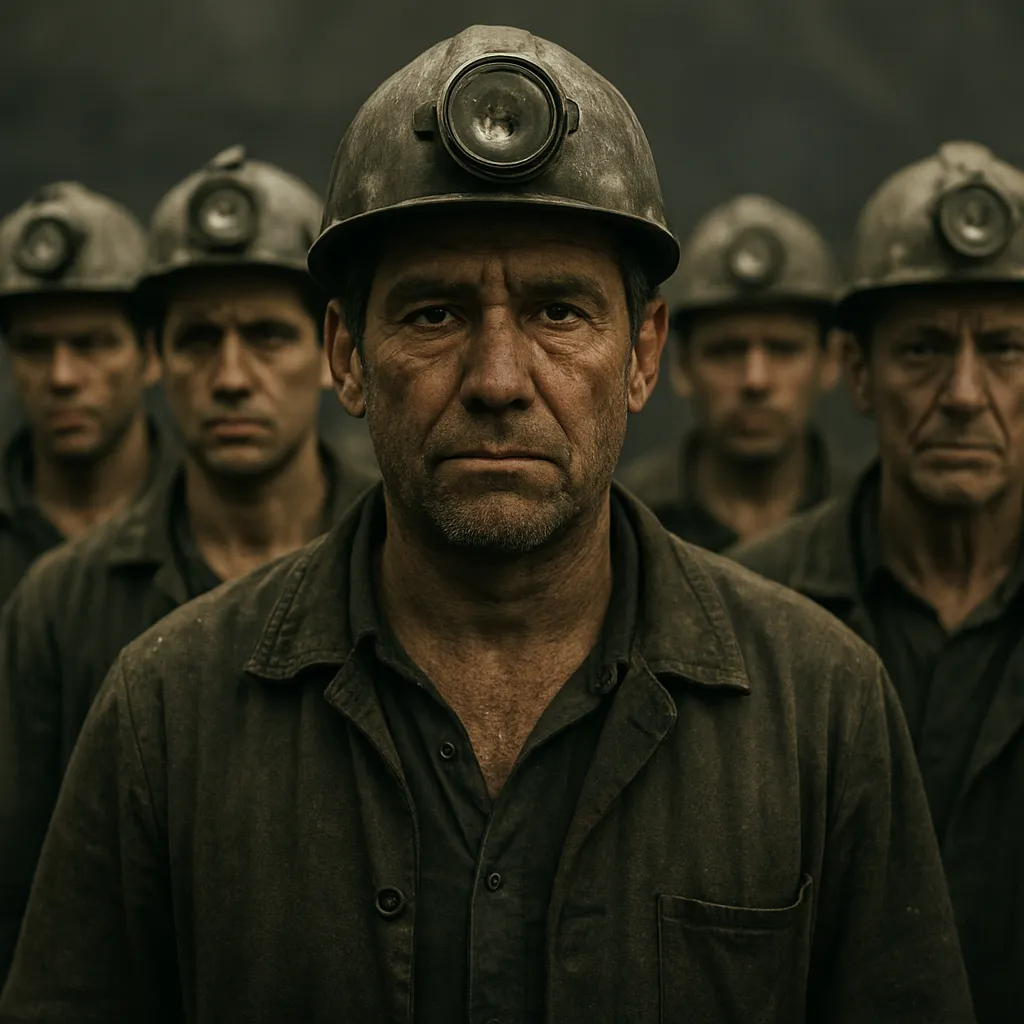
The global significance of coal extends far beyond its role as a conventional fuel. From powering steam engines in the 19th century to influencing modern stock market dynamics, this fossil resource has continually shaped industrial progress and financial landscapes. Today, investors, engineers, and policymakers monitor its trajectory in sectors ranging from global energy supply to environmental impact regulations. Simultaneously, the continuous enhancement of mining safety gear illustrates how innovation can safeguard the workforce at the heart of coal operations.
Origins of Coal Extraction and Investment Interest
Coal mining traces back thousands of years, with rudimentary surface pits evolving into intricate underground networks. Initially prized for its abundant heat output, coal fueled the Industrial Revolution, giving rise to steam engines, steel mills, and mechanized railroads. These early developments sparked investor enthusiasm, laying groundwork for trading coal company shares on emerging exchanges. In the late 1800s, London and New York saw the first listings of colliery firms, driven by the promise of vast reserves in Britain, North America, and later continental Europe.
The financial ecosystem around coal matured rapidly. Investors noted that stable demand from railways and factories translated into reliable dividends. The concept of a diversified coal stock portfolio emerged, marrying high-dividend yields with the potential for growth as new seams were discovered. This era also witnessed the foundation of trade publications and market bulletins dedicated solely to mining securities.
Modern Coal Stock Performance and Market Trends
In recent decades, the performance of coal shares has faced volatility owing to technological shifts and regulatory interventions. Natural gas, renewables, and nuclear power introduced stiffer competition, while stringent emissions standards pressured coal-fired plants. Nonetheless, certain regions continue to rely heavily on coal, bolstering the value of companies with efficient operations and low-cost extraction.
- Regional Demand: Asia, particularly China and India, consumes upwards of half the world’s coal, affecting global price benchmarks.
- Cost Leadership: Low-cost producers in Australia and the Powder River Basin maintain competitive advantages, attracting yield-seeking investors.
- Dividends vs. Growth: Mature coal firms often pay high dividends, while smaller innovators reinvest profits into cleaner technologies and portfolio diversification.
Seasonal cycles also influence share prices; winter heating needs and summer electricity peaks can trigger short-term rallies. Market analysts scrutinize inventory levels at key ports, shipping rates, and stockpiles at utility plants to forecast price movements. Coupled with futures trading on commodity exchanges, these data points offer investors granular insight into supply-and-demand imbalances.
Technological Advances in Coal Worker Safety Equipment
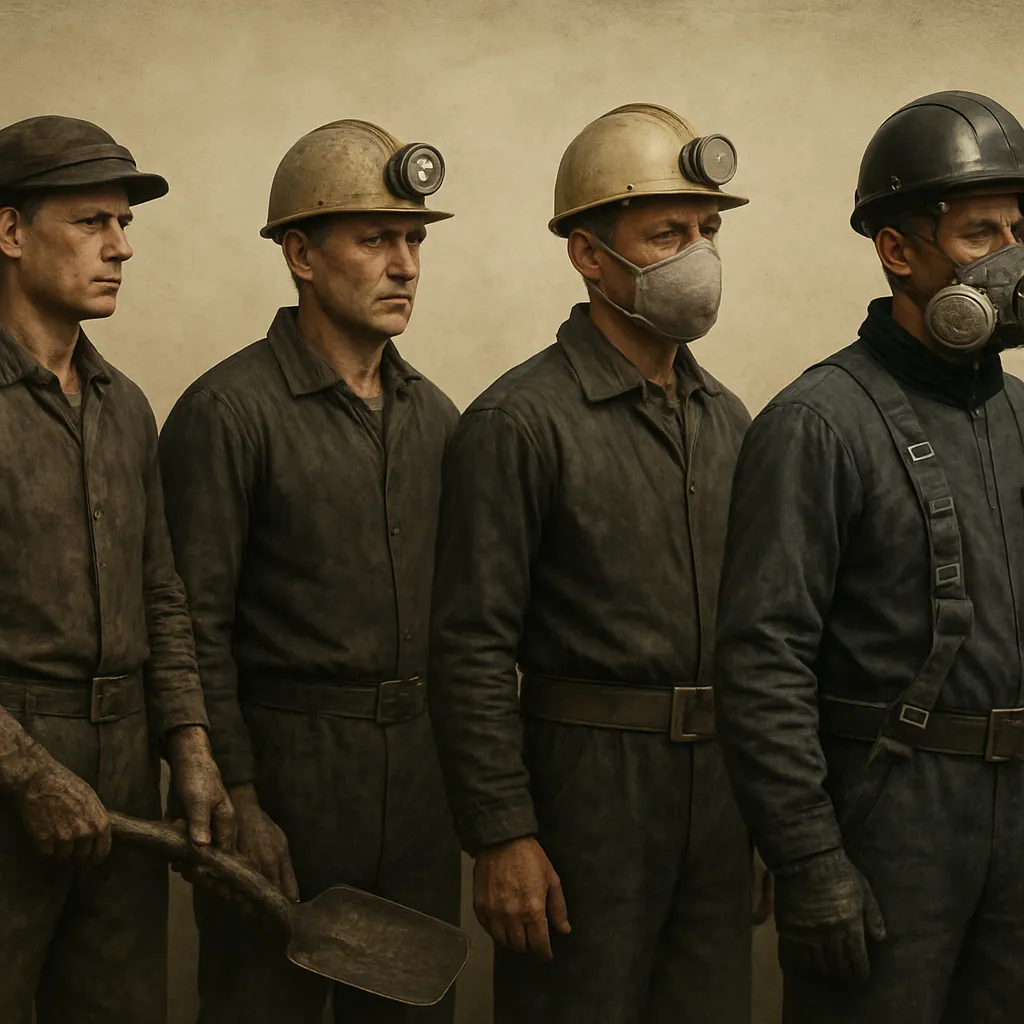
As the industry evolved, so did the imperative to protect miners. Early 20th-century miners worked with little more than candles and hand tools, facing risks of firedamp explosions, roof collapses, and respiratory diseases like pneumoconiosis. Modern PPE (Personal Protective Equipment) has transformed safety standards, reducing fatalities and long-term health issues.
Innovative Respirators and Gas Detection
Today’s respirators employ multi-layer filtration, often integrating activated carbon supplements to neutralize toxic gases. Lightweight, adjustable facepieces ensure comfort during extended shifts. Simultaneously, portable gas detectors utilize electrochemical sensors and laser spectroscopy to monitor methane, carbon monoxide, and oxygen levels in real time.
Automated Support Systems and Wearable Tech
Hydraulic roof supports, remote-controlled continuous miners, and robotic inspection units minimize direct human exposure to hazards. Wearable sensors, embedded in smart helmets and vests, track biometric data—heart rate, body temperature, and movement patterns—alerting supervisors to potential overexertion or entrapment scenarios. Geolocation modules also enable rapid rescue operations when emergencies arise.
Lightweight Protective Clothing
Advances in material science introduced high-strength, flame-resistant fabrics that shield workers from sparks and slash injuries. Ergonomically designed suits and boots incorporate impact-absorbing soles, reducing musculoskeletal strain. Some manufacturers now offer modular ensembles, allowing miners to adapt layers for temperature and hazard conditions throughout the mine.
Environmental and Regulatory Impacts on Coal and Stocks
Heightened awareness of climate change has ushered in stricter emissions regulations, notably the Clean Air directives in North America and the EU Emissions Trading Scheme. Companies must invest in flue-gas desulfurization, carbon capture systems, and water treatment facilities—expenses that affect profit margins and share valuations. Compliance strategies vary:
- Retrofits: Upgrading existing plants with scrubbers and filters.
- Green Credits: Purchasing permits or offsets to balance carbon footprints.
- Transition Fuels: Shifting portions of output to biomass co-firing or blending with natural gas.
Investor pressure for Environmental, Social, and Governance (ESG) credentials has also surged. Asset managers increasingly screen coal-related equities, channeling capital into companies demonstrating transparent supply chain audits, worker welfare initiatives, and responsible waste management. This trend has led to the delisting of certain high-emission firms, while others rebrand as integrated energy companies by diversifying into renewables.
Future Prospects for Coal, Stocks, and Safety Innovations
Looking ahead, coal companies face a complex crossroads. On one hand, global power demand remains robust, particularly in developing economies. On the other, falling costs of solar and wind, backed by government incentives, pose existential competition. Investors will likely assess coal stocks based on technological adaptability—firms that pioneer carbon capture and invest in clean coal pilot programs may command premium valuations.
For workforce safety, the next frontier involves artificial intelligence and big data. Predictive maintenance algorithms can analyze geological data to forecast roof fall risks. Drone swarms might conduct aerial surveys of mine sites, while augmented reality headsets provide real-time schematics and hazard alerts to on-site workers. Such innovations promise to shrink the incident rate further and enhance operational efficiency.
In parallel, global cooperation on sustainable mining practices could standardize best practices, harmonizing safety regulations and reducing cross-border risks. As investors navigate this changing landscape, balancing ethical considerations with financial returns, the symbiotic relationship between coal, its stock market presence, and advances in innovation will continue to unfold.