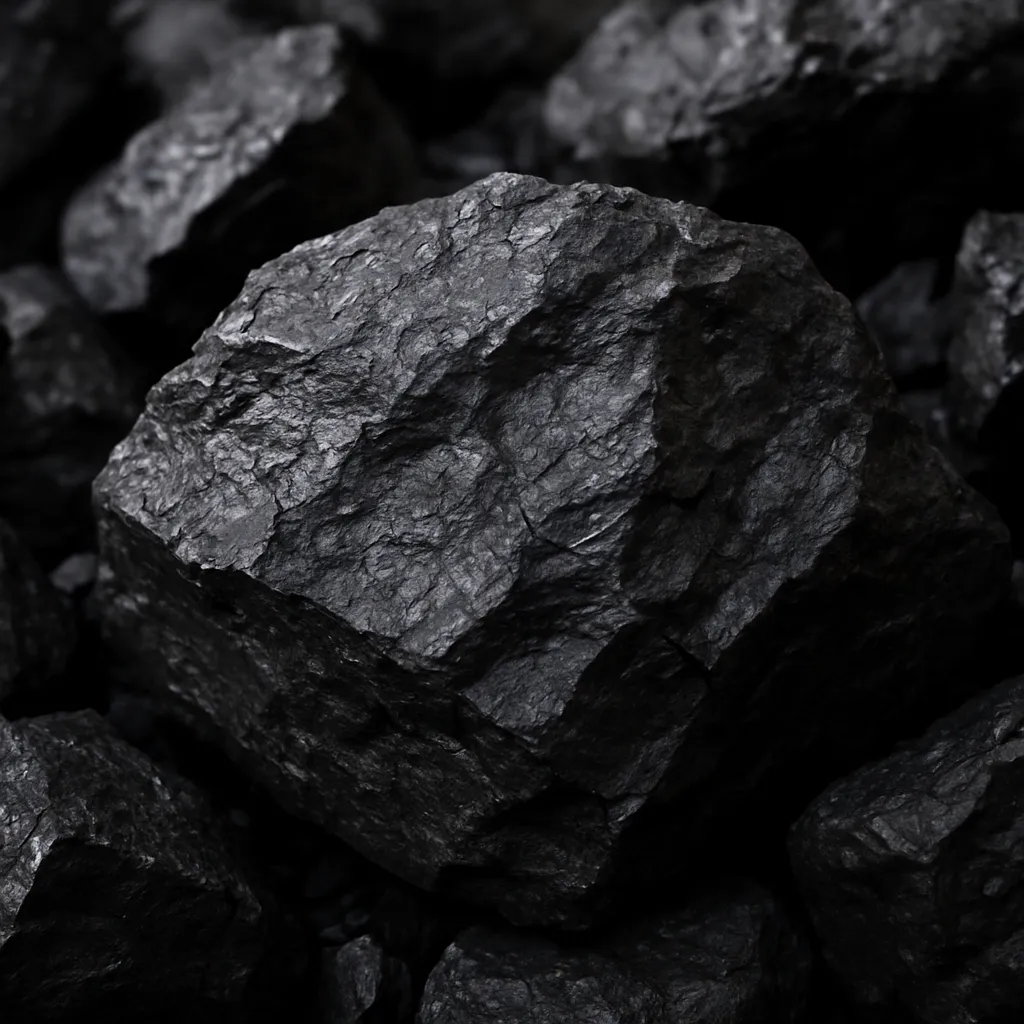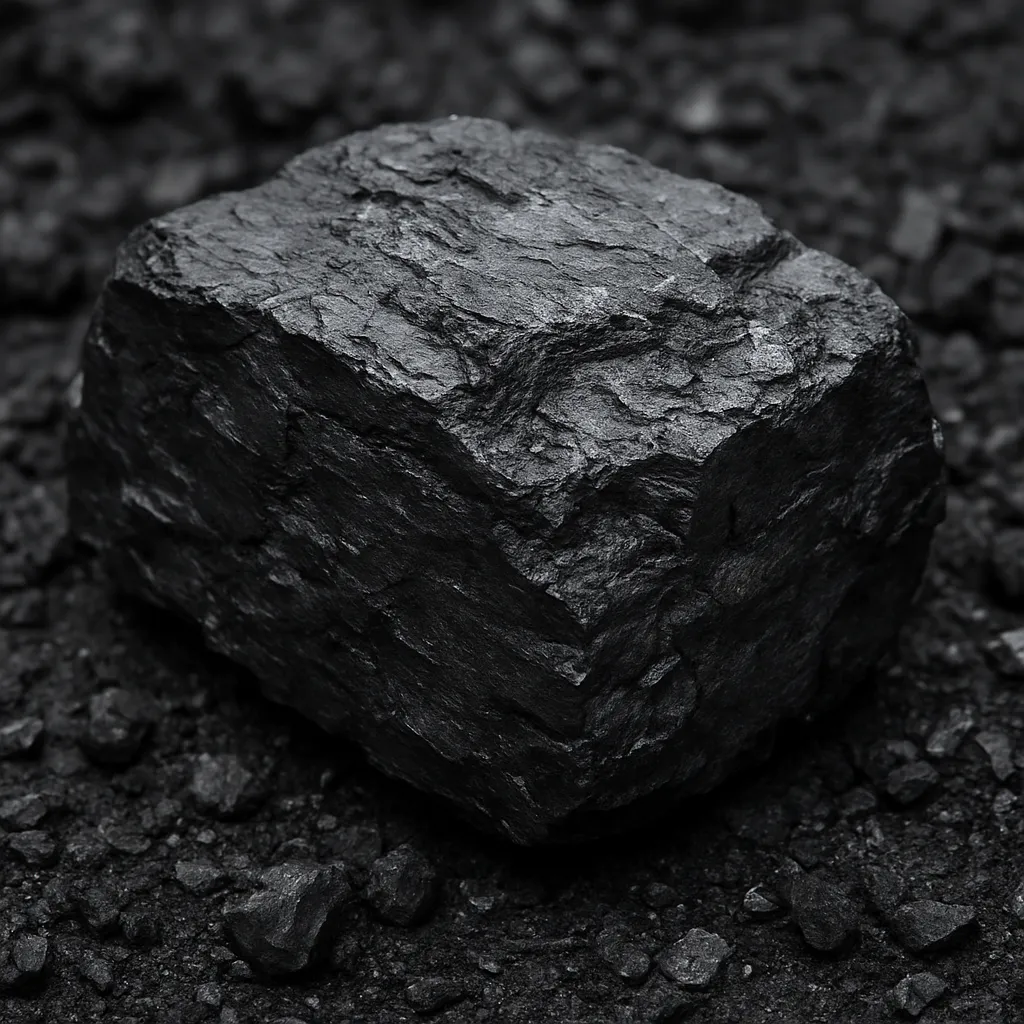
Low-nitrogen coal is a class of thermal coals whose nitrogen content is notably lower than typical coals used in power generation and industrial processes. The presence of less fuel-bound nitrogen reduces the potential for direct formation of NOx (nitrogen oxides) during combustion, which has both environmental and economic consequences. This article examines what low-nitrogen coal is, where it is found and mined, how it is processed and traded, its industrial significance, and the statistical and regulatory contexts that determine its value and future role in the global energy mix.
What low-nitrogen coal is and why it matters
Coal contains a mixture of carbonaceous material and a variety of heteroatoms, including nitrogen, sulfur, hydrogen, oxygen and trace elements. The uniformly recognized importance of nitrogen in coal stems from its role in the formation of nitrogen oxides during thermal conversion processes. Fuel-N (the portion of nitrogen bound in the coal) can be converted during combustion into NO and NO2, which contribute to smog, acid rain and public-health problems.
Low-nitrogen coal is commonly defined by relative terms rather than a single numerical cutoff: it is coal whose total nitrogen content is significantly lower than the regional or product average. In practical terms, many operators consider coal with nitrogen contents below about 0.8–1.0% (by weight, dry, ash-free or as-received basis depending on reporting convention) to be “low-nitrogen.” Typical reported ranges across coal ranks are:
- Anthracite and high-rank coals: roughly 0.5–1.5% nitrogen
- Bituminous coals: roughly 1.0–3.0% nitrogen
- Subbituminous and lignite: roughly 0.3–1.5% nitrogen
Because the nitrogen content influences fuel-N conversion to NOx, lower fuel nitrogen means plants can achieve emission limits more easily, reduce reliance on costly post-combustion NOx controls, and optimize combustion strategies. For power companies facing stringent air-quality regulations, a supply of low-nitrogen coal can have clear operational and compliance benefits.
Geological occurrence and major producing regions
The geological distribution of low-nitrogen coals correlates with coal rank, depositional environment and subsequent thermal history. Coals formed from certain types of peat in oxygen-limited environments and those that have not been strongly altered thermally or chemically often show lower nitrogen levels. Broadly speaking, significant volumes of lower-nitrogen coal occur in basins that produce subbituminous and some liptinite-rich bituminous coals.
- Powder River Basin (PRB), USA: PRB coals (Wyoming, Montana) are famed for low sulfur and generally low-nitrogen subbituminous characteristics. These coals have been widely used in U.S. power plants because they help meet SO2 and, to some extent, NOx constraints when combined with combustion controls.
- Australia (Bowen Basin, Surat Basin, etc.): Coal quality varies considerably, but several Australian basins contain thermal coals with lower nitrogen contents suitable for domestic and export markets. Many mines tailored for power-coal markets produce subbituminous and bituminous coals with relatively favorable nitrogen profiles.
- Indonesia: Some Indonesian coals used for export and domestic power generation—particularly certain low-rank thermal coals—can show moderate to low nitrogen, although variability is high.
- Russia and Central Asia: Large basins such as Kuznetsk (Kuzbass) produce vast quantities of coal with a range of nitrogen contents; specific seams and products may be marketed for lower-N requirements.
- Europe and Poland: Traditional hard-coal basins in Europe frequently produce coals with higher nitrogen compared with PRB-type subbituminous coals; however, selective mining and blending yield products with acceptable nitrogen for certain applications.
Regional diversity and seam variability mean that “low-nitrogen” supply is often niche and dependent on mine-to-mine and seam-to-seam grading rather than strictly basin-wide characteristics.
Mining, processing and quality control
Meeting a low-nitrogen specification can be achieved in several ways: selecting inherently low-nitrogen seams, blending coals from different sources, and using beneficiation techniques that remove mineral matter and some nitrogen-bearing components. Key operational approaches include:
- Selective mining: targeting seams and benches with favorable chemistry.
- Blending: mixing coals at the mine, port or plant to achieve a target nitrogen specification and consistent combustion behavior.
- Beneficiation/washing: coal cleaning can reduce ash and sometimes remove nitrogen-rich mineral-associated fractions, though its effect on organically bound nitrogen is limited.
- Coal upgrading and drying: thermal or mechanical treatments that change volatile content can indirectly influence nitrogen release during combustion.
Quality control involves routine proximate, ultimate and petrographic analysis. Ultimate analysis reports total nitrogen, while more advanced techniques (e.g., XPS, pyrolysis mass spectrometry) can indicate nitrogen speciation—whether nitrogen is present in pyrrolic, pyridinic, quaternary or other chemical forms. Speciation affects how readily fuel-N is converted to NOx during combustion and whether nitrogen may form volatile nitrogenous compounds during gasification.
Economic and market aspects
The market value of low-nitrogen coal derives from several connected economic factors:
- Regulatory compliance costs: power plants subject to strict NOx caps may pay a premium for low-nitrogen coal because it reduces the need for capital-intensive post-combustion controls and operational expenses associated with those systems.
- Operational efficiencies: lower-N fuels can improve burner tuning, reduce selective catalytic reduction (SCR) reagent use, and lower the risk of NOx exceedances that lead to fines or curtailed operations.
- Logistics and blending flexibility: blending low-N coal with higher-N feedstocks can be a cost-effective route to compliance, but it adds handling and contractual complexity. Mines that can consistently deliver low-N coal to nearby power plants often secure long-term contracts.
- Market segmentation: a tranche of coal customers—especially utilities with stringent air permits or industrial users with sensitive downstream processes—actively seek lower-nitrogen products and may pay a quality premium. The premium size varies by region, regulation and fuel alternatives.
In broader macroeconomic terms, coal markets remain driven by energy demand, prices of competing fuels (natural gas, renewables), freight and shipping costs, and policy drivers (carbon pricing, emissions standards). Low-nitrogen coal becomes particularly valuable where NOx regulation is strict but alternatives (e.g., gas or renewable generation) are not economically or operationally feasible.
Environmental and industrial implications
Reducing NOx emissions is a major air-quality goal because NOx contributes to ground-level ozone, fine particulate formation, and acid deposition. Using low-nitrogen coal lowers the fuel-N component of NOx emissions, which is often a significant fraction of total NOx from a coal-fired plant. The environmental implications include:
- Lower direct NOx emissions: reduced formation during combustion, easing compliance with air-quality standards.
- Potential co-benefits: less formation of nitrates in flue gases and deposits in combustion systems, which can lower maintenance costs.
- Interaction with other pollutants: while nitrogen content influences NOx, sulfur and trace elements drive SO2 and heavy-metal emissions; a holistic fuel quality approach remains necessary.
Industrial implications extend beyond power generation. In coal gasification, nitrogen species determine the fate of fuel-N—whether it becomes molecular N2, ammonia, hydrogen cyanide (HCN), or other nitrogenous compounds. These products have implications for synthesis gas cleanup, catalyst poisoning, and downstream chemical production. For some chemical feedstock processes, lower nitrogen reduces the complexity and cost of gas cleanup and product separation.
Statistics, trends and selected data points
A few useful statistical perspectives and trends help contextualize the role of low-nitrogen coal:
- Global coal production across recent years has been on the order of several billion tonnes per year (commonly reported in the range of roughly 7–8 billion tonnes annually in the early 2020s). The composition by rank (lignite, subbituminous, bituminous, anthracite) affects the aggregate nitrogen profile of commercially available coal.
- Typical total nitrogen concentrations in coals reported in literature range widely by rank and basin: roughly 0.3%–3.0% on a dry basis is a commonly cited interval, with subbituminous coals often clustering at the lower end of this spectrum.
- NOx emission regulations in major markets influence demand for low-nitrogen coal. For example, where power plant NOx emissions are capped tightly (e.g., under national air-quality standards or region-specific trading schemes), utilities either retrofit control technology or seek fuel options that reduce fuel-N.
- In many markets, coal quality parameters such as calorific value, sulfur, ash and moisture tend to dominate contract pricing; nitrogen is a secondary but increasingly important specification in regions with strict NOx limits. Premiums for low-nitrogen coal vary widely by contract and geography and are influenced by logistics, availability and competing compliance options.
Concrete numerical premiums and exact regional production percentages for low-nitrogen coal are not universal and fluctuate with market conditions. However, utilities and industrial end-users often report that modest changes in nitrogen content—when multiplied by large coal burn rates—translate into measurable operational savings through reduced reagent consumption for SCR systems, lowered maintenance and avoided penalties.
Case studies and industry practice
Several practical examples illustrate how low-nitrogen coal is integrated into commercial operations:
- Blending strategies: utilities commonly blend higher-N imported coals with local low-N coals (or PRB-type coals in the U.S.) to manage overall emissions and maintain calorific consistency. These blends are engineered to hit permitted NOx limits while optimizing cost.
- Mine-to-plant contracts: power plants located near large low-sulfur, low-N basins often enter long-term fuel supply agreements that lock in nitrogen and sulfur tolerances to secure predictable emission profiles.
- Gasification-based industries: operators of integrated gasification combined cycle (IGCC) or chemical synthesis plants select feedstocks with lower nitrogen to minimize synthesis-gas cleanup costs and to protect catalysts.
Technological responses: combustion and control
Even with low-nitrogen coal, modern plants employ a range of combustion and post-combustion technologies to minimize NOx:
- Low-NOx burners and staged combustion: reducing peak flame temperatures and staging fuel/air mixing lowers thermal NOx and fuel-N conversion.
- Selective non-catalytic reduction (SNCR) and selective catalytic reduction (SCR): chemical reduction systems that remove NOx downstream of combustion are widely used; fuel selection can reduce reliance on these costly systems.
- Operational optimization: tuning furnace conditions, implementing real-time emission monitoring, and adjusting blends enable plants to exploit low-nitrogen fuel benefits fully.
Future outlook: demand drivers and long-term role
Several trends will shape the market for low-nitrogen coal over the coming decade:
- Air-quality regulation tightening: stricter NOx limits in developing countries may increase demand for low-nitrogen coal, especially where rapid emissions-control retrofits are not feasible.
- Decarbonization pressure: as carbon-pricing and renewable deployment rise, total coal demand may decline in many regions, limiting overall markets for any coal quality segment, including low-nitrogen varieties.
- Technological substitution: greater deployment of gas-fired generation, renewables and energy storage reduces the centrality of coal, but industrial users relying on coal gasification or specific process heat may continue to value low-nitrogen feedstocks.
- Carbon capture integration: if carbon capture and storage (CCS) becomes economically viable at scale, the value of low-nitrogen coal could increase for applications where CCS combined with lower NOx offers a pathway to lower overall emissions footprints.
Conclusions
Low-nitrogen coal occupies a specialized but strategically significant niche in the coal market. Its lower fuel-bound nitrogen content provides tangible environmental and operational benefits by reducing potential NOx formation during combustion and simplifying emissions management for power plants and industrial facilities. Geologically, low-nitrogen coals are often associated with subbituminous deposits such as those in the Powder River Basin, though important low-N supplies occur in multiple basins worldwide. Economically, the value of low-nitrogen coal depends on local regulation, alternative compliance options, logistics and the broader trajectory of energy markets. For industries that continue to rely on coal—especially where NOx and synthesis-gas quality matter—low-nitrogen coal will remain a material consideration in fuel selection, contract structuring and long-term strategic planning.