The long and winding journey of coal from a simple sedimentary rock to the backbone of modern electricity production is a tale of innovation, economic shifts, and environmental challenges. This article explores the multifaceted relationship between coal, the trading of coal stock, and the broader implications for energy systems around the world.
Origins of Coal and Its Role in Early Power Generation
Geological Formation and Extraction
Coal formed millions of years ago from decaying plant matter buried under sediments. Over time, heat and pressure transformed that organic material into layers of fossil fuels. Miners extracted these layers through underground mining and surface operations, unlocking an abundant source of energy.
The rise of the steam engine in the 18th century provided the first compelling application for coal. By converting heat into mechanical motion, early engineers could pump water from mines, drive machinery, and eventually spin dynamos to generate electricity.
First Steps Toward Electricity
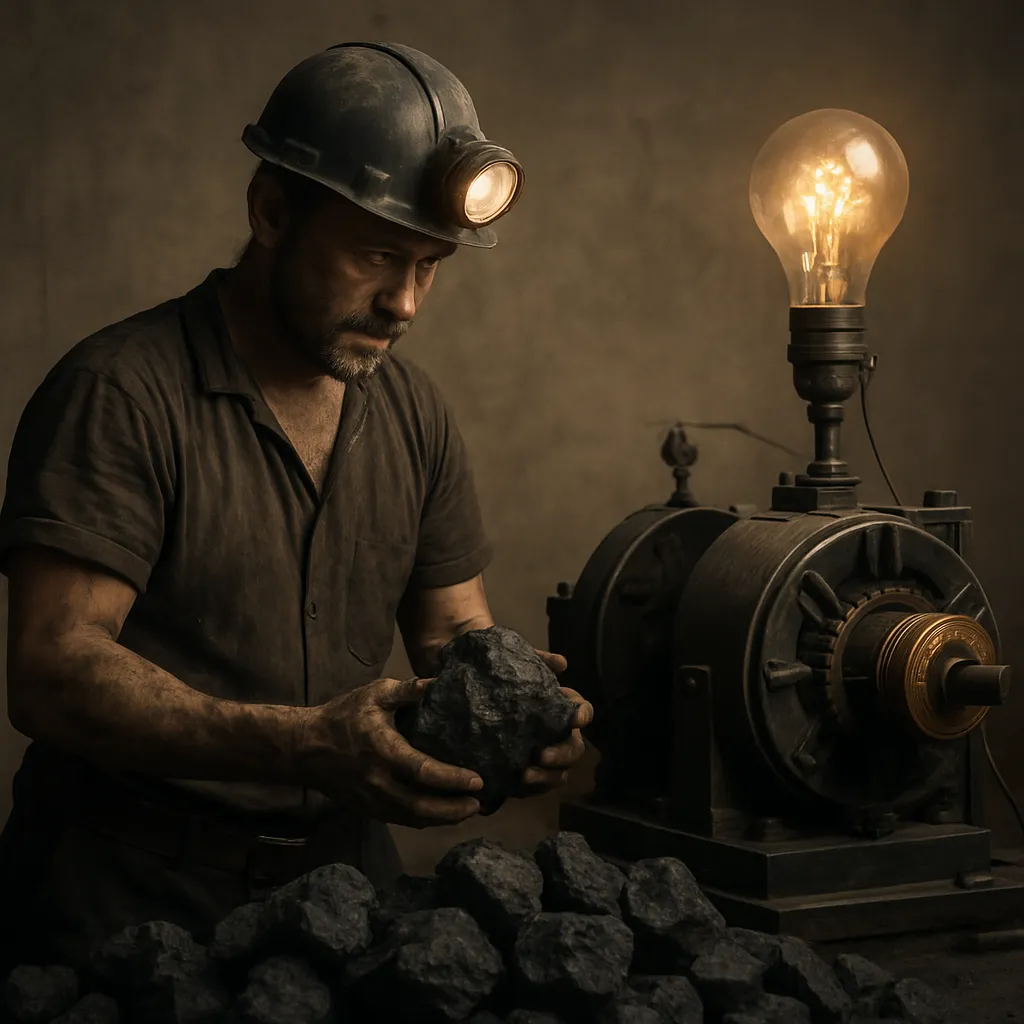
With the advent of the dynamo in the early 19th century, inventors recognized coal’s potential beyond steam power. Coal-fired boilers created steam turbine systems that reached unprecedented efficiencies. Within decades, coal-driven power plants established the foundational grid systems still in use today.
Coal Stock Markets and Financial Dynamics
Commodities Trading and Pricing Mechanisms
As industrial demand soared, so did the trading of coal on commodities exchanges. Prices fluctuated with supply disruptions, geopolitical events, and seasonal consumption. Traders developed intricate instruments, including futures contracts, to hedge against price volatility.
- Spot Markets allowed immediate physical delivery of coal at current prices.
- Futures Contracts locked in prices for future delivery, providing stability to both producers and consumers.
- Derivatives such as options enabled market participants to limit downside risk while retaining upside potential.
Investment in Coal Stocks
Investors could gain exposure to coal through public equities, buying shares in mining corporations or utility companies. Performance metrics often reflected changes in extraction costs, regulatory shifts, and global demand. Companies that optimized logistics and employed advanced mining technologies tended to outperform peers on power generation margins.
Technological Innovations and Efficiency Gains
Advancements in Coal Combustion
Through the 20th century, engineers refined boiler designs and combustion processes. Clean coal technologies emerged, aiming to reduce particulate emissions and capture harmful gases. Methods such as fluidized bed combustion and integrated gasification combined cycle (IGCC) represented milestones in cleaner fuel conversion.
Carbon Capture and Storage (CCS)
The challenge of carbon emissions spurred investment in carbon capture projects. These systems isolate carbon dioxide from flue gas streams and store it underground. While CCS adds costs, it offers a pathway to lower the carbon footprint of existing coal-fired plants, aligning them more closely with evolving sustainability goals.
Environmental and Societal Impacts
Air Quality and Health Considerations
Burning coal releases pollutants such as sulfur dioxide, nitrogen oxides, and mercury. These substances contribute to smog, acid rain, and respiratory problems among nearby populations. Regulatory agencies worldwide imposed emission limits, driving utilities to install scrubbers and selective catalytic reduction (SCR) systems.
Water Usage and Land Disturbance
Coal mining and thermal power plants both require significant water resources. Withdrawal for cooling can affect aquatic ecosystems, while mine drainage may lead to contamination of groundwater. Moreover, mountaintop removal and open-pit mining alter landscapes, displacing communities and disrupting habitats.
Transition Challenges and Future Outlook
Shift to Renewable Alternatives
Renewable energy sources such as wind and solar present increasingly cost-competitive alternatives to coal. Governments have instituted carbon pricing and subsidies for clean energy, tipping investment towards low-carbon solutions. However, the intermittent nature of renewables underscores the need for reliable baseload generation.
Modernizing the Grid
Integrating variable renewable capacity demands grid flexibility. Battery storage, demand-response programs, and smart grid technologies help balance supply and demand. In some regions, existing coal plants are repurposed with co-firing capabilities, blending biomass or hydrogen with coal to reduce overall emissions.
Global Demand and Economic Development
Emerging economies continue to rely on coal for rapid industrialization and electrification. Affordable energy access fuels manufacturing, transportation networks, and urban growth. The challenge is to raise living standards while minimizing environmental harm, requiring international collaboration on best practices and technology transfer.
Strategic Considerations for Stakeholders
- Energy policymakers must balance emissions reduction targets with grid reliability and cost constraints.
- Utility companies face capital decisions on retiring old coal fleets versus retrofitting with advanced abatement systems.
- Investors evaluate coal stocks alongside renewable portfolios, seeking diversified exposure and long-term value creation.
- Communities impacted by coal operations advocate for economic diversification and job training programs to ensure just transitions.
The connection between coal and the birth of electricity weaves through centuries of technological progress, financial markets, and environmental debates. Understanding this complex interplay equips stakeholders to navigate an energy landscape in flux, balancing economic growth with the imperative of sustainability.