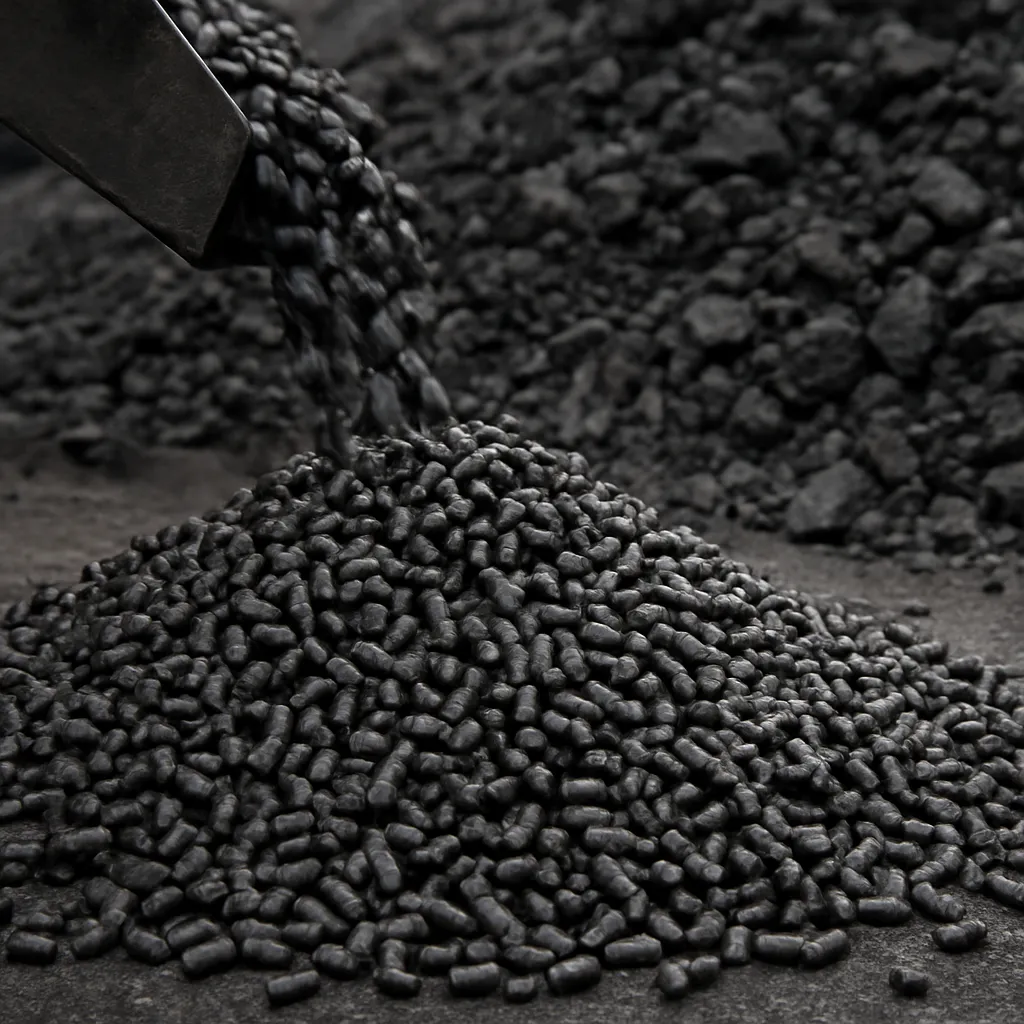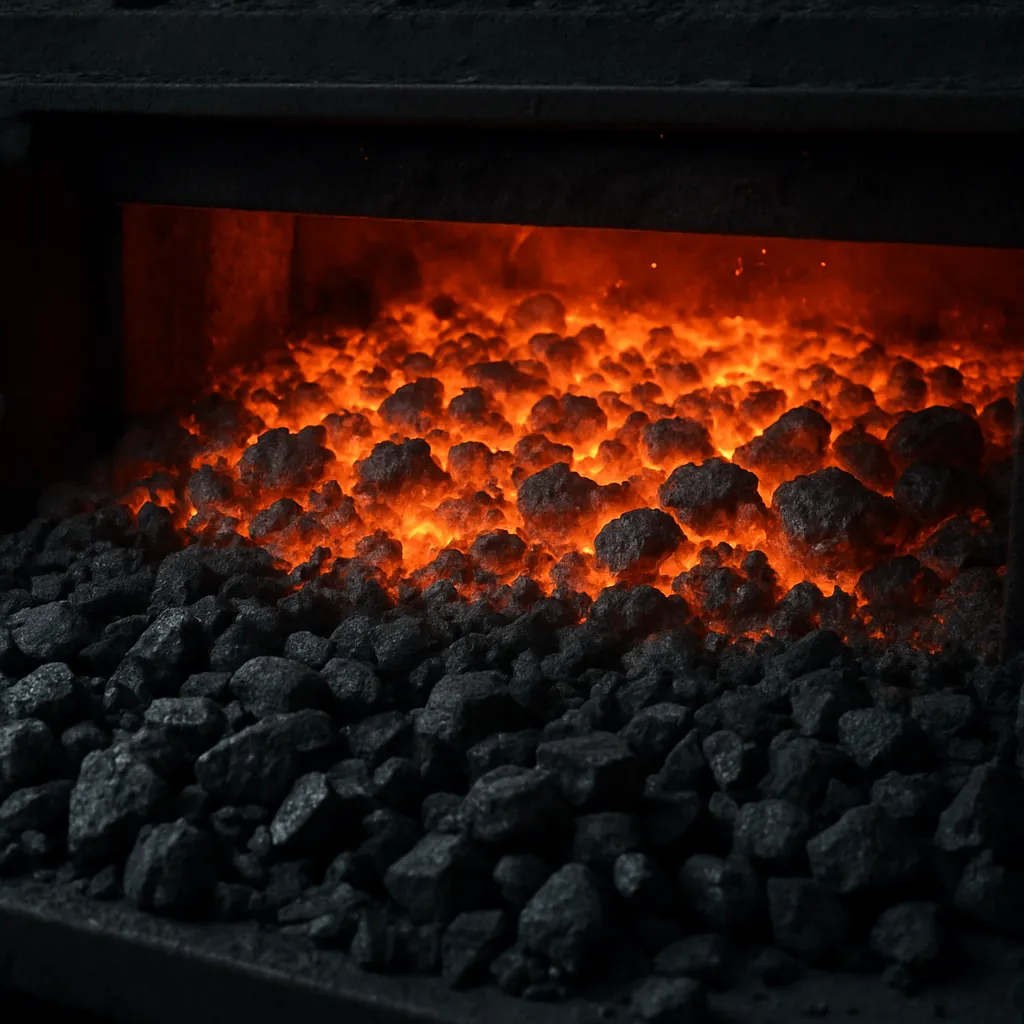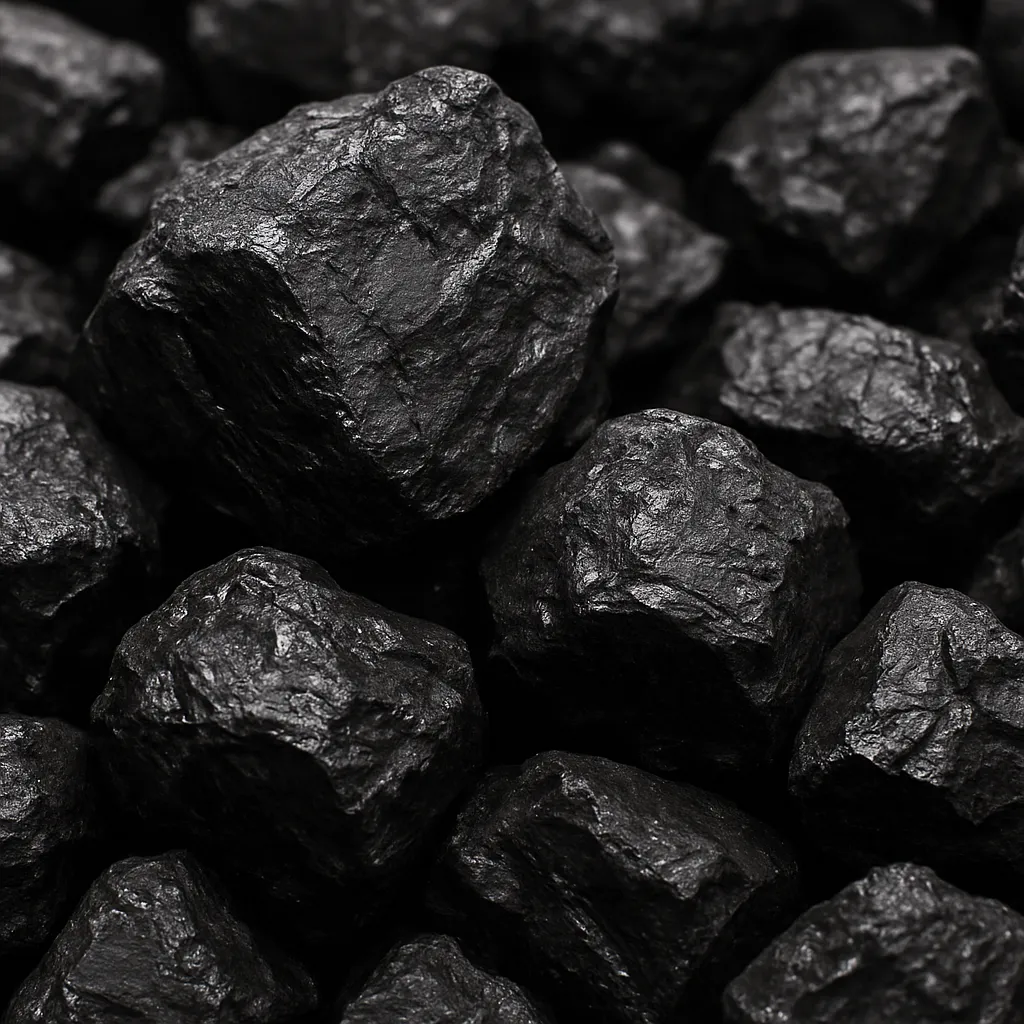
Bright coal — often used in industry and geology to describe high-luster, high-rank coals such as anthracite and high-grade bituminous coals — occupies a distinctive place in the global energy and materials landscape. This article examines what is commonly meant by bright coal, how it forms, where it is found and mined, its economic and industrial roles, and the environmental and social challenges associated with its extraction and use. The analysis combines geological description, mining and processing methods, market and statistical context, and an outlook for the future.
What is bright coal? Geology, classification and properties
The informal term bright coal typically refers to coal varieties with a shiny, glossy appearance and relatively high carbon content. In technical classification systems, these coals are represented by anthracite at the top of the coal rank scale and by some high-grade bituminous coals that display a bright, vitreous cleavage. Coal rank increases with progressive coalification — a process of heat and pressure that drives off volatile components and concentrates carbon — so bright coals have elevated proportions of fixed carbon, low volatile matter, low moisture and typically low ash and sulfur contents compared with lower-rank brown coals (lignite).
Key physical and chemical characteristics associated with bright coals include:
- High fixed-carbon content, often exceeding 80–90% in the case of anthracite.
- High calorific value, frequently in the range of 25–35 MJ/kg (higher heating value), depending on rank and moisture.
- Low volatile matter and a glossy, conchoidal fracture that gives the coal its “bright” appearance.
- Low reactivity compared with lower-rank coals, making combustion behavior different (cleaner flame, longer ignition time).
Where bright coal occurs and major mining regions
Bright coal deposits are found in many of the world’s major coal basins, formed during geological periods when abundant vegetation accumulated in swampy environments and was subsequently buried and transformed. Because bright coal corresponds to high rank, it is often associated with deeper burial and/or greater tectonic heating. Principal regions with significant bright-coal resources include:
- China — China hosts vast coal resources across numerous basins; while much of its production is lower-to-mid rank thermal coal, China also contains large deposits of higher-rank coals, including anthracite in provinces such as Shanxi, Shaanxi and Guizhou.
- Russia — Large reserves of high-grade coal, including anthracite and coking coals, occur in basins such as the Kuznetsk Basin (Kuzbass), the Donets Basin and Far Eastern deposits.
- United States — Eastern basins (Pennsylvania, Appalachia) historically yielded significant anthracite and high-rank bituminous coals; anthracite fields in Pennsylvania remain among the world’s classic deposits.
- Ukraine and parts of Eastern Europe — Donbas and other regions have historically produced bright and coking coals.
- Australia — Major exporter of high-quality metallurgical coals (coking) from the Bowen Basin and other fields; while strictly speaking not all metallurgical coal is “bright” in appearance, many high-grade coals with low volatiles and good coking properties show bright faces.
- South Africa, Vietnam, and scattered deposits in Canada, Colombia and elsewhere — these countries also contribute to the global supply of high-rank coals.
Globally, proved coal reserves are measured in the order of roughly 1 trillion tonnes of recoverable coal (estimates vary by source and year), with the largest share in Asia and Oceania and abundant reserves in North America and Eurasia. Bright and anthracitic reserves form a smaller subset of this total but are often concentrated in older, tectonically active basins where coal has been deeply buried and metamorphosed.
Mining, processing and quality control
Extraction techniques for bright coal mirror those used for other coal types but are chosen according to deposit geometry, depth and environmental considerations. Common mining methods include:
- Underground mining — longwall and room-and-pillar systems are prevalent for deep, high-rank coal seams. Longwall mining, where a large face is sheared by automated machinery, is the industry standard in many high-production districts.
- Open-pit (surface) mining — used when high-rank seams are near the surface or when multiple seams are economically strip-mined.
- Selective mining — because bright coals often command price premiums, selective extraction and careful handling to avoid contamination with higher-ash or higher-sulfur material are common practices.
Post-extraction processing (beneficiation) is crucial to produce marketable bright coal products:
- Coal washing (dense-medium separation) removes mineral matter and ash, improving calorific value and lowering emissions on combustion.
- Screening and sizing create product fractions for different markets (e.g., lump coal for domestic and industrial stoves, sinter feed, coking coal for blast furnaces).
- Drying and thermal treatment can further reduce moisture and improve handling and calorific performance.
Economic and statistical context
Bright coals — because of their quality — play central roles in certain value chains and regional economies. High-grade coals, particularly metallurgical (coking) coals, are essential for steel production; anthracite finds niches in specialty industries, residential heating in some regions, and water treatment. Economically significant points include:
- Market segmentation: coal markets are generally divided into thermal coal for electricity and heat, and metallurgical coal for steelmaking. Bright coals often intersect these segments as higher-grade thermal or metallurgical grades.
- Price dynamics: seaborne trade prices for high-quality metallurgical coal are more volatile than for broad thermal coal because of smaller traded volumes and sensitivity to steel cycle demand. Prices can spike during supply disruptions or strong steel demand phases.
- Export and import balances: major exporters of high-quality coals include Australia, Russia, the United States (metallurgical coal), and several smaller exporters such as Canada and Colombia. Major importers of metallurgical coal include China, Japan, South Korea and European countries.
Some widely observed statistical patterns (indicative rather than exhaustive):
- China consumes roughly half of the world’s coal in total energy terms, though its share of high-grade coal production and use varies by region and industry.
- Global coal still supplies around one-quarter to one-third of world electricity generation in most recent years, with regional variability — higher shares in countries relying heavily on coal-fired power.
- Metallurgical coal accounts for a smaller tonnage than thermal coal but represents a disproportionately large share of value in export markets.
Industrial significance and applications
Bright coal has diverse applications driven by its physical and chemical advantages. The principal industrial uses are:
- Steel production — coking coals are blended and carbonized in coke ovens to produce coke, the porous high-carbon material essential for blast furnace ironmaking. Bright, low-ash coals provide better coke strength and lower impurities.
- Power generation — some high-rank coals are combusted in power stations; they often produce less smoke and lower particulates per unit of heat compared with low-grade coals, but CO2 emissions remain a major issue.
- Residential and commercial heating — in regions with tradition of anthracite use, its clean-burning qualities and high energy density made it a preferred home heating fuel.
- Industrial carbons and filtration — anthracite is used in water filtration systems as a durable filtration medium and in specialized carbon products and activated carbons after further processing.
- Chemicals and carbon materials — coal-derived chemicals, pitch, binder materials for electrodes, and carbon fibers (indirectly) are areas where high-purity coals bring value after appropriate upgrading.
Environmental, social and regulatory challenges
Despite its technical advantages, bright coal shares many environmental and social challenges with other fossil fuels:
- Greenhouse gas emissions — combustion of coal is a major source of CO2. High-rank coals yield more energy per tonne and thus generally lower CO2 per unit energy compared with low-rank coals, but total emissions remain substantial.
- Local air pollution — particulates, NOx, SOx and mercury emissions from coal burning impact public health. High-quality coal reduces some impurity-driven emissions but does not eliminate them.
- Mining impacts — land disturbance, subsidence (in underground workings), acid mine drainage and waste-rock management present long-term environmental liabilities.
- Worker safety and community effects — mining communities often face occupational hazards, economic volatility tied to commodity cycles, and social challenges during mine closures or transitions.
Regulatory responses vary by country. Many jurisdictions implement air emissions controls, mine rehabilitation requirements, and progressive closure bonds. On the global stage, climate policies and voluntary corporate commitments are pressuring coal-consuming industries, especially in power generation, to decarbonize through fuel switching, efficiency improvements, or deployment of carbon capture, utilization and storage (CCUS).
Trends, innovations and the outlook for bright coal
The future of bright coal depends on a balance of demand in steel and specialty markets, the pace of global decarbonization, technological substitutes, and resource economics. Important trends and innovations include:
- Hydrogen-based steelmaking — pilot projects aim to use green or low-carbon hydrogen to reduce iron ore directly, which, if commercialized at scale, could reduce long-term demand for metallurgical coal.
- CCUS — capturing CO2 from coal-fired processes or industrial sources (e.g., coke ovens, coal-to-liquids plants) could preserve some coal-dependent industries under stricter climate regimes.
- Coal upgrading — improved beneficiation, thermal treatment, briquetting and chemical processing can produce higher-value coal products, reduce transport costs (by densification) and open niche markets.
- Recycling and materials substitution — increased scrap steel recycling and alternative binders/electrodes in some sectors may gradually reduce demand for certain coal-derived inputs.
Regional prospects diverge: in parts of Asia and Africa, coal-fired capacity is still being developed because of economic and reliability considerations, while many developed economies are retiring coal plants and moving toward renewables and gas. Metallurgical coal markets will remain linked to global steel demand, construction cycles and the pace of industrial modernization.
Interesting facts and practical considerations
- Anthracite was widely used in the 19th and early 20th centuries for domestic heating in towns and cities because of its clean burn and steady heat output; some urban areas still have anthracite-based heating systems.
- Because bright coal is less reactive, it is harder to ignite but burns longer and with less smoke — a property exploited in certain metallurgical and residential applications.
- Specialty uses such as water filtration employ graded anthracite beds layered with sand to achieve high-quality potable water filtration with long service lives.
- Historically, bright coals were prized for locomotive and industrial boilers, and their decline in some regions maps onto broader changes in energy technology and regulation.
Conclusions
Bright coal — embodied by anthracite and premium high-rank bituminous coals — remains an important material for particular industrial processes and regional energy systems. While the global transition to lower-carbon energy systems creates pressure on coal demand in power generation, the unique physical and chemical properties of bright coals give them continued value in steelmaking, specialty carbon products and niche applications. The economic outlook for bright coal therefore will be shaped by technological adoption in steel production, regulatory approaches to emissions, market volatility in commodity prices, and the capacity of mining regions to adapt to policy and demand shifts.
Key terms and concepts highlighted in this article such as anthracite, bituminous, lignite, metallurgical, thermal, calorific value, longwall mining, coal-fired power, greenhouse gases and coking coal encapsulate the technical, economic and environmental dimensions of bright coal. Understanding how these dimensions interact helps clarify where and why bright coal will continue to matter in the decades ahead.