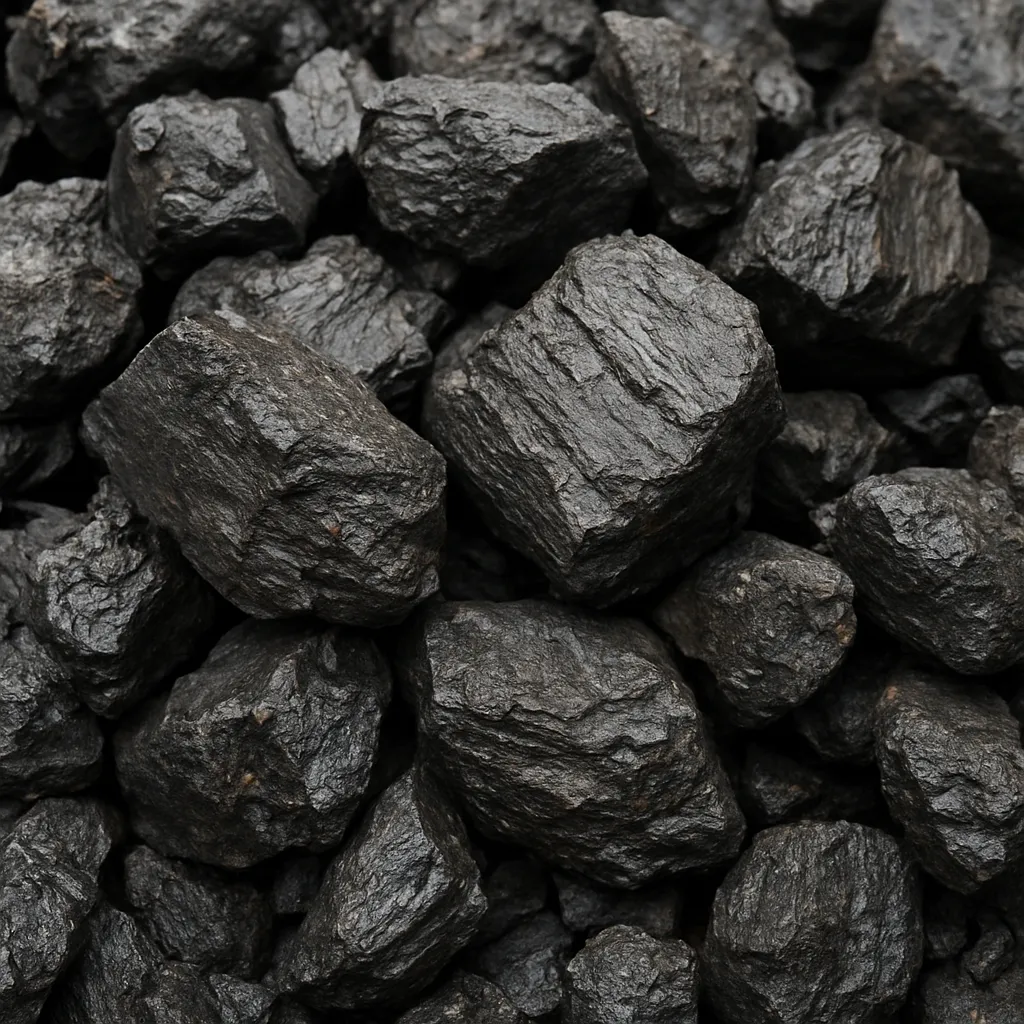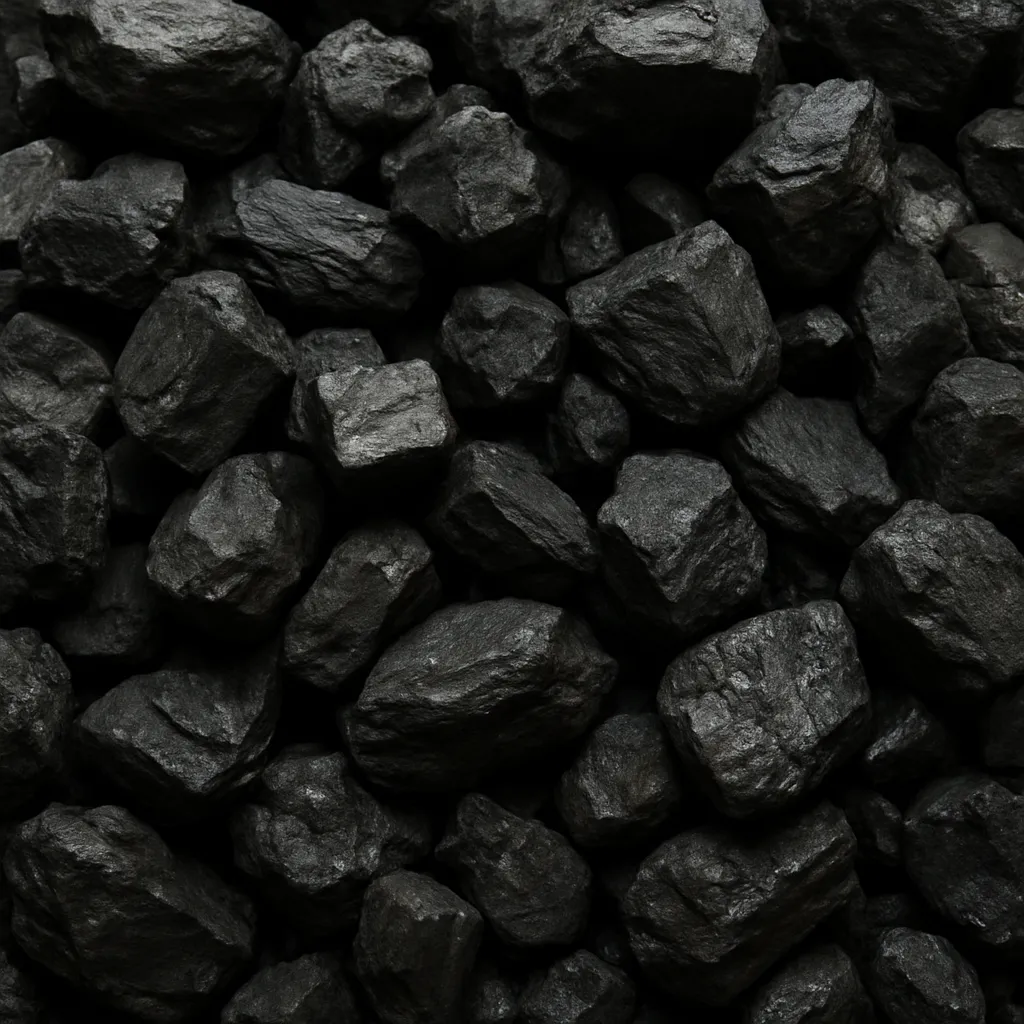
This article examines Durain coal, a regional coal type with distinct geological, economic and industrial attributes. It explores where Durain coal is found and mined, its chemical and physical characteristics, the role it plays in domestic and international energy markets, statistical and economic considerations, environmental and social impacts, and prospects for the future. The discussion combines geological context with practical information useful for engineers, policymakers, investors and the public.
Characteristics and classification of Durain coal
Durain coal is commonly described in geological and trade literature as a medium-rank coal that bridges the gap between sub-bituminous and high-volatile bituminous ranks. Its classification depends on local coalification history, but typical features include moderate to good calorific value, variable moisture and volatile matter contents, and generally lower sulfur levels compared with some high-rank coals. These properties make Durain coal adaptable to a range of energy and industrial applications.
Typical proximate and ultimate properties for Durain-type coals (expressed as commonly observed ranges) are:
- Gross calorific value: approximately 4,500–6,800 kcal/kg (on a moist, as-received basis)
- Moisture: can vary from 10% up to 30% in soft, newly mined seams
- Ash: usually moderate, 5–25%, depending on seam contamination and washing
- Volatile matter: high to very high (30–45%), indicating ease of ignition for thermal combustion
- Fixed carbon: moderate (40–60%) in higher-grade Durain
- Sulfur: often < 1.5% (many occurrences are low-sulfur, attractive for power generation)
These ranges are indicative rather than prescriptive: chemical composition changes with basin, depth, and geologic history. Where washing and beneficiation are applied, ash and sulfur can be reduced to improve commercial value.
Geological occurrence and global distribution
Durain coal occurrences are most often reported from tropical and subtropical coal basins where peat accumulation was followed by shallow to moderate burial and coalification. The highest concentrations of Durain-type seams are found in parts of Southeast Asia (notably Indonesia, Malaysia and the Philippines), certain basins in Australia, and localized occurrences in South America and parts of Africa. In many productive basins the seams are relatively young in geological terms (Tertiary age), which explains the moderate rank.
Typical depositional settings for Durain coals are deltaic and lacustrine environments where organic matter accumulated rapidly and was periodically overlain by clastic sediments. This leads to variable seam continuity and quality—which is why many Durain deposits are mined selectively and often require beneficiation. In Indonesia, for example, large open-pit basins host seams that are ideal for bulk mining and export, while in some other regions Durain seams are thinner and are recovered by smaller-scale operations or underground methods.
Mining methods and processing
Mining of Durain coal employs both open-pit (surface) and underground methods depending on seam depth, thickness and local economics. In basins with thick, shallow seams, truck-and-shovel open-cast mining is common because it offers low cost per tonne and high production rates. Where seams are deeper or constrained by environmental and land-use factors, room-and-pillar or longwall underground mining may be used.
Because Durain coal often contains variable ash and impurities, processing and beneficiation are significant parts of the value chain. Typical processing steps include:
- Crushing and screening to produce marketable size fractions
- Dense medium separation or gravity concentration to reduce ash content
- Washing to lower inorganic impurities and improve calorific value
- Drying and blending to meet customer specifications
Effective beneficiation can markedly increase market value, turning lower-grade Durain into a competitive thermal coal for power plants or a feedstock for certain industrial boilers.
Economic and statistical perspective
Durain coal plays a notable economic role in regions where it is abundant. While it is not typically marketed as a single globally tracked grade like some standardized metallurgical coals, it forms part of the broader thermal coal export pool from countries such as Indonesia, Australia and other exporters. These countries together supply a significant share of global seaborne thermal coal.
Key economic aspects include:
- Export earnings: In major supplying countries, thermal coal exports generate billions of US dollars in annual revenue. For instance, Indonesia’s total coal export revenue has historically been in the tens of billions USD range per year (figures fluctuate with price cycles and production volumes), reflecting the importance of coal to national trade balances.
- Employment: Coal mining and downstream services support tens to hundreds of thousands of direct and indirect jobs in producing regions—ranging from mine operations and transport to port handling and equipment maintenance.
- Local energy security: Durain coals frequently supply domestic power plants, contributing to grid stability and base-load generation in countries with significant coal-fired generation fleets.
Statistical context (approximate and indicative):
- Seaborne thermal coal trade is measured in hundreds of millions of tonnes annually. Major exporters—Indonesia and Australia—each move several hundred million tonnes per year through export channels in years of high demand.
- Coal-fired generation remains a large fraction of electricity in many Asian countries; in several ASEAN countries coal supplies between 30% and 60% of power generation in recent years.
- Unit economics vary strongly with quality: higher-calorific, low-ash Durain material often commands a price premium versus lower-quality blends, especially where shipping distance to major buyers is short.
These figures are influenced by global commodity cycles, policy shifts (carbon pricing, phase-out initiatives), and technological changes in energy systems.
Industrial uses and significance
The principal market for Durain coal is thermal power generation. Its moderate calorific value and favorable combustion properties (high volatile matter, reliable ignition) make it suitable for pulverized coal-fired boilers and certain fluidized-bed units. In addition to electricity generation, Durain coal can be used in:
- Industrial heat for cement kilns, brickworks and chemical process heating
- Combined heat and power (CHP) plants supplying both electricity and process steam
- Co-firing with biomass in power plants to reduce net CO2 intensity per unit of energy produced
Durain coal is generally not the preferred feedstock for high-grade steelmaking (coking) unless it undergoes upgrade through proprietary treatment or blending; metallurgical coals require specific low-volatile, high-carbon properties. However, Durain coal can be a component of blended thermal coals used as a fuel input in various industrial processes.
Environmental and social considerations
Like all fossil fuels, Durain coal poses environmental challenges. The key issues include:
- Greenhouse gas emissions: Combustion produces CO2 that contributes to climate change. When used for power generation, Durain coal’s lifecycle emissions are comparable to other thermal coals of similar rank.
- Local air quality: Combustion can emit particulate matter (PM), NOx and SO2; however, many Durain occurrences are low-sulfur, which helps reduce SO2 emissions relative to high-sulfur coals.
- Land and water impacts: Open-pit mining alters landscapes and can affect hydrology. Tailings and wash water from beneficiation must be managed to prevent contamination.
- Social impacts: Mining creates jobs but can also spark land-rights conflicts and resettlement issues. Good practice requires community engagement, benefit-sharing and transparent permitting processes.
Regulatory frameworks, best-practice environmental management and modern emissions-control technologies (flue gas desulfurization, selective catalytic reduction, particulate filters) can mitigate many negative impacts. Additionally, mine rehabilitation and progressive closure planning are increasingly integral to project economics and social license to operate.
Market dynamics, trade and pricing
The market for Durain coal is influenced by the same forces that shape the global thermal coal market: global economic activity, power sector demand (particularly in Asia), freight costs, exchange rates and environmental policy. Because Durain is often sold as part of blended shiploads or under long-term supply contracts, its price behavior tends to track regional thermal coal indices rather than a highly specific grade index.
Important trade dynamics:
- Shipping routes: Durain coal’s competitiveness improves when mined near major export ports and close to high-demand markets in East and South Asia, reducing freight costs.
- Contract types: Sales can be spot-market, indexed contracts, or long-term take-or-pay arrangements with utilities and trading houses.
- Quality premiums and penalties: Ash, moisture and sulfur levels determine adjustments in price or suitability for certain buyers. Beneficiation to meet specification is a common commercial strategy.
Supply-side shocks (strikes, flooding, regulatory restrictions) or demand-side shocks (rapid renewables deployment, economic slowdowns) can produce price volatility—an important factor for producers and buyers managing risk.
Technological developments and decarbonization pathways
The energy transition is reshaping the outlook for all coal types, including Durain. Technologies and strategies that affect Durain coal’s future role include:
- Efficiency improvements in coal-fired plants (supercritical and ultra-supercritical units) reduce CO2 per MWh produced, making higher-efficiency use of Durain coal an intermediate mitigation option.
- Co-firing with biomass lowers net lifecycle emissions and uses existing infrastructure.
- Carbon capture and storage (CCS) could enable continued use of coal in a decarbonized grid if costs and infrastructure hurdles are overcome; however, CCS deployment remains limited and expensive.
- Advanced beneficiation and coal upgrading processes can produce cleaner, more valuable fuel streams from Durain feedstock, improving marketability.
Public policy—carbon pricing, emissions regulations, renewable energy mandates—will be decisive in determining whether Durain coal is phased out quickly or used in a managed decline with emissions mitigation.
Socioeconomic impacts and community relations
Mining regions that host Durain coal deposits often experience mixed socioeconomic outcomes. On the positive side, coal operations can accelerate local development through:
- Job creation in mining, logistics, processing and support services
- Infrastructure investments (roads, ports, power) that benefit broader economic activity
- Government revenues via royalties and taxes that can fund public services
At the same time, impacts to livelihoods (agriculture, fisheries), health concerns from dust and emissions, and questions over fair distribution of benefits can provoke opposition. Modern mine operators increasingly adopt community development agreements, local hiring targets, and investment in health and education to build long-term social license.
Future outlook
Durain coal’s trajectory depends on a balance between short-to-medium-term energy demand in developing regions and long-term decarbonization commitments. In the near term, Durain will likely remain an important thermal fuel for countries with growing electricity demand and limited alternative capacity. In the medium to long term, market share will respond to:
- How rapidly countries deploy renewables, storage, and demand-side management
- Whether carbon reduction technologies (CCS, co-firing with negative-emission biomass) become commercial at scale
- Regulatory frameworks that penalize high-emission fuels or incentivize lower-carbon alternatives
Producers and policymakers seeking to maximize the value of Durain coal can pursue strategies such as improving operational efficiency, investing in beneficiation to meet premium specifications, diversifying local economies, and preparing phased rehabilitation and economic transition plans for mining communities.
Final remarks
Durain coal occupies a practical niche in the global thermal coal landscape: geologically widespread in certain regions, commercially flexible through beneficiation and blending, and economically significant for local and export-focused economies. Its future will be shaped by technical innovation, market forces, and climate-policy decisions. Understanding Durain coal therefore requires an integrated view that links geology, mining practice, economics and social-environmental stewardship.