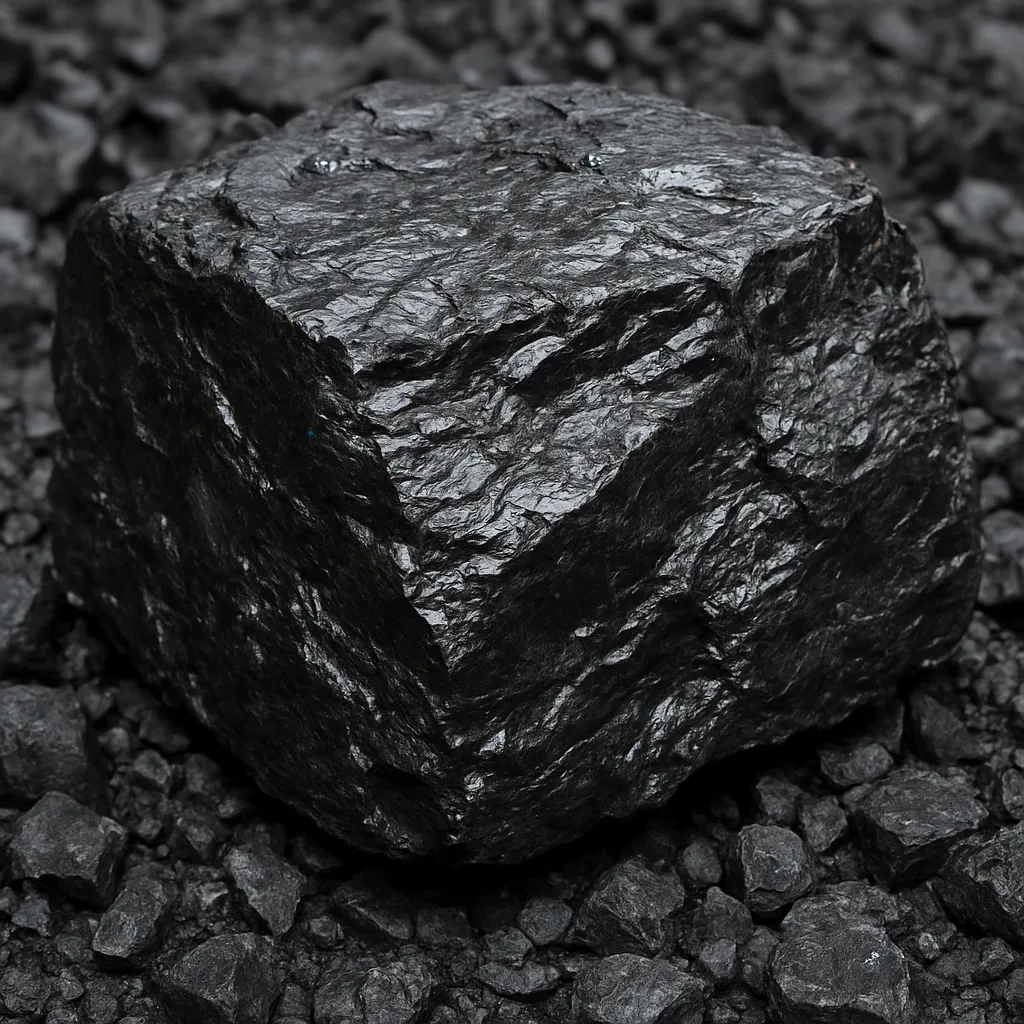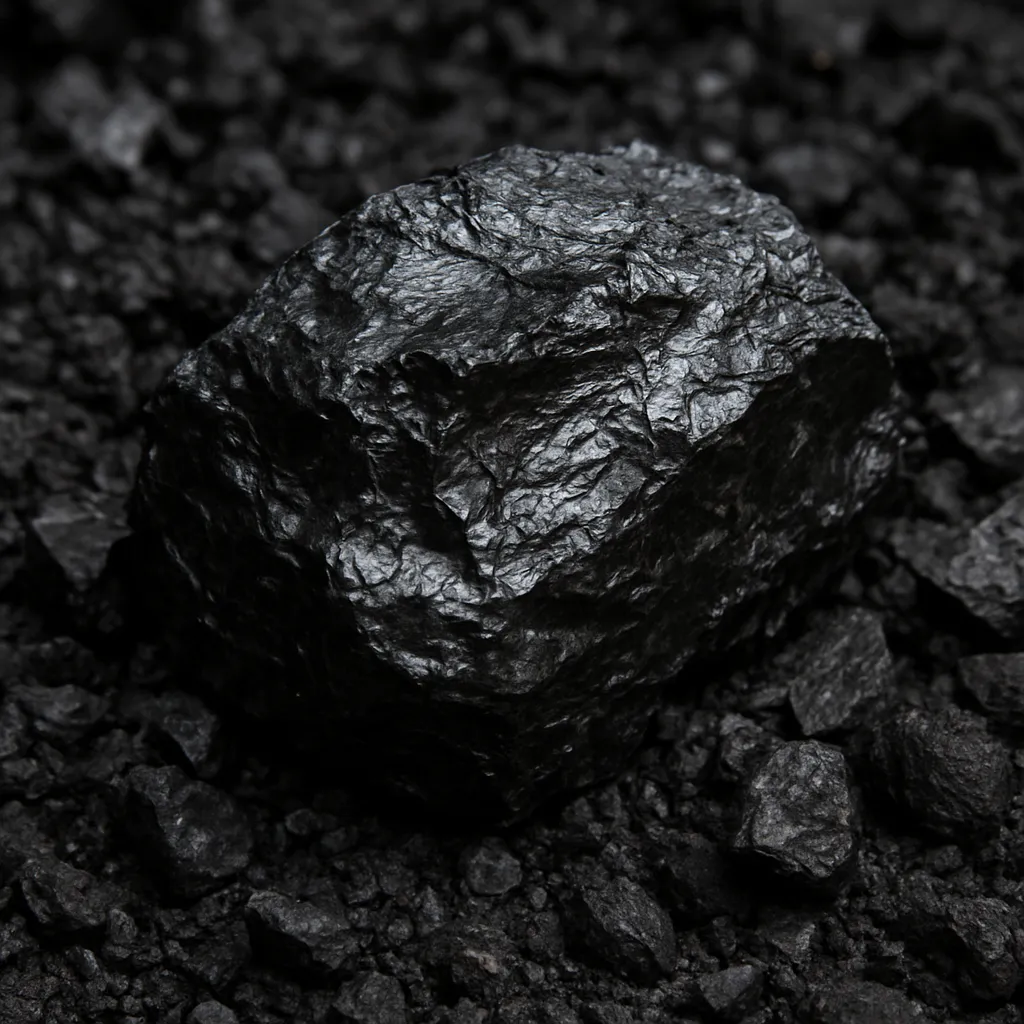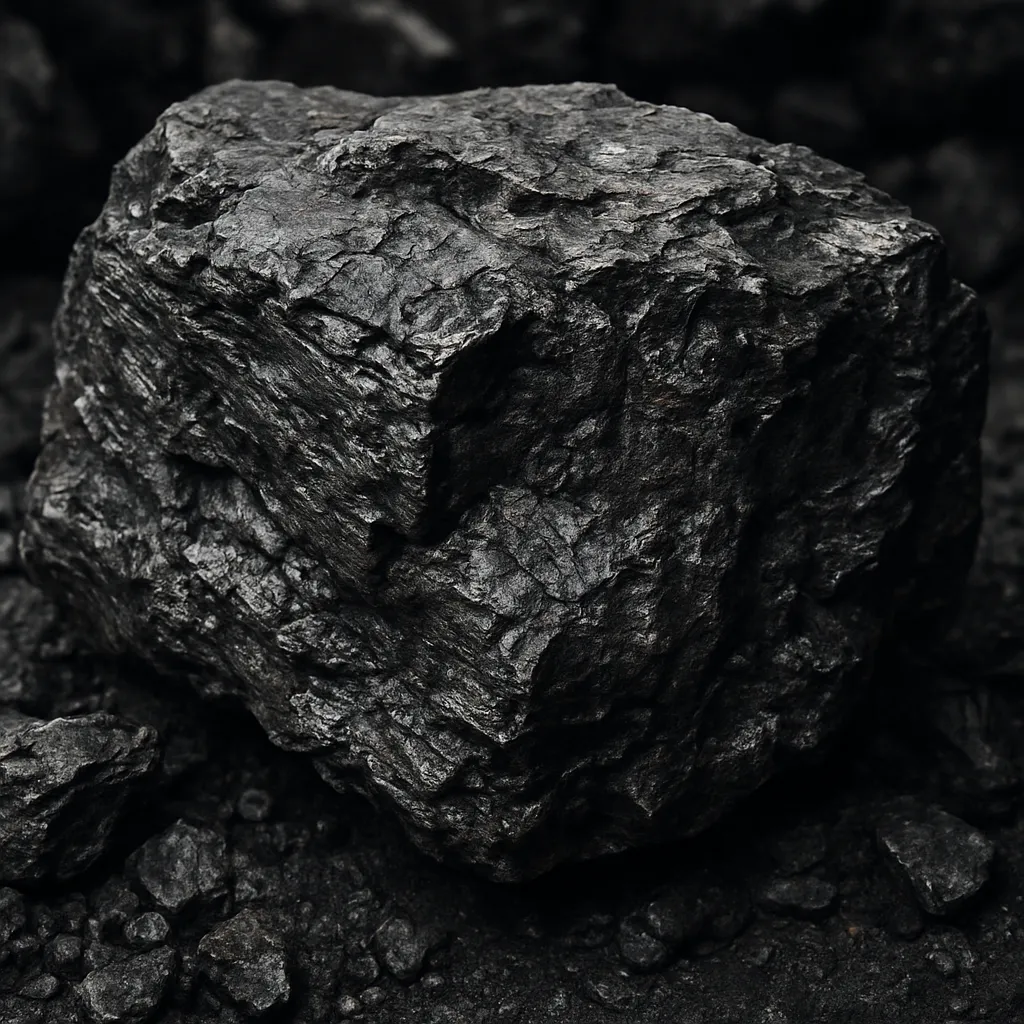
Coal characterized by a high content of inertinite macerals represents a distinct and economically important subset of the world’s coals. These coals carry a record of past environmental conditions, pose specific technical challenges for mining and utilization, and create both opportunities and constraints for industry. Below you will find a comprehensive overview of the petrographic nature, distribution, mining and processing, economic implications, industrial uses, and environmental considerations associated with coal with high inertinite content. The article collects technical, economic and practical perspectives to help readers understand why these coals matter for modern energy systems and industrial applications.
Petrographic nature and properties of high-inertinite coals
In coal petrography, the term inertinite denotes a group of macerals derived from highly altered plant material that has undergone significant oxidation, fungal or microbial decay, or charring before burial. Inertinite macerals include semifusinite, fusinite, micrinite, and macrinite among others. They contrast with vitrinite, the maceral group derived from relatively unaltered plant tissues (e.g., woody tissue), and exinite (liptinite), derived from spores, cuticles and resins.
Key physical and chemical features of coals with high inertinite content:
- Optical properties: Inertinite typically exhibits higher reflectance than vitrinite. In microscopical analysis, inertinite particles appear brighter and more reflective.
- Carbonization behaviour: High inertinite coals often show reduced plasticity and lower semicokes quality during conventional carbonization, making them less suitable for producing strong metallurgical coke on their own.
- Volatile matter and fixed carbon: Inertinite-rich coals generally contain lower volatile matter and a higher proportion of non-plastic carbonaceous material compared with vitrinite-rich coals, impacting combustion and gasification characteristics.
- Porosity and reactivity: Inertinite chars can show distinct pore structures and oxidation reactivity; in some cases, they are more reactive during combustion because of their porous char structure, while in others their higher maturity/oxidation imparts lower reactivity compared with less-altered vitrinite-derived chars.
- Trace elements and ash: The association of minerals and trace elements varies by deposit; high inertinite content does not universally correlate with higher ash, but local geology may produce coals with elevated ash or specific trace element signatures.
From a classification perspective, coals may be described as “inertinite-rich” when inertinite content exceeds typical background levels. Many published studies and industry reports use thresholds of 20–30% inertinite to identify coals where maceral composition materially affects behavior; some seams reach 50% or more inertinite.
Where high-inertinite coals occur and major producing regions
The distribution of inertinite-rich coals is governed by paleoenvironmental conditions in which peat accumulated: frequent wildfires, seasonal droughts, subaerial exposure, and oxidizing conditions favor inertinite formation. As a result, certain geological periods and depositional settings are more inclined to produce high-inertinite seams.
Notable basins and regions
- Australia: Permian Gondwana coals in the Bowen and Sydney Basins commonly contain significant inertinite; Australian coal research has documented frequent high inertinite percentages in some seams, linked to ancient fire-prone conditions in Gondwana landscapes.
- South Africa: Karoo Basin coals show variable but sometimes high inertinite contents; mines supplying domestic power and industrial uses occasionally extract inertinite-rich seams.
- North America: In parts of the Appalachian and Illinois Basins, certain seams and local zones exhibit elevated inertinite due to paleofire and oxidation; western US coals (e.g., some Powder River Basin) are typically lower in inertinite but local variability exists.
- Poland and Central Europe: Some seams in the Upper Silesian Coal Basin and other European coalfields display notable inertinite fractions related to depositional settings and peatland dynamics.
- Russia and China: Large, heterogeneous coalfields include seams with significant inertinite proportions; given their scale, small percentages of high-inertinite coal translate into substantial tonnages.
Because inertinite content is highly variable vertically and laterally within seams, many mining operations encounter alternating layers of high and low inertinite, which affects processing and blending strategies.
Mining, beneficiation and processing of inertinite-rich coals
Operational handling of inertinite-rich coals must address both geological variability and downstream quality requirements. Practical responses include selective mining, washing and beneficiation, blending, and thermal or chemical upgrading.
Extraction and selective mining
- Selective longwall or room-and-pillar mining can target more homogeneous seam sections, avoiding pockets of very high inertinite where necessary.
- Geological and petrographic logging of cores and faces helps identify inertinite-rich horizons before processing decisions are taken.
Beneficiation and blending
- Washing (density separation) removes mineral matter but does not change maceral composition; it can improve ash and sulfur but not plasticity deficits caused by inertinite.
- Blending is often the most practical approach: blending inertinite-rich coal with vitrinite-rich coals can restore coking properties or tailor fuel blends for specific combustion/gasification systems.
- For pulverized fuel applications, inertinite-rich coal may be blended to achieve desired volatile matter and grindability.
Upgrading and conversion
- Thermal treatments such as mild carbonization, torrefaction or hydrothermal processing can modify fuel properties and produce stable, energy-dense products from inertinite-rich feedstocks.
- Gasification converts coal (including inertinite-rich types) into syngas; performance depends on reactivity, ash behavior and trace elements but gasifiers can tolerate diverse feedstocks when properly operated.
- Activation and specialty carbons: Some inertinite-rich chars have properties desirable for activated carbons or carbon materials if impurities are manageable and yields are economical.
Industrial uses and technological significance
High-inertinite coals have mixed implications for various industries. Their unique maceral makeup alters performance in several applications:
- Power generation: Inertinite-rich coals typically have lower volatile matter and altered combustion profiles. They can be burned in pulverized coal boilers, fluidized beds or circulating fluidized beds, though ignition and flame stability characteristics may differ from high-vitrinite coals. Co-firing and blend management are common to ensure consistent heat release and emissions performance.
- Metallurgical coke production: Pure inertinite-rich coals are generally less suitable for traditional metallurgical coke making because their low plasticity impairs the formation of a coherent coke matrix. However, they can be blended with high-fluidity coking coals to optimize coke quality and resource use.
- Gasification and chemical feedstocks: Gasifiers accept a broad range of coal types; inertinite-rich coals are used to produce syngas for chemicals, fertilizers, and hydrogen, provided operational parameters are adjusted for their reactivity and ash behavior.
- Carbon products: Certain carbonaceous products—e.g., carbon black precursors, specialty activated carbons—may be manufactured from inertinite-rich coals if impurity and yield constraints are met.
- Industrial heating and briquetting: Because inertinite may affect briquette strength and ignition, formulation and binder choice are important. In scenarios where long-burn, low-smoke fuels are desired, inertinite can be an asset.
Economic and market considerations
From a commercial viewpoint, high-inertinite content influences coal value, marketability, and the structure of supply chains. Key economic factors include:
- Price discounts and premiums: In market segments that require specific petrographic properties (e.g., metallurgical coke producers), inertinite-rich coals may fetch a discount unless blended appropriately. Conversely, if inertinite imparts beneficial characteristics for particular power or carbon products, it can command a fair price within those niches.
- Logistics and blending costs: Additional processing, transport of supplementary coals for blending, or investments in beneficiation facilities raise delivered cost and affect competitiveness.
- Demand elasticity: Demand for coals tailored to power plants, gasifiers or coke yards fluctuates with commodity cycles—steel demand, electricity generation patterns, gas prices, and regulatory regimes all interact with inertinite-related economics.
- Reserve value: Coals with high inertinite often occur in large, diffuse seams; even if unit prices are lower, gigaton-scale resources can represent substantial economic value for regional economies and energy security.
While market prices vary by region and specification, the economic trade-off for inertinite-rich coal typically revolves around whether blending and upgrading costs outweigh the benefits of local availability and lower baseline price.
Statistical perspectives and representative numbers
Precise global statistics specifically isolating inertinite-rich coal tonnages are not commonly published as a single dataset, because commercial and national reporting focuses on rank, calorific value and ash rather than maceral composition. However, useful statistical perspectives include:
- In many coalfields, inertinite content commonly ranges from a few percent to over 50% by volume in certain seams or benches. A practical industry threshold for “inertinite-rich” behavior often lies in the 20–30% range, while some specialized seams may show 50–80% inertinite.
- Case studies from regional petrographic surveys: reports from Permian strata in Australia and from the Karoo Basin in South Africa document multiple seams with inertinite in the 30–60% range. Similar ranges are reported in localized pockets of the Appalachian and Illinois Basins in the United States.
- Coal quality databases used by producers and buyers typically list vitrinite and inertinite percentages where petrographic analysis has been performed; for major export coals the proportion of samples with inertinite >30% is modest but not rare, reflecting geological variability.
Because inertinite influences coking properties and combustion behavior, many metallurgical and power-sector coal tenders specify maximum inertinite or minimum vitrinite reflectance ranges. These contract specifications translate petrographic percentages into commercial impact even without a single global inertinite statistic.
Environmental, health and regulatory aspects
High-inertinite coals interact with environmental and regulatory priorities in several ways:
- Emissions: Combustion emissions—NOx, SOx, particulate matter, and mercury—depend strongly on ash content, trace elements and combustion conditions rather than inertinite alone. However, inertinite-related low volatile content can influence furnace temperatures and combustion stoichiometry, indirectly affecting emissions control performance.
- Wildfire paleo-indicators: Inertinite abundance is an important paleoenvironmental indicator: high inertinite reflects historic fire regimes and oxidizing peat conditions, informing geological and climate reconstructions.
- Human health: Particle emissions and toxic metal releases from coal combustion are controlled by fuel chemistry and pollution control technologies. Handling dusty inertinite-rich coals requires standard occupational dust control and monitoring.
- Reclamation and sustainability: Mining of any coal type requires land rehabilitation and water management. Inertinite content does not markedly change standard environmental management, though local geochemistry influences acid rock drainage potential and requires site-specific mitigation.
Case studies and practical examples
Several practical examples highlight how inertinite content affects decisions:
- Australia (Bowen and Sydney Basins): Some seams historically considered lower-grade for metallurgical use due to inertinite have been successfully integrated into power and gasification projects after tailored beneficiation and blending, underpinning regional energy supply resilience.
- South Africa (Karoo): Inertinite-rich layers in the Karoo have been of interest for local power generation and possible conversion to liquid fuels or syngas, given the large resource base and strategic energy considerations.
- Poland and Central Europe: Mines with variable inertinite content employ detailed petrographic logging and blending strategies to meet both domestic power plant and export specifications; this micro-management of seam variability preserves market access.
Technological challenges and research directions
Several technology and research themes are active where inertinite-rich coals are concerned:
- Improved characterization: Advances in automated petrographic analysis and image processing enable faster, more precise mapping of inertinite distribution and particle morphology, improving mine planning and blending.
- Upgrading processes: Research into selective oxidation, chemical treatment, and advanced thermal upgrading aims to mitigate the drawbacks of inertinite for coking and other high-value uses.
- Gasification and carbon capture: Integrating inertinite-rich feedstocks with high-efficiency gasification and carbon capture systems may provide a pathway for cleaner utilization where coal remains part of the energy mix.
- Materials science: Understanding char microstructure from inertinite-rich coals supports production of engineered carbon products, potentially converting lower-value coals into specialty materials.
Conclusions and outlook
Coal with high inertinite content is neither uniformly “bad” nor universally “good.” Its value depends on the industrial application, local resource economics, and the availability of blending or upgrading options. In many basins, inertinite-rich seams form substantial parts of the resource base and can be harnessed effectively for power generation, gasification, and certain carbon products when technical strategies are adapted to their petrographic character.
Looking forward, the role of these coals will be shaped by broader trends in energy policy, decarbonization technologies, and market demand for metallurgical and chemical feedstocks. Innovations in beneficiation, thermal processing and carbon management will determine how inertinite-rich resources are integrated into future supply chains. Meanwhile, their scientific value as paleoenvironmental archives continues to inform geological and climate research.
Key words emphasized in this article provide quick orientation to the most important concepts: inertinite, vitrinite, coalification, carbonization, gasification, coking, energy, beneficiation, blending, reactivity.