The following article provides a comprehensive overview of the Satui coal mining area in Indonesia. It covers the mine’s location, geological characteristics, mining methods, economic significance, production and export dynamics, infrastructure, environmental and social considerations, and its role in the national and global coal industry. Where specific figures are given, they reflect commonly reported ranges and historical patterns; some data may vary year to year due to market conditions, regulatory changes, and company operations.
Location and Geological Setting
The Satui site is located in the province of South Kalimantan, on the southeastern coast of the Indonesian portion of Borneo. The mine lies within a region known for extensive coal-bearing formations that have been exploited for decades. The terrain around Satui is a mix of coastal plains, riverine systems, and low-lying tropical peatlands and swamps, transitioning inland to undulating areas where coal seams are accessible nearer the surface.
Geologically, the area is part of the tertiary basins that characterize much of Kalimantan’s coal resources. The strata contain sequences of sandstones, shales, and coal seams deposited in deltaic to paralic (coastal swamp) environments during the Miocene to Pliocene. These depositional settings commonly produce coal with attributes suitable for power generation and certain industrial uses. Local geology often results in multiple seams of variable thickness and quality, which influence mine planning and the selection of extraction methods.
Coal Type and Quality
The Satui area predominantly yields thermal coal used for electricity generation and industrial boilers. The coal from this region is typically in the low- to medium-rank range, often classified as sub-bituminous to high-volatile bituminous in some seams. Typical characteristics reported for Kalimantan coals that are relevant to Satui include:
- Calorific value (gross as received) commonly in the range of approximately 3,800–6,000 kcal/kg, depending on the seam and washing processes.
- Moisture content that can be relatively high in raw (run-of-mine) material, often reduced through drying and coal beneficiation.
- Low to moderate sulfur content, frequently below 1% by weight, which makes the coal attractive to markets with sulfur-emission concerns.
- Ash content that varies by seam and washing; raw ash percentages can range widely (single-digit to the mid-teens), with washed product ash reduced to competitive levels.
Because of these properties, Satui’s coal is primarily marketed as a thermal fuel for utilities and industrial users rather than as coking coal for metallurgical processes. Beneficiation and blending are commonly used to meet specific calorific and ash specifications demanded by buyers.
Mining Methods and Site Operations
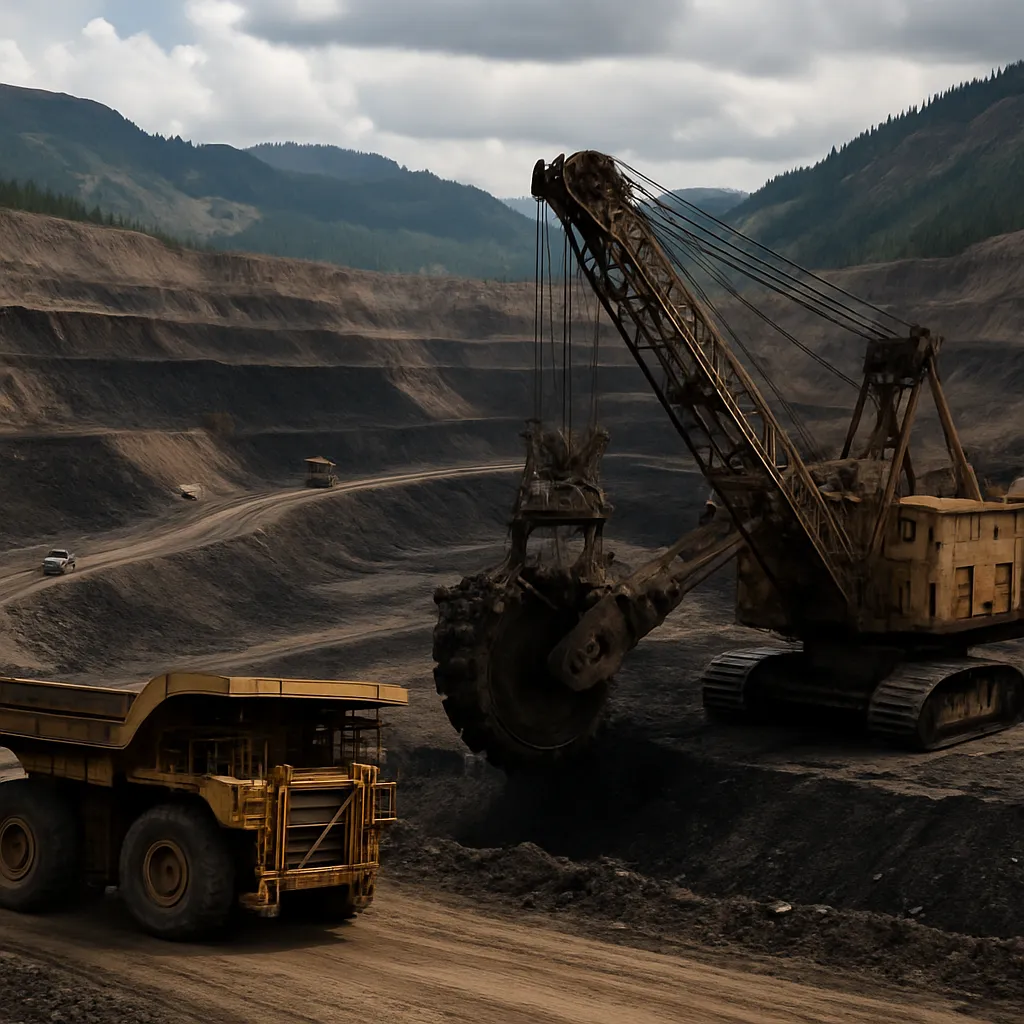
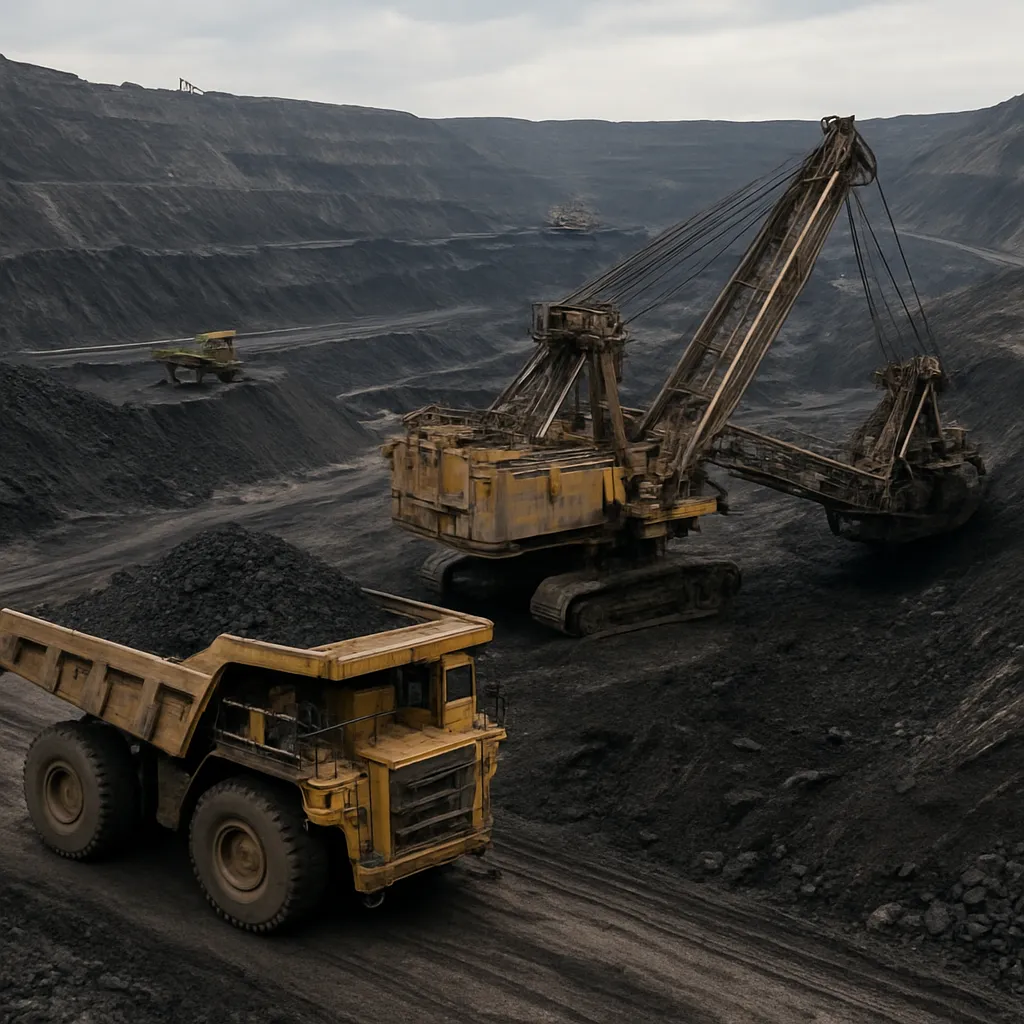
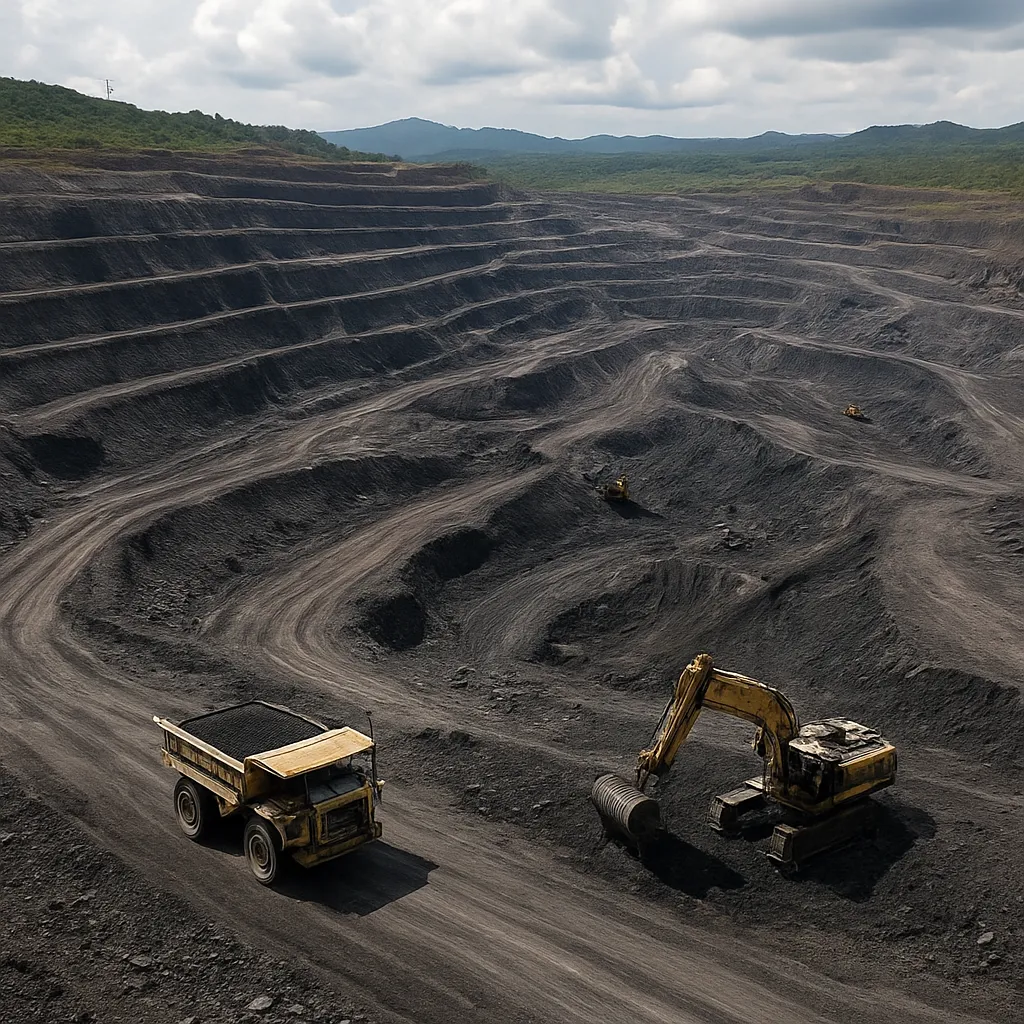
The mining operations at Satui are predominantly open-pit, which is the standard method for large, near-surface coal deposits in Kalimantan. Open-pit mining allows for efficient extraction of thick, laterally continuous seams and supports mechanized earthmoving fleets, including excavators, dump trucks, and conveyor systems where appropriate.
Key operational components typically include:
- Overburden removal and progressive pit development, designed to access multiple seams while optimizing waste management and pit stability.
- Coal handling facilities on site for run-of-mine processing, including screening, crushing, and possible washing/beneficiation to improve product quality.
- Stockpiling and loadout areas connected to coastal berthing or transshipment points to enable export logistics.
- Continuous monitoring for safety, slope stability, and water management to control runoff and minimize interaction with local waterways.
Operational schedules at Satui and similar mines are shaped by market demand, monsoonal weather patterns that affect haul roads and port accessibility, and regulatory constraints related to land use and environmental permits.
Economic and Statistical Overview
The Satui mine contributes to both local and national economies through employment, taxes, and foreign exchange earnings from exports. Coal is a critical component of Indonesia’s energy and export profile; the country consistently ranks among the world’s largest thermal coal exporters, with hundreds of millions of tonnes shipped annually in recent decades. Within that national context, Satui is one of several medium-to-large producing operations in South Kalimantan.
Typical economic impacts associated with a mine like Satui include:
- Direct employment for several hundred to a few thousand site workers, depending on production scale and mechanization level. Employment extends beyond mining staff to contractors in maintenance, haulage, and processing.
- Indirect job creation in logistics, port operations, local services, and supply chains.
- Government revenue through royalties, corporate taxes, and local taxes/fees; the exact fiscal contribution varies with production levels and prevailing tax/royalty frameworks.
- Foreign exchange generation from export sales to regional buyers, which supports national balance-of-payments positions.
Production figures from specific years can vary considerably. Publicly available historical reporting for Satui and neighboring mines indicates production levels that can range from a few million tonnes per annum to higher figures depending on investment, market demand, and operational expansions. For readers seeking precise, current-year statistics, company annual reports and government mining agencies typically publish up-to-date production, sales, and reserve numbers.
Markets and Logistics
Satui’s coastal position facilitates access to both domestic power plants and international seaborne markets. Indonesian thermal coal is primarily shipped to Asian consumers, including major buyers such as China, India, Japan, South Korea, Taiwan, and increasingly Southeast Asian countries that rely on coal for grid stability.
Logistics commonly feature:
- On-site or nearby loadout facilities feeding small coastal ports or transshipment points. Some mines use barges to deliver coal to larger commercial loading terminals offshore.
- Coastal shipping routes that connect to regional bulk carriers and Handymax/Supramax vessels commonly used for medium-sized thermal-coal cargoes.
- Integration with national supply chains when supplying domestic independent power producers (IPPs) and state utilities.
Infrastructure investments—such as improved port facilities, conveyor systems, and access roads—can significantly influence the cost competitiveness of a mine like Satui by lowering unit transport costs and improving reliability.
Environmental and Social Considerations
Mining in areas like Satui raises several environmental and social issues that require active management. Key topics include land use change, water management, biodiversity impacts, air quality, and community relations. Best-practice operators implement mitigation measures and community engagement programs to reduce negative impacts and enhance local benefits.
- Water management: Proper handling of mine dewatering, sediment control, and treatment of run-off is essential to protect downstream ecosystems and fisheries. Siltation and changes to river flow can affect agriculture and fishing communities.
- Peat and carbon: Some nearby landscapes include peat and mangrove habitats; disturbance of these ecosystems can release substantial amounts of stored carbon and affect coastal resilience. Careful mapping and avoidance or rehabilitation are critical.
- Air quality: Dust control measures, such as wetting of haul roads and covered conveyors, reduce particulate emissions affecting worker health and nearby settlements.
- Rehabilitation: Progressive rehabilitation of mined-out areas, including recontouring, topsoil replacement, and revegetation, is a regulatory and social expectation, with long-term monitoring for success.
- Social license to operate: Engagement with local communities, compensation for land use, local hiring initiatives, and investment in social infrastructure (education, health, roads) are central to maintaining stable operations.
National-level environmental regulations, as well as international financing or buyer-driven sustainability criteria, increasingly influence how mines operate. Many operators pursue certification schemes, reporting of greenhouse gas emissions, and community development programs to reduce reputational risk and comply with market expectations.
Role in Indonesian and Global Coal Industry
Within the Indonesian coal sector, the Satui operation is one of multiple mines that together underpin the country’s role as a major seaborne thermal coal supplier. Indonesia’s competitive advantages—including large deposits, proximity to Asian markets, and established shipping routes—have supported decades of growth in coal output.
Globally, the Satui site contributes at the margin to the vast pool of thermal coal available to utilities and industrial users. While the global energy landscape is shifting—with increased attention to decarbonization, renewable energy expansion, and emissions reduction—thermal coal continues to play a role in many countries’ power generation mixes, particularly where grid stability and baseload supply are concerns.
The long-term significance of a mine like Satui depends on several factors:
- Market demand for thermal coal in Asia and beyond.
- Price competitiveness relative to alternative energy sources and other coal suppliers.
- Regulatory frameworks and carbon-pricing policies that could raise costs of coal-fired generation.
- Investment in emissions-reduction technologies, such as high-efficiency low-emission (HELE) boilers and carbon capture, which may preserve market niches for thermal coal with lower apparent emissions.
Interesting Technical and Operational Facts
- Modularity of operations: Many Kalimantan mines including Satui utilize flexible staging and multi-seam extraction to adapt to seam variability and market quality requirements.
- Port and transshipment ingenuity: Coastal conditions have led to varied logistics solutions—small jetties, barging systems, and centralized export terminals—depending on water depth and vessel access.
- Beneficiation and blending strategy: Operators often blend coal from different seams or apply washing to meet buyer specifications, creating multiple sale products from a single site.
- Community programs: Local procurement and workforce development programs can be significant elements of social investment strategies near Satui.
Future Prospects and Challenges
Looking ahead, the Satui mining area faces both opportunities and challenges. On the opportunity side, continued demand for thermal coal in parts of Asia and potential investment in coal quality improvement can sustain operations for years. On the challenge side, the accelerating global energy transition, potential tightening of financing for coal projects by some lenders, and increased environmental scrutiny require adaptation.
Key focus areas for future resilience include:
- Operational efficiency improvements to lower unit costs and improve profitability during price volatility.
- Investment in environmental management and transparent reporting to meet buyer and regulator expectations.
- Exploration and resource reassessment to identify additional reserves or higher-quality seams for longer-life production.
- Community engagement strategies to secure a social license and support local development goals.
Conclusion
Satui is representative of many Indonesian coastal coal operations: it benefits from strategic location in South Kalimantan, produces primarily thermal coal suitable for power generation, and relies on open-pit methods with coastal logistics for exports. Its economic contributions are felt locally and nationally through employment, taxes, and foreign exchange. At the same time, environmental and social management, combined with market dynamics driven by decarbonization trends, will determine the mine’s trajectory in the coming decades.
Key themes for stakeholders—operators, regulators, local communities, and buyers—include optimizing production efficiency, investing in infrastructure such as port and handling facilities, and pursuing responsible practices that emphasize sustainability and long-term regional development.