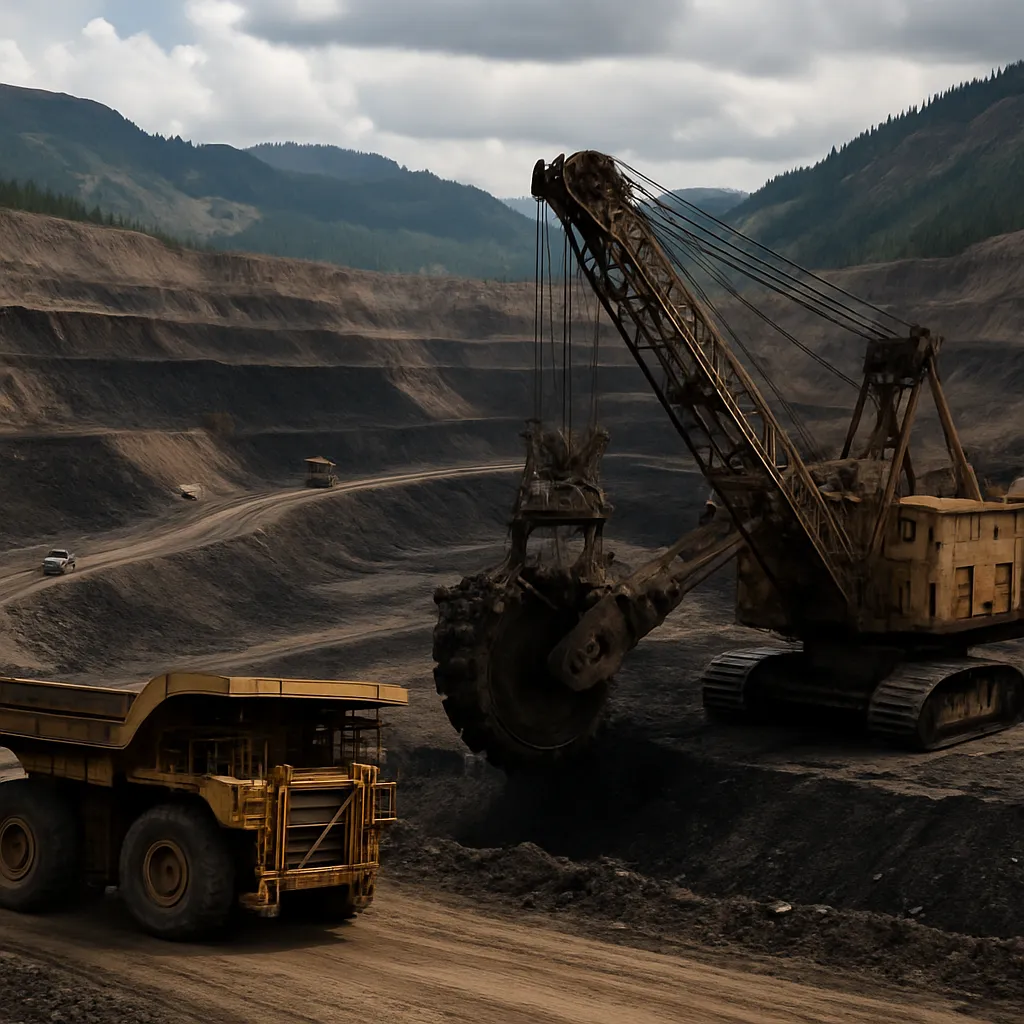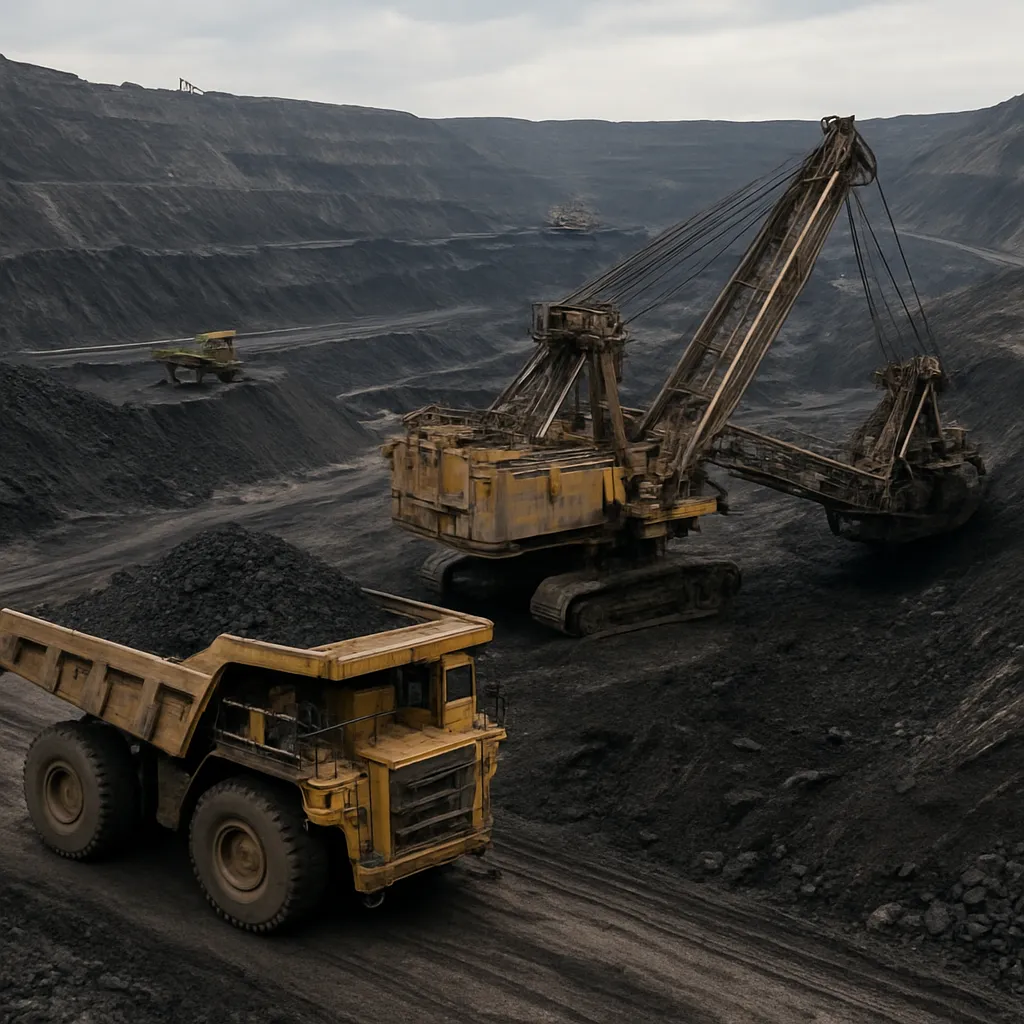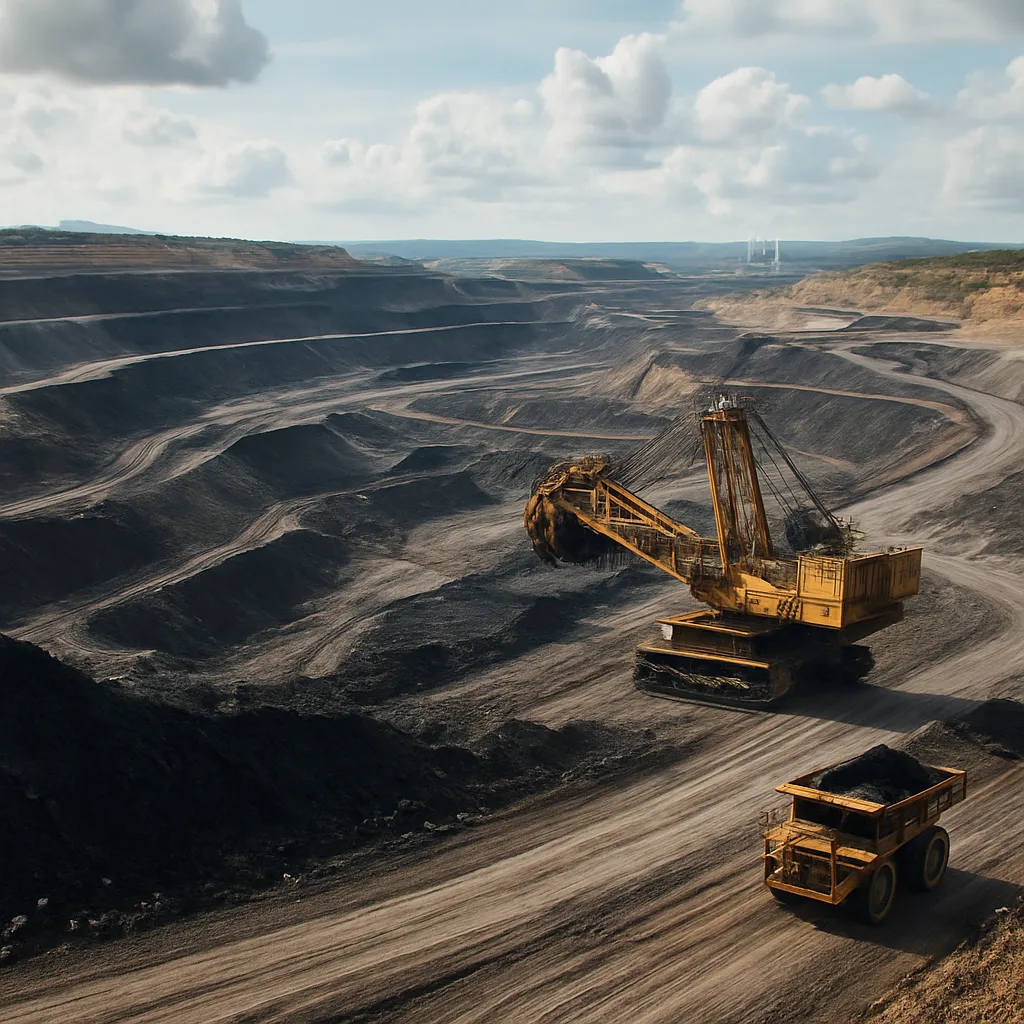
The Sangatta coal complex in East Kalimantan, Indonesia, is one of the country’s most recognizable and historically important mining areas. Located within the Kutai Basin, Sangatta encompasses large open-pit operations and related infrastructure that have supplied millions of tonnes of coal to domestic and international markets for decades. This article reviews the mine’s location and geology, the types and quality of coal produced, operational and economic dimensions, environmental and social impacts, and the outlook for Sangatta in a changing global energy landscape.
Location, geology and regional context
The Sangatta mining area sits in the eastern part of the island of Borneo, within East Kalimantan province. Geographically it is located in the administrative area of East Kutai Regency and forms part of the extensive coal-bearing Kutai Basin. The basin is one of Indonesia’s principal coal provinces and hosts numerous mines and coalfields that feed both domestic power plants and export markets throughout Asia.
Geologically, the region contains multi-seam deposits formed during the Neogene and Tertiary periods. Coal seams in Sangatta are typically found within deltaic to coastal plain deposits. The seams vary in thickness and lateral continuity: some are thick and extensive, enabling large-scale open-pit mining, while others are thinner and more discontinuous. The depositional environments and the rank of coal in the Kutai Basin produce mainly thermal coal suitable for power generation, rather than metallurgical coal for steelmaking.
The accessibility of the seams, combined with relatively flat terrain and proximity to navigable rivers and coastal shipping points, has made Sangatta attractive for large-scale open-pit development. Over the decades, the area has developed significant supporting infrastructure, including haul roads, coal handling and preparation facilities, and river and coastal shipping arrangements.
Mining operations, coal type and processing
Mining methods and equipment
Sangatta’s operations are dominated by large-scale open-pit mining techniques. The typical mining fleet includes hydraulic excavators, large wheel loaders, articulated and haul trucks, and in some areas dragline excavators. Overburden removal and sequential bench mining are standard practices, and mine planning focuses on optimizing strip ratios and ensuring stable pit walls.
Material handling chains link pit faces to on-site stockyards and run-of-mine (ROM) facilities. Where necessary, coal is passed through crushing and screening circuits and in some cases washed or beneficiated to meet buyer specifications and reduce impurities like ash and sulfur. Coal is then transported to riverside loading points or coastal ports via conveyor, truck, or barge.
Coal quality and grades
The Sangatta complex produces primarily low- to medium-rank thermal coal. Typical characteristics of coal from the area include:
- Calorific value commonly in the range of approximately 4,000–6,000 kcal/kg (ARB, as-received basis), depending on the seam and washing level.
- Moderate to high moisture content in some sub-bituminous seams.
- Ash content that varies by seam and can be reduced through beneficiation; unwashed ROM ash may be relatively high in certain zones.
- Relatively low sulfur compared with some global coals, though sulfur content still requires monitoring for combustion emissions.
Because of these properties, Sangatta coal is primarily marketed as fuel for power plants and industrial boilers (thermal users). Some product streams can be blended or upgraded to meet specific calorific requirements for export customers in Southeast and East Asia.
Processing and logistics
To achieve target quality specifications, coal from Sangatta frequently passes through coal handling and processing plants (CHPPs) where screening, crushing and gravity/floatation methods reduce ash and separate fines. Logistics from mine to market leverage a mix of road, barge and coastal shipping. Barges move coal downriver to coastal transshipment points where larger vessels take cargo for export. Domestic supply often uses direct barge delivery to local power stations or industrial customers.
Economic and industrial significance
Sangatta has played a major role in Indonesia’s coal industry and in the economy of East Kalimantan. Some of the key economic dimensions are outlined below.
Production and scale
Over its operational history Sangatta has been a high-volume producer. During peak years of activity, the Sangatta complex contributed tens of millions of tonnes annually to Indonesia’s overall coal output. While annual production varies year-to-year due to market conditions, demand, and operational decisions, Sangatta and its operating company have historically been among the larger single-mine complexes in the country.
Approximate historic figures and scale (indicative):
- Annual production from the Sangatta-related operations has reached into the tens of millions of tonnes during peak periods; exact annual totals fluctuate with mining plans and market demand.
- Indonesia as a whole produces several hundred million tonnes of coal annually, and Sangatta has been an important contributor to that national output.
- The mine supports significant local employment directly (mine workforce and contractors) and indirectly through logistics, services, and supply chains.
Employment, local economy and public revenue
Large open-pit operations like Sangatta provide direct employment for thousands of workers across mining, technical, logistics, and administrative functions. Indirect employment arises in transport, maintenance, catering, local trade and services. Revenues from coal production flow to companies and to governments through royalties, corporate taxes, export duties (when applicable), and local levies. The industry has funded infrastructure improvements—roads, schools, clinics—and community development initiatives in host districts.
Markets and exports
Indonesian thermal coal is a major export commodity, and buyers historically have included power producers across Southeast and East Asia. Sangatta’s coal is shipped to regional markets where it is used in thermal power stations or industrial boilers. Key market characteristics that affect Sangatta sales include global coal prices, shipping costs, buyer specifications (calorific value and ash limits), and competition from other coal-producing countries.
Environmental, social and regulatory aspects
Like other large coal mines, Sangatta raises important environmental and social considerations. These factors influence permitting, community relations, costs and the long-term sustainability of operations.
Environmental impacts and mitigation
Principal environmental issues associated with Sangatta include:
- Landscape transformation from open-pit excavation and overburden dumps.
- Water management challenges: controlling sediment-laden runoff, maintaining local water quality, and managing pit dewatering.
- Air quality issues from dust generated by blasting, hauling and crushing, and from coal handling and shiploading activity.
- Greenhouse gas emissions linked to coal extraction and the eventual combustion of exported coal.
Mitigation measures implemented at modern operations typically include sedimentation ponds, progressive rehabilitation and revegetation of disturbed areas, dust suppression (water sprays, covered conveyors), and continuous monitoring programs. Many mining companies also invest in biodiversity management plans and work with regulatory agencies to restore post-mining land uses such as forestry, agriculture or engineered landforms.
Social impacts and community engagement
Large mining operations affect local communities in diverse ways. Positive impacts can include job creation, local procurement, and investments in social infrastructure. Negative impacts may include displacement, pressure on local services, and cultural change. Operators commonly run community development programs (education, health, livelihood training) and establish grievance mechanisms and stakeholder engagement processes to maintain social license to operate.
Regulatory framework
Sangatta operates within the Indonesian regulatory framework for mining, environmental protection, and land use. Regulations determine licensing, environmental impact assessment requirements, mine closure obligations, royalties and fiscal terms, and social responsibility obligations. Over time, changes in Indonesian mining law, royalty formulas, or export rules can materially affect the economics of operations.
Technical challenges, infrastructure and safety
Operating a large open-pit coal mine in a tropical environment like East Kalimantan requires robust technical and logistical planning:
- Water and rainfall management: intense seasonal rainfall requires effective drainage, sediment control and pit dewatering systems to maintain safe and reliable mining operations.
- Transport infrastructure: ensuring reliable haul roads, barge and port access is essential for moving large coal volumes to market. Investment in road maintenance and river transport infrastructure is ongoing.
- Safety: open-pit mining involves hazards such as pit wall stability, heavy equipment operations, and material handling. Well-established safety systems, training and emergency response capability are central to reducing workplace accidents.
- Processing and quality control: meeting buyer specifications requires effective crushing, screening and beneficiation, plus sampling and laboratory facilities for quality assurance.
Economic risks and market drivers
Sangatta’s fortunes are linked both to local operational performance and to broader market forces. Main drivers include:
- Global thermal coal demand, particularly from Asia’s power sector.
- Seaborne coal prices and freight rates, which determine revenue per tonne delivered.
- Regulatory changes in Indonesia affecting royalties, export rules, or licensing.
- Competition from alternative energy sources (gas, renewables) and from other coal suppliers.
- Operational disruptions from weather, strikes, or technical issues.
Risks linked to carbon constraints and energy transition are increasingly relevant. While thermal coal remains a major energy source in many Asian markets, policy shifts toward lower-carbon generation and potential demand contraction over the long term pose strategic considerations for both operators and regional economies dependent on coal exports.
Rehabilitation, closure planning and post-mining land use
Modern mine management includes planning for closure and post-mining land use well before the mine reaches end-of-life. Activities and principles relevant to Sangatta-style operations include:
- Progressive rehabilitation to reduce the final disturbed footprint and to re-establish vegetation and land stability.
- Designing final landforms for safety, erosion control and suitability for future uses such as agriculture, aquaculture, forestry or conservation.
- Continuous consultation with local communities and authorities to align post-mining land use with regional development goals.
- Financial assurance and reclamation bonds to ensure funds are available for closure obligations.
Successful closure reduces long-term environmental liabilities and can create new economic opportunities if land can be repurposed effectively.
Future outlook and strategic considerations
The future of Sangatta, as with many large coal operations, will be shaped by a mix of operational, economic and policy factors. Key considerations include:
- Continuing demand for thermal coal in regional power systems over the next decade, balanced against gradual decarbonization trends.
- Operational optimization to maintain cost competitiveness—improving strip ratios, lowering unit costs, and optimizing logistics.
- Investment in emissions control and environmental management to meet stricter local and buyer-driven sustainability expectations.
- Community and workforce transition planning to manage employment shifts as production profiles evolve.
There remain near-term opportunities for supplying reliable base-load thermal coal to power markets in Asia, while long-term strategic planning must account for evolving energy mixes and potential demand reductions.
Key facts and summary
Below is a concise summary of salient points about the Sangatta coal complex:
- Location: East Kutai Regency, East Kalimantan, Indonesia, within the Kutai Basin.
- Operator: Historically operated by major regional coal operators (the Sangatta complex is associated with large-company operations such as Kaltim Prima Coal), with extensive contractor involvement.
- Coal type: Primarily thermal coal (low- to medium-rank; sub-bituminous to high-volatile bituminous characteristics), with calorific values commonly in an approximate range of 4,000–6,000 kcal/kg depending on seam and processing.
- Mining method: Large-scale open-pit mining with heavy mobile equipment, conveyors, barging and coastal shipping logistics.
- Production scale: Historically contributed tens of millions of tonnes in aggregate during peak periods; annual output varies with market and operational conditions.
- Markets: Supplies domestic power and industrial users and exports to regional markets in Asia.
- Economic impact: Significant local employer and contributor to government revenue via royalties, taxes and export-related income.
- Environmental & social issues: Standard mining concerns—land disturbance, water and air quality, rehabilitation and community impacts—managed through mitigation and regulatory compliance programs.
Notable observations
Sangatta exemplifies many of the dynamics of Indonesian coal mining: large open-pit operations hosted in peat-rich tropical settings, significant contributions to regional economies, complex logistical chains linking inland pits to coastal export routes, and mounting pressure to balance economic benefits with environmental stewardship. Its continued relevance will depend on how operators and stakeholders navigate market cycles, improve operational efficiency, and meet rising expectations for environmental and social performance.
Overall, the Sangatta complex remains a significant node in Indonesia’s coal industry: a large-scale producer of thermal coal, a major local employer and infrastructure investor, and a mine whose trajectory will be shaped by both immediate market conditions and longer-term energy transition trends.