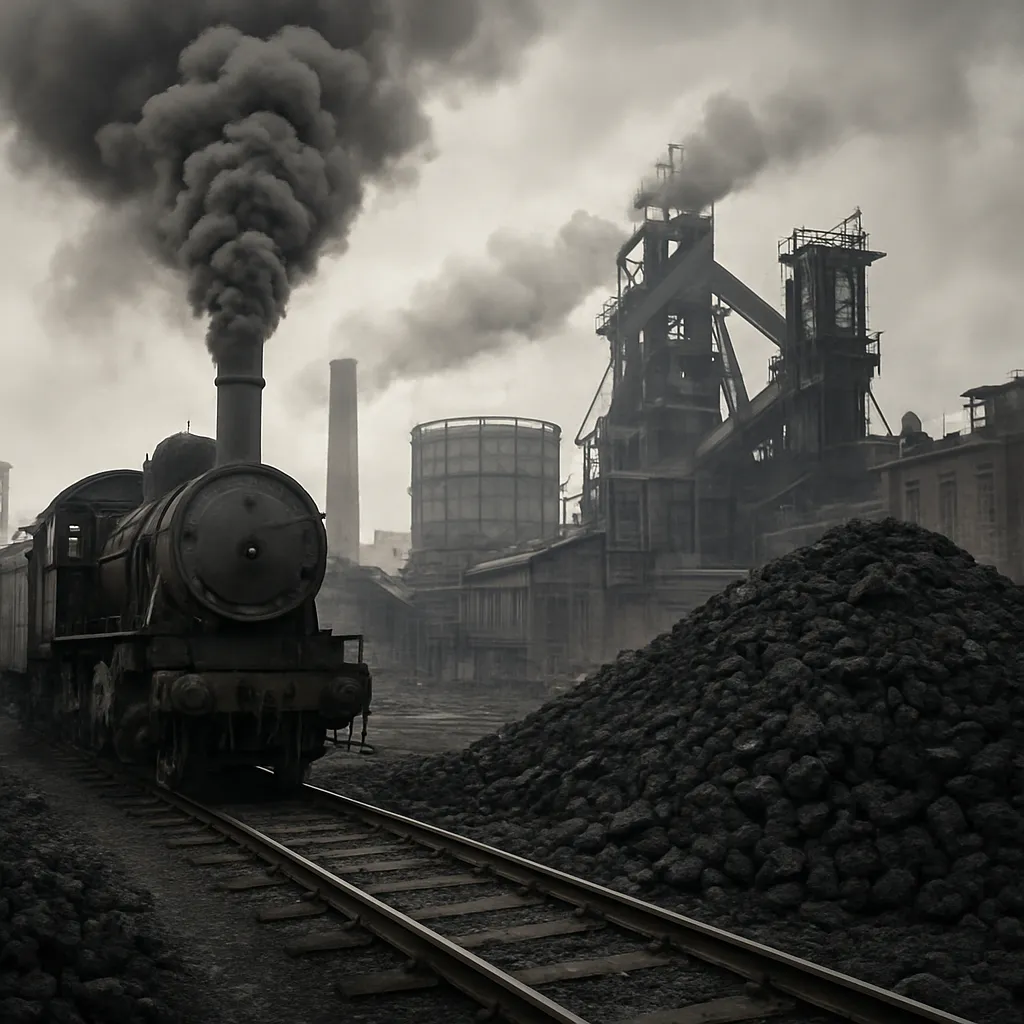
Coal has served as a cornerstone fuel since the dawn of the Industrial Revolution, powering factories, railroads, and urban growth. Over centuries, this dark, combustible rock has shaped economies, driven technological breakthroughs, and influenced global markets. Its legacy extends from the depths of geological time to modern trading floors, where coal stocks fluctuate in response to energy policies, market forces, and evolving environmental concerns. Exploring the multifaceted story of Coal reveals the interplay between geology, finance, and society, highlighting both its historical significance and present-day controversies.
The Geological Origins of Coal
Produced during the Carboniferous period, roughly 300 million years ago, coal forms from the compressed remains of ancient vegetation. Swamp forests became buried under layers of sediment, heat and pressure transforming organic matter into peat, lignite, bituminous coal, and eventually anthracite. This transformation process underscores the carbon cycle’s long-term storage of atmospheric carbon dioxide and shapes modern debates on fossil fuel extraction.
Types and Grades
- Anthracite: Highest grade with up to 95% carbon content, prized for its high heating value and low emissions.
- Bituminous coal: Widely used for electricity generation and steel production, offering a balance of energy density and availability.
- Lignite: Lower grade with higher moisture, primarily utilized in power plants located near mining sites.
- Peat: Earliest stage of coal formation, used in select regions for domestic heating and horticultural applications.
Understanding these distinctions is crucial for investors tracking energy portfolios, as coal grade influences market price, mining costs, and environmental impact.
The Economics of Coal Stocks
Coal stocks offer investors exposure to companies involved in mining, processing, and distributing coal. These stocks can deliver dividends and capital gains, but they also carry unique risks. Market participants evaluate a range of factors affecting performance:
- Supply and demand: Global industrial output, electricity consumption, and steel manufacturing dictate consumption levels.
- Regulatory environment: Emissions standards, carbon taxes, and zoning regulations can increase compliance costs.
- Geopolitical events: Trade disputes, import tariffs, and energy policies influence international coal flows.
- Technological substitutes: Advances in renewables and natural gas infrastructure may reduce coal’s market share.
- Financial health: Debt levels, cash flow, and capital expenditures determine a miner’s resilience to price swings.
Seasoned investors monitor quarterly reports for production volumes, strip ratios, and operating margins. They also analyze forward curves in coal futures markets to anticipate price trends. While some firms offer attractive dividends, others reinvest earnings into mine expansions and environmental mitigation projects.
Technological Innovations in Coal Mining
Over the years, the coal industry has embraced numerous innovations to enhance safety, efficiency, and environmental performance. From manual pick-and-shovel labor to giant mechanized longwall shears, technology has transformed every stage of extraction.
Safety Enhancements
- Automated monitoring systems for gas leaks and ground movements, reducing the risk of explosions and collapses.
- Remote-controlled machinery that keeps operators away from high-risk zones deep underground.
- Personal protective equipment equipped with real-time health tracking sensors.
Environmental Controls
- Dust suppression systems and water sprays that limit airborne particulates.
- Carbon capture and storage (CCS) pilot projects at power plants to trap CO₂ emissions.
- Mine reclamation technologies to restore vegetation and water quality post-extraction.
These advancements illustrate the ongoing tension between maximizing resource output and minimizing ecological footprint—an issue central to discussions of sustainability.
Environmental and Social Impacts
Despite its economic importance, coal mining carries significant environmental and social costs. Surface mining alters landscapes, removing topsoil and disrupting ecosystems. Underground operations pose risks of water contamination, subsidence, and methane leaks.
- Deforestation and habitat loss due to strip mining.
- Acid mine drainage polluting rivers and groundwater.
- Community health issues, including respiratory diseases from coal dust.
- Displacement of populations and impacts on indigenous lands.
Environmental activists and policymakers push for stricter regulation, promoting renewable energy alternatives. Yet in regions with abundant reserves, coal remains a vital source of affordable power. Balancing these competing demands requires robust governance, transparent stakeholder engagement, and investment in research for cleaner technologies.
Global Market Dynamics and Future Outlook
The global coal market is shaped by regional consumption trends and intercontinental trade flows. Asia, particularly China and India, accounts for the majority of demand, while Europe and North America phase down usage amid climate commitments. Export-dependent economies like Australia and Indonesia adjust production plans in response to shifting Asian requirements.
Prices exhibit notable volatility driven by weather patterns, policy announcements, and currency fluctuations. Traders use coal futures and options to hedge against these uncertainties, employing strategies similar to those in oil and natural gas markets.
Key Drivers
- Economic growth rates in emerging markets.
- Availability and pricing of alternative fuels such as natural gas.
- Global climate accords and national decarbonization targets.
- Infrastructure investments in coal terminals, railways, and ports.
As energy demand continues evolving, coal’s role may shrink, but it is unlikely to vanish overnight. Investors and industry leaders must navigate a complex transition, weighing short-term profitability against long-term resilience.
Strategies for Investors in Coal Stocks
For those considering exposure to coal equities, a disciplined approach is essential. Here are key considerations:
- Conduct thorough due diligence: Evaluate reserve quality, mine life, and cost structures.
- Diversify across geographies: Mitigate country-specific risks related to policy and infrastructure.
- Monitor environmental liabilities: Reclamation obligations and potential litigation costs.
- Stay informed on energy policy shifts: Carbon pricing and subsidies can swing industry fortunes.
- Incorporate ESG metrics: Investors increasingly demand environmental, social, and governance transparency.
By blending fundamental analysis with awareness of macro trends, stakeholders can better position themselves for both challenges and opportunities in the coal sector.