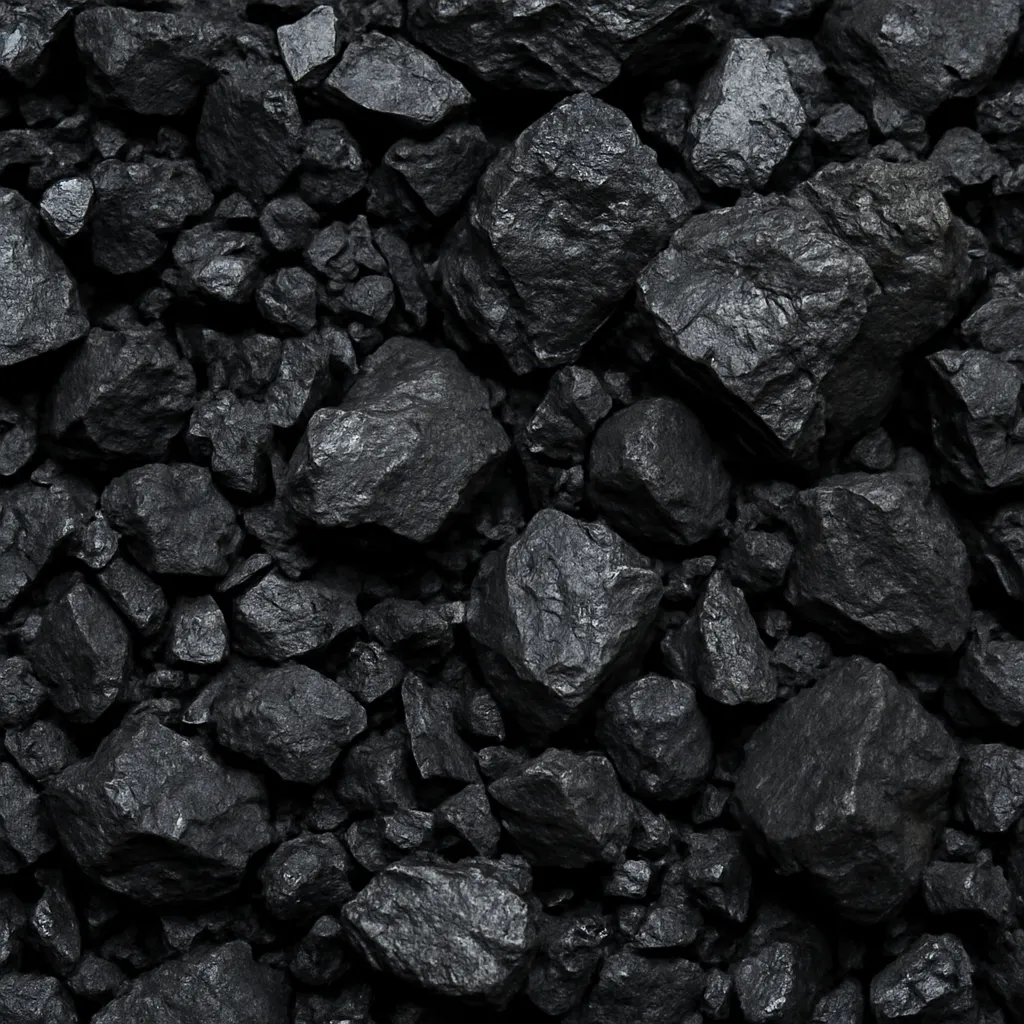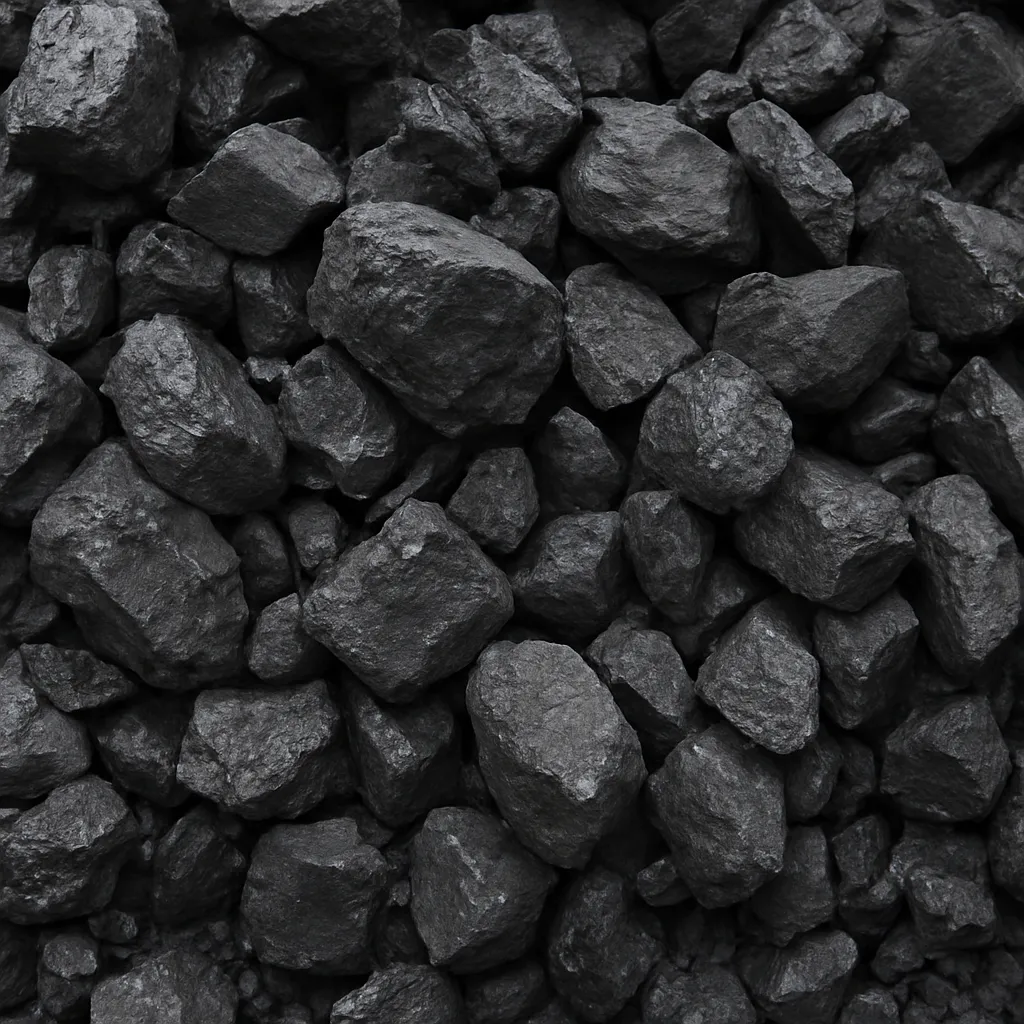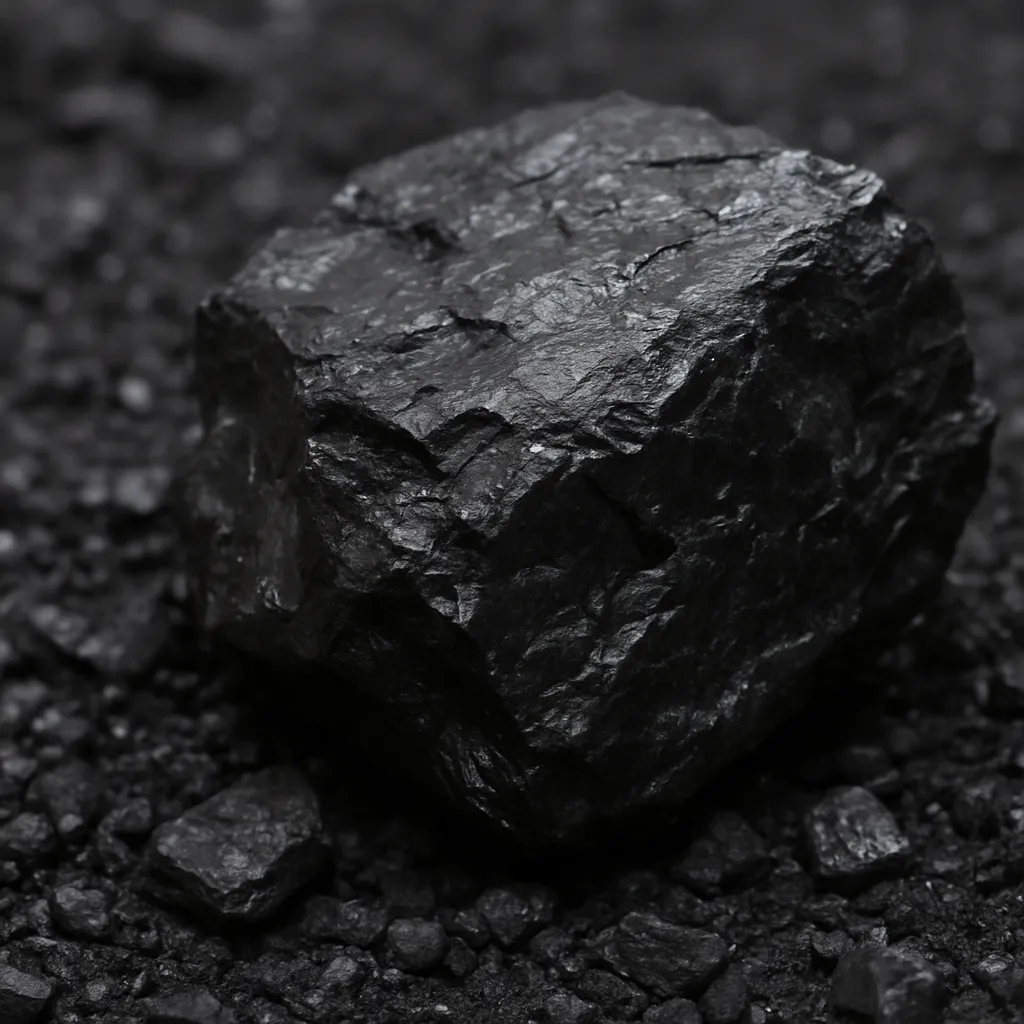
This article explores the characteristics, geological occurrence, economic significance and industrial uses of low-plasticity coal. Low-plasticity coal is a distinct category in coal petrography and technological classification: it does not display the pronounced softening, fusing and resolidifying behavior typical of strong caking coals when heated. Understanding this type of coal is important for mining companies, power producers, metallurgical industries, and policymakers because the material’s properties influence processing routes, market value and environmental performance. The following sections describe where low-plasticity coal occurs, how and where it is mined, its economic and statistical profile, industrial applications, and prospects for the future.
Geology, Petrography and Properties of Low-Plasticity Coal
Coal rank and petrographic composition control coal behavior when heated. The term plasticity in coal science refers to how coal softens and forms a cohesive mass under heat — a property exploited in coke-making. Low-plasticity coals are typically called non-caking or weakly caking coals in many classification schemes. They show limited to negligible fusion and do not form a strong, coherent coke. Instead, they tend to char and crumble rather than form a coke cake.
Key petrographic factors
- Vitrinite content: Coals with a high vitrinite concentration and intermediate rank (medium to high volatile bituminous) tend to be more plastic; by contrast, low-plasticity coal often has lower vitrinite or vitrinite that is less reactive.
- Inertinite and mineral matter: A higher proportion of inertinite and mineral impurities usually reduces plasticity. Inertinite-rich coals are more brittle and produce a friable char on heating.
- Volatile matter: Low-plasticity coals can span a range of volatile matter contents, but very low volatile coals (low-volatile bituminous or anthracite) are typically non-plastic.
- Coalification pathway: The depositional environment and diagenetic history can favor the formation of coals with low plasticity — for example, coals deposited in oxidizing conditions or with high inertinite content from wildfire-affected peat.
Technical implications of low plasticity
Low-plasticity coals do not respond well to traditional coke oven processes where a plastic phase is needed to produce strong coke. However, they have advantages in other contexts: as stable feedstocks for pulverized coal combustion, as components in coal blends to adjust coke strength or reactivity, and in certain chemical processes where low-fouling chars are desirable. From a handling perspective, low-plasticity coals produce less sticky tarry material and can be easier to crush and grind.
Occurrence and Major Mining Regions
Low-plasticity coals are not confined to a single country or basin; they occur widely wherever coal-forming environments and geological history produced suitable compositions and ranks. Many well-known coal basins include seams or beds that are classified as low-plasticity.
Global distribution highlights
- Asia: Large coal basins in China, India and Indonesia contain significant volumes of non-caking or low-plasticity coals used primarily for thermal power generation. Some Chinese basins, such as in Shanxi and Inner Mongolia, include beds with varying plasticity characteristics, creating opportunities for selective mining and blending.
- North America: The United States and Canada host coal deposits ranging from bituminous to sub-bituminous and anthracite. Many U.S. eastern and interior basins supply low-plasticity thermal coals for domestic power and industrial uses.
- Australia: Australia’s coalfields include both metallurgical coking coals and significant thermal coal reserves. Low-plasticity seams appear in certain basins and are important for export thermal coal markets because of favorable combustion and shipping characteristics.
- Europe: Poland, Germany and the Czech Republic have long histories of mining coals with varied plasticity. In Poland, a mix of coking and low-plasticity thermal coals supports both metallurgical and power sectors.
- Africa and Russia: South Africa and Russia produce large volumes of thermal coal, including non-caking grades that dominate export flows to Asia and other markets.
Where it is mined (practical aspects)
Low-plasticity coals are commonly mined in open-pit (surface) operations where seams are relatively shallow, and by underground methods where seams are thicker or at depth. Mining companies often sort and stockpile coals by rank and plasticity to enable efficient blending for customers. Regions with integrated steel industries may mine a complex mix of coking and non-coking seams in the same basin, providing flexibility but also requiring precise quality control.
Economic and Statistical Overview
The economic value of low-plasticity coal depends on end use: thermal power markets, export demand, and in some cases blending value for metallurgical applications. Unlike premium coking coals that command high prices in steelmaking, low-plasticity thermal coals are priced based on calorific value, ash, sulfur, and moisture, plus logistics and contract terms.
Production and market scale
- Global coal production (all types) historically ranges around 7–8+ billion tonnes per year in the early 2020s, with year-to-year fluctuation due to demand cycles, policy shifts and energy prices. Thermal coals constitute the majority of this tonnage, while metallurgical coals are a smaller but higher-value segment.
- While published datasets rarely break production down explicitly by plasticity class, a substantial fraction of worldwide thermal coal can be classified as low-plasticity or non-caking, especially in markets serving power generation and cement production.
- Major producing countries — China, India, the United States, Indonesia, Australia and Russia — collectively account for the bulk of global coal supply. Many of the exported thermal coals from Indonesia and Australia are low-plasticity grades suited to large-scale power plants.
Pricing and trade dynamics
Low-plasticity thermal coal prices are influenced by calorific value (typically measured in kcal/kg or MJ/kg), airborne emissions constraints, shipping costs and competing fuel prices (natural gas, renewables). Spot and contract markets show significant regional variation:
- Asia-Pacific: High demand for thermal coal in Southeast Asia and parts of China and India has historically supported robust export volumes from Australia and Indonesia. Low-plasticity coals that combine good calorific value with low shipping moisture are attractive to coastal power plants.
- Europe: Import dependence and emissions regulations (such as high carbon prices) reduce demand for lower-quality thermal coals over time, shifting markets toward higher-efficiency coals or alternatives.
- Margins: For producers, low-plasticity thermal coal margins depend on mining cost, beneficiation potential (ash reduction), and transport logistics. Mines close to ports or major consumers enjoy a competitive advantage.
Employment and regional economic impact
Coal mining, including low-plasticity coal operations, remains a major employer in mining regions. Jobs include mine labor, processing, logistics and associated services. In many regions, the coal sector underpins local economies through royalty payments, taxes and infrastructure development. Policy transitions and market shifts toward decarbonization put pressure on communities to diversify, but coal revenues continue to support public budgets in some producing countries.
Industrial Uses and Technological Roles
Although low-plasticity coals are not the primary feedstock for metallurgical coke production, they have several important industrial applications:
Power generation
The dominant use for low-plasticity coal is combustion in large-scale power plants. Advantages include predictable burn behavior and lower production of sticky tars in grinding and handling systems. Many thermal generators rely on pulverized coal boilers where feedstock that does not form sticky residues is preferred.
Cement and industrial fuel
Cement kilns and industrial boilers often utilize low-plasticity coals as steady fuels. The coals’ combustion characteristics and ash behavior influence clinker quality and kiln maintenance cycles. For some users, coals with lower plasticity reduce clinker-building deposits and fouling.
Blending in coke making and specialty chars
In metallurgical contexts, low-plasticity coals are sometimes blended with stronger coking coals to tailor coke quality — for example to reduce coke reactivity index (CRI) or to modify strength after reaction (CSR). Additionally, low-plasticity coals can be processed into activated carbons or specialty chars for industrial and environmental applications where limited caking is an advantage.
Coal conversion and chemical feedstocks
Gasification and liquefaction processes tolerate a range of coal plasticities. Low-plasticity coals may be favored for certain gasification technologies where less tar formation is desirable. They can serve as feedstock for syngas production, chemical synthesis and even hydrogen generation when integrated with carbon capture.
Processing, Beneficiation and Quality Control
Because low-plasticity coals often carry significant ash or mineral matter, beneficiation is important to increase calorific value and reduce emissions. Processing options include crushing, dense medium separation, washing and flotation. Quality control focuses on ash, sulfur, moisture and volatile matter.
Blending strategies
- Blending low-plasticity coals with coking coals to achieve target metallurgical specifications.
- Blending thermal grades to meet boiler design parameters, minimize slagging and control emissions.
- Stockpile management: segregating coals by quality and managing oxidation and spontaneous combustion risk.
Environmental and regulatory considerations
Low-plasticity coal is subject to the same environmental scrutiny as other coals. Key issues include greenhouse gas emissions from combustion, particulate and SOx/NOx emissions, water use in washing and potential heavy metal content. Regulatory frameworks — emissions trading, air quality limits and mine rehabilitation requirements — affect the social license to operate and long-term economics of mining such coals.
Statistical Notes and Observations
While comprehensive global statistics on coal categorized specifically by plasticity are not widely published, the following observations reflect market realities and available high-level data:
- Global coal production in the early 2020s hovered near historic highs of roughly 7–8+ billion tonnes annually, reflecting strong demand in some regions despite declines in others.
- Thermal coal represents the majority of this tonnage; much of it can be considered low-plasticity or non-caking for the purposes of power generation and industrial heating.
- Major exporters of thermal coal include Australia, Indonesia, Russia and the United States. These export flows often comprise low-plasticity grades favored by coastal power plants in Asia and southern Europe.
- Metallurgical coking coals — the high-plasticity, caking coals used for blast-furnace coke — account for a smaller share of global tonnage but a larger share of value per tonne.
Economic and Industrial Significance
Low-plasticity coal is essential to global energy systems and many industrial processes. The coal supports baseload power generation in countries with limited gas or hydro resources, underpins cement and other energy-intensive industries, and provides raw material for some chemical processes. From an economic perspective, low-plasticity coal tends to be lower-priced than premium metallurgical coals, but its volume and centrality to power systems make it a critical commodity.
Value chain and market drivers
- Upstream: Exploration and mining investments depend on seam quality, mineability and access to markets (ports, rail).
- Midstream: Beneficiation and blending facilities add value by tailoring coals to customer specifications.
- Downstream: Power producers, cement plants and industrial users make purchasing decisions based on price, emissions profile and supply security.
Future Outlook and Challenges
The future of low-plasticity coal is shaped by energy transition dynamics, technology, and regional policy. Several trends bear watching:
- Decarbonization pressure: As countries commit to net-zero targets, the demand for thermal coal may decline in some markets. However, demand may persist in regions with limited alternatives or for industrial heat applications where electrification is challenging.
- Role in transitional energy mixes: Low-plasticity coal may be used with higher-efficiency plants, co-firing with biomass, or integrated into gasification systems with carbon capture to reduce lifecycle emissions.
- Supply chain resilience: Geopolitical and logistical factors (port capacity, rail infrastructure) will continue to influence regional supply balances and prices for thermal coals.
- Technological innovation: Advances in coal cleaning, low-emission combustion and conversion technologies could extend the utility of low-plasticity coals in a lower-carbon economy.
Interesting and Lesser-Known Facts
- Low-plasticity coals can produce chars that are more amenable to certain activated carbon production processes, offering a route to higher-value chemical products.
- Some coal classification systems incorporate plasticity indices that influence mine planning and product marketing — a seam that appears marginal can be highly profitable when matched with the right customer blend.
- Historically, zones with alternating caking and non-caking seams allowed integrated steel producers to maintain fuel flexibility by selective mining and blending on site.
- In some regions, the handling advantages of non-sticky, low-plasticity coals reduce maintenance costs in pulverized fuel systems, providing an operational benefit beyond fuel price.
Concluding Remarks
Low-plasticity coal is a widely distributed and economically important class of coal that differs from coking coals primarily in its thermal behavior and technological applications. While it does not produce strong coke for traditional blast-furnace steelmaking, its stability, combustion characteristics and adaptability through blending and beneficiation make it indispensable in power generation and various industrial processes. The long-term trajectory of demand will reflect broader energy transitions, technological innovation and regional policy choices. For producers and users, careful quality management, logistics and adaptation to environmental requirements will determine the continued role and value of low-plasticity coal in global energy and industrial systems.