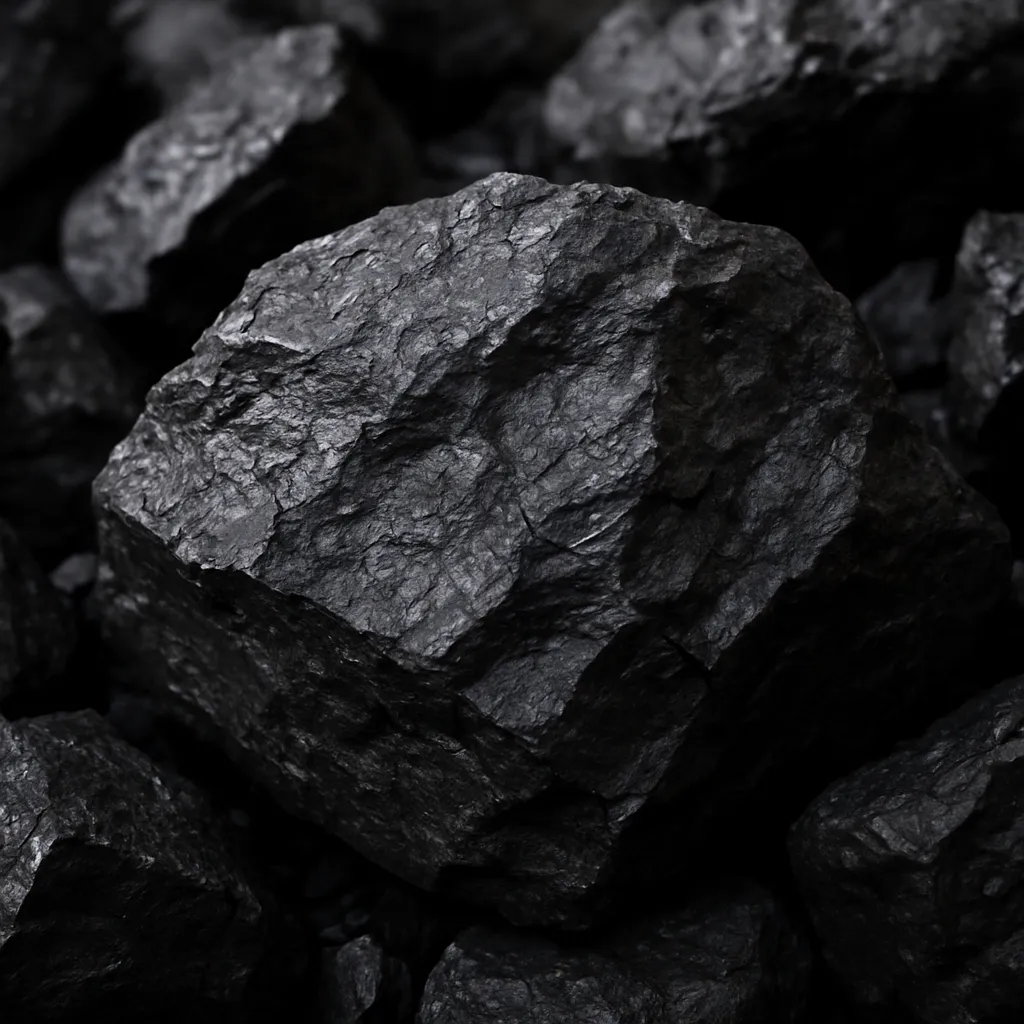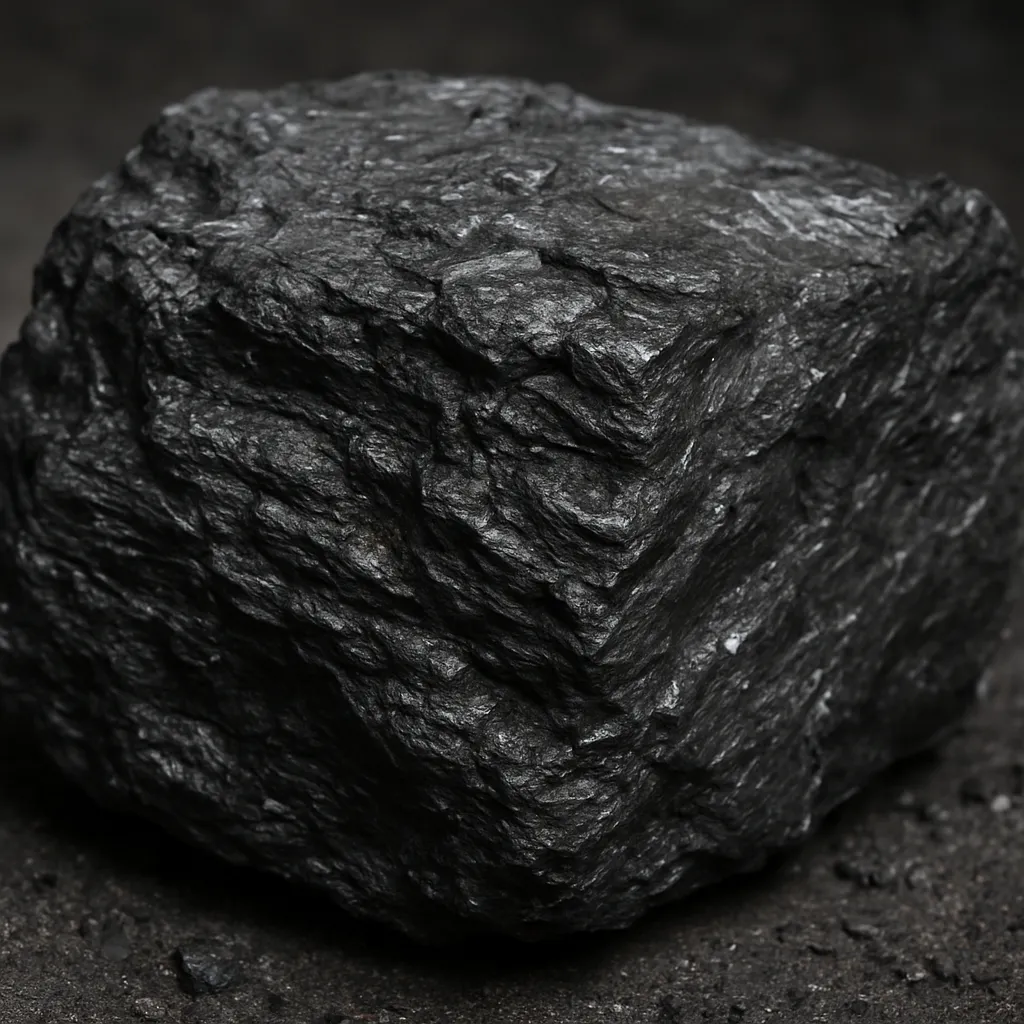
High-plasticity coal is a specialized type of bituminous coal that plays a critical role in modern heavy industry, especially in the production of metallurgical coke used for iron and steelmaking. This article outlines what high-plasticity coal is, where it occurs and is mined, its physical and chemical characteristics, testing methods, economic and market data, industrial significance and environmental and strategic implications. The text combines geological, technical and economic perspectives to provide a comprehensive picture for readers interested in raw materials, metallurgy, energy and commodity markets.
Definition, petrography and technical properties
The term high-plasticity coal refers to coals that exhibit pronounced softening, swelling and resolidifying behavior when heated in an oxygen-free environment (carbonization). In practical industry language these are often grouped under coking coal or metallurgical coal categories, though not every coking coal is equally plastic. High-plasticity coals are particularly valued because during carbonization they form a coherent, porous mass that can be converted into strong coke—the carbonaceous material essential in traditional steelmaking using blast furnaces.
Petrographically, high-plasticity coals are typically rich in vitrinite macerals, which are derived from woody plant tissues and are responsible for the coal’s ability to become plastic on heating. Lower amounts of inertinite (oxidized plant fragments) and varying contributions from liptinite (resinous, waxy plant components) influence the exact behavior during coking. Key measured properties include volatile matter content, vitrinite reflectance (an indicator of rank), ash content, sulfur and phosphorus levels, and plasticity indices such as maximum Gieseler fluidity.
- Plasticity behavior: softening point, maximum fluidity, resolidification temperature.
- Testing indices: Free Swelling Index (FSI), Gieseler plastometer readings (ddpm or BU), Roga index and dilatometry results.
- Coke quality metrics: Coke Reactivity Index (CRI) and Coke Strength after Reaction (CSR) are used to assess performance in blast furnaces.
Where it occurs and major producing regions
High-plasticity, caking coals are typically found in sedimentary basins where terrestrial plant material accumulated during the Carboniferous through Permian and into younger Mesozoic times in some basins. The geological settings that favor the preservation of vitrinite-rich coals and the subsequent coalification to bituminous rank are diverse, but several basins around the world are notable sources of high-plasticity coal.
Major producing and exporting regions include:
- Australia — particularly the Bowen and Surat basins in Queensland and the Sydney Basin in New South Wales. Australia is a dominant global export supply source for high-grade metallurgical coals and coking coal blends used by steelmakers worldwide.
- Russia — the Kuznetsk Basin (Kuzbass) in Siberia and parts of the Far East supply significant tonnages of coking coal for domestic and export markets.
- China — Shanxi, Hebei and Heilongjiang provinces produce large quantities of coking coal to feed the country’s extensive steel industry; China is both the largest producer and consumer of coal overall.
- Canada — British Columbia’s Elk Valley region produces premium hard coking coals that are exported across the Pacific and to other markets.
- United States — Appalachian basins (e.g., Illinois Basin and central Appalachia) historically supplied metallurgical coal; production has shifted regionally with market demand.
- India — Jharia, Raniganj and Bokaro regions produce coking coals for domestic steel production, though India also imports higher-grade coking coal.
- Other producers include South Africa, Colombia, Ukraine and Kazakhstan, each having specific deposits that can supply caking coals for local and export markets.
Mining, preparation and quality control
High-plasticity coal mining involves a mix of underground and opencast techniques depending on seam depth, thickness and regional practice. Given the sensitivity of coke quality to impurities, preparation is critical. Coal washing plants remove rock, ash and sulfur components to upgrade the product to the specifications demanded by blast-furnace operators and coke plants.
Typical preparation steps:
- Crushing and screening to size fractions suitable for coking blends.
- Gravity and dense-medium separation to reduce ash and rock content.
- Blending of coals with complementary properties (e.g., combining high-plasticity coals with lower-plasticity, high-volatility coals) to achieve consistent coking behavior and coke quality.
- Laboratory testing and pilot coke oven trials to predict industrial performance; this may include full-size coke oven tests for key contracts.
Most large-scale coking coal producers operate integrated quality systems to supply consistent products characterized by targeted ash (often below 10-12% for premium grades), low sulfur, predictable plasticity profiles and favorable coke yield.
Economic and market aspects
The market for high-plasticity/metallurgical coal is tightly linked to global steel production. Historically, price cycles for metallurgical coal have been more volatile than thermal coal because of lower overall tonnages, concentrated supply sources and the sensitivity of steelmaking to short-term changes in demand.
Some important economic points:
- Demand driver: Primary demand comes from the steel industry—specifically blast-furnace/basic oxygen furnace (BF-BOF) processes which require coke. Approximately half to two-thirds of global steel production has traditionally relied on BF-BOF routes.
- Trade dynamics: A substantial share of high-plasticity coal moves in seaborne trade, with Australia, Russia and Canada as major exporters and China, India, Japan and South Korea as major importers.
- Price behavior: Prices respond quickly to geopolitical events, supply disruptions, changes in Chinese industrial activity and global steel cycles. Historically notable price spikes occurred when supply disruptions or export policy changes affected a major supplier.
- Value intensity: Although metallurgical coal represents a smaller share of total global coal tonnage compared with thermal coal, it often accounts for a disproportionately large share of the trade value due to higher per-ton prices.
Statistical context (approximate and industry-typical):
- Global coal production (all types) runs into the multiple billions of tonnes per year. Metallurgical coal (coking coal) typically represents a smaller fraction—often estimated at roughly 10–20% of global production by mass, though percentages can vary year to year.
- Australia supplies a very large share of seaborne coking coal, commonly cited in industry reports as between one-third to one-half of seaborne metallurgical coal exports in recent years.
- Global steel output has been in the range of 1.7–1.9 billion tonnes per year in recent pre-pandemic and post-pandemic years; because the majority of steel is still produced in BF-BOF routes, this translates into substantial demand for coke and thus coking coal.
Note: Specific tonnage and price figures change year to year. For contract negotiation and investment decisions, users should consult up-to-date market reports from recognized sources (e.g., World Steel Association, IEA, national geological surveys, commodity consultancies).
Industrial uses and significance
The chief industrial end-use for high-plasticity coal is the manufacture of coke in by-product or non-recovery coke ovens. The resulting coke is indispensable in several metallurgical and chemical applications:
- Blast-furnace fuel and reducing agent: Coke provides both the physical support for the burden and the chemically reducing environment to convert iron oxides to metallic iron.
- Foundry coke and metallurgical applications: High-quality coke is used in foundries and specialty metallurgical processes where uniformity and reaction behavior are essential.
- Carbon products: Coked coals are feedstock for certain carbon materials such as needle coke (used for electrodes in steelmaking and aluminum production), electrodes, and specialized carbon anodes and graphitized products—though needle coke has additional source and processing requirements.
- Chemicals: Coke oven by-products (tar, ammonia, benzene, toluene) have been the basis for chemical industries historically, though the importance of these by-products varies regionally and has declined with environmental regulations and changes in feedstock economics.
High-plasticity coal’s ability to yield strong coke with good porosity and mechanical strength is central to blast furnace performance; poor coke increases fuel consumption, reduces furnace productivity and raises operational risk.
Testing methods and industry indices
To characterize plasticity and coking behavior, metallurgical laboratories employ a suite of tests:
- Gieseler plastometer: Measures fluidity as the coal softens and flows when heated under load. Maximum fluidity values are highly informative about coke-forming potential.
- Free Swelling Index (FSI): A simpler, empirical test where a coal charge is heated in a small crucible and the degree of swelling is visually assessed. FSI provides a rapid indication of caking tendency.
- Dilatometry: Measures dimensional changes (shrinkage and swelling) during heating—critical to understand how a coal will behave in industrial ovens.
- Coke oven and crucible tests: Laboratory coking in small ovens provides direct data on coke yield and reflexes on quality. Industrial-scale ovens are sometimes used by major buyers for qualification.
- CSR/CRI: Coke Strength after Reaction and Coke Reactivity Index (typically via reaction with CO2 at defined temperatures) quantify the coke’s mechanical properties and reactivity under blast-furnace conditions.
Environmental, strategic and future outlook
The future for high-plasticity coal is shaped by the twin pressures of decarbonization and evolving steelmaking technology. Key trends and implications include:
- Decarbonization pressure: Steelmaking is a major emitter of CO2. Innovations such as electric arc furnaces (EAFs) using scrap metal, direct reduced iron (DRI) using natural gas, and emerging hydrogen-based reduction methods reduce dependence on coke and therefore on coking coal.
- Transition and timing: Global steel demand and scrap availability mean that BF-BOF routes and coking coal will likely remain relevant for decades in many regions, particularly where infrastructure and resource bases favor integrated steelmaking.
- Regulatory and social license: Mining operations for high-plasticity coal face environmental scrutiny due to land use, water consumption, particulate emissions and greenhouse gases. This affects permitting, cost structures and investment decisions.
- Strategic supply concerns: Concentration of high-quality coking coal in specific geographies implies potential supply risk for import-reliant steelmakers; industrial policy and trade flows (including sanctions or export controls) can significantly shift global trade patterns.
Overall, while the demand for metallurgical coal is challenged by alternative steelmaking routes, the specialized nature of high-plasticity coal and the long life of industrial capital means it will remain a critical commodity for the foreseeable future—subject to technological, regulatory and market developments.
Interesting notes, historical context and technical challenges
Historically, the shift from charcoal to coke in the 18th and 19th centuries enabled the dramatic scaling of iron production and was a cornerstone of industrialization. The selection and blending of coals to achieve consistent coke quality quickly became a technical art. Today, that art combines petrographic microscopy, analytical chemistry and pilot coking trials.
Technical challenges associated with high-plasticity coal include:
- Ensuring consistent supply of coals with uniform plasticity and impurity profiles—variability within seams and between mines requires precise blending strategies.
- Controlling emissions and by-products from coke ovens; modern coke plants often must invest in by-product recovery and pollution control technologies.
- Managing market price volatility; both producers and steelmakers use long-term contracts, index-linked pricing and financial hedging to mitigate risk.
Concluding perspective
High-plasticity coal occupies a specialized and strategically important niche in the global industrial raw-material landscape. Its ability to produce strong, reactive coke underpins a significant portion of present-day iron and steel production. Geologically concentrated deposits, sophisticated beneficiation and testing regimes and tight links to the health of the steel industry make the high-plasticity coal market complex and dynamic.
From an economic standpoint, the commodity is subject to cyclical price behavior, trade concentration and evolving demand driven by both steel production trends and decarbonization policies. Technically, its characterization through indices such as Gieseler fluidity, FSI and CSR/CRI remains central to ensuring industrial performance. For planners, investors and industrial managers, tracking advances in steelmaking technology, environmental regulation and major producer-exporter policies will be essential to understanding the medium- and long-term role of high-plasticity coal.