The Qipanjing coal mining area, located in northern China, is a significant component of the country’s vast coal landscape. This article examines the mine’s location, geology, the types of coal produced, economic and industrial roles, environmental and social challenges, and available statistics and trends. The discussion draws on regional geological knowledge, industry practices, and publicly reported data where available to present a comprehensive picture of Qipanjing’s place in China’s energy and mining sectors.
Location and geological setting
The Qipanjing mining complex lies in the broader coal-bearing region of northern China, within the administrative area of Inner Mongolia. It is part of the large structural province often referred to as the Ordos Basin and adjacent northern basins, which host some of the country’s most extensive coal deposits. The basin is historically and geologically important for China’s coal supply because its strata contain thick sequences of Carboniferous–Permian coal-bearing formations.
Geologically, coal seams in the Qipanjing area originate from paleo-environments dominated by peat-forming swamps that were subsequently buried and transformed during the Carboniferous and Permian periods. The typical coal rank in this broad region tends toward bituminous coals, often medium- to high-volatile, though local seam rank and quality vary; pockets of lower-rank sub-bituminous or higher-grade coking-quality coal may also occur depending on local thermal history and geologic structure.
From a mining-geographic perspective, Qipanjing benefits from relatively thick and laterally persistent seams, which makes it suitable for large-scale underground and open-pit operations. The mining area is served by a network of access roads and regional railways that link the coalfields to domestic power plants, steel mills, and export corridors.
Coal types, mining methods and production characteristics
The coal extracted from the Qipanjing area is used for a variety of end-uses, reflecting the diversity of China’s coal market. Key product categories associated with mines in this region include thermal coal for power generation, coking coal for steel production, and feedstock grades for coal-to-chemical industries. In addition, associated resources such as coalbed methane are increasingly recognized as both an energy resource and an environmental management issue.
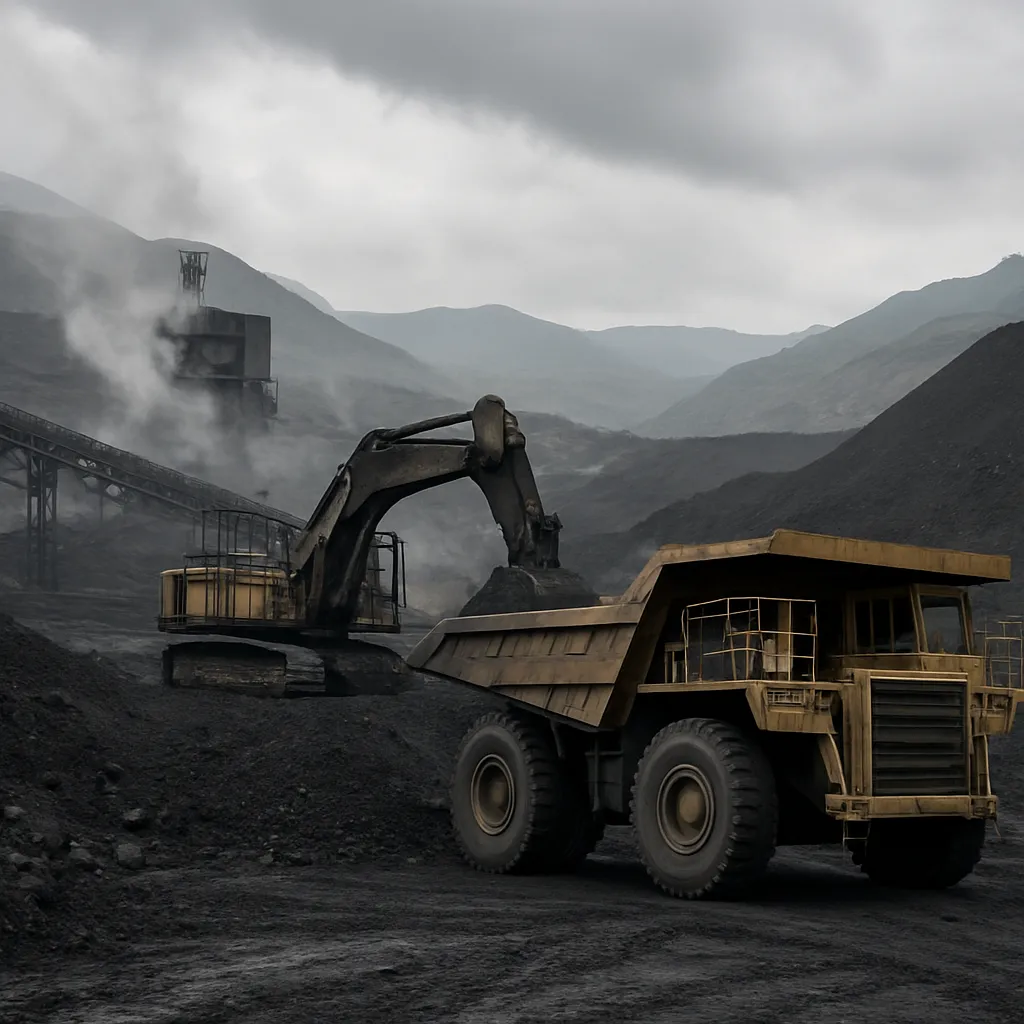
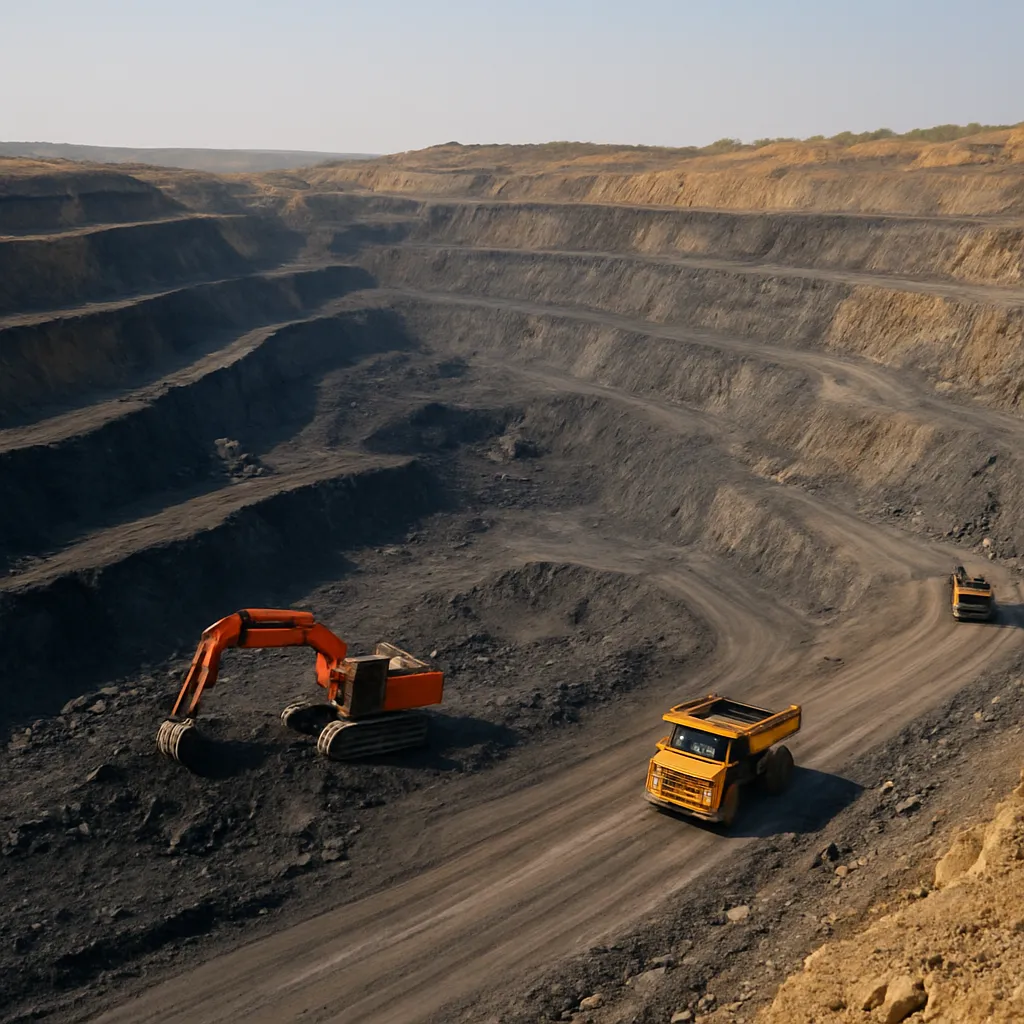
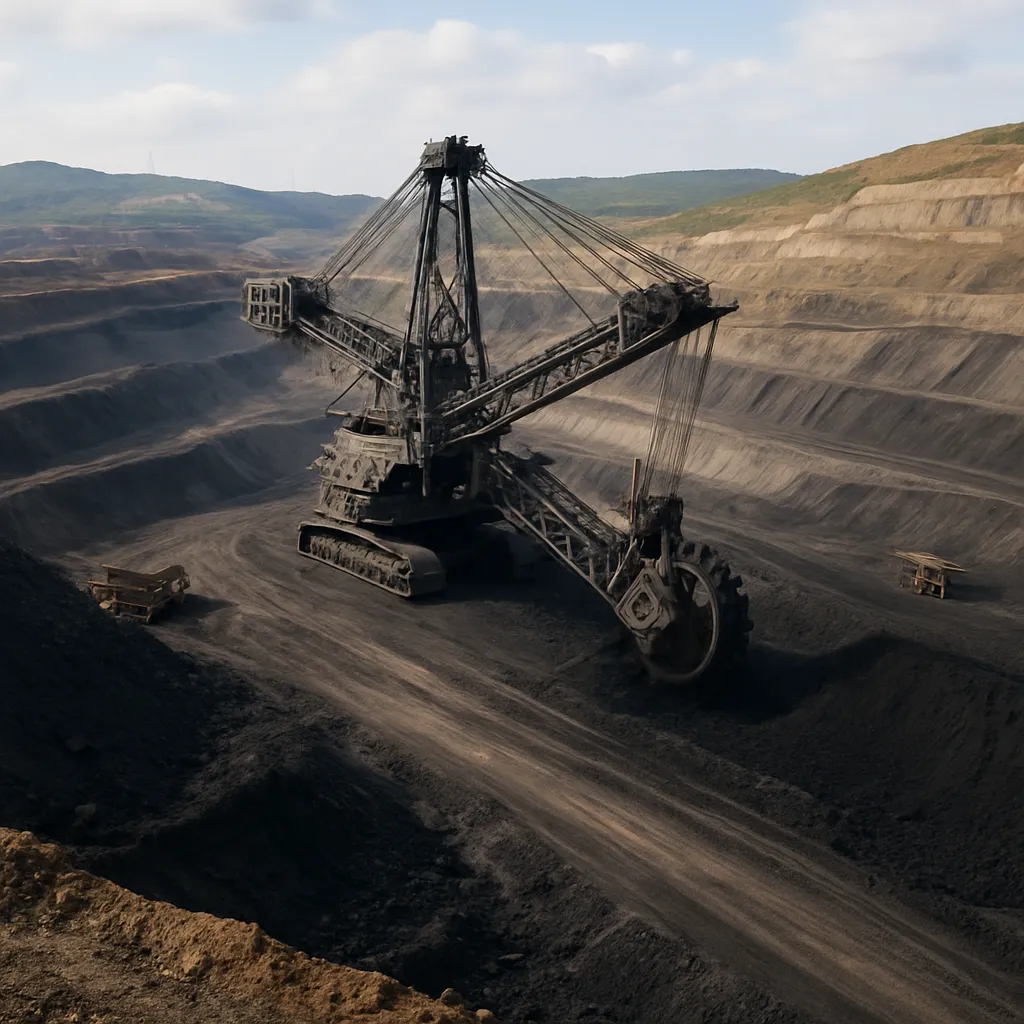
Mining methods at Qipanjing typically reflect seam depth and thickness: where seams are shallow and extensive, open-pit extraction may be used for efficient bulk removal; where seams are deeper and conditions more complex, underground mining methods such as longwall mining or room-and-pillar are applied. Many modern operations combine surface and underground mines within the same mining complex to optimize recovery and cost-efficiency.
Production figures for any single coal complex can fluctuate with market demand and regulatory constraints. While specific official annual production numbers for Qipanjing vary by source and across years, mining complexes in Inner Mongolia commonly operate at production capacities ranging from several million to tens of millions of tonnes per year. Production is channeled to local power stations and industrial consumers, and when surplus exists, transported to coastal regions for broader distribution.
Economic and industrial significance
Qipanjing plays a meaningful role in the regional economy and contributes to national energy security. Its contributions can be grouped into several categories:
- Energy supply: Coal from Qipanjing supplies nearby power plants and industrial facilities, supporting electricity generation and steady fuel supply for manufacturing.
- Steel and chemical feedstock: Cementing links with the steel sector and coal-to-chemical plants provide value-added pathways beyond mere combustion.
- Employment and local development: The mine and associated service industries employ thousands directly and indirectly, supporting local towns and infrastructure.
- Regional government revenues: Taxes, fees, and royalties from mining operations constitute an important revenue stream for local and provincial governments.
Beyond direct outputs, Qipanjing contributes to regional supply chains: transport services, equipment suppliers, maintenance contractors, and logistics hubs grow around large mines. The presence of a major coal complex often stimulates investment in roads, rail links, and power transmission, which can benefit other economic activities in the region.
Statistics, reserves and production context
Publicly available precise, up-to-date statistics for individual mines like Qipanjing can be fragmented, as figures are reported across company disclosures, provincial reports, and national statistics. However, several contextual points are useful:
- The broader Ordos Basin and surrounding northern coalfields hold tens of billions of tonnes of measured and inferred coal resources, making the province one of China’s largest coal reserves.
- Mines in Inner Mongolia have historically contributed a substantial share of China’s national coal production. At a national level, China’s coal production has been on the order of about 4 billion tonnes per year in recent years, with fluctuations due to policy and market conditions.
- For large regional mining complexes, typical operational capacities generally fall between 5–20 million tonnes per annum, depending on the scale and mix of underlying pits and underground panels. Qipanjing’s complex is commonly described in regional reporting as a multi-million-tonne producer, with production and reserve estimates subject to revision as exploration and mine planning continue.
If precise annual production, remaining proven reserves, and employment numbers are required for decision-making or academic purposes, the most reliable route is to consult the mine operator’s annual reports, provincial mining bureau publications, or Chinese national energy statistical yearbooks, which periodically publish disaggregated data for major mining enterprises and mining areas.
Infrastructure, logistics and markets
One of the strategic advantages for mines like Qipanjing is their integration into China’s extensive transport and industrial networks. Rail is the backbone for moving large volumes of coal overland; main lines connect northern coalfields to industrial centers in Hebei, Shanxi, Beijing-Tianjin economic zone, and ports along the Bohai Rim for further distribution. Road haulage is used for shorter distances, and conveyor systems often serve nearby power plants.
Coal from Qipanjing can be sold into local markets (power plants, steel mills, cement producers), regional industrial consumers, or, when logistics permit, to coastal export channels. Domestic demand patterns—particularly for power generation in winter and steel production cycles—shape yearly throughput. In recent years, China’s focus on supply-side structural reforms and efforts to reduce low-efficiency capacity have influenced dispatch priorities and pricing dynamics for coal producers.
Environmental, social and safety considerations
Like many large coal mining operations, Qipanjing faces a suite of environmental and social challenges that draw attention from regulators, communities, and the industry itself. Key issues include:
- Air pollution: Dust from mining and coal transport, as well as emissions from coal combustion at downstream plants, contribute to local and regional air quality concerns.
- Water use and contamination: Mining and coal processing require substantial water; dewatering can alter groundwater regimes and improper handling of tailings can create contamination risks.
- Land disturbance: Open-pit excavations and associated infrastructure change landforms and habitats; mine closure and land reclamation planning are critical for long-term sustainability.
- Greenhouse gases: Coal production and use contribute to CO2 emissions; additionally, fugitive methane emissions from coal seams and ventilation systems are a concern for both climate and on-site safety.
- Occupational safety: China has made substantial progress in reducing mining fatalities, but underground operations remain hazardous, with risks from gas explosions, roof falls, and water inrushes. Continued investment in safety technology and training is essential.
Regulatory pressure has pushed many operators to adopt cleaner and more efficient technologies: dust suppression systems, wastewater treatment and recycling, methane capture and utilization for power or heating, and progressive land reclamation. Community engagement and social investment in healthcare, education, and local business development are also part of modern mining company practice.
Role in China’s energy transition and future outlook
Qipanjing, like other coal-producing hubs, lies at the intersection of two competing national priorities: sustaining energy security and moving toward lower-carbon energy systems. Coal will remain part of China’s energy mix for years, particularly for industrial heat and steelmaking, but the trajectory emphasizes higher efficiency, better environmental controls, and diversification.
Potential future developments affecting Qipanjing include:
- Technological upgrades: Electrification of mining fleets, real-time monitoring, automation of underground operations, and more efficient cleaning and beneficiation plants.
- Coal-to-chemicals and hydrogen: Integration with coal-to-chemical processes and potential production of syngas for chemical feedstocks or hydrogen, subject to economics and carbon policies.
- Methane utilization: Capturing coalbed methane for onsite power or sale to gas markets reduces greenhouse gas emissions and can generate revenue.
- Reclamation and repurposing: Post-mining land uses—industrial parks, renewable energy sites, and ecological restoration projects—are increasingly considered in planning frameworks.
- Policy impacts: National and provincial policy on capacity controls, pollution limits, and carbon goals will determine operating windows, investment attractiveness, and long-term viability of certain operations.
Interesting facts and regional context
Some broader observations that illuminate Qipanjing’s role in China’s coal system:
- The northern coal regions, including those encompassing Qipanjing, are strategically positioned to supply the densely industrialized eastern provinces and to feed the large coal-fired power fleet that underpins China’s grid stability.
- Inner Mongolia has become an important energy-exporting region within China, not only for coal but also for wind energy—an interesting juxtaposition of fossil and renewable resources in a single province.
- Innovation in methane capture and coal-wash technologies in these basins has both environmental and economic motivations: reducing emissions and improving product value for steel and power markets.
Concluding perspective
Qipanjing exemplifies many characteristics of contemporary large-scale coal mining in China: significant contributions to regional energy security and the economy, complex interactions with industry value chains, and pressing environmental and safety challenges. While precise, up-to-date production and reserve figures for the mine should be obtained from official mine or provincial disclosures for operational decisions, the regional context is clear: Qipanjing forms part of a major coal-producing province whose resources and infrastructure continue to shape China’s energy and industrial landscape. Going forward, the mine’s trajectory will be influenced by market demand for coal products, national policy on emissions and capacity, adoption of cleaner technologies, and the success of reclamation and community development efforts.