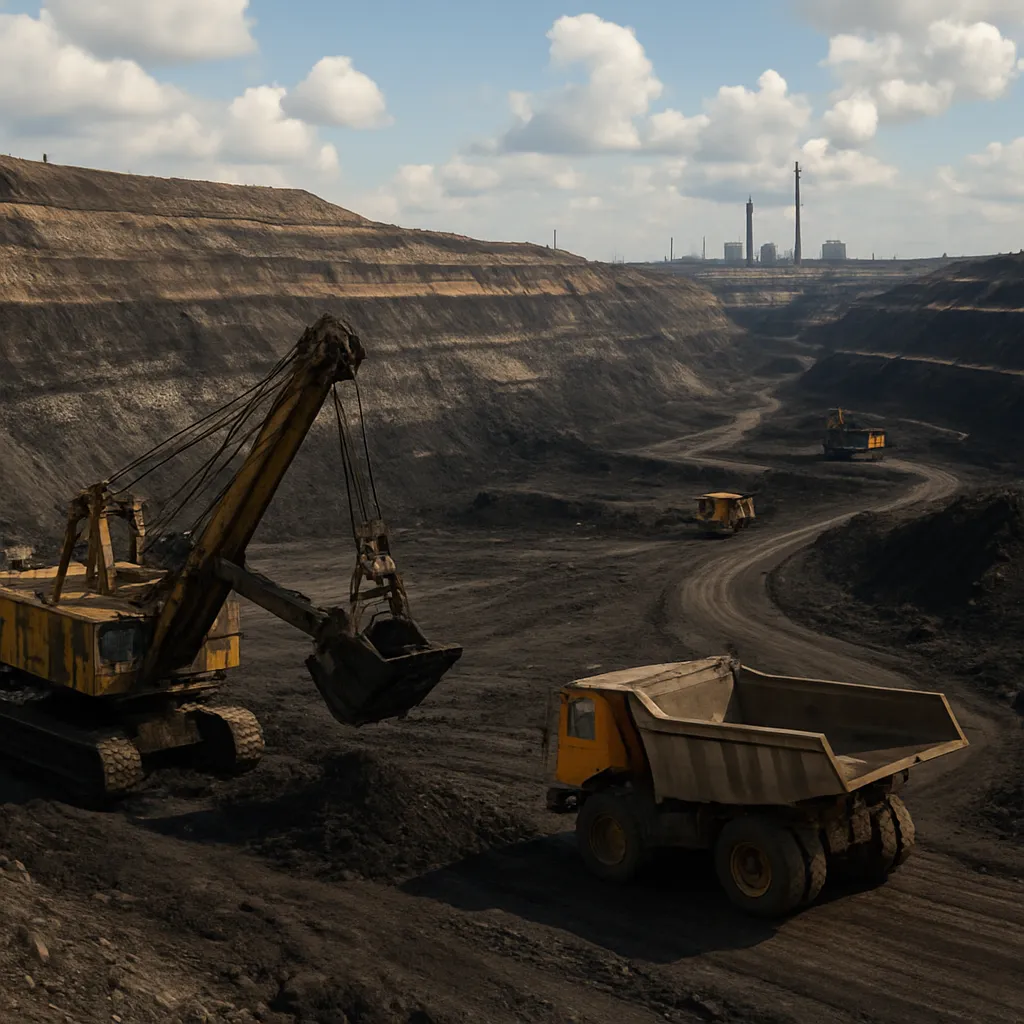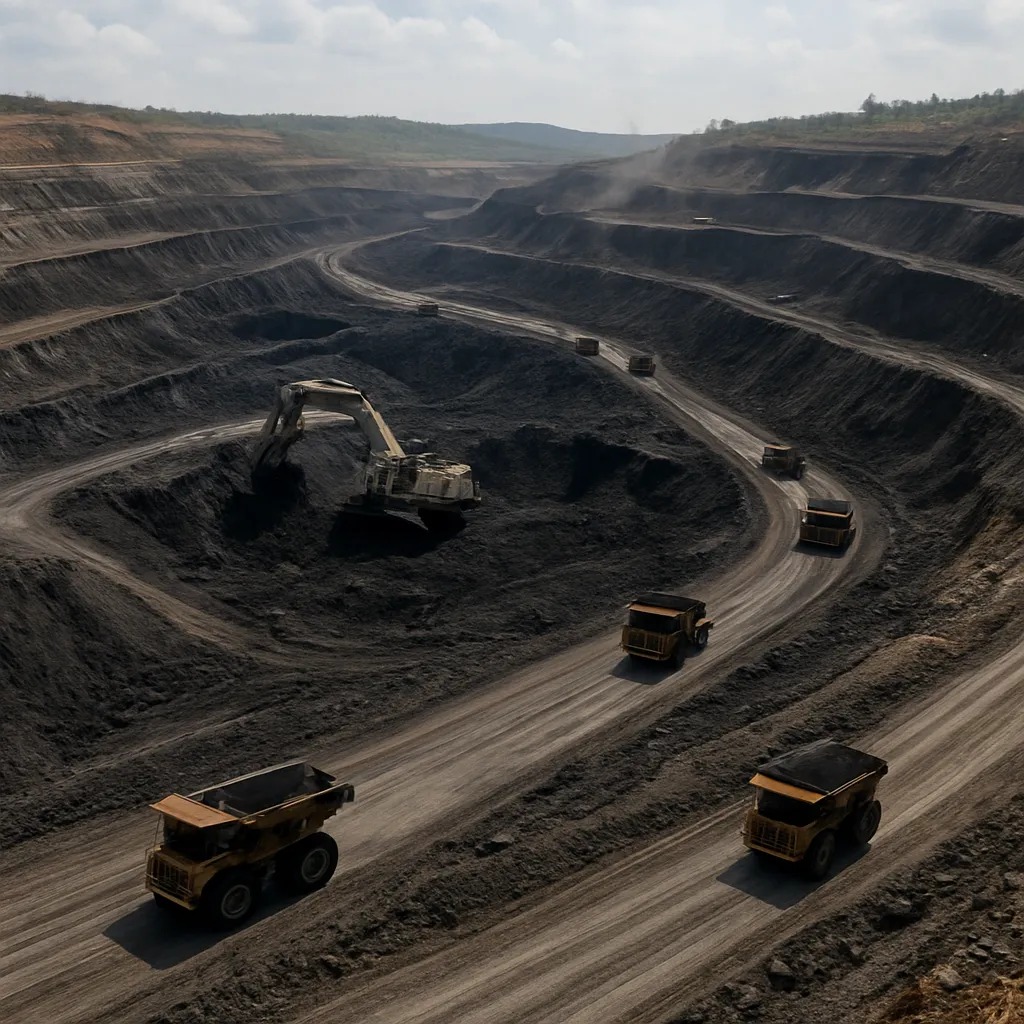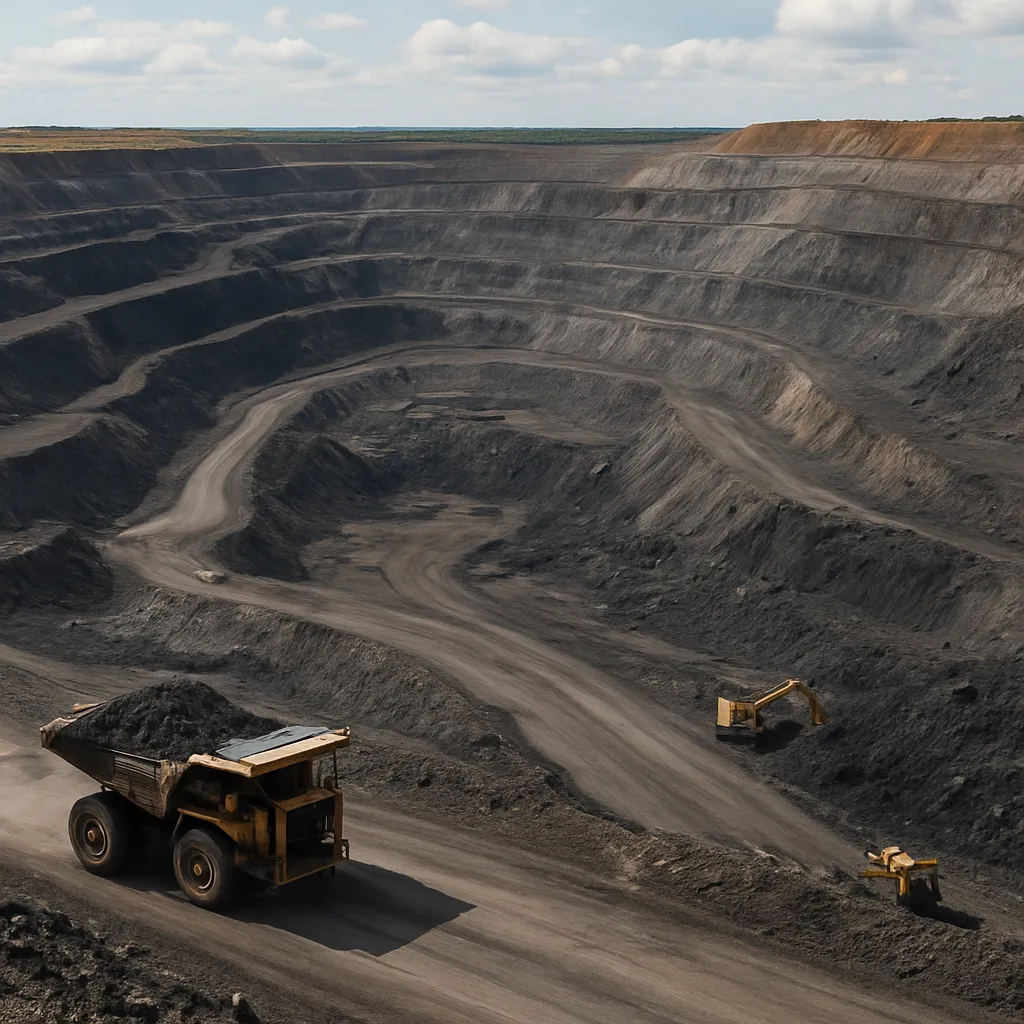
The Quintette Mine, situated in northeastern British Columbia, Canada, is one of the better-known coal operations in the Peace River region. Over the decades it has played a role in regional development, the global metallurgical coal trade and local communities such as Tumbler Ridge. This article outlines the mine’s location and geology, the nature of the coal produced, operational and economic aspects, logistic links to markets, environmental management and the mine’s regional significance. Where precise figures are not publicly consistent or vary by operating period, ranges and qualifiers are provided.
Location and geological setting
The Quintette Mine is located in the northeastern interior of Canada, in the foothills and highlands of the Canadian Rockies within the Peace River coal basin. Its nearest community and service center is Tumbler Ridge, a small town established largely because of coal development in the area. The deposit sits in the broader geological province known as the Peace River Coalfield, which extends across parts of northeastern British Columbia and western Alberta.
The coal-bearing sequences in the Peace River basin are part of Mesozoic to early Cenozoic sedimentary packages, with coal seams formed in coastal plain and deltaic environments. These deposits typically contain beds of higher-rank coal suitable for metallurgical use. The geology of Quintette and similar deposits in the region is characterized by multiple seams with variation in thickness, depth and coal quality along strike and dip. Structural features such as folds and faults locally complicate mining but also concentrate thicker coal intervals in certain areas.
Coal type, quality and end uses
The Quintette deposit is principally associated with coal types used for steelmaking rather than for thermal electricity generation. The coal is commonly categorized as metallurgical coal or coking coal, which are terms used to describe coals whose physical and chemical properties make them suitable for conversion into coke — a key reductant and structural agent in blast furnaces and some direct-reduction steelmaking processes.
- Typical desirable attributes for metallurgical coal include relatively high carbon fixed content, appropriate volatility, low ash yield and low sulfur. Many deposits in the Peace River basin exhibit a favorable combination of these properties, which is why the region has been a source of export coking coal.
- Variability within the mine area means different seams or parts of the deposit may exhibit slightly different qualities, requiring blending at the mine or at port to meet customers’ specifications.
Primary end uses of coal from Quintette-style deposits are in the steel industry, for the production of steel via traditional coke-based blast furnaces and certain specialty metallurgical processes. These coals are typically exported to international steel producers, especially in Asia.
History, ownership and operational overview
Mining in the Peace River region expanded in the latter half of the 20th century when economic and technical conditions favored development of remote coal deposits. The Quintette operation has gone through phases of exploration, development, active production and care-and-maintenance depending on coal market cycles, capital availability and market demand for metallurgical coal.
Operationally, coal at Quintette has been extracted using a combination of open-pit and underground techniques in different places and at different times, depending on seam depth and geometry. Modern operations in the region commonly employ a mix of methods — open-pit mining where seams are near surface and bulk underground methods where deeper seams and environmental footprint considerations make surface mining impractical.
Economic and regional impacts
The economic significance of a mine like Quintette operates on several levels: direct employment, indirect jobs in the supply chain and local services, municipal revenues, and contributions to provincial and national export earnings.
- Employment: Mines in the region typically provide hundreds of direct jobs during active operations and many more indirect jobs through contractors, transport, maintenance and community services. A project the size and nature of Quintette historically supports a mix of permanent staff, contractors and seasonal workers.
- Local economy: Towns such as Tumbler Ridge were founded and expanded to serve the labour and service needs of coal developments. Mining activities support local businesses, construction, hospitality and public services.
- Provincial and national economy: The extraction and export of metallurgical coal generate export revenues and contribute to trade balances. In British Columbia, metallurgical coal as a category has been one of the higher-value mineral commodities due to its role in steel production.
While precise historical production figures for Quintette can vary by operating phase, producers in the Peace River region have been responsible for a substantial share of Canada’s metallurgical coal output. Generally, British Columbia has contributed a significant proportion of Canada’s metallurgical coal exports, which are mainly shipped to steelmakers in Asia (Japan, South Korea, China) and elsewhere.
Transport, ports and markets
Key to the economic viability of remote coal mines is an efficient logistics chain. Quintette-style operations rely on:
- Rail infrastructure to move large volumes of coal from the mine to coastal ports or to transshipment points. Rail is the backbone of export logistics because of the tonnages involved and the distances to tidewater.
- Port facilities on Canada’s Pacific coast (and sometimes U.S. ports in the Pacific Northwest, depending on commercial arrangements) for bulk loading onto Panamax and larger vessels bound for international customers.
- Blending and stockpile facilities to ensure product specifications meet customer requirements, and to provide continuous supply despite short-term production interruptions.
Export markets for metallurgical coal are concentrated in industrialized and rapidly industrializing countries where steel production is a priority. Shipping routes from British Columbia to East Asia are comparatively short, providing Canadian producers with competitive access to major metallurgical coal consumers.
Environmental management and reclamation
Modern coal operations in Canada are required to comply with provincial and federal environmental regulations. These include measures for water management, waste handling, dust and emissions control, and progressive reclamation. Companies operating in the Peace River basin, including Quintette-style projects, implement environmental management plans that typically cover:
- Water treatment and protection of downstream aquatic ecosystems and groundwater resources.
- Progressive land reclamation that returns disturbed areas to wildlife habitat, forestry, recreational use or other agreed post-mining land uses.
- Air quality monitoring and dust suppression to protect workers and neighboring communities.
- Wildlife and habitat studies and mitigation measures, particularly for species at risk and migratory corridors.
Reclamation is an important legacy consideration. Many operators fund reclamation bonds or financial assurances to ensure that if a company ceases operations, funds remain available to rehabilitate the land. Tumbler Ridge and the surrounding region have seen a mix of successful reclamation projects and continued monitoring where historical mining occurred.
Regulatory framework and community relations
Mining in British Columbia is governed by provincial legislation complemented by federal environmental requirements where applicable. Key elements of the regulatory framework include permitting processes, environmental assessment where projects exceed certain thresholds, and consultation with Indigenous communities and local stakeholders.
Community relations are central to project success. In the Peace River region, companies typically engage with local governments, Indigenous peoples, landowners and other stakeholders to negotiate benefits, employment priorities, training programs and mitigation measures. Agreements may include employment targets for local residents, business opportunities for local contractors and investment in community infrastructure.
Statistical context and broader industry figures (estimates and ranges)
While comprehensive, up-to-date, mine-specific annual production figures for Quintette may vary by reporting period, it is useful to place the mine in the context of provincial and national coal statistics. The following figures are indicative and should be treated as approximate ranges:
- Canada’s total coal production in recent years has fluctuated, with combined thermal and metallurgical output measured in the tens of millions of tonnes per year. A sizeable portion of Canada’s export value from coal comes from high-quality metallurgical coal produced in British Columbia.
- British Columbia’s metallurgical coal operations (including multiple mines in the Elk Valley and Peace River areas) together have produced tens of millions of tonnes annually in peak years; smaller producers and single mines contribute varying shares depending on market cycles.
- Export dependence: Historically, a large majority of Canadian metallurgical coal has been destined for international markets, especially in the Asia-Pacific region, reflecting the global demand for steelmaking feedstocks.
If precise, current year-by-year numbers for Quintette’s production, employment and revenues are required for reporting or investment analysis, these are best obtained from company disclosures, provincial mining reports and trade statistics published by government agencies. Those sources provide audited production tonnages, shipment volumes, employment statistics and financial statements when the operation is owned by a reporting company.
Socioeconomic and cultural effects
Beyond direct economic measures, mines such as Quintette affect social structures in small towns and rural regions. Positive effects often cited include higher household incomes, improved municipal services and infrastructure financed by mining activity, and opportunities for technical training and skills transfer. Potential challenges include dependence on a single industry, cyclical employment patterns, housing pressure during boom periods and the need for long-term planning for post-mining economic diversification.
Indigenous communities in the region have important interests in access to land, consultation, employment and benefits. Modern projects often incorporate impact-benefit agreements or other collaborative frameworks to address rights, participation and shared outcomes.
Current status and future prospects
The future prospects for any single coal operation depend on a mix of geological, commercial and policy factors:
- Global metallurgical coal demand, which follows steel production trends, especially in Asia and the Middle East.
- Price cycles for metallurgical coal versus other raw materials and energy inputs.
- Capital and operating cost considerations, including labour, inputs and environmental compliance costs.
- Regulatory and societal attitudes toward fossil-fuel related industries and the availability of financing for mining projects.
For the Quintette area, potential future scenarios range from reactivation or expansion during periods of high metallurgical coal prices to care-and-maintenance or full closure if markets and capital conditions are unfavorable. The region’s resource base and existing infrastructure mean the asset remains strategically important for companies targeting metallurgical coal markets.
Interesting facts and contextual notes
- Quintette Mine is part of a broader story of coal exploration and development that shaped northeastern British Columbia’s modern settlement patterns.
- The town of Tumbler Ridge demonstrates how resource projects drive the development of regional service towns and cultural institutions.
- Metallurgical coal from the Peace River basin is prized primarily for its use in steelmaking (coking coal), distinguishing it from thermal coal used for electricity generation.
- Logistics such as rail corridors and port capacity are often limiting factors for how much coal can be brought to market and therefore influence a mine’s commercial viability.
- Environmental reclamation and public transparency have become increasingly prominent, with companies required to demonstrate responsible closure planning and progressive rehabilitation (reclamation).
- The regional economic footprint of mines like Quintette extends beyond direct payrolls to include service industries, local suppliers and municipal revenues, making them central to the economic fabric of their communities.
Summary
Quintette Mine occupies a notable place within the coal-producing landscape of northeastern British Columbia. Geologically set in the Peace River basin, its coal is aligned with metallurgical coal uses, principally for steel production, and is integrated into export supply chains that rely on strong rail links and Pacific ports. The mine’s economic, social and environmental impacts ripple through nearby communities such as Tumbler Ridge, shaping regional development over multiple decades. While specific production and ownership details have shifted over time with market cycles, the fundamental value of the resource — and its role in global steelmaking — remains a key factor in assessments of the mine’s present-day significance and future prospects.