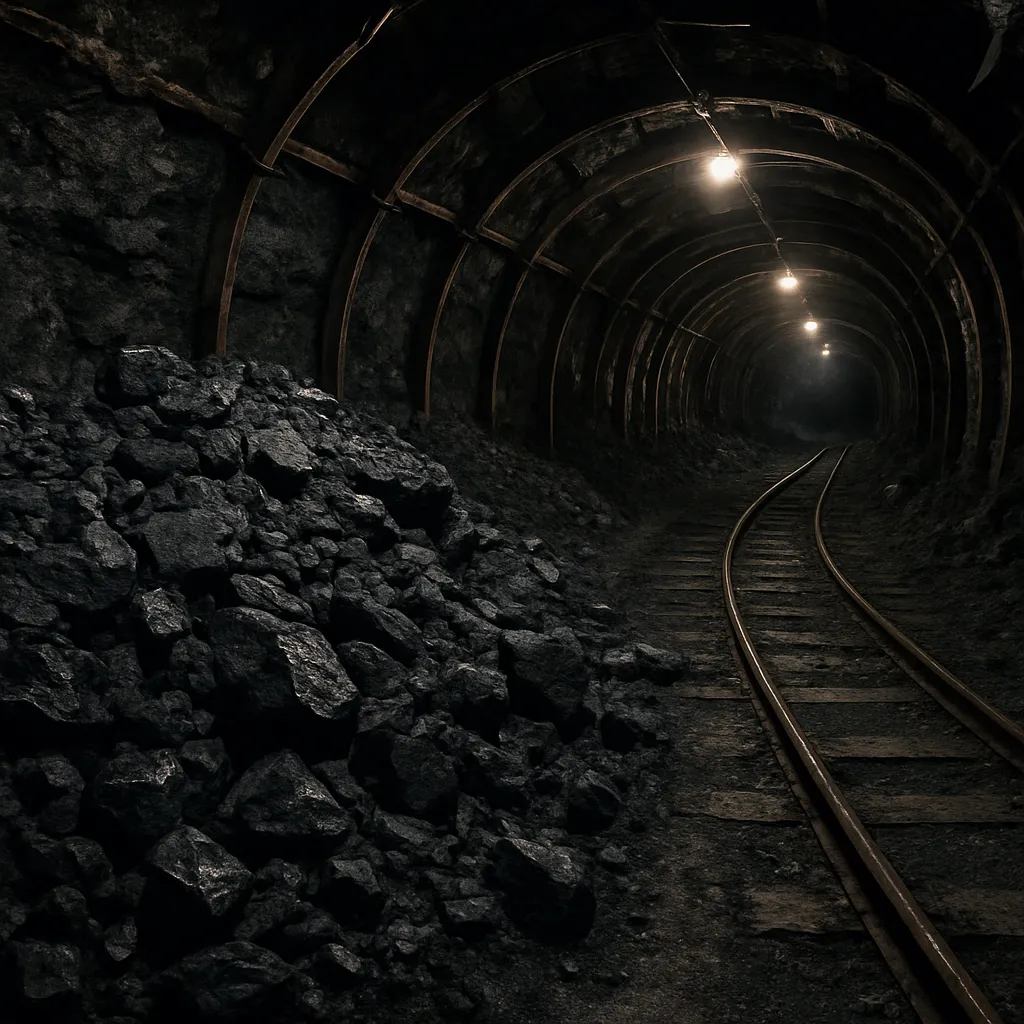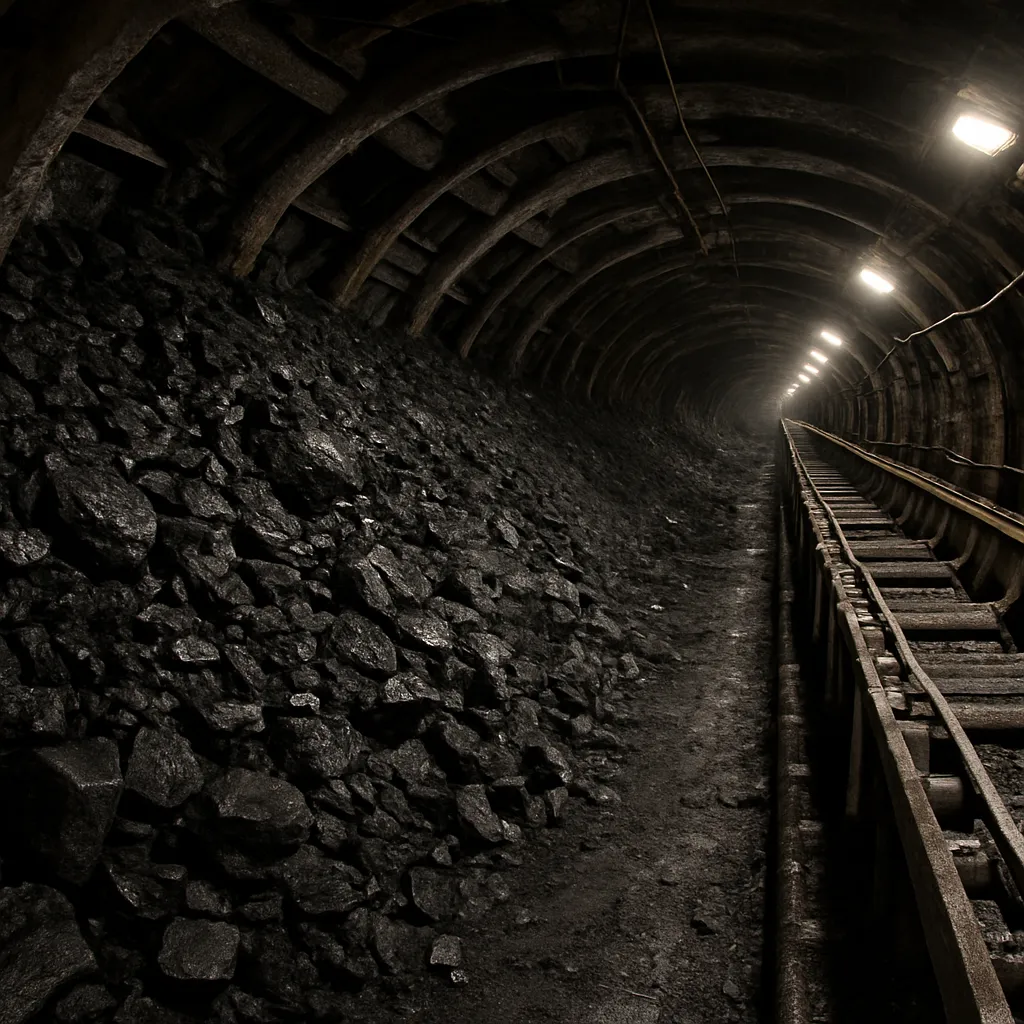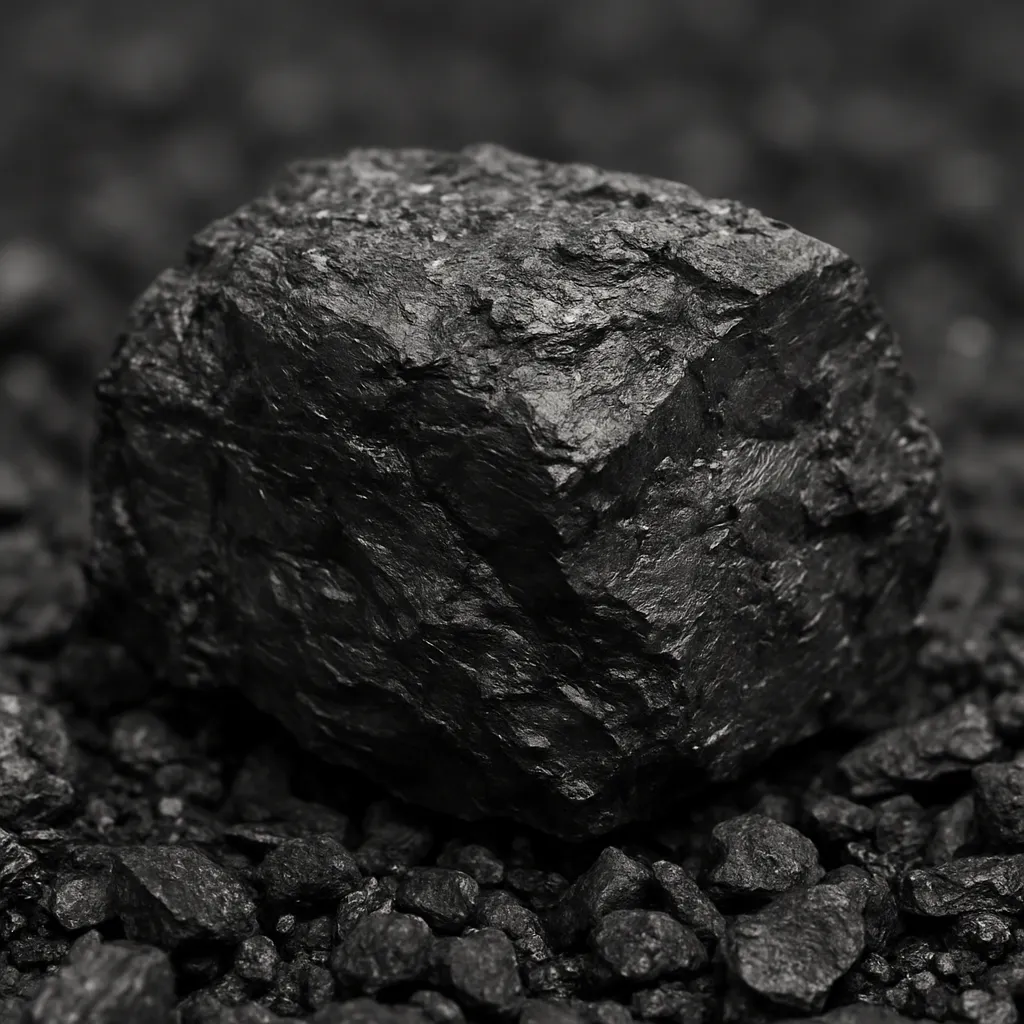
This article examines the subject commonly referred to as composite coal — a term that can denote both geological composite samples and engineered blends of different coal types used to meet technical, environmental and economic objectives. The analysis covers where such coals occur, how and where they are mined, global production and trade patterns, the economic and industrial roles of composite blends, quality and blending practices, environmental and regulatory issues, and likely future trends. Throughout the text, key concepts such as coal, composite, coal blending, coal reserves, China, exports, coking coal, power generation, emissions and decarbonization are emphasized.
Occurrence and geological formation
Coal in any form — including composite samples assembled for analysis or blended products — originates from the accumulation and burial of plant matter in ancient peat-forming environments such as swamps, deltas and coastal plains. Over geological time, heat and pressure convert that peat into various coal ranks, from lignite (low rank) through sub-bituminous and bituminous to anthracite (high rank). A “composite” coal in a geological sense often refers to a representative sample that integrates material from multiple seams or layers to characterize the overall quality of a coalfield or a batch destined for a particular use.
Major coal-bearing basins occur on every inhabited continent. The largest and most productive basins include:
- North China (including major deposits in Shanxi, Shaanxi and Inner Mongolia), which is the world’s largest single source of coal by production and reserves.
- The Bowen and Sydney basins in Australia, supplying both domestic power needs and large export volumes of thermal and metallurgical coal.
- The Powder River Basin and Appalachian basins in the United States, providing large volumes of sub-bituminous and bituminous coals respectively.
- The Kuzbass (Kemerovo) and other basins in Russia, rich in both thermal and coking coals.
- Permian and other basins in India, South Africa’s Witbank and Highveld areas, and numerous basins across Southeast Asia (e.g., Indonesia).
These basins contain a mix of ranks and qualities; blends are frequently created either at mine-mouth, in ports or at consumer facilities to meet specific specifications for steam generation, coking or industrial processes.
Mining, production and global trade
Coal extraction methods vary with depth, seam geometry and economic considerations. Surface or open-pit mining is used for shallow deposits and accounts for a significant share of global production in regions like the Powder River Basin and parts of Australia and Indonesia. Underground methods — longwall and room-and-pillar — predominate in deeper, higher-rank coal seams such as those used for metallurgical purposes.
Global coal production in the early 2020s remained large, measured in billions of tonnes annually. Production and consumption are highly concentrated: China alone is responsible for roughly half of global coal output and consumption, while a handful of countries — India, the United States, Indonesia, Australia and Russia — account for most of the remainder. Australia and Indonesia are leading exporters of thermal and metallurgical coals, with Australia also exporting large quantities of high-quality coking coal used in steelmaking.
Typical trade flows reflect:
- Australia and Indonesia as principal exporters of thermal coal to Asia (China, Japan, South Korea, India and Southeast Asian markets).
- Australia and Russia supplying metallurgical coal to steelmaking regions worldwide.
- The United States exporting both thermal coal and metallurgical coal to the Americas, Europe and Asia, depending on pricing and shipping economics.
Blended coals (composite products) frequently cross borders: coal from different mines or countries is combined at ports or terminals to reach target calorific values, ash, moisture and sulfur levels.
Quality parameters and the role of composite blends
Coal quality is characterized by several important parameters:
- Calorific value (gross and net), usually expressed in kcal/kg or MJ/kg.
- Fixed carbon, volatile matter and moisture content, which determine combustion behavior.
- Ash content and mineral composition, which affect slagging, fouling and residue management.
- Sulfur and trace element concentrations (e.g., mercury, arsenic), important for emissions control and environmental compliance.
- Certain rheological and petrographic properties (e.g., caking, swelling rank) critical for coking coal and steel industry performance.
A composite or blended coal product is engineered to match specific user requirements. Utilities typically blend coals to achieve a target calorific value and lower the average sulfur or ash content, improving boiler performance and reducing operating costs. Steel producers blend coals to ensure the right coking properties for producing high-quality coke. Blending strategies provide:
- Operational flexibility — enabling plants to use a range of feedstock while maintaining performance.
- Cost optimization — lower-cost coals can be mixed with higher-quality coals to meet specs at lower overall cost.
- Regulatory compliance — blends can be designed to reduce emissions of sulfur and certain regulated trace elements.
Composite samples are also used in laboratory characterization and resource reporting: a geologically representative composite sample from multiple drill holes or faces offers a more reliable estimate of an entire seam or mineable block’s quality than isolated spot samples.
Economic importance, markets and statistics
Coal remains a major global commodity with multiple economic roles:
- It is a primary fuel for power generation in many countries, particularly in Asia where coal-fired plants provide baseload electricity.
- It is essential for the steel industry — coking coal (metallurgical coal) and coke are critical inputs for traditional blast furnace ironmaking.
- It supports large employment and regional economies in coal-producing regions through mining, transport, port and ancillary services.
Although exact annual numbers vary year-by-year, some broad statistical observations reflect the market:
- Global annual coal production in the early 2020s was on the order of several billion tonnes, with demand concentrated in a handful of markets. Production levels can fluctuate with economic cycles, energy prices and policy changes.
- China consumes and produces roughly half of global coal; India is the second-largest consumer, with rising import dependency for certain coal qualities.
- Australia and Indonesia are among the largest exporters by volume, with Australia a dominant supplier of high-quality coking coal.
- Metallurgical coals constitute a smaller but high-value portion of total coal trade — they command premium prices compared to thermal coals because of their role in steelmaking.
Because composite coals and blends are tailored products, their value is often a function of the weighted average of the component coals’ calorific value, volatility and impurity contents. Markets for blended coals are thus sensitive to transportation costs, port blending capacity and short-term changes in demand from power stations and steelmakers.
Industrial applications and significance
Key industrial uses of coal and composite blends include:
- Electricity generation: coal-fired plants use blends to stabilize combustion, limit slagging and meet emission standards.
- Steel production: coking blends are essential to produce metallurgical coke with required strength and reactivity.
- Chemicals and materials: coal is feedstock for coal-to-chemicals, gasification and production of activated carbons and carbon fibers (though these markets are smaller than power and steel).
- Domestic and industrial heating in regions with limited gas infrastructure where briquettes and densified composite fuels are sold for household or industrial boilers.
Composite coal products are thus an important enabler for industries that cannot easily switch fuels, or where specific material properties are non-negotiable (e.g., blast furnace coke strength).
Environmental, health and regulatory aspects
Coal combustion is associated with significant environmental concerns. Key issues include:
- Greenhouse gas emissions: burning coal is a major source of CO2, and the carbon intensity per unit energy is among the highest of fossil fuels. This has placed coal at the center of national and international decarbonization strategies.
- Local air pollution: sulfur oxides (SOx), nitrogen oxides (NOx), particulate matter and mercury emissions can be substantial without abatement technologies.
- Mine-site impacts: land disturbance, water contamination, dust and subsidence are important environmental and social considerations in coal mining regions.
Composite blends can mitigate some environmental issues by reducing the average sulfur or ash content fed to a plant or by improving combustion efficiency, which slightly lowers CO2 per unit of electricity produced. However, blending alone cannot fully resolve climate concerns: the central climate challenge requires coal demand reductions, fuel switching (e.g., to natural gas or renewables), carbon capture and storage (CCS), or radically different steelmaking routes (e.g., hydrogen-based direct reduced iron).
Technological developments and adaptation strategies
The coal sector and its customers are adopting a range of technologies and strategies:
- Advanced coal beneficiation and washing improve the quality of raw coals, enabling more effective composite blends and reduced ash and sulfur loads.
- Co-firing with biomass and waste-derived fuels in power plants reduces net lifecycle emissions when sustainably sourced biomass is used.
- Deployment of emissions control technologies — flue-gas desulfurization, selective catalytic reduction for NOx, particulate filters and mercury controls — reduces local air pollution impacts.
- Research into carbon capture and storage (CCS) aims to allow continued use of coal in power and industrial applications with lower CO2 footprints, though commercial-scale CCS remains limited and cost-intensive.
- In steelmaking, alternatives to blast furnaces are gaining attention: hydrogen-based DRI and electric arc furnaces (EAF) using scrap metal can reduce reliance on coking coal over time.
Composite coal and blending strategies remain important in this transition: they can smooth the operational integration of alternative fuels, optimize the use of reduced-quality coals, and support gradual shifts in feedstock composition while maintaining process stability.
Regional snapshots and policy interactions
Regional dynamics strongly influence the role of composite coals:
- Asia (China, India, Southeast Asia, Japan, South Korea): High dependence on coal for baseload power yields large markets for blended coals, import logistics and port blending operations. Policy pressures to reduce air pollution have accelerated the installation of emissions controls in many plants.
- Australia: Coal production and export infrastructure are oriented toward both thermal and metallurgical markets. Blending and quality management are central to meeting diverse customer specifications across Asia and beyond.
- United States: A shift from coal to gas and renewables reduced domestic coal-fired generation, but coal exports and metallurgical coal demand remain significant. Blending is used to adjust to market-demanded calorific values and compliance needs.
- Europe: Rapid coal phase-outs for power generation in many countries have reduced demand for blends, whereas metallurgical coal imports persist for steelmaking. Regulations and carbon pricing accelerate transitions away from thermal coal in power generation.
- Developing economies: In regions with growing electricity demand and limited alternatives, coal remains attractive for reliable baseload supply; blended or composite fuels are often used to manage costs and meet emission limits.
Interesting technical and historical notes
Several lesser-known but interesting aspects of composite coal and blending include:
- Historical use of blended coals: since the industrial revolution, operators have mixed coals from different seams to obtain predictable furnace and boiler performance.
- Petrographic composite sampling: coal petrographers create composite samples to characterize macerals (the organic constituents of coal) across a deposit — data important for predicting behavior during coking or gasification.
- Briquetting and densification: low-rank coals and wastes are often processed into densified composite fuels (briquettes or pellets) for safer handling, higher energy density and controlled combustion.
- Composite coals in developing technologies: gasification plants and coal-to-liquids facilities often require a consistent feedstock, and blending strategies are central to ensuring stable syngas quality and downstream chemistry.
Future outlook
The future for composite coal products will be shaped by several forces:
- Market trends: demand for thermal coal is likely to decline in many regions as renewables and gas expand, but demand for metallurgical coal could persist unless low-carbon steelmaking scales rapidly.
- Policy and finance: stricter emissions regulations and the cost of carbon are shifting economics away from coal-fired generation. Financing constraints may limit new coal projects in many jurisdictions.
- Technology adoption: CCS could prolong some coal use if it becomes affordable and scalable; otherwise, composite coal blends will remain an interim operational tool during transition rather than a long-term climate solution.
- Value chain optimization: blending and composite strategies will continue to deliver economic value by allowing flexible use of resource mixes, improving plant efficiency and reducing emissions intensity per unit of output.
In summary, composite coal — whether as representative geological samples or as engineered fuel blends — remains an important concept in the management of coal quality, logistics and economics. Its role will evolve as markets, technologies and policies push energy systems toward lower-carbon alternatives, but blending and composite products will likely remain relevant as means to optimize performance and costs during the transition.