This article examines the phenomenon commonly referred to as synthetic coal alongside conventional coal. It covers geological occurrence, extraction methods, economic and statistical context, industrial uses, environmental consequences, and emerging technological approaches that create or substitute coal-like products from other feedstocks. The goal is to present a balanced, data-informed overview useful for industry professionals, policymakers and informed readers.
Occurrence, types and extraction of conventional coal
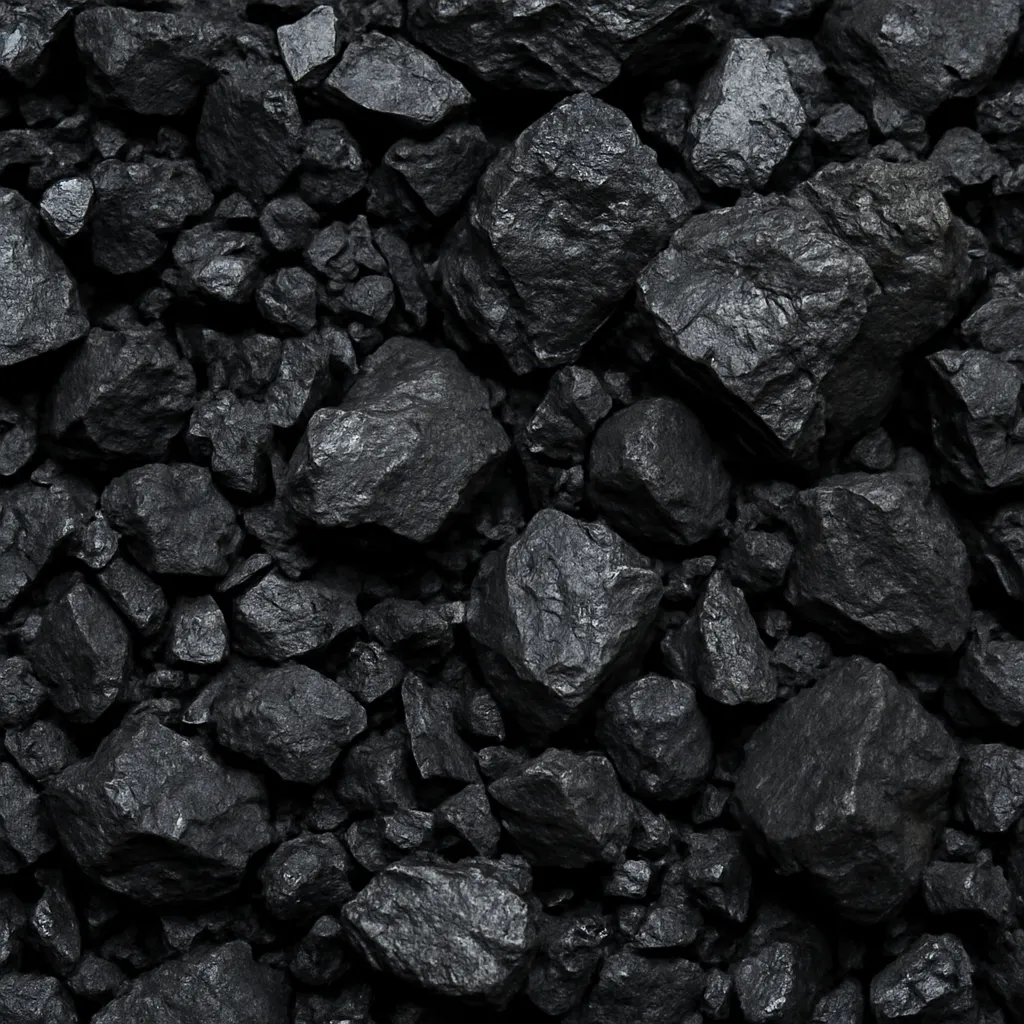
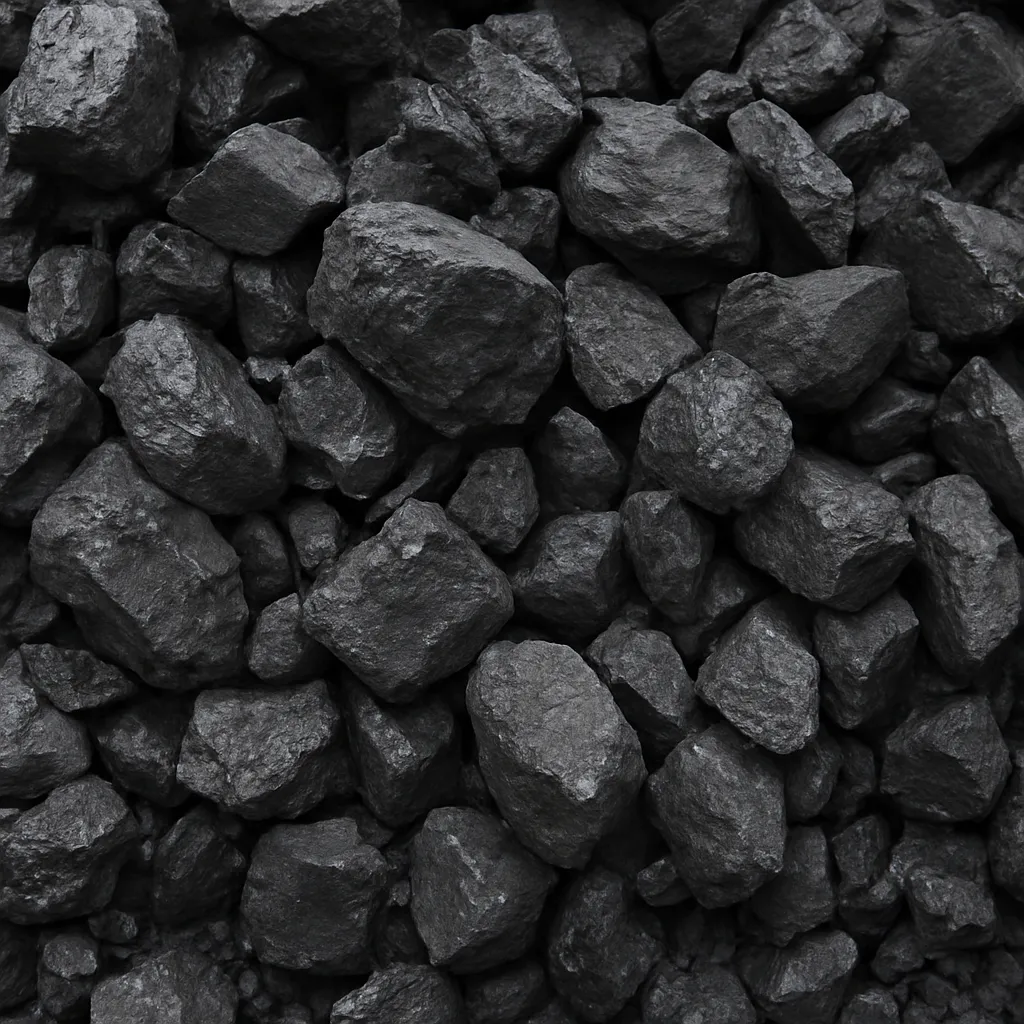
Coal is a sedimentary rock formed by the burial and diagenesis of plant material over geological time. Different grades arise through progressive metamorphism in a process known as coalification. Major ranks of coal include lignite (brown coal), sub-bituminous, bituminous and anthracite. Each rank has distinct properties: energy content, volatile matter, moisture and caking properties. A key industrial distinction is between coking coal (used to make coke for steel production) and thermal coal (used to generate heat and electricity).
Geographic distribution is uneven. Coal basins formed in the Carboniferous, Permian and younger periods are concentrated in:
- East Asia: large deposits in China (the largest producer and consumer).
- South Asia: major reserves and rising demand in India.
- Oceania: Australia with extensive reserves and status as the largest seaborne exporter.
- North America: the United States and Canada with long-established mining regions.
- Europe: sizable deposits in Russia, Poland, Ukraine and previously in Germany and the United Kingdom.
- Africa: notable in South Africa (including high-quality metallurgical coal) and smaller basins across the continent.
Mining methods include surface mining (open-pit, strip mining) for shallow deposits and underground mining (longwall, room-and-pillar) for deeper seams. Globally, mechanization and productivity improvements have reduced labor per tonne, but many regions still rely on small-scale and artisanal mining.
What is synthetic coal and why produce it?
The term synthetic coal can mean different things depending on context:
- Fuel products synthesized from coal by chemical conversion (for example, coal-to-liquids and coal-to-chemicals products).
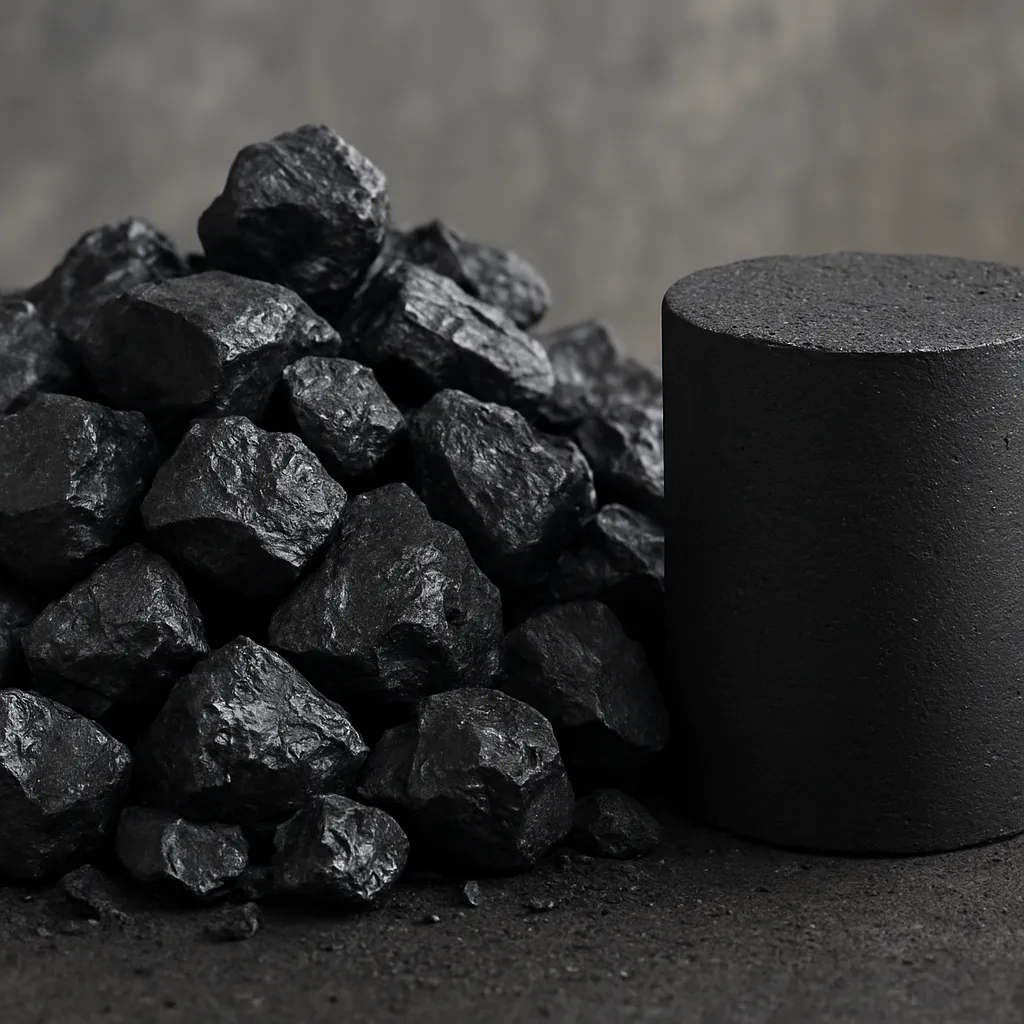
- Engineered solid fuels made from non-coal feedstocks—most commonly biomass—that mimic coal properties (often called biocoal, hydrochar or torrefied biomass).
- Coal-like solid materials manufactured from waste, municipal solid waste, or combinations of coal and biomass for specific industrial uses.
Each pathway has different drivers. Converting coal into liquids and chemicals historically served national energy security and industrial feedstock needs. Producing coal-like solids from biomass or waste addresses fuel substitution, emission reduction potentials (in life-cycle terms) and circular economy goals.
Coal-to-liquids (CTL) and gasification
Two technology routes dominate CTL and coal-derived chemicals: direct liquefaction and indirect liquefaction using gasification followed by synthesis (Fischer–Tropsch or methanol synthesis). Gasification converts solid coal into synthesis gas (a mixture of hydrogen and carbon monoxide), which can then be catalytically converted into:
- liquid fuels (diesel, naphtha),
- synthetic natural gas (SNG),
- chemicals such as methanol and ammonia feedstocks.
Industrial-scale deployments include South Africa’s historic Sasol CTL complex based at Secunda, which used coal gasification and Fischer–Tropsch synthesis to produce fuels and chemicals for domestic supply.
Biomass-derived “synthetic coal”: torrefaction and hydrothermal carbonization
Two biological routes produce coal-like materials:
- Torrefaction: Thermal treatment of biomass (200–300°C) under anoxic conditions yields a dry, brittle, energy-dense product often called biocoal or torrefied biomass. It has improved grindability, hydrophobicity and higher energy density than raw biomass, enabling co-firing with coal in power plants.
- Hydrothermal carbonization (HTC): Wet biomass treated at elevated temperature and pressure in water produces hydrochar—a solid with properties closer to lignite or sub-bituminous coal. Hydrochar can be pelletized and used as a fuel or soil amendment depending on processing.
These processes are promoted as part of low-carbon fuel strategies, especially when combined with sustainable biomass and carbon capture, utilization and storage (carbon capture).
Economic and statistical overview
Coal remains significant in the global energy mix despite long-term decline trajectories in some regions. Key statistical points (estimates and typical ranges, year-to-year variation exists):
- Global primary coal production recently has been on the order of several billion tonnes annually (roughly 7–8 billion tonnes per year in the early 2020s), with China producing nearly half of that total.
- Seaborne trade in thermal and metallurgical coal is dominated by a few exporters; Australia and Indonesia are among the world’s largest exporters, while China, India, Japan and South Korea are major importers of seaborne coal.
- Coal supplies about one-quarter to one-third of global electricity generation; in some countries its share remains higher (China and India, in particular, rely heavily on coal-fired generation), while many OECD countries have reduced coal use sharply.
- Employment in the coal sector is in the low millions globally when accounting for mining, transport, power plants and associated industries—declining in many advanced economies but still important in mining regions.
- Price volatility is a characteristic feature: thermal coal spot prices (e.g., Newcastle index) and metallurgical coal prices can swing widely with demand shocks, policy shifts and logistical constraints.
Regarding synthetic coal in its CTL sense, large-scale CTL capacity is relatively limited worldwide because of high capital costs and greater CO2 intensity compared to conventional petroleum refining unless abated by CCS. South Africa’s Secunda plant remains the most prominent operational example, producing hundreds of thousands of barrels per day equivalent of synthetic fuel and associated chemicals at peak. Several projects in China were developed or proposed in the 2000s–2010s, but many have been scaled back or scrutinized for environmental impacts and economics.
Industrial significance and applications
Coal and synthetic-coal products have a diverse set of industrial applications:
- Power generation: coal-fired plants remain a mainstay for baseload or dispatchable electricity in many power systems.
- Steelmaking: coking coal and metallurgical coke are indispensable for blast furnaces in traditional steel production; this market accounts for a large share of high-quality coal demand.
- Chemicals and fertilisers: coal gasification enables production of methanol, ammonia and a slate of chemical intermediates, providing feedstock flexibility for countries with limited oil and gas.
- Liquid fuels: CTL plants produce transport fuels where domestic oil supplies are insufficient and imports are strategically undesirable.
- Industrial heat: high-temperature heat for cement, ceramics and other processes often uses coal or coal blends.
- Co-firing and substitution: torrefied biomass and hydrochar products enable co-firing in coal plants and can be tailored as drop-in solid fuels.
Environmental, climate and social dimensions
Coal combustion and coal-derived fuels are associated with multiple environmental impacts:
- Emissions: Coal is carbon-intensive. Combustion emits significant CO2 per unit of energy compared with most other fossil fuels. Coal use is therefore central in national greenhouse gas inventories and climate mitigation strategies.
- Air pollution: sulfur oxides (SOx), nitrogen oxides (NOx), particulate matter (PM), mercury and other heavy metals contribute to local and regional health burdens.
- Mining impacts: land disturbance, biodiversity loss, acid mine drainage and groundwater contamination can be severe around mining operations. Underground subsidence poses local risks.
- Methane: coal mines emit methane—a potent short-lived greenhouse gas—during and after mining operations.
When it comes to synthetic coal produced from biomass, lifecycle greenhouse performance depends heavily on feedstock sourcing, land-use impacts and process energy. If biomass is truly residual and processed with low-carbon energy and CO2 is permanently stored, then biocoal routes can offer pathways to reduced net emissions or even net-negative outcomes. Conversely, CTL routes without carbon capture tend to increase lifecycle CO2 per unit of energy compared with crude oil.
Mitigation and technology responses
Policy and technology measures to address coal’s environmental footprint include:
- Emission controls (flue gas desulfurization, selective catalytic reduction, particulate filters) to address air pollution.
- Deployment of carbon capture technologies at coal-fired power plants and industrial plants (post-combustion, oxy-fuel, pre-combustion capture after gasification).
- Fuel switching and co-firing with low-carbon fuels such as gas or sustainably produced biocoal.
- Mine reclamation, improved water management and methane abatement at the mine site.
- Economic instruments—carbon pricing, emission trading systems and removal of fossil fuel subsidies—shaping incentives away from unabated coal.
Market drivers and policy dynamics
Several intersecting drivers shape the demand for coal and synthetic-coal products:
- Energy security: countries with abundant coal reserves sometimes prioritize domestic coal use to reduce import dependence, which historically motivated CTL programs.
- Industrial needs: steelmakers’ dependence on metallurgical coal sustains demand even as power-sector coal declines in some regions.
- Climate policy: rising commitments under net-zero targets and air quality regulations are reducing coal’s competitiveness, though policy design affects the pace (e.g., retirement schedules, capacity payments, just transition funding).
- Technological economics: the relative cost of renewables plus storage, and the commercial maturity and cost reductions for CCS, determine whether coal plants remain viable under decarbonization goals.
Regional case studies and notable examples
Some short illustrative examples:
- China: The largest coal producer and consumer worldwide. China’s coal industry supports domestic power and industrial capacity. China has also invested in CTL and coal chemicals capacity, and simultaneously pursues renewables and emission controls—a complex policy mix reflecting multiple priorities.
- India: Heavy reliance on coal for electricity and industrial heat. Coal imports supplement domestic production, and the country faces a delicate balance between energy access, industrialization and climate commitments.
- Australia and Indonesia: Major exporters that supply an international thermal and metallurgical coal market. Export volumes and pricing are sensitive to global demand, shipping logistics and geopolitical shifts.
- South Africa: Historic example of large-scale CTL and coal-based chemical production (Sasol) tied to national industrial policy. The environmental profile and economic logic of synthetic fuel production remain subjects of debate there and elsewhere.
Future prospects: technology, markets and transition pathways
The future of both conventional coal and various forms of synthetic coal will be influenced by multiple technical and policy trends:
- Accelerated growth of variable renewables and energy storage reduces the role of coal in power generation in some grids, while demand for flexible, dispatchable capacity creates opportunities for retained coal plants with retrofits.
- Commercial-scale carbon capture and storage (CCS) could materially change the greenhouse profile of coal and CTL plants but face cost, storage availability and public acceptance challenges.
- Development of low-carbon steelmaking (hydrogen-based direct reduced iron, electric arc furnace with recycled scrap) could lower dependence on metallurgical coal over decades.
- Bio-based and waste-derived solid fuels (torrefied biomass, hydrochar) can substitute for a share of thermal coal in certain applications, offering near-term emissions reductions when sustainably sourced.
- Economic competitiveness of synthetic fuels from coal will remain conditional on oil prices, carbon pricing, and regulatory frameworks that either penalize or permit unabated CO2 emissions.
Interesting technical and historical notes
- Historically, coal played a central role in the Industrial Revolution; synthetic routes such as coal gasification powered early town gas and chemical industries long before petroleum became dominant.
- Fischer–Tropsch synthesis (developed in the early 20th century) enabled conversion of coal-derived gas into high-quality synthetic transport fuels—technology that became strategically important during fuel embargoes or shortages.
- Modern biocoal development seeks to combine biomass valorization with industrial uses while managing sustainability constraints. The quality of biocoal can often be tailored (particle size, hydrophobicity, energy density) for specific co-firing or dedicated combustion applications.
- From a materials perspective, the coking behavior of certain coals (plasticity, volatile release, fixed carbon) remains unique and difficult to fully replace in large-scale blast-furnace steel production without industry process change.
Conclusion
Coal and its synthetic analogues occupy a complex place in the modern energy and industrial landscape. Coal continues to provide energy, heat and critical industrial feedstocks in many parts of the world. At the same time, environmental constraints, economic competition from low-cost renewables and policy commitments to decarbonize are driving transitions. Synthetic coal—whether produced by chemical conversion of coal into liquids and chemicals, or manufactured from biomass and wastes to emulate coal properties—offers both opportunities and challenges. Key determinants of future relevance include the scalability and cost of mitigation technologies (carbon capture), availability of sustainable biomass, policy incentives, and the pace of technological change in competing sectors (renewables, low-carbon steel, electrification).
For policymakers and industry leaders, the central questions are how to manage the social and economic consequences of declining coal industries, how to deploy abatement options where coal remains in use, and how to decide when production of synthetic coal or biocoal makes sense economically and environmentally. The answers will vary by region, end-use and policy environment, but the combination of technical innovation and prudent governance can shape outcomes that align energy reliability, industrial competitiveness and climate goals.