The Nagpur Coalfield, located in central India, is an important component of the country’s coal-producing landscape. Although it is not as widely known internationally as larger coalfields in eastern India, Nagpur’s deposits and associated mining activity play a significant role in supplying fuel to regional industries and power plants. This article examines the location, geology, production characteristics, economic impact, industrial significance, environmental and social dimensions, and future prospects of the Nagpur Coalfield and surrounding coal mining sites.
Location, geological setting and history
The Nagpur Coalfield lies in the vicinity of the city of Nagpur in the state of Maharashtra, in India’s central belt. Geographically, deposits occur primarily in the districts around Nagpur and extend into neighboring areas of eastern Maharashtra. The coal-bearing sequences belong to the Gondwana formations, which are widespread across peninsular India and host the country’s main workable coal deposits.
Geologically, the Nagpur deposits are part of the larger Central India Gondwana basin system. The coal seams are typically found in the Permian–Carboniferous sequence known regionally as the Gondwana succession. These coals are mainly of the bituminous to sub-bituminous rank, reflecting a moderate degree of coalification consistent with many central Indian coalfields. Seam thicknesses, depth of burial and lateral continuity vary, with some areas amenable to surface (open-cast) mining and others requiring underground methods.
Historically, coal exploration in the Nagpur region began in the late 19th and early 20th centuries with systematic surveys and development accelerating in the 20th century. Mining activity expanded particularly after India’s independence, as industrialization and power generation needs in central India grew. Most modern mining operations in the region are managed by public-sector entities under the umbrella of Coal India Limited (CIL) or its subsidiary, Western Coalfields Limited (WCL), and by state-sector or private contractors working under lease arrangements.
Coal characteristics and mining operations
The coal mined in the Nagpur Coalfield exhibits characteristics typical of central Indian Gondwana coals. Key attributes include:
- Rank and quality: Predominantly bituminous to sub-bituminous; intermediate calorific values compared to eastern high-rank coals and lower-rank lignites. Calorific values typically range in the moderate band (commonly a few thousand kcal/kg), which makes the coal suitable for combustion in thermal power stations and certain industrial furnaces.
- Ash content: Indian Gondwana coals, including those in the Nagpur area, often have relatively high ash content compared with many international coals. Ash levels may vary significantly between seams and blocks but commonly range from moderate to high, impacting handling, beneficiation needs and combustion efficiency.
- Sulfur and moisture: Sulfur content is generally low to moderate; moisture content can be significant in some sub-bituminous seams, affecting net calorific value and transportation economics.
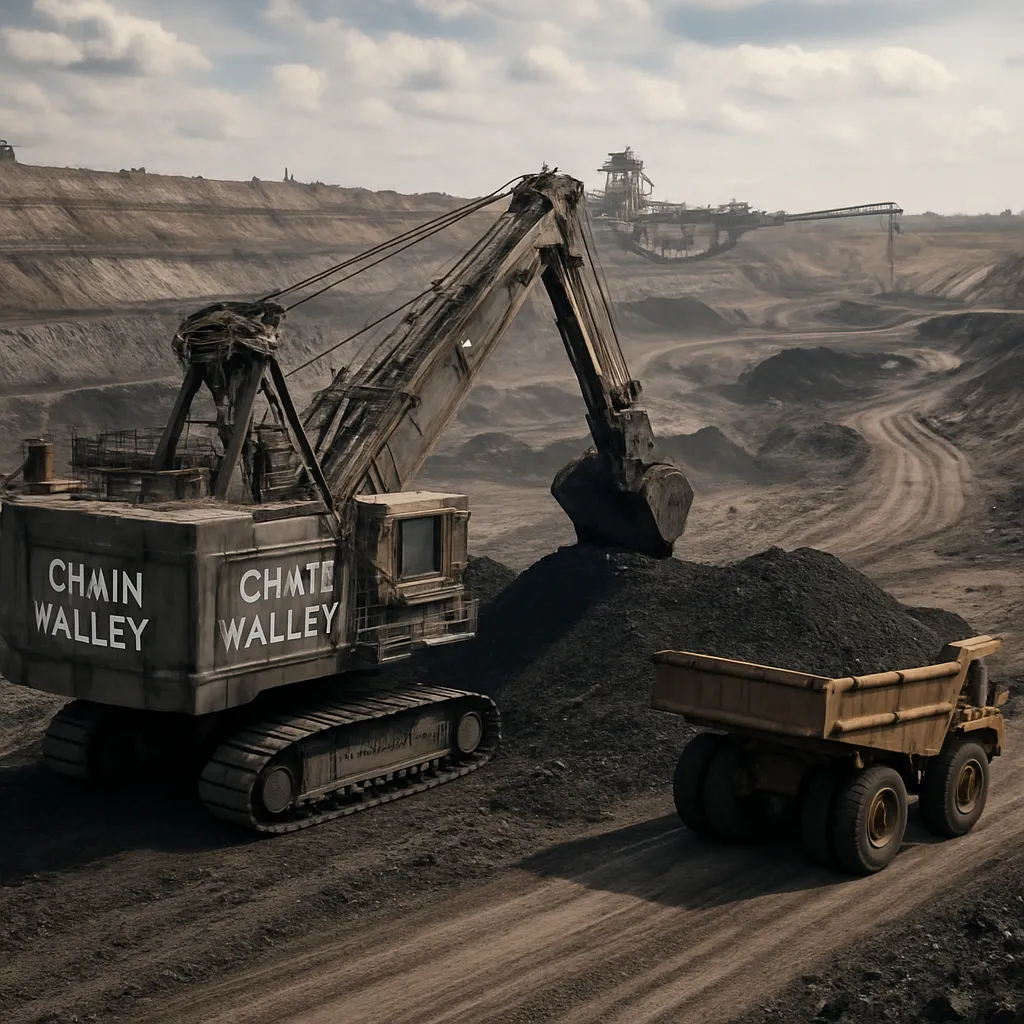
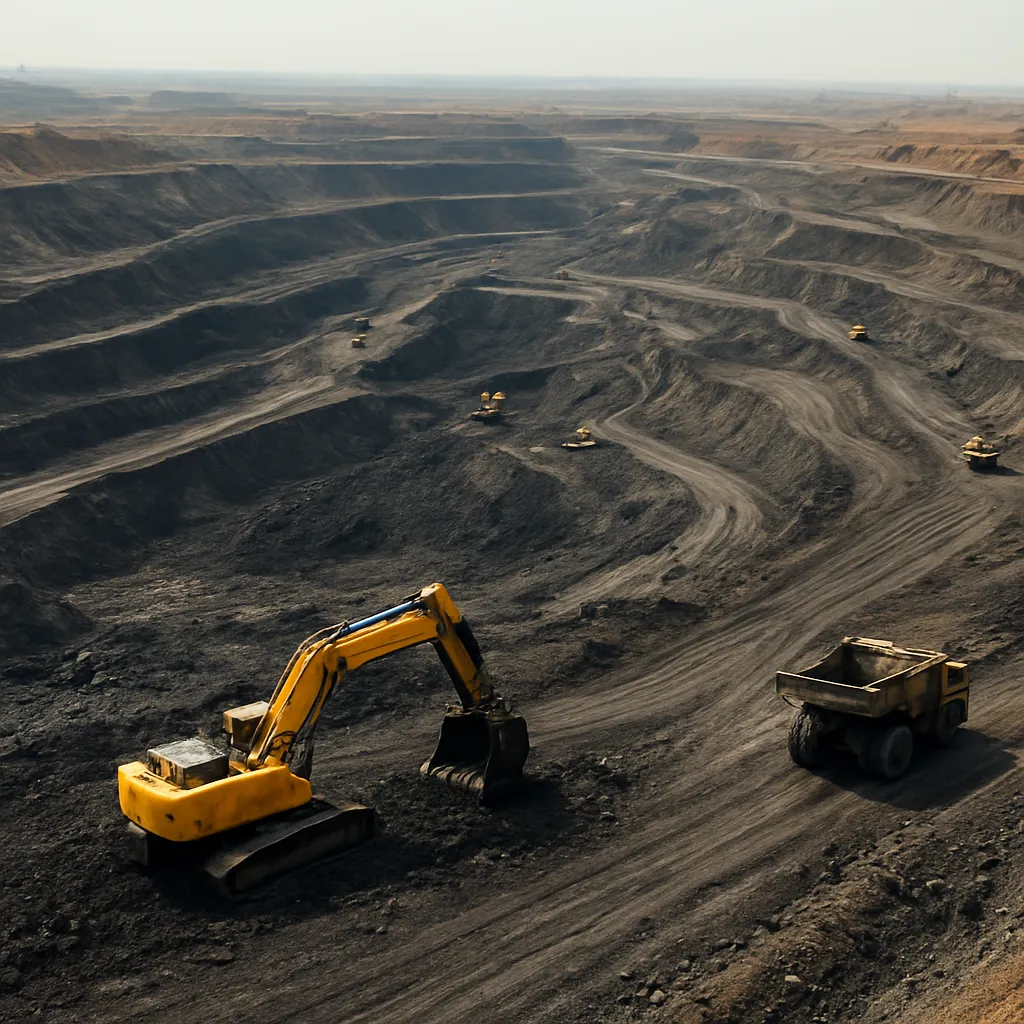
Mining operations in the Nagpur Coalfield employ a mix of technologies. Open-cast (surface) mining is used where seams are thick and near-surface, providing higher productivity and lower cost per tonne but generating larger surface disturbance. In areas where seams are deeper or geotechnically constrained, underground mining methods remain in use. Modern mechanized mining equipment—such as draglines, shovels and surface miners—has been gradually introduced in larger open-cast operations, while underground mines may use conventional bord-and-pillar or longwall-style approaches where applicable.
Coal produced in the Nagpur area supplies a mix of end-users: regional thermal power plants, cement and steel industries, brick kilns and smaller industrial consumers. Proximity to the urban and industrial base around Nagpur reduces transportation costs and makes the deposits particularly important for meeting local energy needs.
Economic importance and industrial linkages
The Nagpur Coalfield has multiple layers of economic significance:
- Energy supply: The coal supports local and regional thermal power generation and industries, contributing to energy security for Maharashtra and neighboring states. Several thermal plants and industrial consumers in the Vidarbha and central Indian region rely on coal delivered from the Nagpur area, reducing dependence on long-distance transport from eastern coalfields.
- Employment and livelihoods: Mining operations, contractors and associated transport and service sectors generate direct and indirect employment. While mechanization reduces labor intensity in some operations, mining still supports a significant workforce in extraction, processing, logistics and ancillary services.
- Supply chain and regional economy: Coal movement stimulates rail and road freight activity, boosts local supply chains (machinery, spares, fuel, and services), and supports small businesses in mining towns and villages. Taxes, royalties and lease payments contribute to state and local revenues.
At a broader level, while Nagpur’s coal production is not among India’s largest single-field outputs, it is part of the mosaic of domestic coal supply that underpins industrial growth. Aggregated across many such fields, domestic coal enables India’s large power sector—where coal remains the dominant fuel—and provides feedstock to energy-intensive industries such as cement, steel and brick-making.
Statistical context and production notes
Exact production and reserve figures for the Nagpur Coalfield can vary depending on the reporting year and the source of data (state agencies, Coal India subsidiaries or independent geological surveys). Some general contextual points:
- Production: Many central Indian coalfields together contribute a measurable share of regional coal output, with mining clusters such as those under Western Coalfields Limited reporting yearly outputs in the multi-million tonne range across all their areas of operation. The Nagpur area contributes a portion of that output, particularly to meet local power and industrial demands.
- Reserves: Proven and probable reserves in smaller coalfields are typically measured in tens to hundreds of millions of tonnes, while larger basins host resources in the billions. Estimates for specific blocks in the Nagpur region are based on exploratory drilling and resource modelling performed by national agencies and company geologists.
- Quality benchmarks: Coal from the Nagpur region often requires washing or beneficiation to reduce ash and improve calorific value for some applications. Beneficiation facilities and blending strategies are commonly used to create fuel mixes that meet power plant specifications.
Because official, up-to-date block-level statistics can be revised with new exploration and mining plans, stakeholders typically consult the latest reports from Western Coalfields Limited, the Geological Survey of India, and the Ministry of Coal for precise figures when preparing investment plans or regulatory submissions.
Industrial significance: power plants and local industries
The Nagpur coal supply chain is tightly linked to nearby power stations and industrial complexes. Regional power plants—both state utility and independent stations—have historically drawn fuel from local mines to minimize haul distances. Industries such as cement factories, certain chemical plants and brick kilns also rely on proximate coal sources for cost-effective fuel supply.
Benefits of local sourcing include reduced transportation costs, increased reliability of deliveries in comparison with long-haul coal movements, and the ability to coordinate fuel quality management (washing, blending and storage) to meet plant acceptance criteria. For coal-fired power plants, blending Nagpur coal with other coals is a common practice to reach target calorific values and ash specifications.
Environmental and social considerations
Coal mining carries environmental and social impacts that affect communities and ecosystems in the Nagpur area. Key issues include:
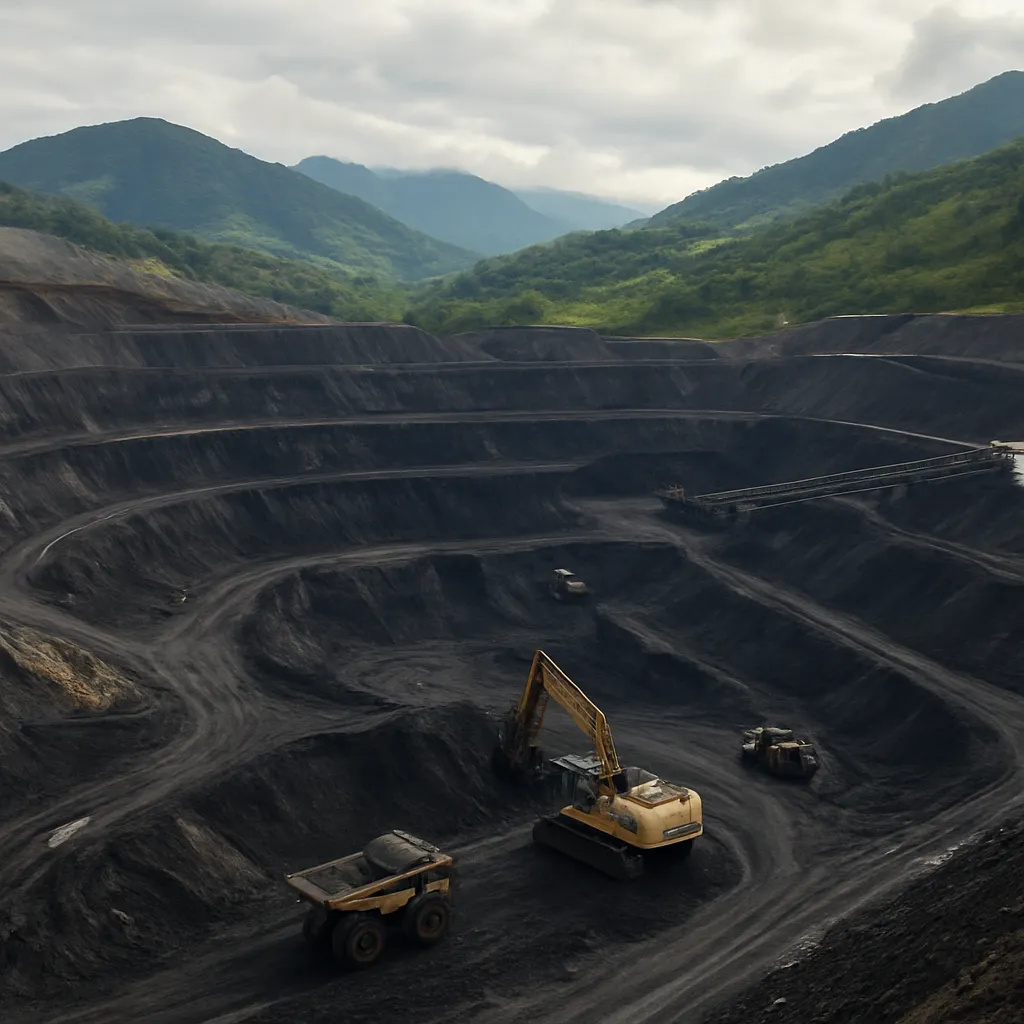
- Land disturbance and habitat loss: Open-cast mining changes landforms, removes vegetation and affects local biodiversity. Rehabilitation and progressive reclamation are critical for post-mining land use.
- Air quality: Dust from mining, coal handling, and transportation can degrade local air quality. Fine particulate emissions and fugitive dust require mitigation—water suppression, covered conveyors and dust suppression systems are typical controls.
- Water resources: Mining can alter surface water flows and draw down groundwater. Proper water management is needed to prevent contamination and ensure community water security.
- Social impacts and resettlement: Mining expansion can necessitate land acquisition and resettlement. Social impacts include changes to livelihoods, cultural disruption and demands for adequate compensation and livelihoods restoration programs.
- Greenhouse gas emissions: Coal combustion is a major source of CO2 emissions. While Nagpur-sourced coal helps power the region, it also contributes to India’s overall emissions profile, creating impetus for cleaner technologies, efficiency improvements and diversification of the energy mix.
Mitigation measures commonly deployed in the region include environmental impact assessments (EIAs), mine reclamation plans, dust control measures, community development programs, and efforts to install more efficient boilers and emission controls at end-user facilities. Regulatory oversight by state pollution control boards and the central Ministry of Environment, Forest & Climate Change mandates environmental safeguards for larger projects.
Community engagement and socio-economic programs
Mining companies in the Nagpur area often implement corporate social responsibility (CSR) initiatives and community development programs. These activities can include:
- Vocational training and skill development to improve employability of local residents.
- Improvements to local infrastructure—roads, schools, primary health centers and water supply systems.
- Support for alternative livelihoods, such as small-scale agriculture improvement, livestock programs and micro-enterprises.
- Compensation packages and resettlement assistance for affected households, including housing, livelihood restoration and community consultation processes.
Effective community engagement is important both from a social justice perspective and because it reduces project risk, helps maintain social license to operate, and supports long-term local development.
Challenges and future prospects
Like many coal-producing regions, Nagpur faces a set of intertwined challenges and opportunities:
- Resource management: Ensuring efficient extraction while minimizing environmental footprint, and extending the economic life of blocks through careful planning.
- Quality improvement: Upgrading local coal through washing and blending to meet stricter power plant emission and efficiency standards.
- Infrastructure constraints: Investment in rail, road and handling facilities is necessary to reduce bottlenecks and improve the cost-competitiveness of local coal versus imports or distant domestic sources.
- Regulatory and social license: Securing land, addressing resettlement and meeting environmental compliance are ongoing hurdles that require transparent processes and stakeholder engagement.
- Energy transition pressures: Global and national moves toward decarbonization create long-term demand uncertainty. However, in the medium term, coal is likely to remain part of India’s energy mix—provided that emissions are controlled and efficiencies are improved.
Opportunities exist in modernization (mechanization, digital mine planning), value-added services (beneficiation, logistics optimization), and in diversifying the economic base of mining regions through investments in non-mining sectors and renewable energy projects that can coexist with mine rehabilitation areas.
Interesting facts and lesser-known aspects
- The Nagpur region’s strategic location in central India gives it logistical advantages for supplying coal to several neighboring states and to important industrial corridors.
- Coal seams in the Gondwana basins can contain valuable information about ancient plant ecosystems; paleobotanical studies of coal-bearing layers provide insights into Earth’s geological and climatic history.
- Local innovations in small-scale beneficiation and dust control have sometimes emerged from operational necessities, demonstrating practical adaptations by operators to regional conditions.
- Collaboration between mining companies, academic institutions and government agencies in the region has produced research on mine reclamation, water management and community development—areas of growing importance as mines close and landscapes are rehabilitated.
Conclusions and outlook
The Nagpur Coalfield and its associated mining sites play a modest but meaningful role in India’s coal economy. They provide essential fuel to local power plants and industries, create employment and stimulate regional supply chains. The coal’s Gondwana origin and bituminous character make it adaptable for a range of thermal and industrial uses, although management of ash content and environmental impacts remains a central operational focus.
Looking ahead, the future of Nagpur’s coal industry will hinge on balancing continued local energy needs with environmental stewardship, improving coal quality through beneficiation, modernizing logistics and mining practices, and delivering tangible social benefits to affected communities. While the global energy transition poses a long-term challenge to coal markets, in the near to medium term Nagpur’s coal resources will continue to be an important part of the regional energy and industrial landscape—provided that extraction and use are progressively made cleaner and more efficient.