The Mutarara Coal Project, located in Mozambique’s mineral-rich interior, is part of the wider coal development story of the Tete province. This article examines where the project sits geographically and geologically, what kinds of coal are produced, the economic and logistical context that shapes its operation, and the broader industrial and social significance of coal extraction from this area. It also reviews infrastructure, environmental and social issues, and prospects for the future. The analysis draws on publicly available patterns and industry practices common to the Tete coal basin; specific data for the Mutarara sites may vary between operators and over time.
Location, geology and resource overview
The Mutarara Coal Project is situated in the central-northern part of Mozambique, within or adjacent to the Tete coal basin — one of Africa’s most important coal-bearing provinces. The project area lies near the town of Mutarara, a strategic locality on or close to the Zambezi River and an important rail junction for coal transport in central Mozambique. The wider Tete basin contains numerous coalfields that extend across several concessions, and Mutarara is often considered part of the mosaic of mining sites that link to major export corridors.
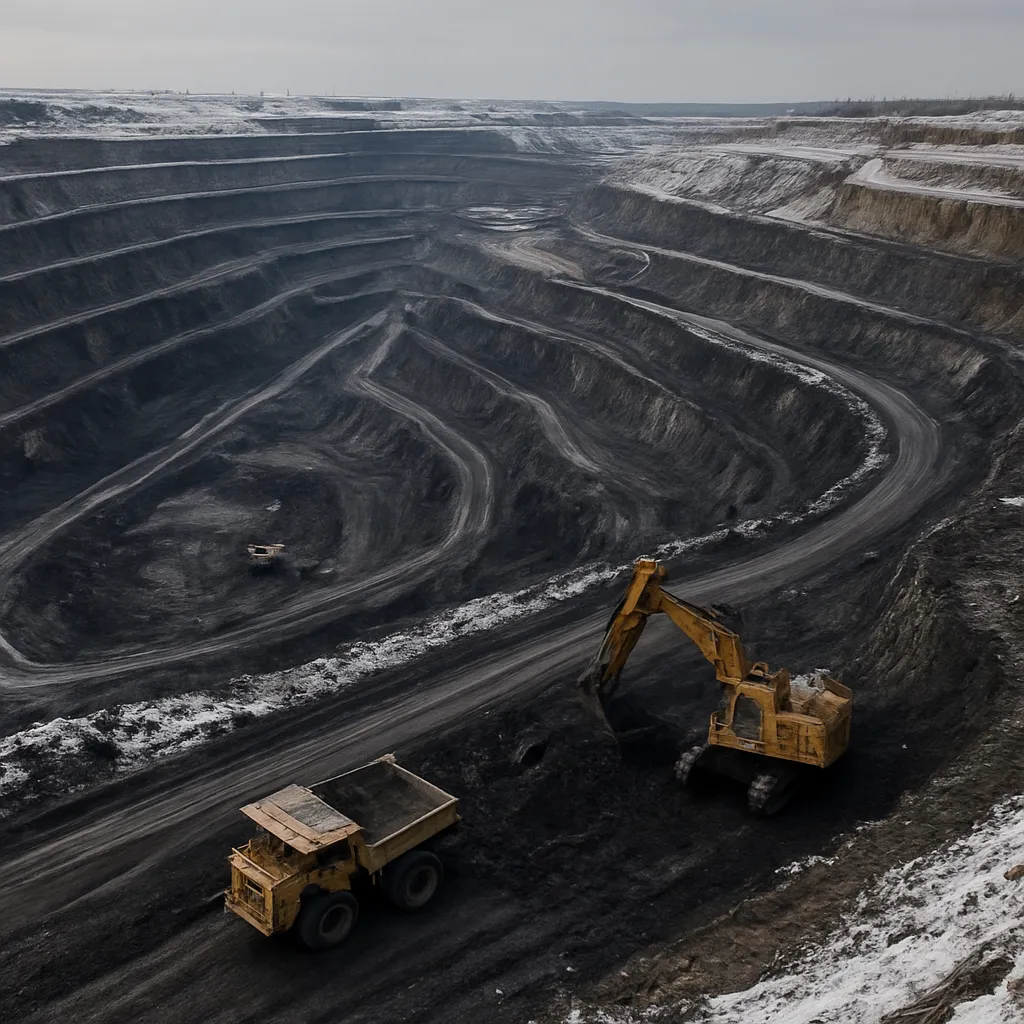
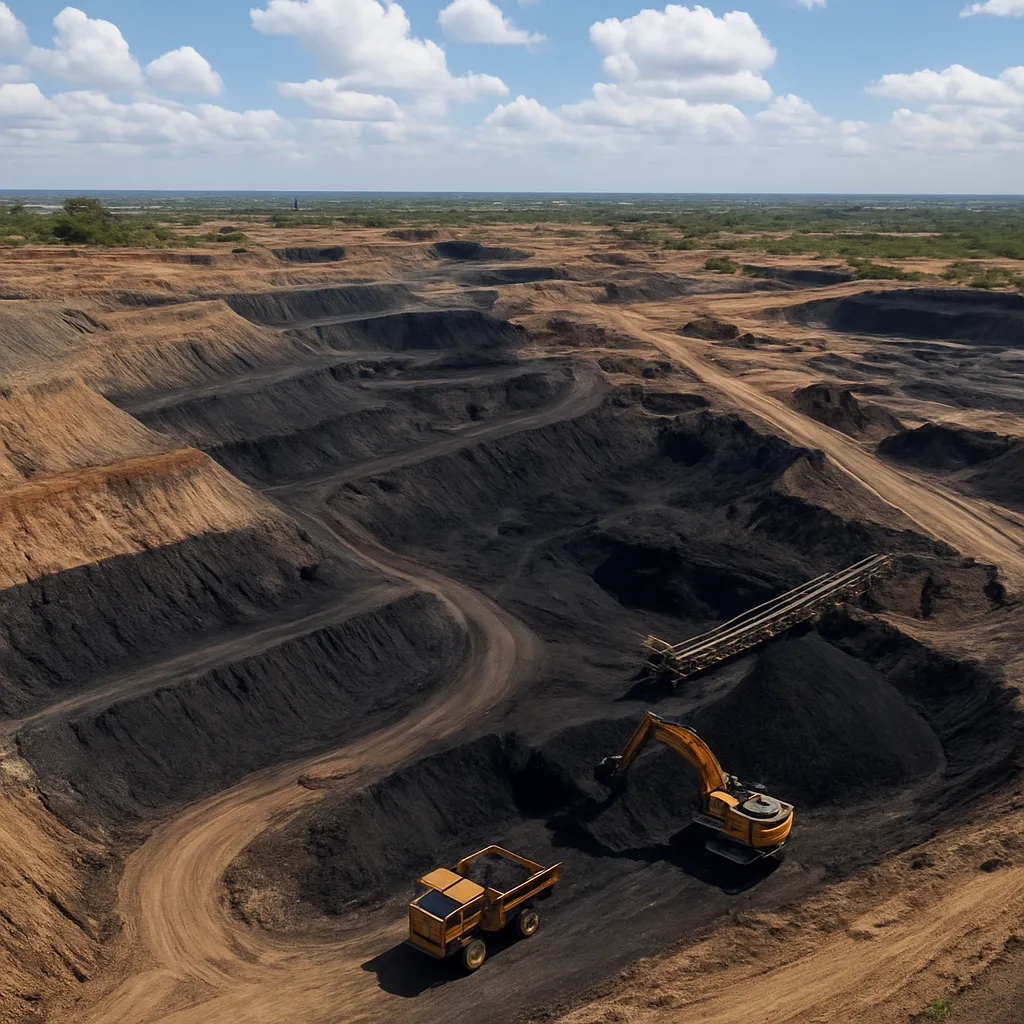
Geologically, coal deposits in the Tete region typically occur in Permian to Jurassic-age sedimentary sequences. The deposits are commonly found in relatively shallow, near-surface seams that are amenable to open-pit (opencast) mining. Coal quality varies across the basin, but broadly includes both thermal coal used for power generation and higher-grade metallurgical (coking) coal suitable for steelmaking. Seam thicknesses, depth, and continuity differ between nearby licenses; these geological characteristics drive the choice of mining method and processing requirements.
Estimates of the Tete province’s total coal resource run into the multibillion-tonne range. While precise reserve and production figures for the Mutarara-specific concession are operator-dependent and change as exploration and feasibility work progresses, Mutarara benefits from being part of a basin that has attracted substantial exploration and development investment since the early 2000s. Resource reporting practices follow industry standards (e.g., JORC, SAMREC), but readers should consult the latest company disclosures for project-specific tonnages and classifications.
What is mined and how: coal types and mining methods
The coal profile in the Mutarara area reflects the heterogeneity of the Tete basin: a mix of sub-bituminous to bituminous coals, with some lenses of higher-rank coking coal. Typical quality parameters of interest include calorific value (energy content), ash content, moisture, sulfur, and volatile matter — attributes that determine coal’s market use and price.
- Thermal coal: Used predominantly for electricity generation in domestic and export markets. Thermal grades from the region can be medium to high calorific value, but may require washing to reduce ash and sulfur.
- Metallurgical coal: Found in discrete seams and sought after for steelmaking. Higher-value metallurgical coal commands premium prices when specifications meet coking standards.
- Blended products: Producers often blend seams or process coal through a coal handling and preparation plant (CHPP) to match customer specifications for export.
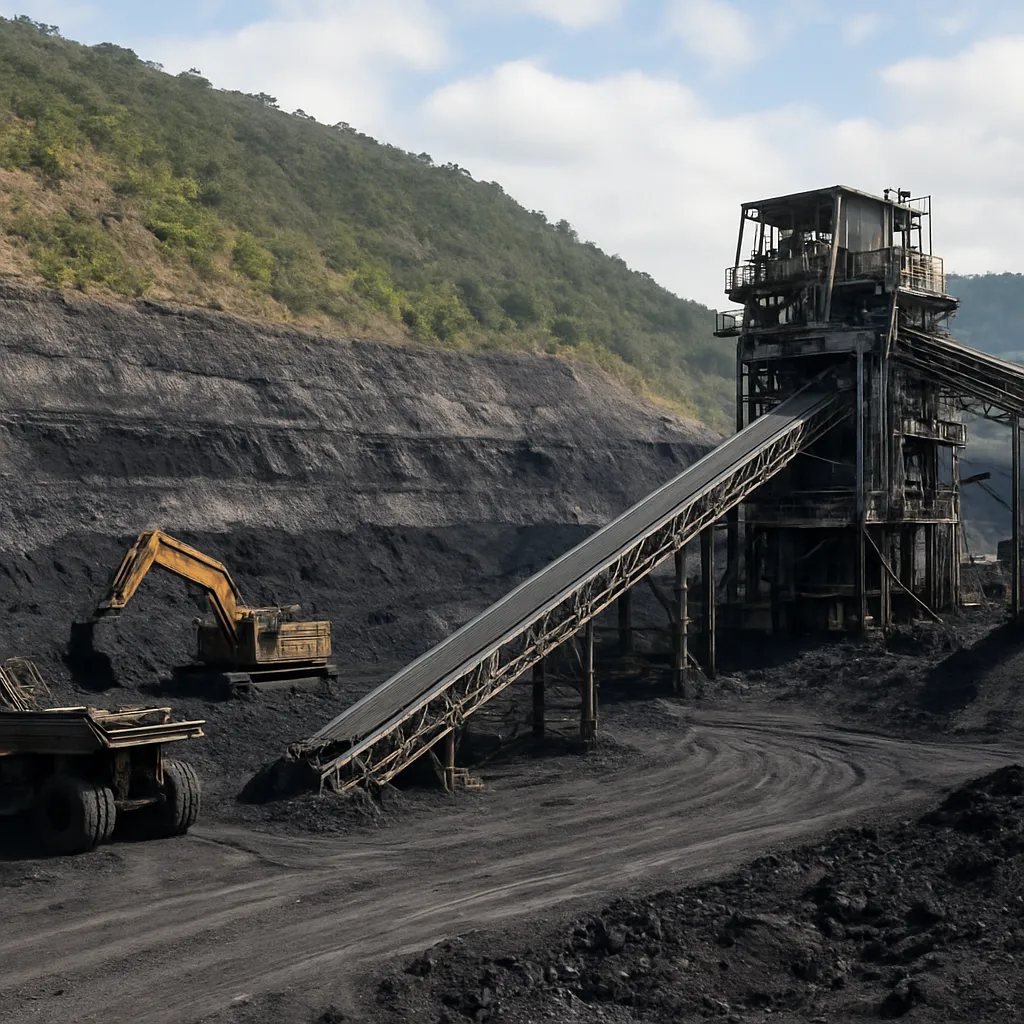
Mining at Mutarara-type projects typically uses large-scale open-pit techniques: removal of overburden by heavy earthmoving fleets, followed by drilling, blasting (where required), loading and haulage. Processing may include screening, dense medium separation, and dewatering to produce saleable concentrates or graded thermal coal. Stockpiling, blending, and rail load-out facilities are usually located close to the mine site to streamline logistics toward port terminals.
Infrastructure and logistics: how coal reaches global markets
Mutarara’s strategic importance is amplified by its proximity to crucial transport corridors. The area benefits from linkages to the historic Sena railway and other corridors that connect the coalfields to the Port of Beira and the Port of Nacala — vital export outlets for Mozambican coal. Mutarara itself is near or hosts a junction that helps route product from inland mines to coastal terminals. This rail connectivity is a defining factor in project economics, since rail and port capacity constraints can make or break profitability.
Key logistical components include:
- Railways: Bulk rail corridors carry coal trains of up to dozens of wagons; capacity depends on maintenance, rolling stock availability, and agreements with national rail authorities.
- Ports: Beira and Nacala are principal export gateways. Port draught, stockyard capacity, and ship-loading rates determine export throughput.
- Road access: Feeder roads support supplies, workforce movements and small-scale transport where rail does not reach.
- Power and water: Mining, processing and worker camps require reliable electricity and substantial water resources for processing and dust suppression.
Infrastructure challenges are common: rail congestion, seasonal river flooding affecting road access, and port bottlenecks can lead to shipment delays. Development projects often include investments or partnerships to upgrade rail and port infrastructure, which not only benefits the mine but can support broader regional economic development.
Economic and fiscal significance
The Mutarara Coal Project contributes to Mozambique’s economy at several levels. At the national level, coal exports are a significant source of foreign exchange and government revenue through taxes, royalties and export duties where applicable. At the provincial and local levels, the project generates direct employment, contract opportunities for local suppliers, and can stimulate secondary economic activity in services, housing and retail.
Typical economic impacts of a coal operation in this region include:
- Job creation: Thousands of direct and indirect jobs during peak development and steady operations phases, split between skilled, semi-skilled and unskilled roles.
- Local procurement: Contracts for construction, catering, security, transport and maintenance often flow to regional companies or local businesses when capacity exists.
- Public revenues: Royalties, corporate taxes, and other fees provide funds for provincial and national budgets; the proportional benefit depends on fiscal terms negotiated in mining licenses.
- Infrastructure spin-offs: Upgrades to rail, roads, power and ports can have lasting positive spillovers for agriculture and other industries in the corridor.
However, reliance on a single commodity can expose Mozambique to price volatility in international coal markets. Global demand — driven by Asian power markets and steel production — influences volumes and prices. Project viability hinges on a combination of mine operating costs, transport tariffs, and long-term off-take agreements with buyers.
Statistical snapshot and available data considerations
Publicly available, project-specific statistics for Mutarara may be limited compared with larger, well-documented mines. Nonetheless, some general statistical observations apply for coal operations in the Tete basin:
- Production volumes in the basin have ranged from low single-digit million tonnes per annum for smaller producers to double-digit millions for major operations during peak years. Production can vary significantly year-to-year.
- Coal export destinations historically include Asian markets (notably India and China), as well as by contract to some European and regional buyers. The exact mix depends on shipping logistics and long-term agreements.
- Employment peaks during construction, followed by a steady-state workforce during operations that may number in the low thousands for medium-sized mines.
- Royalties and taxes are calculated under Mozambique’s mining fiscal regime; percentages and formulas differ by contract and legislative changes over time.
Given the evolving nature of the sector, stakeholders seeking precise tonnage, reserves, production and fiscal flows for Mutarara should consult the latest technical reports, company annual statements, and government mining cadastre publications for up-to-date figures.
Social and environmental dimensions
Coal mining projects, including Mutarara, carry social and environmental responsibilities and challenges. Key areas of focus include land use and resettlement, water management, air quality (dust and emissions), and post-mining rehabilitation.
Social impacts:
- Resettlement: Expansion of open-pit operations can require relocation of communities. International best practice requires fair compensation, consultation and livelihood restoration programs.
- Local employment and skills: Mining can create training opportunities, but long-term benefits depend on successful skills transfer and integration of local businesses into supply chains.
- Health and safety: Mining operations must manage occupational risks and community health impacts, including potential waterborne diseases associated with camps and increased traffic.
Environmental management priorities:
- Water management: Processing and dust suppression require significant water; sustainable sourcing and treatment to prevent contamination of rivers and aquifers is crucial.
- Dust and emissions: Mitigation through watering of haul roads, enclosed conveyor systems, and emissions controls at coal preparation plants reduces local air quality impacts.
- Rehabilitation: A mine closure and rehabilitation plan is essential to restore land use where possible and meet regulatory obligations.
Community engagement and transparent benefit-sharing frameworks are critical. Projects that invest in health, education, and infrastructure, and that involve communities in decision-making, tend to fare better in social license and long-term stability.
Industry and regional significance
Mutarara contributes to the strategic significance of the Tete basin as a major African coal province. Its role extends beyond simple resource extraction:
- Regional development: Mining has catalyzed investments in transport corridors, which also enable agricultural and mineral development in adjacent regions.
- Energy security and industrialization: Coal exports generate revenue that can support national priorities; domestically, coal-fired generation can help meet growing power demand if managed in an economically and environmentally responsible way.
- Skills and technology transfer: International investment brings technical expertise in large-scale mining, which can build local capacity over time.
At the same time, the global energy transition and decarbonization trends create both challenges and opportunities. Demand for thermal coal has been under pressure in some markets, while metallurgical coal used in steelmaking remains a critical input with more stable long-term demand. Projects that can produce higher-quality, lower-impurity coal tend to command better market resilience.
Key challenges and risk factors
Developing and operating a coal project in Mutarara faces a set of risks that investors, regulators and communities must navigate:
- Commodity price risk: Volatile global coal prices affect revenues and investment returns.
- Logistics and infrastructure risk: Dependence on rail and port capacity means that third-party failures or delays can interrupt export flows.
- Regulatory and fiscal changes: Shifts in mining law, royalty regimes, or environmental regulation can alter project economics.
- Social license risk: Poorly managed resettlement or community engagement can lead to protests, work stoppages or reputational damage.
- Environmental liabilities: Improper water and land management can result in long-term remediation costs and legal liabilities.
Mitigation strategies include long-term off-take contracts, investments in dedicated logistics (such as rail rolling stock or conveyor systems), robust environmental and social impact assessments, and phased development that ties capital expenditure to proven off-site capacity.
Opportunities and future outlook
Despite challenges, Mutarara and the broader Tete basin maintain opportunities that make them attractive to developers and host communities alike:
- Value-addition: Opportunities exist to process coal to higher specifications near the mine (washing, briquetting) to increase value per tonne.
- Regional integration: Further investment in the rail-port corridor could unlock additional export capacity and benefit other sectors.
- Diversification: Some operators are investing surplus revenues into local economic diversification projects — agriculture, services, and small manufacturing — to reduce dependency on mining.
- Technological improvements: Adoption of lower-emission mining equipment, better water recycling, and dust-control technologies can reduce environmental footprints and operating costs.
In the medium term, the project’s viability will depend on aligning coal quality with market demand, securing reliable transport capacity, and maintaining constructive relations with local stakeholders and government. Given global shifts in energy policy, projects that emphasize metallurgical coal and superior environmental management may have relatively stronger prospects.
Additional technical and operational insights
From an operational standpoint, Mutarara-style projects emphasize efficiency in earthworks, processing recovery and logistics turnaround. Practices of interest include:
- Fleet optimization: Use of large-capacity shovels, haul trucks and pit sequencing software to lower stripping ratios and waste movement costs.
- Processing yield improvement: CHPP optimization to raise the recovery of saleable coal from raw ROM (run-of-mine) material.
- Dust and spill controls: Sealed conveyors, covered stockpiles and automated loading systems for reduced losses and environmental impact.
Health and safety management is a continuing priority, with modern mines adopting integrated management systems, continuous training, and incident reporting cultures to reduce lost-time injuries and maintain productivity.
Concluding perspective
Mutarara represents an important node within Mozambique’s coal landscape. Its strengths lie in geology favorable to open-pit extraction, connection to major transport corridors, and inclusion within a region that has already attracted substantial foreign and local investment. The project’s economic value is tied to coal quality, transport reliability, and the global market environment for thermal and metallurgical coal. Environmental management, social engagement and infrastructure coordination will determine whether Mutarara delivers long-term benefits to Mozambique’s economy and to local communities.
Selected keywords: Mutarara, Tete, coal, export, infrastructure, thermal, metallurgical, Sena railway, reserves, economic.