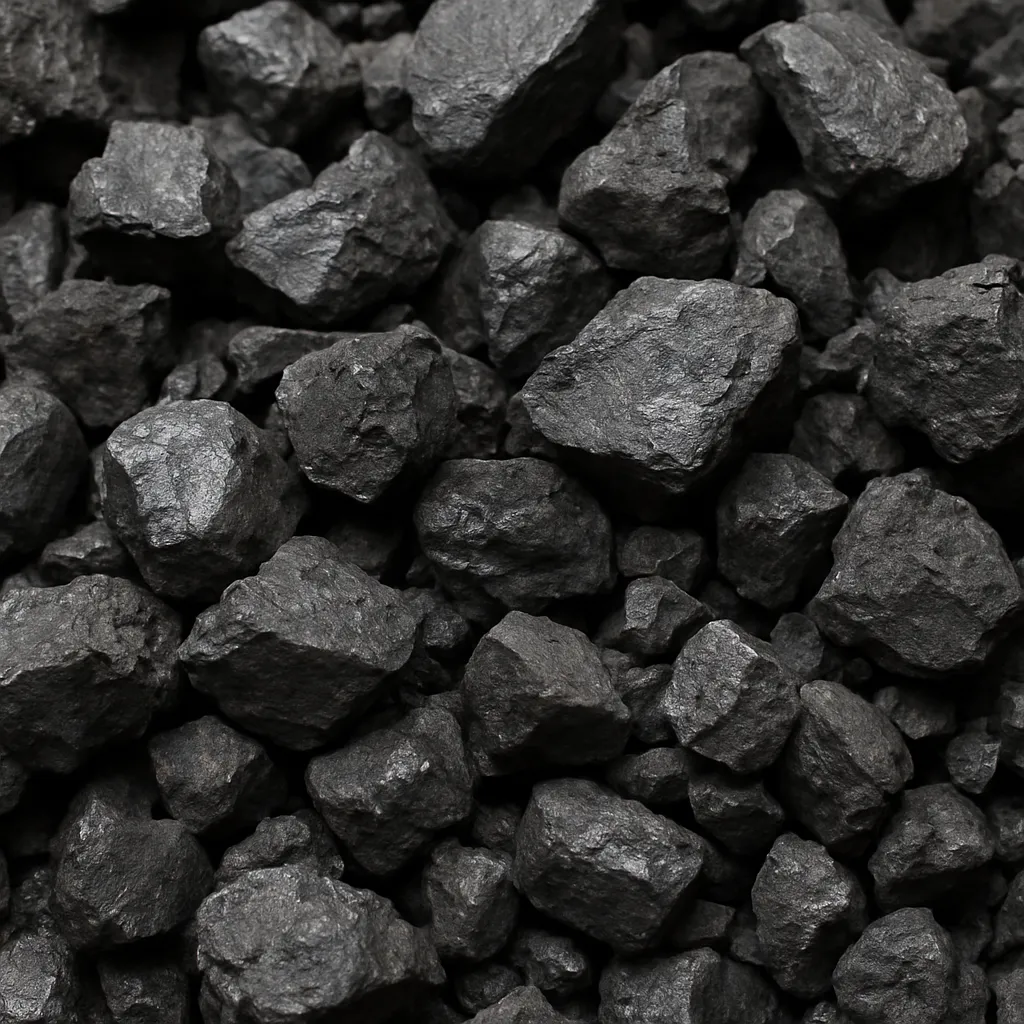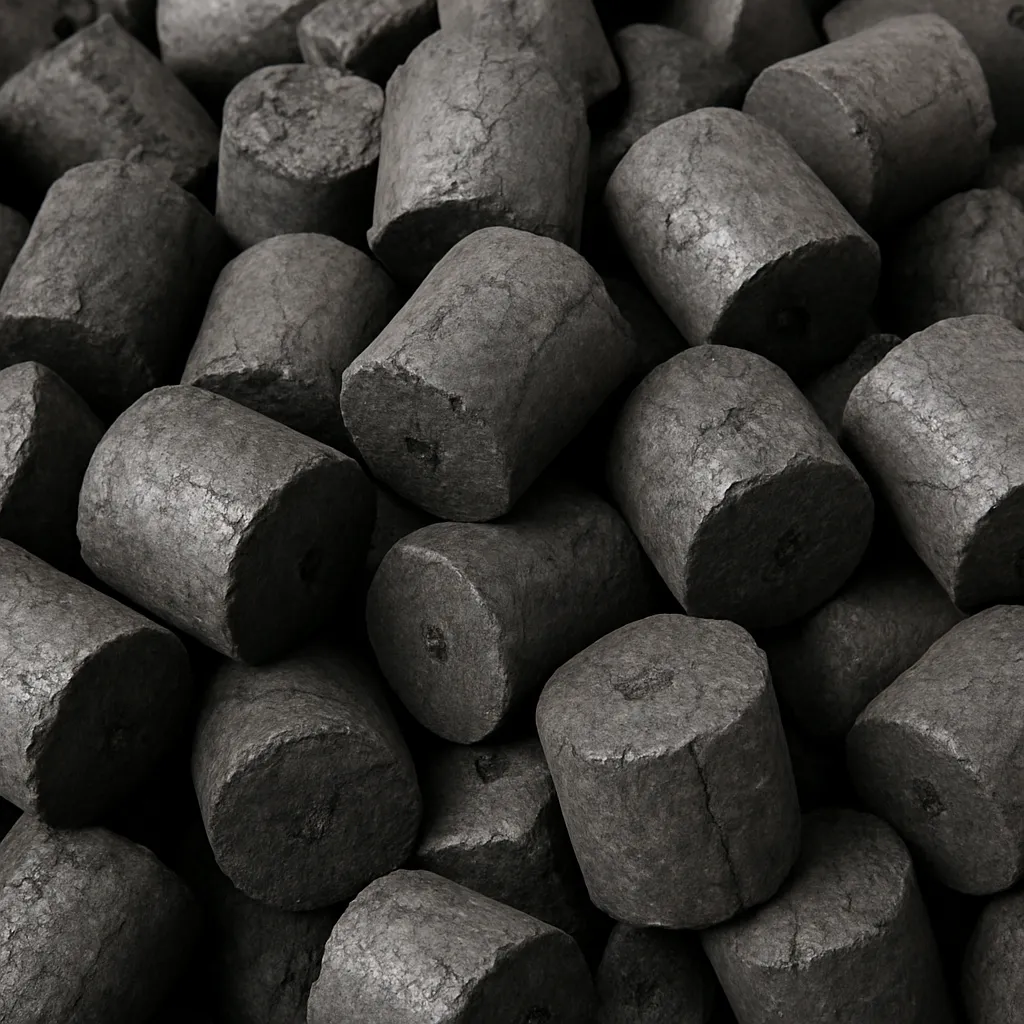
Lignite briquettes, a processed form of low-rank coal commonly called lignite or brown coal, play a distinctive role in regional energy systems and small-scale heating applications. This article explores where lignite is found, how it is mined and transformed into briquettes, its economic and statistical significance, uses in industry and households, environmental and regulatory challenges, and likely future trends. The aim is to provide a comprehensive, balanced overview for readers interested in the technical, economic and policy aspects of this important fossil fuel.
Geological occurrence and global distribution
Lignite is a low-rank form of coal that represents an early stage in the coalification process. It typically contains higher moisture and volatile matter, and lower carbon content than sub-bituminous, bituminous, or anthracite coals. Lignite deposits are generally younger (Tertiary to Quaternary age) and are commonly found in extensive, relatively shallow basins formed by ancient lakes, swamps and peatlands. Because of their shallow depth, many lignite seams are amenable to open-pit (surface) mining.
Major lignite-bearing regions include parts of Europe, Asia and North America. Europe has significant deposits in Germany (Rhineland and Lusatia), Poland (Upper Silesia and Bełchatów region), the Czech Republic, and Greece. In Asia, large lignite deposits occur in China, India, Indonesia, and Turkey. Australia has notable brown coal deposits in Victoria. North American occurrences include parts of the United States (North Dakota, Texas, Montana) and Canada.
- Germany historically has been one of the largest producers of lignite in the world, with large open-pit mines supplying nearby power plants and industry.
- Poland maintains important reserves used in electricity generation and district heating.
- China and India use lignite regionally, often near the mine sites due to the fuel’s low energy density and high moisture content which make long-distance transport uneconomic.
Because of transport and handling considerations, many lignite operations are integrated with local power stations or briquetting plants to increase energy density and improve logistics.
Mining methods and briquetting process
Most lignite is extracted by open-pit mining due to its shallow occurrence. Overburden removal, large-scale earth moving equipment (shovels, draglines, bucket-wheel excavators), and conveyor belts are common components of modern lignite mines. Underground mining is less common but used where seams extend deeper or surface disturbance must be minimized.
Briquetting is the process of compressing milled lignite into compact blocks that have higher energy density, uniform shape, and improved handling characteristics. The basic steps are:
- Milling or crushing the raw lignite into fine particles.
- Drying to reduce moisture content (which can be significant in fresh lignite, often 30–60%).
- Binding or adding small percentages of tars, starches, or other adhesives if needed (some lignites have sufficient natural binding properties).
- Compression under high pressure in a briquetting press to form dense blocks.
- Cooling and packaging for transport or distribution.
Well-produced briquettes reduce handling losses, increase calorific value per volume, and can be used in domestic heating, some industrial applications, and as feedstock for certain power-generation technologies. Briquetting also makes it feasible to transport lignite economically over longer distances than raw, high-moisture lignite.
Physical and chemical characteristics
Lignite’s properties vary by deposit but typical attributes include:
- Low carbon content relative to higher-ranked coals (often 25–35% carbon by weight).
- High volatile matter, which makes it easier to ignite but also prone to spontaneous heating in large stockpiles.
- High moisture content (can exceed 50% in fresh mining conditions), which lowers the effective calorific value unless dried or briquetted.
- Lower calorific value than bituminous coal — typical gross calorific values range from 8 to 20 MJ/kg before drying, depending on deposit.
- Variable ash content and sulfur levels — some deposits are relatively low in sulfur, while others require flue gas treatment to meet emissions limits.
When briquetted and dried, lignite can reach significantly higher useful energy per unit volume and become a practical fuel for small boilers, some industrial processes, and combined heat and power (CHP) plants.
Economic importance and statistics
The economic significance of lignite is primarily regional, tied to local energy security, employment, and industrial demand. Because lignite is often mined and used in the same region, it provides cheap base-load fuel for power stations and district heating systems. This local integration reduces reliance on imported fuels and stabilizes energy prices for consumers and industries near the mines.
Precise global figures change annually and vary by source, but some broad, cautious estimates and trends as of the early 2020s are:
- Global lignite production is measured in the hundreds of millions to roughly a billion tonnes per year, depending on the classification and reporting practices used. Much of this production occurs in Europe and Asia.
- European countries like Germany and Poland have historically produced tens to hundreds of millions of tonnes annually; Germany’s lignite sector alone has supported large regional economies and major power-generation fleets.
- Production in countries such as China and India has been focused regionally, often supporting local power plants and industrial facilities rather than long-distance export markets.
- Employment: lignite mines and associated power plants have provided tens to hundreds of thousands of jobs in mining regions across Europe and Asia when direct and indirect employment are aggregated.
Economically, lignite’s low market price per tonne (compared with higher-rank coals) and proximity to consumers makes it attractive for baseload electricity and district heating in regions with large deposits. However, externalities — notably air pollution and greenhouse gas emissions — have led to changing policy frameworks that affect investments and the relative competitiveness of lignite versus gas, renewables, and imports.
Role in electricity generation and industry
Lignite has been used extensively for electricity generation in many countries. Large-scale lignite-fired power plants are often built near mines to minimize fuel transport costs. Lignite-fired stations provide stable base-load generation and can be integrated into district heating networks:
- Power plants co-located with mines achieve favorable economics because of low delivered fuel costs and simplified logistics.
- Combined heat and power (CHP) plants using lignite can reach higher overall efficiency by supplying both electricity and useful heat to industrial sites or municipal heating systems.
- Smaller, dried briquettes serve households and small businesses for space heating and cooking in regions where distribution networks support them.
Beyond electricity and heat, lignite and its derivatives (such as gasified lignite and certain chemical extracts) have been explored as feedstocks for synthetic fuels, fertilizers, and chemical intermediates in some countries. Gasification and liquefaction technologies can transform lignite into syngas or liquid fuels, although the economics and carbon intensity depend heavily on scale, technology and carbon management measures.
Environmental, health and regulatory considerations
Environmental concerns associated with lignite are significant and include greenhouse gas (GHG) emissions, local air pollutants, land-use impacts, and water consumption. Key points:
- CO₂ emissions: Lignite emits more CO₂ per unit of useful energy than higher-grade coals because of its lower carbon content and higher moisture. This makes lignite relatively carbon-intensive unless paired with carbon capture and storage (CCS) or used in highly efficient CHP plants.
- Air pollution: Combustion can release SO₂, NOx, particulate matter (PM) and mercury; modern plants limit these via flue gas desulfurization (FGD), selective catalytic reduction (SCR) and particulate capture systems, but legacy plants may lack full controls.
- Land and biodiversity: Large open-pit mines transform landscapes, requiring rehabilitation and careful water management. Reclamation efforts can restore land but are resource-intensive and take years or decades.
- Water use: Both mining and thermal power plants consume water, which can stress local resources, especially in arid regions.
- Health impacts arise from air pollution and dust; workers and nearby communities can face higher respiratory and cardiovascular risks without adequate controls.
Regulatory frameworks in many countries have become stricter over the past two decades, encouraging emissions controls, limiting new lignite plant construction, and supporting transitions to lower-carbon alternatives. Subsidies, compensation schemes, and transition plans are often used to manage socio-economic impacts in lignite-dependent regions.
Markets, trade and logistics
Lignite trade differs from that of higher-grade coals. Because of its low energy density and high moisture, lignite is rarely traded at large distances unless briquetted, dried or upgraded. International coal markets are dominated by higher-rank thermal and metallurgical coals, while lignite markets are mainly regional.
Logistics for briquetted lignite are simpler: briquettes can be palletized, stored and transported by truck or rail, enabling wider distribution to urban heating markets or export to neighboring regions under favorable conditions. Key market drivers include:
- Local availability and proximity to demand centers.
- Price competitiveness relative to natural gas, biomass, and imported coal.
- Regulatory limits on emissions and carbon pricing mechanisms.
- Consumer preferences and subsidies for alternative heating fuels.
Technological developments and decarbonization options
As climate policy tightens, a range of technological and operational options are being considered to reduce the carbon intensity and environmental footprint of lignite use:
- Efficiency improvements in power plants and district heating systems reduce CO₂ emissions per unit of useful energy.
- Drying and briquetting raise calorific value and lower transport emissions per unit of energy.
- Co-firing lignite with biomass can lower net lifecycle emissions if sustainable biomass is used, though technical limits and fuel availability matter.
- Carbon capture, utilization and storage (CCUS) paired with lignite-fired power or gasification plants could, in theory, capture large fraction of CO₂ emissions, but costs and long-term storage capacity are challenging.
- Gasification-to-syngas with subsequent hydrogen production is another route, though capital intensity and emissions must be addressed.
Economic competitiveness of these options depends on carbon prices, policy support, and the availability of alternatives such as natural gas, renewables and storage technologies.
Social and regional economic impacts
Regions with long histories of lignite mining often have economies, infrastructure and workforces built around the industry. Transitioning away from lignite therefore raises significant social and political issues:
- Employment: mine closures and power plant retirements can cause substantial job losses without well-planned transition programs.
- Fiscal impacts: local and regional governments may depend on tax revenues and royalties from lignite operations.
- Just transition: many countries are designing social safety nets, retraining programs, and development funds to support affected communities as energy systems evolve.
Examples from Europe show large-scale government-led transition planning, including compensation packages and investments in renewable energy, manufacturing, and infrastructure to create new employment opportunities.
Case studies and regional practices
Two illustrative regional practices highlight how lignite is used and managed differently around the world:
Central Europe (Germany and Poland)
In countries like Germany and Poland, lignite has powered large, centralized plants and district heating networks for decades. Germany’s lignite sector historically supported both domestic energy security and regional employment. Recent policy commitments to reduce emissions have led to scheduled phase-outs and major societal discussions about the timing and compensation for affected regions. Rehabilitation of former mine sites and conversion of infrastructure for new uses (renewable energy parks, recreation) are common elements of transition plans.
Asia (China and India)
In parts of China and India, lignite is mined and used locally in relatively smaller, distributed plants. Because of proximity to consumption and low per-tonne cost, lignite supports rural electrification, local industry and district heat in colder regions. However, rapid increases in renewable capacity and stricter pollution controls are changing the economics and regulatory drivers in these markets.
Practical aspects: storage, safety and handling
Handling lignite and briquettes requires attention to specific practical issues:
- Spontaneous combustion: large piles of moist lignite can undergo self-heating and even spontaneous ignition. Stockpile management, compaction control and temperature monitoring are essential safety practices.
- Dust control: milling and crushing generate dust that must be controlled to protect worker health and prevent dust explosions in enclosed environments.
- Storage conditions: briquettes require dry storage to avoid re-absorbing moisture, which reduces calorific value and can promote mold and biological degradation in certain climates.
- Transportation: because raw lignite has low energy density, minimizing transport distances or upgrading the fuel before shipment is typically necessary for cost-effective logistics.
Future outlook and policy challenges
The future of lignite and lignite briquettes depends on several intersecting factors:
- Climate policy and carbon pricing: stronger carbon pricing tilts economics against lignite-fired generation unless accompanied by CCUS or large efficiency gains.
- Cost declines in renewables and storage: falling costs for solar, wind and battery storage make new lignite power plants less attractive economically.
- Local energy needs and security: in regions with limited alternatives and large lignite reserves, the fuel may remain an important transitional energy source, particularly for CHP applications.
- Technological innovation: breakthroughs in CCUS, gasification, or economically viable biomass co-firing could extend lignite’s role in certain contexts.
Policymakers must balance energy affordability, employment, and climate commitments. Many governments are developing structured transition plans to retire lignite capacity while supporting affected regions through investment, retraining, and economic diversification initiatives.
Interesting facts and lesser-known uses
Some additional, interesting aspects of lignite and briquettes include:
- Archaeological preservation: peat and lignite environments sometimes preserve plant remains and even archaeological artifacts unusually well, giving scientists insights into past climates and ecosystems.
- Activated carbon: certain lignites can be processed to produce activated carbon for filtration and purification applications.
- Soil amendments and humic substances: processed lignite contains humic acids and other organic fractions that are researched for use in agriculture as soil conditioners and slow-release fertilizer carriers.
- Cultural heritage: mining landscapes associated with lignite have shaped regional identities and cultures, including distinctive architecture, community life and local cuisine in some mining regions.
Summary
Lignite briquettes represent a practical method of upgrading a low-rank, locally abundant fuel into a more transportable and usable form. While lignite has supported regional energy systems, provided employment and contributed to energy security, it faces increasing pressure from environmental regulations and the global push to decarbonize energy systems. The path forward will likely involve a mix of efficiency improvements, localized use in CHP systems, technological innovations such as CCUS where economically feasible, and carefully managed socio-economic transitions for mining regions. Understanding the technical characteristics, market dynamics and regulatory context is essential for stakeholders considering the role of lignite and briquettes in future energy portfolios.