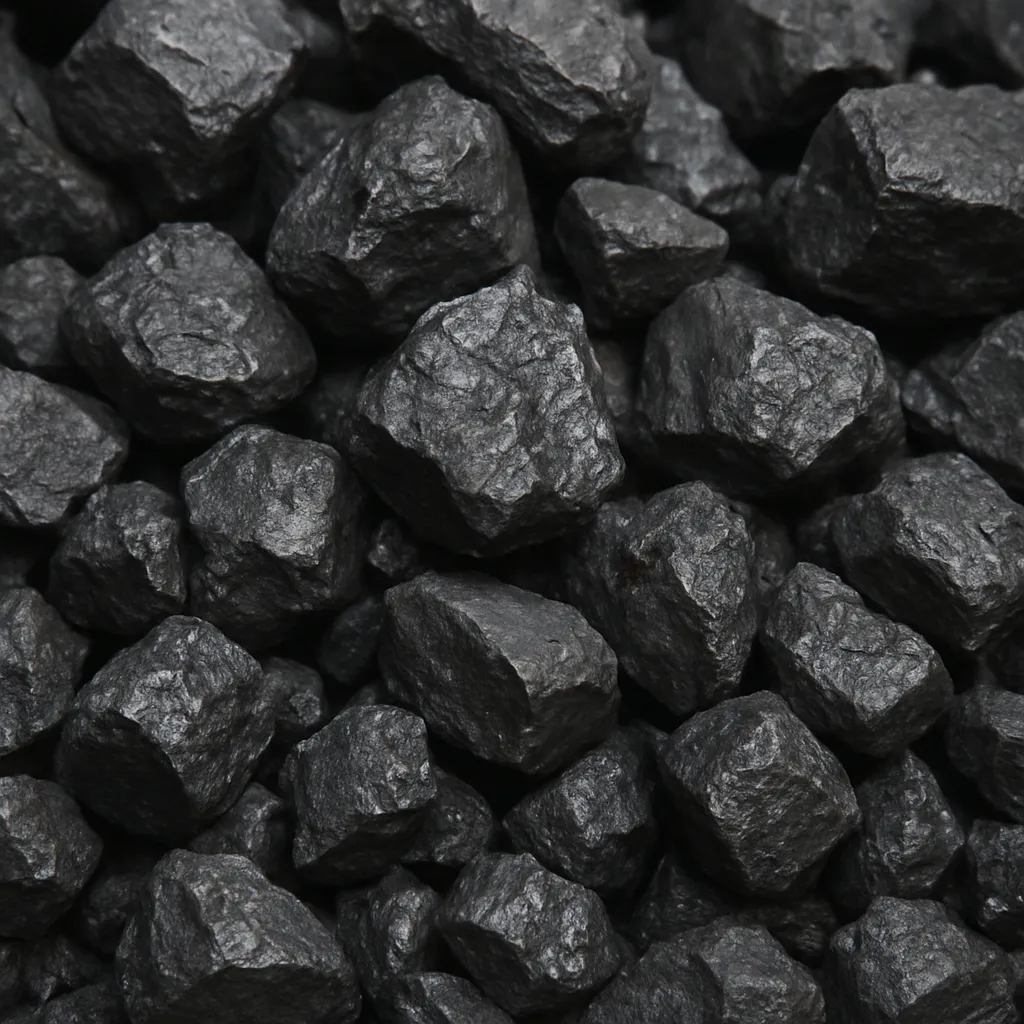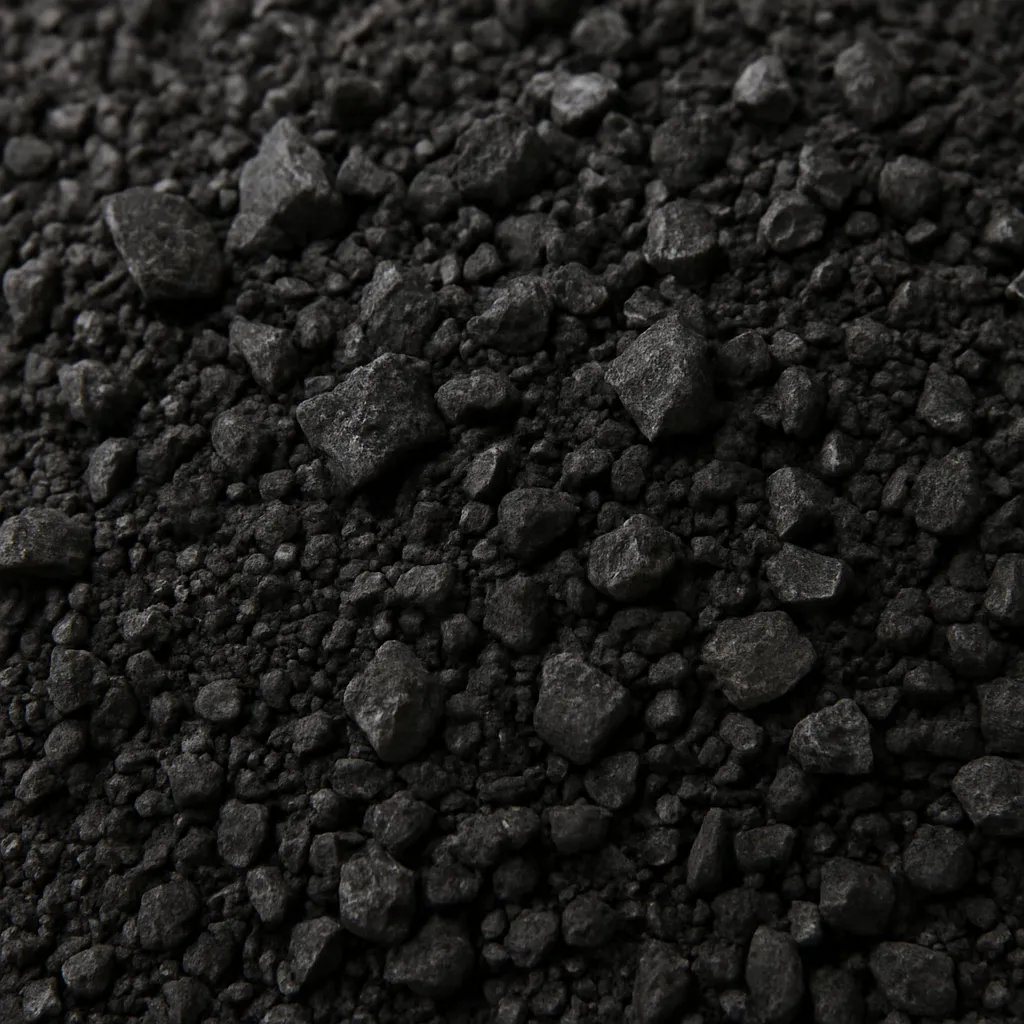
Pulverized thermal coal plays a central role in electricity generation and industrial heat processes worldwide. Frequently ground to a fine powder and burned in large boilers, this form of coal has powered industrial development for more than a century. The following article examines where pulverized thermal coal is found and mined, its technical properties and uses, economic and statistical data, environmental and social impacts, and the evolving outlook for its role in the global energy system.
Occurrence and Major Producing Regions
Coal deposits formed over millions of years from accumulated plant material in ancient swamps and peatlands subjected to pressure and heat. Different ranks of coal — from lignite through sub-bituminous and bituminous to anthracite — determine suitability for pulverization and combustion. Pulverized thermal coal is typically sourced from bituminous and sub-bituminous seams because of their favorable calorific values and combustion properties.
Global basins and notable mining areas
- China: Large deposits in Shanxi, Inner Mongolia, Shaanxi, and Xinjiang. China is the world’s largest producer and consumer of coal, with vast domestic mining operations ranging from small mines to massive state-owned complexes.
- India: Major basins include Jharia, Raniganj, and the Damodar Valley. India has significant reserves of thermal coal and relies on both domestic production and imports.
- Indonesia: Significant thermal coal reserves on Sumatra and Kalimantan. Indonesian coal is a major export commodity, often shipped as thermal coal for power plants in Asia.
- Australia: Bowen Basin and the Hunter Valley produce large volumes of thermal coal, primarily for export to Asian markets.
- United States: Powder River Basin (Wyoming and Montana) produces vast amounts of low-sulfur, sub-bituminous coal used extensively in pulverized coal-fired plants. Other producing regions include Appalachia and Illinois Basin.
- Russia: Kuzbass (Kemerovo) is a major source of both thermal and metallurgical coal.
- Colombia and South Africa: Important exporters serving both regional and global markets.
Deposits vary in depth and quality. Surface (open-pit) mining dominates in basins like the Powder River Basin and large parts of Australia and Indonesia, while underground mining is common in many parts of China, India, and Europe.
Technical Characteristics and Uses in Power Generation
“Pulverized thermal coal” denotes coal processed in mills to a fine powder that can be carried into a combustion chamber by air or oxygen, enabling rapid combustion and efficient heat release. Pulverizing coal increases the surface area available for reaction and allows for stable, controllable flame propagation in boilers.
How pulverized coal systems work
- Crushing and milling: Coal is crushed and then milled into particles, commonly with 70–80% passing a 75-micron sieve in typical pulverized fuel (PF) systems.
- Air transport: Finely milled coal is pneumatically transported to burners where it mixes with preheated air.
- Combustion in boilers: The fuel-air mixture combusts in the boiler furnace; heat converts water to steam which drives turbines to produce electricity.
- Residue handling: Combustion produces ash (fly ash and bottom ash) which must be collected and managed.
Coal quality parameters important for pulverization
- Calorific value (gross and net): Typical thermal coal ranges roughly from 15 to 30 MJ/kg (approximately 3,600–7,200 kcal/kg), with sub-bituminous at the lower end and high-quality bituminous higher.
- Moisture content: Influences heating value and mill performance; lower moisture is usually preferred.
- Ash content: High ash reduces efficiency and increases handling and disposal costs.
- Sulfur content: Determines potential SO2 emissions and need for desulfurization equipment.
- Volatile matter: Affects ignition properties and flame stability.
Typical plant configurations and efficiency
Coal-fired plants using pulverized fuel come in subcritical, supercritical, and ultra-supercritical designs. Moving from subcritical to ultra-supercritical increases steam temperatures and pressures, improving thermal efficiency and reducing coal consumption per unit of electricity produced. Modern ultra-supercritical plants can reach net efficiencies above 45% (HHV basis) compared to subcritical plants often in the mid-30s percent range.
Economic and Statistical Overview
Coal remains a key commodity in the global energy market despite fluctuations and the energy transition. Below are important economic and statistical points that show the scale and structure of the thermal coal market.
Production and consumption (approximate, recent years)
- Global coal production: Approximately 7.5–8.5 billion tonnes annually in recent years, including both thermal and metallurgical coal.
- Thermal coal share: A majority of total coal production is consumed for power generation; estimates place thermal coal as roughly 60–70% of the tonnage used.
- Top producers (by volume): China leads by a wide margin (several billion tonnes annually), followed by India, Indonesia, the United States, and Australia.
- Global coal-fired power capacity: Approximately 2,000–2,300 GW of coal-fired capacity exists globally, concentrated in Asia.
- Electricity share: Coal accounts for around 30–40% of global electricity generation depending on the year and regional dynamics; in recent rebounds (after 2020), this share returned closer to the upper end due to increased demand and slower renewables ramp-up in some regions.
Trade and exports
- Major exporters: Australia, Indonesia, Russia, the United States, and Colombia. Australia and Indonesia are dominant in seaborne thermal coal markets supplying East and South Asia.
- Seaborne market pricing: Benchmarks such as the Newcastle index (Australia) and Richards Bay indices affect spot and contract pricing. Prices are volatile and sensitive to demand from Asia, shipping costs, and policy changes.
- Importers: Major importers include China (though its net imports fluctuate with domestic production), India, Japan, South Korea, Taiwan, and other Asian economies.
Employment and regional economies
Coal mining and coal-fired power generation are important sources of employment in producing regions. While automation and productivity improvements have reduced labor per unit of output, mining continues to support local economies via jobs, taxes, and infrastructure. At the same time, economic dependence creates transition challenges as countries reduce coal use or as global markets shift.
Environmental, Health, and Social Impacts
Combustion of pulverized thermal coal has significant environmental and health externalities. Many policies and technologies aim to mitigate these impacts, but they remain central in debates about coal’s future.
Air pollution and emissions
- Carbon dioxide (CO2): Coal combustion is one of the largest single contributors to energy-related CO2 emissions. Coal combustion accounted for an estimated ~30–40% of global CO2 emissions from energy in recent years.
- Other pollutants: Sulfur dioxide (SO2), nitrogen oxides (NOx), particulate matter (PM2.5/PM10), and mercury are emitted from thermal coal combustion and affect air quality and health. Modern plants use flue gas desulfurization (FGD), selective catalytic reduction (SCR) for NOx, and electrostatic precipitators or baghouses for particulates.
- Ash disposal: Fly ash and bottom ash require management; beneficial uses (e.g., cement and construction materials) exist but disposal remains a challenge in many locations.
Health impacts
Exposure to particulate matter and NOx/SO2 from coal combustion contributes to respiratory and cardiovascular diseases. Mining itself (especially underground) carries risks of accidents and chronic conditions such as pneumoconiosis (coal workers’ pneumoconiosis, or “black lung”).
Environmental degradation from mining
Open-pit mining, mountaintop removal, and inadequate mine reclamation can lead to landscape alteration, deforestation, groundwater contamination, and biodiversity loss. Rehabilitation practices vary widely by jurisdiction and operator.
Mitigation technologies and regulations
- End-of-pipe controls: FGD, SCR, particulate controls reduce local pollutant emissions but do not address CO2 without additional technology.
- Efficiency improvements: Moving to supercritical and ultra-supercritical plants reduces CO2 per MWh by improving fuel utilization.
- Carbon capture, utilization, and storage (CCS): Offers the potential to reduce CO2 emissions from pulverized coal power plants, but faces cost, infrastructure, and scalability challenges.
- Policy tools: Emissions trading systems, carbon taxes, and emissions limits influence coal economics and investment decisions.
Industry Trends, Innovation, and the Future
The future of pulverized thermal coal is shaped by intersecting forces: demand growth in developing markets, decarbonization policies, advances in renewables and storage, and market dynamics like prices and trade flows.
Short- and medium-term outlook
- Asia-centric demand: Much of the near-term demand for thermal coal is concentrated in Asia, where electricity demand growth and reliable baseload requirements sustain coal-fired generation.
- Market volatility: Prices and trade flows are sensitive to weather, economic cycles, geopolitical events, and regulatory shifts that affect imports and exports.
- Retrofits and plant life extensions: In some regions, existing pulverized-coal plants are retrofitted with pollution controls or life-extended rather than immediately retired, affecting thermal coal consumption patterns.
Long-term trajectories
Over the long term, coal faces structural decline in many OECD countries due to policies favoring decarbonization and cheaper renewables. In developing economies, coal may remain part of the energy mix for longer unless the cost trajectories of alternatives, grid flexibility, and finance for low-carbon technologies accelerate.
Technological pathways
- Higher efficiency plants: Continued deployment of ultra-supercritical and advanced turbines reduces fuel use and emissions intensity.
- Co-firing and fuel blending: Co-firing biomass with pulverized coal can reduce net CO2 emissions while using existing infrastructure.
- CCS deployment: If scaled and cost-reduced, CCS could allow some continued use of pulverized coal with much lower emissions, including producing low-carbon heat or hydrogen from coal (“blue hydrogen”).
- Alternative fuels and electrification: Electrification of heat and growth in renewables and storage reduce the share of coal in several sectors.
Interesting Facts and Lesser-Known Details
- Pulverized coal-fired boilers dominated global power generation technology throughout the 20th century and remain widely used because of simplicity, scalability, and the maturity of engineering knowledge.
- Grinding coal to powder not only improves combustion but also enables more precise flame control and faster response to load changes compared with lump coal firing.
- Fly ash from pulverized coal combustion is a widely used supplementary cementitious material (SCM) in concrete, improving strength and durability while reducing cement-related emissions when utilized.
- Coal characteristics vary so widely that blending coals from multiple seams or sources is a common practice to meet boiler design parameters and optimize cost versus performance.
- Technological innovations in coal milling (e.g., vertical roller mills) and burners have steadily improved combustion stability, reduced unburned carbon in ash, and lowered emissions.
Conclusions
Pulverized thermal coal remains a significant energy source for electricity and industrial heat across the globe. Its geographic distribution is concentrated in a few major basins and exporting countries, while consumption is strongly weighted toward Asia. Economically, coal markets are large and volatile; socially and environmentally, coal imposes significant costs that have sparked stringent regulation and active debates about the pace of phase-down or decarbonization. Technically, pulverization and efficient boiler designs can reduce fuel use and local pollution per unit of electricity, and emerging solutions like CCS or co-firing may extend the life of existing infrastructure in a lower-carbon future. Ultimately, the role of pulverized thermal coal will be determined by the intersection of policy choices, technological change, and market economics in the coming decades.