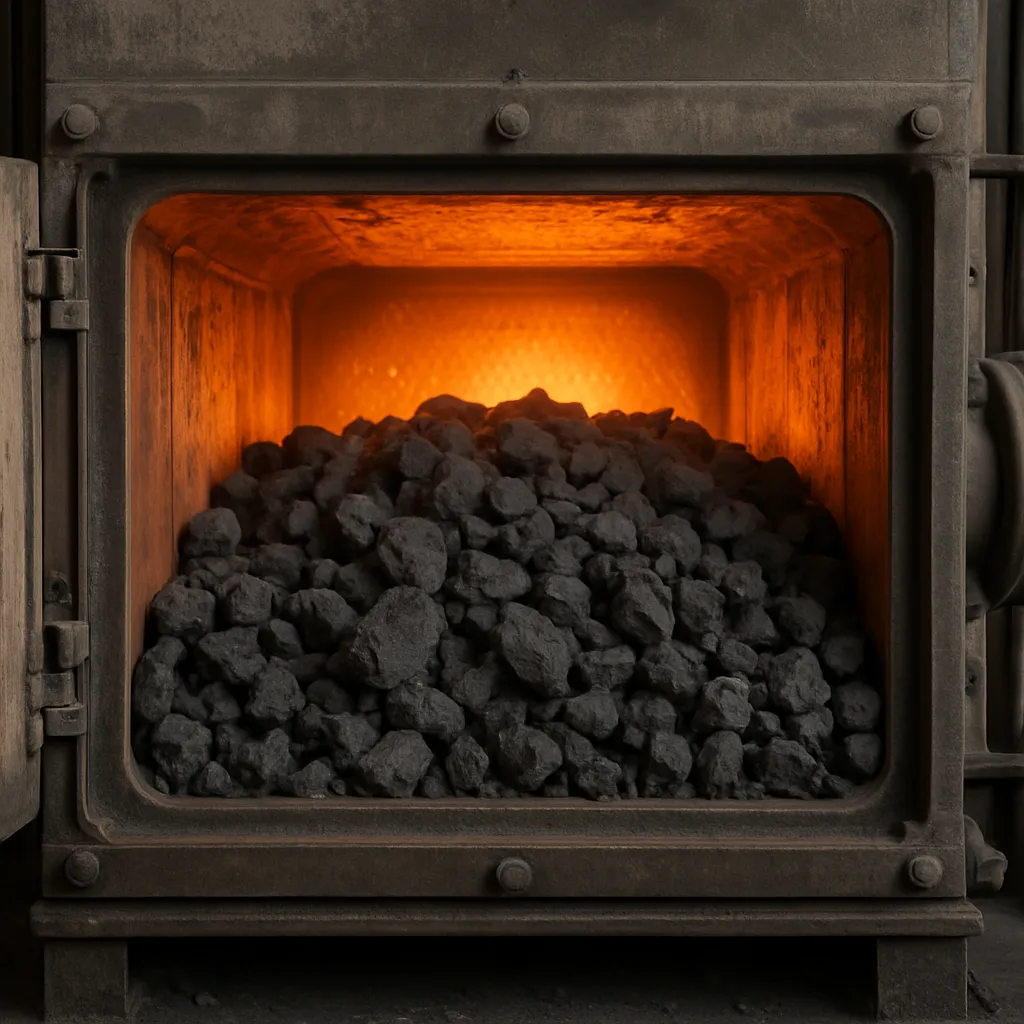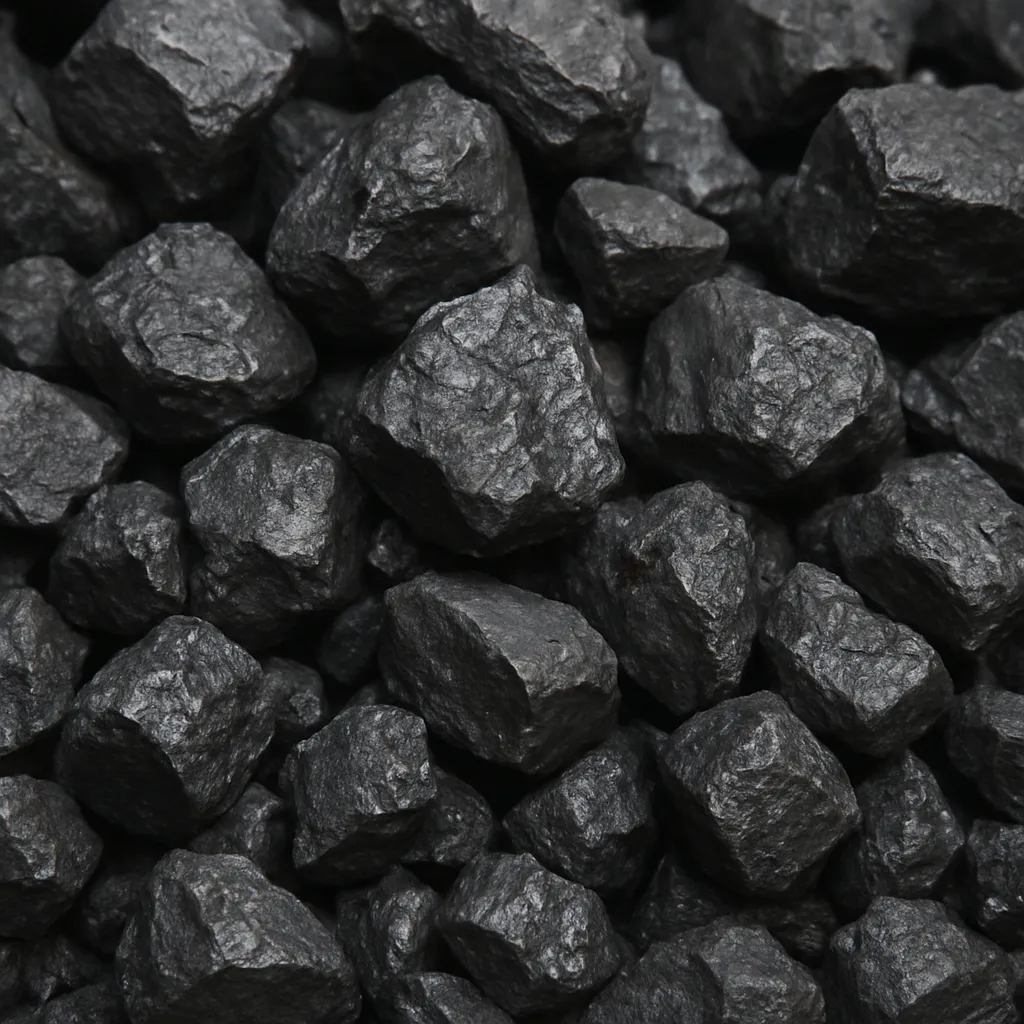
This article examines coal as a feedstock for coal-to-liquid (CTL) processes: its geology, global occurrence, mining and supply, economic importance, statistics, industrial uses, environmental challenges and technological trends. Coal remains one of the most abundant fossil resources on Earth and a historically important fuel for power generation and industry. When used as a feedstock for CTL, coal is converted into syngas and then synthesized into liquid hydrocarbons useful for transportation and chemical feedstocks. The analysis below covers technical, economic and geographic aspects, and provides up-to-date statistical context based on publicly available industry data up to mid-2024.
Geology, Types of Coal and Suitability as CTL Feedstock
Coal is a sedimentary rock formed from accumulated plant material, transformed over geological time by heat and pressure. Its rank ranges from lignite (brown coal) through sub-bituminous and bituminous to anthracite. Key properties that determine suitability for CTL conversion include fixed carbon content, volatile matter, moisture, ash content and caking behavior. For CTL applications, coal types differ in advantages and drawbacks:
- Bituminous coal: Often preferred for CTL because of relatively high calorific value and favorable caking properties for gasification and downstream synthesis.
- Sub-bituminous coal: Widely available and often cheaper; lower energy density and higher moisture can increase processing costs.
- Lignite: Abundant in some regions but has high moisture and low energy density, making transport and processing more costly; can be used in large, local CTL complexes if water and energy inputs are available.
- Anthracite: High carbon content but lower caking behavior; less commonly used due to cost and scarcity.
The fundamental CTL route is based on coal gasification, which converts coal into a mixture of carbon monoxide and hydrogen—syngas—followed by catalytic synthesis (e.g., Fischer-Tropsch) to form liquid hydrocarbons. Thus the technical suitability of coal for CTL depends less on rank alone and more on ash, sulfur, and trace element content, which affect gasifier performance and downstream catalyst life.
Coal-to-Liquid Technology and Processes
Key steps in CTL
- Coal handling and drying: Reducing moisture to optimize gasification efficiency.
- Gasification: Partial oxidation of coal with oxygen/steam to produce syngas (CO + H2).
- Gas cleaning and conditioning: Removal of particulates, sulfur, mercury and other contaminants to protect catalysts.
- Synthesis: Conversion of syngas to hydrocarbons—commonly via Fischer-Tropsch synthesis or methanol-to-gasoline pathways.
- Upgrading and refining: Hydrocracking, hydrotreating and fractionation to produce diesel, kerosene (jet fuel), naphtha and other products.
- Byproduct handling: Management of solid residues, wastewater, and captured carbon.
Technical and economic characteristics
CTL plants are capital-intensive and complex facilities. Typical features include very large initial capital expenditure (often in the range of several hundred million to multiple billion U.S. dollars for full-scale commercial plants), substantial consumption of water and oxygen, and the need for a steady, secure supply of coal feedstock. Key economic variables are coal price, plant capital cost, product quality and market price for fuels, and environmental compliance costs (including carbon pricing or costs for carbon capture and storage).
Global Occurrence and Major Producing Regions
Coal deposits are geographically widespread. Deposits are concentrated in major sedimentary basins formed during Carboniferous and younger geological periods. The largest coal basins and producing regions include:
- China: Large basins in Shanxi, Inner Mongolia, Xinjiang, Shaanxi and others. China is the world’s largest producer and consumer of coal.
- United States: Major basins include Powder River Basin (PRB), Appalachian Basin and Illinois Basin. The PRB is noted for low-sulfur sub-bituminous coal and very large production volumes.
- Australia: Bowen, Sydney, and Surat basins; an important exporter of thermal and metallurgical coal.
- India: Rich deposits in Jharkhand, West Bengal, Chhattisgarh, Odisha and Madhya Pradesh, largely bituminous and sub-bituminous.
- Indonesia: Major exporter from Kalimantan and Sumatra; predominantly sub-bituminous thermal coal.
- Russia: Large reserves in Kuznetsk (Kuzbass), Pechora and other basins; significant producer and exporter.
- South Africa: Basins such as Witbank and Waterberg; home to the world’s most notable commercial CTL operation (Sasol).
- Poland, Germany and other European basins: Historically important, though production has declined in some countries due to policy and economics.
Global proven coal reserves are on the order of roughly 1 trillion tonnes, and at current consumption rates (several billion tonnes per year) the reserves-to-production ratio exceeds a century. These broad reserves underpin interest in CTL as an option for countries with limited oil resources but abundant coal.
Statistical Picture: Production, Consumption and Trade
The following figures provide an approximate statistical snapshot (based on industry data up to 2023–2024):
- Global coal production: approximately 8 billion tonnes per year (wet-basis, all coal types).
- Top producers (approximate annual production): China ~4.0 billion tonnes; India ~800–900 million tonnes; Indonesia ~600–700 million tonnes; United States ~400–600 million tonnes; Australia ~400–550 million tonnes; Russia ~350–450 million tonnes.
- Global coal consumption: coal accounted for roughly 25–30% of primary energy and about 35–40% of global electricity generation in the early 2020s, with regional variation.
- Coal trade: Australia and Indonesia are the two largest exporters (thermal coal export volumes in the hundreds of millions of tonnes annually), while major importers include China, India, Japan, South Korea and European markets (though European imports have declined in recent years due to policy and supply shifts).
- Reserves: Global proven reserves are estimated at about 1 trillion tonnes, implying an R/P (reserves-to-production) ratio on the order of 100–150 years at current consumption.
For CTL specifically, worldwide commercial CTL capacity is small relative to petroleum refining capacity. South Africa’s Sasol Secunda complex is the largest integrated coal-to-liquids facility, producing on the order of 150,000–170,000 barrels per day of synthetic fuels and chemicals (barrels of oil equivalent), a figure that varies with operational conditions and product slate.
Economic and Industrial Importance
Coal plays many economic roles: a primary fuel for power generation, a feedstock for steelmaking (metallurgical coal/coking coal), and as a raw material for chemical industries including CTL. For countries with large coal endowments but limited crude oil resources, CTL offers a route to reduce import dependence and secure liquid fuels for transport, military and industrial needs. Examples of strategic motivations include:
- Energy security: nations with extensive coal but little oil (e.g., South Africa historically, certain provinces in China) have pursued CTL to decrease vulnerability to oil market volatility.
- Industrial value-added: CTL facilities can produce high-value liquids, lubricants and chemical precursors, creating domestic industrial capability and jobs.
- Regional economic development: large CTL complexes can drive employment and infrastructure investment in coal-bearing regions, although jobs in CTL are often fewer than in distributed mining due to automation.
However, economic viability of CTL is strongly dependent on oil price levels, capital costs, environmental compliance costs and access to cheap feedstock and utilities (water, oxygen, electricity). When crude oil prices are low, CTL margins can be negative unless supported by policy incentives or low-cost coal.
Environmental Impacts and Policy Considerations
CTL processes are associated with significant environmental challenges:
- Greenhouse gas emissions: CTL without mitigation typically results in lifecycle CO2 emissions substantially higher than conventional petroleum fuels—commonly quoted as roughly 1.5–2 times higher—because coal feedstock is inherently more carbon-rich per unit of energy than crude oil.
- Local pollutants: sulfur, nitrogen oxides, particulates and trace metals can be emitted unless controlled; gas clean-up stages are essential to minimize these impacts.
- Water use: gasification and downstream refining are water-intensive, a critical constraint in arid regions or where water resources are stressed.
- Land and waste: ash and solid residues require disposal or beneficial reuse; large plants and mining operations alter landscapes and ecosystems.
Mitigation pathways and policy responses include deployment of carbon capture and storage (CCS) integrated with CTL (to produce lower-carbon or near-zero-carbon fuels), co-processing of biomass with coal (co-FT or CBTL—coal and biomass to liquids) to reduce net lifecycle emissions, stringent emissions controls, and carbon pricing that internalizes CO2 costs. Economics of CCS remain challenging, adding substantially to capital and operating costs; however, policy incentives or high carbon prices can change the balance.
Case Studies and Historical Perspective
Coal-to-liquids technology has a long history. Notable milestones:
- Germany: Extensive Fischer-Tropsch and coal hydrogenation development in the early 20th century, significantly deployed during World War II due to oil shortages.
- South Africa: Sasol developed modern commercial CTL technology at scale during the mid-20th century to circumvent oil embargoes and shortages, culminating in the Secunda plants—the world’s largest CTL complex.
- China: From the 2000s onward China pursued CTL demonstrations and projects to bolster energy security and diversify fuel supplies. Several pilot and commercial-scale projects were built, but environmental constraints and economics have moderated expansion.
- United States: Commercial CTL interest has fluctuated with oil price cycles and policy. Some demonstration projects and research initiatives have explored low-emissions CTL configurations, often paired with CCS.
Sasol’s Secunda facility, often cited in literature, demonstrates both the potential and the challenges of CTL. It is capital- and energy-intensive, provides significant liquid fuel output for South Africa, and produces a range of chemical co-products. Environmental scrutiny and the global push to lower CO2 have placed increased emphasis on potential CCS retrofits or co-processing to reduce emissions.
Trends, Innovations and Future Prospects
Looking forward, the role of coal as CTL feedstock will be shaped by multiple interacting forces:
- Climate policy and emissions targets: strict decarbonization commitments and carbon pricing tend to disfavor unabated CTL. Adoption of CCS or negative-emitting pathways (e.g., combining biomass with coal plus CCS) could create low-carbon liquid fuels, but at elevated cost.
- Technological improvements: advances in gasifier design, catalyst performance for Fischer-Tropsch synthesis, syngas conditioning and integrated process intensification can reduce costs and increase yields.
- Market dynamics: high oil prices historically spur CTL interest; conversely, low oil and high environmental compliance costs reduce competitiveness.
- Co-processing and hybrid systems: integrated approaches combining coal with biomass or hydrogen from low-carbon electricity can reduce lifecycle emissions and create transitional fuels for hard-to-electrify sectors (e.g., aviation).
- Small-scale and modular units: research into modular gasification and micro-FT units aims to reduce capital barriers and allow distributed production near coal mines to lower transport costs.
Policy frameworks that value fuel security, support low-carbon pathways (subsidies, carbon credits for CCS/BECCS), or set mandates for sustainable aviation fuels could influence investment in CTL-derived products. Conversely, accelerating electrification of transport and availability of low-carbon alternatives (e.g., biofuels, electrofuels using green hydrogen) constrains long-term CTL growth unless environmental performance is improved.
Key Challenges and Opportunities
Challenges
- High greenhouse gas emissions without CCS or biomass integration.
- Large capital and operational expenditures; long payback periods.
- Water intensity and local environmental impacts from mining and plants.
- Competition from cheaper crude oil and low-carbon fuel alternatives.
Opportunities
- Countries with significant coal but limited oil can use CTL to enhance energy security if environmental constraints are managed.
- Integration with CCS or biomass could produce lower-carbon liquid fuels suitable for aviation and heavy transport where alternatives are limited.
- Byproduct value streams—chemicals, waxes, solvents and feedstocks—can improve project economics.
- Innovation in gasification, catalyst longevity and modular design can lower barriers to deployment.
Conclusion
Coal as a feedstock for CTL remains a technically proven pathway to produce liquid fuels from abundant solid fossil resources. It has historically served strategic needs in regions with constrained oil access and continues to be considered where coal reserves are large and security of liquid fuel supply is a priority. However, CTL faces substantial environmental and economic headwinds: lifecycle greenhouse gas emissions are typically higher than conventional fuels unless mitigated with carbon capture or co-processing with biomass, and capital and resource intensity present formidable economic barriers. Statistical context—global production in the order of 8 billion tonnes annually, reserves near 1 trillion tonnes, and major producing countries such as China, India, United States, Indonesia and Australia—highlights why coal remains geopolitically and economically significant. The future of coal-to-liquids will depend on technological advances, carbon management, market prices for oil and carbon, and policy choices balancing energy security, industrial needs and climate commitments.