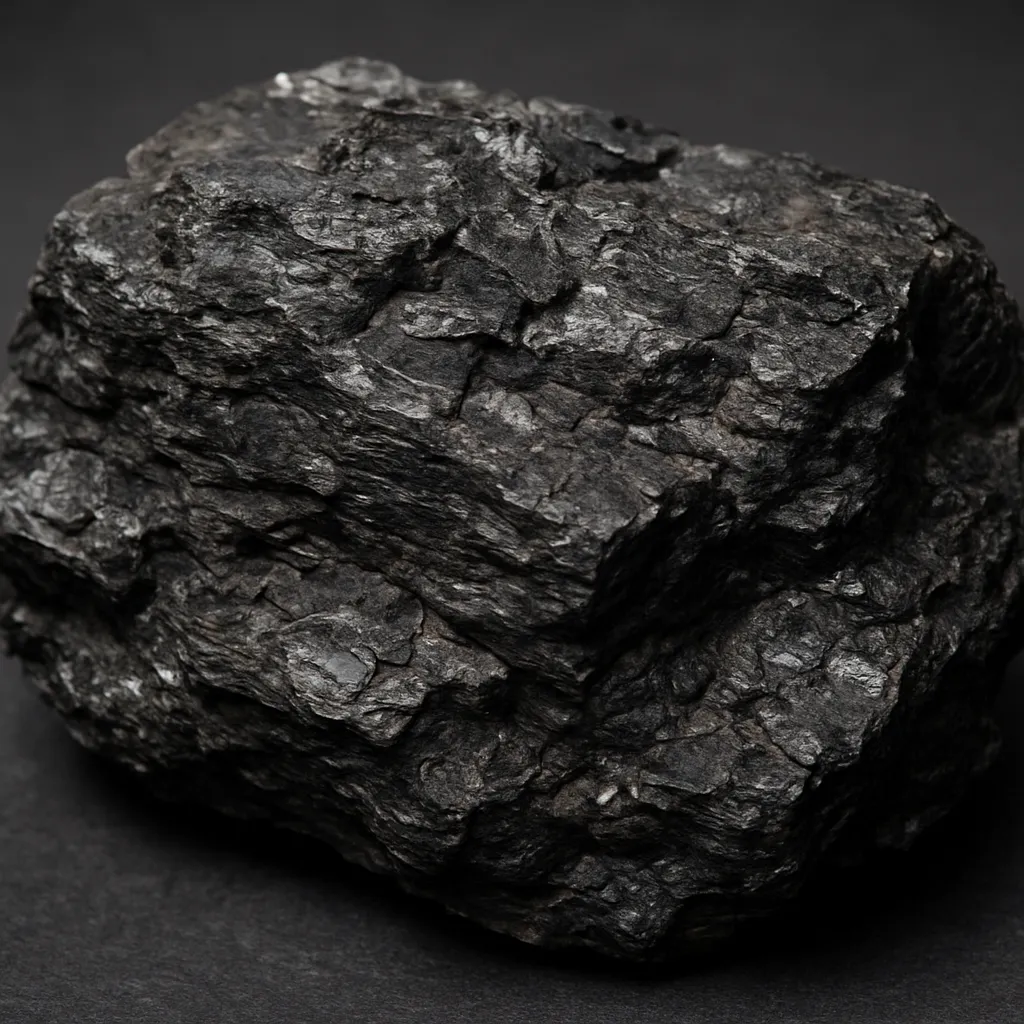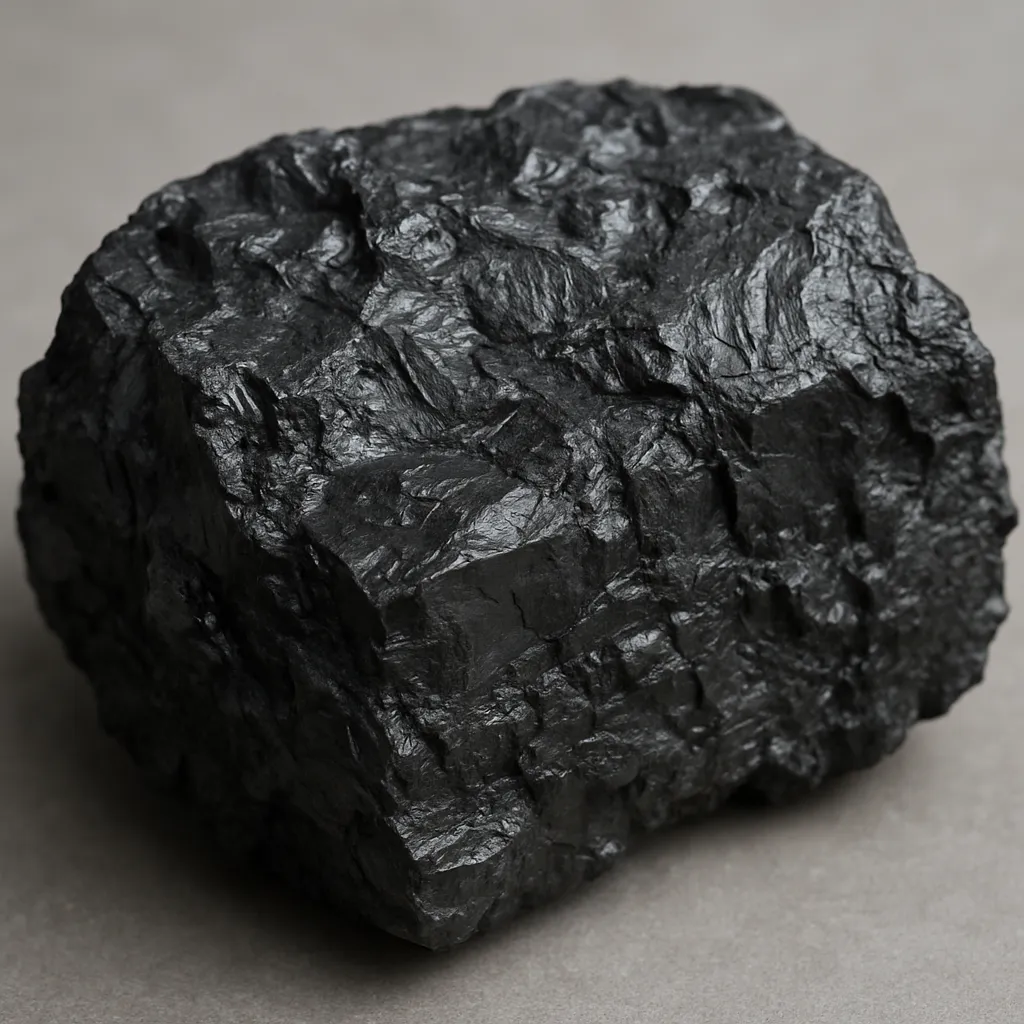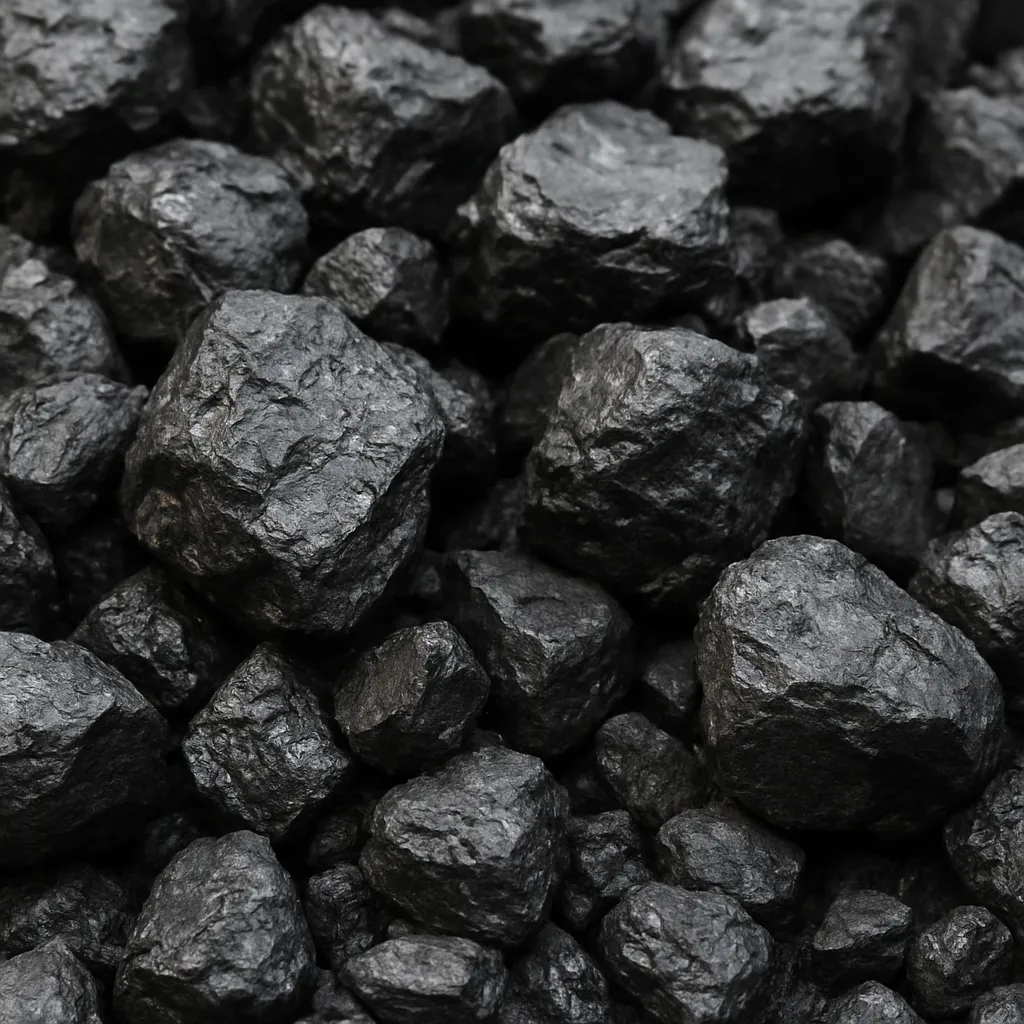
Gasification-grade bituminous coal is a specific class of coal valued for its suitability in conversion processes that produce synthesis gas (syngas) — a mixture primarily of carbon monoxide and hydrogen — which can be used to generate electricity, make chemicals, liquid fuels or hydrogen. This article reviews the geological occurrence, mining regions, chemical and physical properties that make certain bituminous coals preferred for gasification, the technologies and industrial uses built around them, and the economic, statistical and environmental context shaping their present and future roles. Throughout the text some key terms are emphasized to highlight the most important concepts: gasification, bituminous, syngas, Fischer-Tropsch, calorific value, ash fusion, coking, hydrogen, carbon capture, coal-to-liquids.
Geology, Occurrence and Major Mining Regions
Bituminous coal is a medium-to-high rank coal formed under greater pressure and temperature than sub-bituminous coal or lignite but generally below the rank of anthracite. It is characterized by relatively high calorific value and variable volatile matter content, with many deposits also being suitable for metallurgical (coking) use depending on volatile content and maceral composition. Geologically, bituminous coal is found in sedimentary basins that experienced the burial and coalification of organic-rich peat layers during the Carboniferous and later periods.
Major global regions with bituminous resources
- North America: The Appalachian Basin and the Illinois Basin in the United States contain extensive bituminous coal seams historically mined for both thermal and metallurgical purposes. The Powder River Basin in the U.S. is dominated by low-rank sub-bituminous coal and is less relevant for gasification-grade bituminous coal.
- Russia and Eurasia: The Kuznetsk Basin (Kuzbass) and other Russian basins host large reserves of bituminous coal used domestically and exported. Kazakhstan and Ukraine also contain significant bituminous beds.
- Australia: The Bowen Basin (Queensland) and the Hunter Valley (New South Wales) produce large quantities of both thermal and high-quality metallurgical bituminous coals that are significant for export markets.
- China: Major coalfields in Shanxi, Shaanxi, Inner Mongolia and Heilongjiang contain substantial bituminous deposits; China is also a major domestic user of coal for power and chemical feedstocks.
- India: Basins such as Jharia and Raniganj are known for bituminous coal, supplying domestic industry and making the country an important market for coal gasification projects.
- South Africa: The Highveld and Witbank areas contain bituminous coals that have supported Sasol’s longstanding coal-to-liquids industry and other gasification-based chemical plants.
- Colombia: Some basins produce bituminous coals, including metallurgical grades, primarily for export.
Proven global coal reserves remain large—measured in the order of hundreds of billions to over a trillion tonnes when including proven and probable resources—ensuring that coal will remain a feedstock for some industries for decades. Countries with abundant coal resources but limited oil and gas reserves have the strongest incentive to develop coal gasification for energy security and chemical feedstocks.
Physical and Chemical Properties Relevant to Gasification
Not all bituminous coals are equally suitable for gasification. Selection criteria depend on the intended gasifier type and process application. Important coal properties for gasification include particle size and grindability, moisture content, volatile matter, fixed carbon, ash content and composition, sulfur and chlorine contents, and ash fusion temperatures.
Key properties and their effects
- Calorific value: Bituminous coals typically have higher heating values than lower-rank coals, often ranging from roughly 24 to 35 MJ/kg on a dry basis. Higher heating value generally favors efficient gasification and higher-energy syngas output.
- Volatile matter and fixed carbon: Volatile matter influences how readily coal reacts in different gasifiers; higher volatile coals are easier to gasify in fixed-bed or fluidized-bed systems, while entrained-flow gasifiers typically require fine coal or slurry feed and operate at higher temperatures.
- Ash content and composition: Low ash content is preferred; ash chemistry (SiO2, Al2O3, Fe, Ca, Na) determines slagging behavior and ash fusion temperatures. Low-melting-point ash can cause slagging in some gasifiers but can be advantageous in slagging entrained-flow gasifiers designed to remove ash as molten slag.
- Sulfur and impurities: Sulfur species in coal translate into H2S in syngas and require downstream cleaning. Coals low in sulfur are preferred where sulfur emissions or downstream catalyst poisoning are concerns.
- Hardgrove Grindability Index (HGI): This affects milling energy for pulverized feed and slurry preparation; more grindable coals reduce preprocessing costs.
- Moisture: Lower inherent moisture yields higher net syngas heating value and reduces drying energy.
Gasification developers typically identify “gasification-grade” coals as those combining moderate-to-high calorific value, manageable ash chemistry, acceptable sulfur levels, and suitable physical characteristics for the chosen gasifier (particle size, slurry behavior, or direct pulverized feeding). Some high-quality bituminous coals are also coking coals (suitable for producing metallurgical coke) and may command premium prices in steelmaking markets, creating competition between metallurgical and gasification/chemical feedstock uses.
Technologies, Processes and Industrial Applications
Coal gasification is a flexible platform technology. By partial oxidation with air, oxygen, steam or a mixture of these, solid coal is converted to syngas (CO + H2) which can be further processed. The choice of gasifier and downstream technology determines the most suitable coal types and the economic viability of a project.
Major gasifier types and coal fit
- Entrained-flow (slagging) gasifiers: Operate at high temperatures (1,200–1,600 °C), often use oxygen as the oxidant, and produce low-methane syngas. They accept finely pulverized coal and can handle a range of coal ranks if ground finely. They are commonly used in large-scale chemical or liquid-fuel production.
- Fixed-bed (updraft/downdraft) gasifiers: Better suited to higher-volatile coals and produce syngas with higher tar/methane fractions. Suitable for small- to medium-scale applications where coal is chunk-fed.
- Fluidized-bed gasifiers: Offer good feed flexibility, tolerating a wider range of coal qualities and producing moderate syngas quality. They can be attractive where feedstock variability is high.
Commercial applications
- Power generation via Integrated Gasification Combined Cycle (IGCC): Syngas fuels a gas turbine; waste heat drives a steam turbine for combined-cycle efficiency. IGCC units have been demonstrated but are capital intensive and face competition from cheaper natural gas and renewables.
- Coal-to-liquids (CTL) and coal-to-chemicals: Syngas can be converted to liquid hydrocarbons using Fischer-Tropsch synthesis (for fuels) or to methanol, ammonia, and other chemicals. Sasol in South Africa is the most prominent long-term example of commercial CTL based on coal gasification.
- Hydrogen production and chemicals: Gasification can be a route to large-scale hydrogen, especially if combined with carbon management. Syngas can be shifted (water-gas shift reaction) to increase H2 and separate CO2 for capture/storage or utilization.
- Polygeneration: Facilities may produce power, chemicals and liquid fuels in an integrated fashion to maximize value and flexibility.
China, historically, has deployed extensive coal gasification projects to produce methanol and other chemicals from abundant domestic coal. South Africa’s Sasol has long used gasification as the backbone of its synthetic fuels industry. In other regions, demonstration IGCC plants (e.g., Wabash River, Polk County, and Lingan) have illustrated the technology’s feasibility, though widespread commercial rollouts have been limited by economics and policy factors.
Economic and Statistical Perspective
Coal remains one of the largest globally traded and consumed fossil fuels, although trends vary by region and application. The economic case for using bituminous coal for gasification depends on several factors: local coal prices and quality, competing feedstock prices (natural gas, oil), capital and operating costs of gasification plants, policy settings (carbon prices, subsidies), and market demand for derived products (fuels, chemicals, hydrogen).
Global production and market context (approximate)
- Global coal production has historically been measured in the order of several billion tonnes per year. In recent years, overall annual coal production has generally ranged between about 6 and 8 billion tonnes, with annual variation driven by policy, demand and economic cycles. China is the largest producer and consumer, accounting for a substantial share — often close to half of global coal consumption.
- Major exporting countries include Australia, Indonesia, Russia and the United States, while major importers include China, India, Japan, South Korea and several European countries (though imports have declined in some European markets due to decarbonization).
- Approximately two-thirds to three-quarters of global coal consumption is for power generation, with the remainder used for industry (including steelmaking with coking coal) and other sectors. This makes electricity generation the dominant outlet for coal overall, while metallurgical coal and gasification feedstock markets represent important but smaller slices with higher value per tonne in many cases.
Specific market dynamics for gasification-grade bituminous coal:
- Price volatility: High-quality bituminous and coking coals trade at a premium versus lower-grade thermal coals. Prices respond to global steel demand, shipping costs, and supply constraints (strikes, mine closures, export embargoes).
- Capital intensity and economies of scale: Coal gasification plants, particularly large CTL or IGCC installations, require significant upfront investment (often billions of dollars). Long lifetimes and reliable feedstock supply are required to amortize capital costs.
- Competing feedstocks: Low natural gas prices have undercut the competitiveness of gasification in some regions, especially for producing methanol, ammonia or hydrogen. Where natural gas is expensive or unavailable, coal gasification may remain competitive.
- Policy drivers: Carbon pricing, emissions regulations, and incentives for cleaner technologies strongly affect the economics. Where carbon capture and storage (carbon capture) is mandated or incentivized, coal gasification coupled with CCS may become more attractive for hydrogen and fuels production.
Because of these variables, coal gasification projects tend to concentrate in coal-rich regions with a strategic need to produce liquid fuels or chemicals domestically, or where policy frameworks support investment in large-scale industrial projects.
Environmental, Regulatory and Technological Challenges
Coal gasification offers both opportunities and environmental challenges. Compared with direct coal combustion for power, properly engineered gasification with syngas cleanup can reduce some pollutant emissions (SOx, particulates, NOx) before combustion and enable more efficient use of carbon via combined-cycle power generation. Yet gasification still converts fossil carbon into CO2 unless carbon is captured and stored or utilized.
Key environmental issues
- CO2 emissions: Without CCS, coal gasification-based fuel or hydrogen production can result in high lifecycle CO2 emissions. Integrating CCS with gasification (pre-combustion capture) is technically feasible and can achieve higher capture rates than post-combustion capture in some plant designs, but it adds substantial capital and operating costs.
- Water use: Gasification and downstream processing (cooling, washing, steam generation) require significant water in many designs, a concern in water-stressed regions.
- Air pollutants and trace elements: Sulfur, mercury, chlorine and other trace elements must be removed from syngas and disposed of or stabilized. Solid residues (ash, slag) require management.
- Local environmental impacts: Mining and transport of coal cause land disturbance, dust, and community impacts that are often the focus of regulatory scrutiny and social license requirements.
Technological trends seek to address these challenges:
- Integration with carbon capture technologies to produce low-carbon hydrogen or fuels, potentially combined with geological storage or utilization.
- Co-gasification of coal with biomass or waste to reduce net carbon intensity and improve environmental performance.
- Advances in gasifier materials and designs to expand the range of acceptable coal qualities and improve reliability.
- Deployment of modular and smaller-scale gasifiers for distributed production or niche industrial needs.
Notable Regional Examples and Case Studies
South Africa — Sasol and the legacy of coal-to-liquids
Sasol’s operation is one of the longest-running examples of industrial-scale coal gasification to produce liquid fuels and chemicals, using bituminous and sub-bituminous coals. The plant illustrates both the technical feasibility and the high capital and operating intensity of CTL. The South African experience also underscores environmental trade-offs and the political economy of resource-based industrialization.
China — large-scale coal-to-chemicals
China has developed many coal gasification projects to produce methanol and derivatives, often located in coal-rich provinces. Policymakers have balanced the desire to use domestic coal resources for chemical production with mounting environmental pressures; in recent years some projects have faced operational curbs or stricter emission standards.
United States — demonstration IGCC and gasification projects
The U.S. has demonstrated gasification technology in power and industrial contexts (e.g., Wabash River, Polk County, and the Great Plains synfuels plant). Many projects highlighted the promise of IGCC and pre-combustion capture, but widespread commercial adoption in the power sector has been limited by competition from cheap natural gas and renewables, and by capital costs.
Future Outlook and Strategic Considerations
The future role of bituminous coal in gasification hinges on economics, policy, and technological development. Several possible trajectories exist:
- Decline in power-focused coal use in favor of renewables and gas in many OECD markets, but sustained or even growing niche roles for coal gasification in countries prioritizing energy security and domestic chemical fuel production.
- Growth of coal-based hydrogen and chemical production where inexpensive coal is available, provided CCS is implemented to meet climate commitments. Coal gasification with CCS can produce hydrogen at scale if policy supports carbon management.
- Innovation in co-gasification with biomass or waste and in advanced gasifiers, enabling lower net-carbon products and improved environmental performance.
- Market segmentation where high-quality coking bituminous coals remain more valuable to steelmakers, while other bituminous grades are routed to gasification or power depending on local market conditions.
Investors and policymakers should consider lifecycle emissions, water and land impacts, local social acceptance of mining and industrial activity, and the comparative economics versus alternatives when evaluating prospective gasification projects.
Conclusion
Gasification-grade bituminous coal occupies an important technical and economic niche: it is a feedstock that can be transformed into versatile synthesis gas, enabling power generation, hydrogen production, chemicals and transport fuels. Its viability depends on coal quality characteristics (ash, sulfur, calorific value, grindability) and on the interaction of capital costs, feedstock prices, and policy frameworks — especially those related to carbon management. While the global energy transition and cheap natural gas have constrained some applications of coal gasification, strategic drivers such as energy security, the need for large volumes of hydrogen and chemical feedstocks, and technological advances in CCS and co-gasification mean that gasification-grade bituminous coal will likely remain relevant in selected regions and industries for years to come.