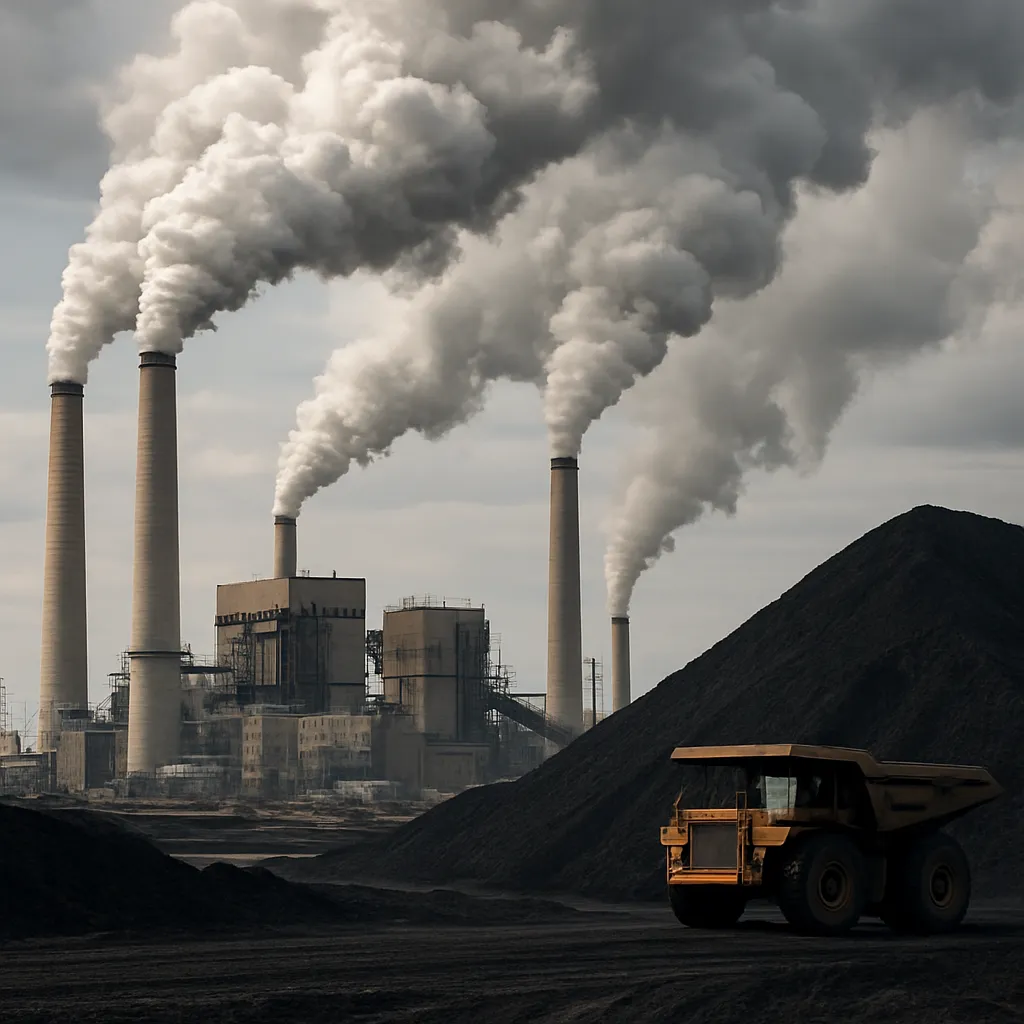
Coal has been a cornerstone of industrial development for over two centuries, powering factories, generating electricity, and driving economic growth across continents. As the world grapples with climate change, carbon pricing mechanisms have emerged to reshape energy landscapes. Many nations reliant on coal face mounting challenges in balancing environmental responsibilities with economic stability. This article examines the intricate interplay between coal markets, the role of coal stock management, and the profound impact of carbon pricing on coal-dependent economies.
Global Significance of Coal and Market Dynamics
The historical dominance of coal stems from its abundance, high energy density, and relative affordability. Major producers include China, India, the United States, and Australia, collectively accounting for a significant share of global output. In parallel, international markets for coal have developed sophisticated pricing benchmarks, such as the API2 index in Europe and the Newcastle benchmark in Asia-Pacific. These indices influence both spot and forward contracts, shaping trade volumes and investment decisions.
Drivers of Coal Demand
Key factors driving global coal consumption include:
- Rapid industrialization in emerging economies
- Growing electrification needs in rural regions
- Cost competitiveness compared to alternative fuels
- Legacy infrastructure with limited transition flexibility
However, mounting pressure to reduce greenhouse gas emissions is accelerating the shift toward cleaner energy sources. Countries are adopting stricter environmental regulations, incentivizing utilities and industries to curtail coal usage.
Coal Stock Concepts and Strategic Reserves
Effective management of coal stock is vital for mitigating supply disruptions and price volatility. Nations and private firms maintain strategic reserves to absorb shocks from natural disasters, logistical bottlenecks, or geopolitical tensions. Techniques include:
- On-site stocking at power plants
- Centralized national reserves for emergency deployment
- Inventory optimization through demand forecasting
Proper coal stock management enhances resilience in energy supply, but it also ties up significant capital and may carry environmental liabilities such as spontaneous combustion or leaching of contaminants.
Carbon Pricing and Economic Implications for Coal-Dependent Countries
Introducing a price on carbon creates an economic disincentive for high-carbon fuels. Mechanisms include carbon taxes and cap-and-trade systems. Effective carbon pricing adjusts the cost structure across energy sectors, making renewable energy and low-carbon technologies more attractive. For coal-dependent nations, the implications span government revenues, industrial competitiveness, and social welfare programs.
Revenue Generation and Allocation
Carbon pricing can yield substantial public revenues, which governments may allocate to:
- Subsidies for clean technology deployment
- Job retraining programs for displaced workers
- Infrastructure upgrades to support sustainability
- Targeted relief for vulnerable populations facing higher energy costs
Transparent and equitable revenue allocation is crucial to maintain political buy-in and minimize economic distortions.
Competitiveness and Leakage Risks
Coal-intensive industries, such as steel and cement, may experience reduced investment attractiveness if domestic carbon costs exceed those of trading partners. To counteract carbon leakage—where production shifts to regions with lax regulations—policy tools include border carbon adjustments and free allowances under emissions trading schemes.
Case Studies of Coal-Dependent Nations
Examining real-world examples reveals diverse strategies and outcomes:
- Poland: Facing over 70% of electricity generation from coal, Poland has implemented a gradual phase-out plan coupled with EU funds to modernize its energy grid.
- South Africa: Eskom’s reliance on aging coal plants led to rolling blackouts. A dual approach of carbon taxes and public-private partnerships aims to diversify the energy mix.
- Indonesia: As a top coal exporter, Indonesia balances export revenues with domestic electrification goals. Recent coal levies fund renewable energy projects in remote regions.
These examples illustrate how long-term viability hinges on nuanced policy design that aligns carbon pricing with social and economic priorities.
Strategies for Transition and Cleaner Alternatives
Moving away from coal without destabilizing economies demands a multi-pronged approach. Key strategies include:
- Strengthening regulatory frameworks to support low-carbon investments
- Developing financial instruments like green bonds and transition bonds
- Encouraging research in carbon capture, utilization, and storage (CCUS)
- Facilitating workforce retraining and community engagement
Integration of policy measures and private sector investment is essential. International cooperation can provide technical assistance and mobilize capital flows for emerging economies.
The Role of Innovation
Advancements in energy storage, hydrogen production, and advanced materials are critical to displace coal in power generation and heavy industry. Public-private partnerships and research grants foster an ecosystem where startups and established firms collaborate on breakthrough technologies.
Building Sustainable Energy Markets
To ensure a just transition, governments may implement:
- Time-bound carbon pricing trajectories
- Gradual removal of fossil fuel subsidies
- Capacity-building programs for local enterprises
- Monitoring and verification systems to track emissions reductions
Crafting a balanced approach allows coal-dependent nations to embrace cleaner energy sources while safeguarding economic growth and social stability.