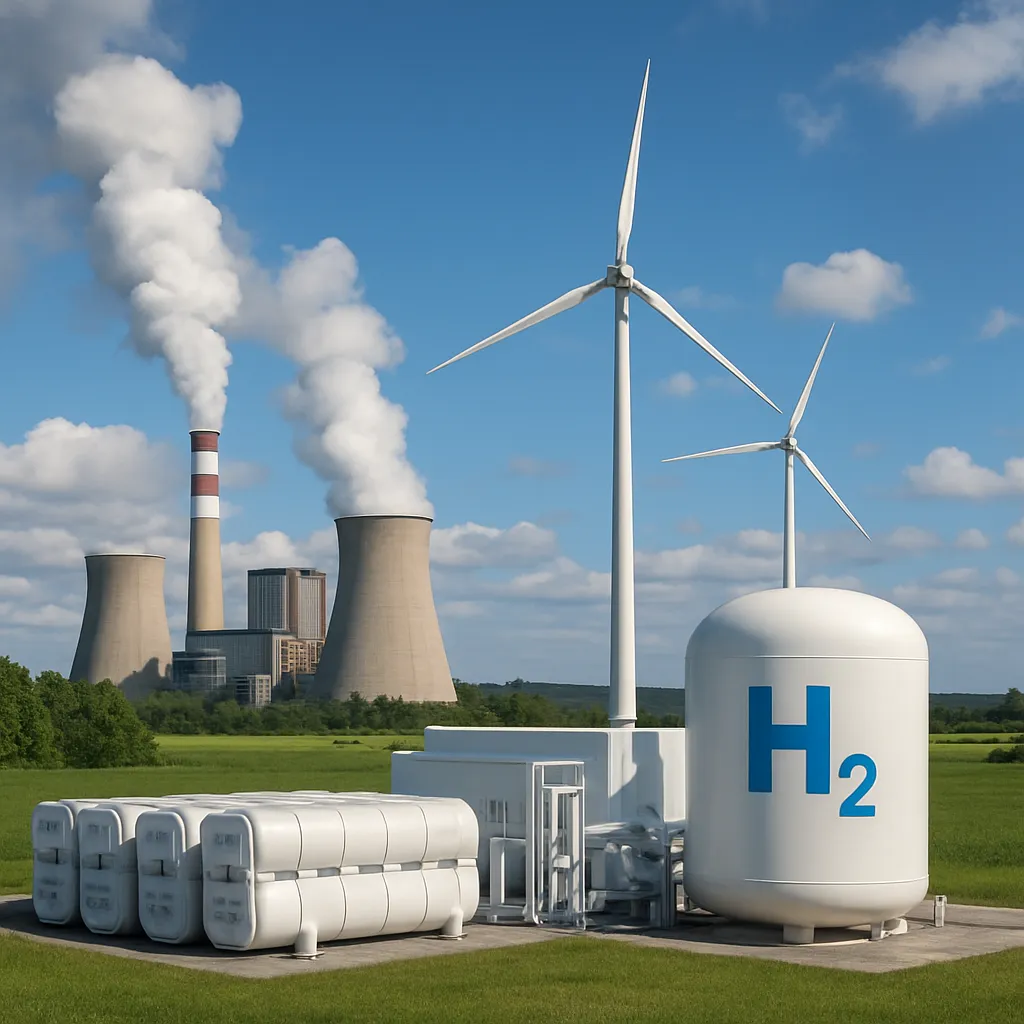
The Global Race to Replace Coal with Renewable Hydrogen
As global economies strive to curb greenhouse gas outputs, the role of coal in energy production has come under intense scrutiny. While this fuel source powered the Industrial Revolution and underpins heavy industries today, its high carbon footprint and mounting regulatory pressures are driving nations to explore cleaner alternatives. Amid this shift, renewable hydrogen has emerged as a leading contender to displace coal in power generation, steelmaking, and chemical processes. This article delves into the historical significance of coal, the dynamics of coal stock markets, and the technological and policy challenges in this unprecedented energy transition.
From the boardrooms of mining companies to the corridors of climate summits, stakeholders debate the future of coal and the massive investment needed to build a hydrogen-based economy. Understanding these intertwined topics is key to navigating the complex path toward decarbonization and ensuring a stable yet sustainable energy mix for decades to come.
Coal: From Industrial Revolution to Global Commodity
Coal has been the bedrock of modern industrial society, fueling steam engines, power plants, and foundries since the 18th century. Its abundance and ease of transport made it the default choice for early energy needs. Over time, technological advances increased extraction rates, and coal mining became a global enterprise, with major deposits in China, the United States, India, and Australia. Yet, the very qualities that made coal indispensable—high energy density and widespread availability—now pose critical environmental challenges.
Burning coal releases significant amounts of emissions, including carbon dioxide, sulfur oxides, and particulate matter. These pollutants contribute to climate change, acid rain, and respiratory illnesses. Efforts to curb coal use date back decades, but the energy security offered by this resource often outweighed environmental concerns, especially in developing economies. Today, with international agreements tightening emission targets, coal faces an existential reckoning.
Despite these pressures, coal remains a central component of the energy mix in many countries. Expanding populations and rising living standards sustain robust demand, while legacy power plants continue to operate for decades. The challenge lies in reconciling short-term energy needs with long-term sustainability goals, a balance that has spurred the search for viable coal alternatives.
Investment in Coal Stocks: A Market under Pressure
Financial markets have reacted sharply to the evolving outlook for fossil fuels. Coal stock indices have exhibited heightened volatility as investors weigh regulatory risks, carbon pricing schemes, and shifting public sentiment. Once considered safe havens for dividend-seeking portfolios, coal-related equities now carry the stigma of environmental liability.
Institutional investment trends reflect this caution. Major pension funds and sovereign wealth managers are increasingly divesting from coal assets, citing both moral imperatives and the risk of stranded capital. This wave of divestment has triggered sell-offs, compressing valuations and raising the cost of capital for companies reliant on coal mining and coal-fired generation.
- Regulatory uncertainty: Governments implementing carbon taxes create potential downside for coal firms.
- Credit rating impacts: Downgrades due to environmental risk elevate borrowing costs.
- Market demand shifts: Growth in renewables and natural gas undercuts coal’s competitiveness.
For traders and analysts, monitoring developments in renewable technologies and policy frameworks is essential for forecasting coal stock performance. Companies that proactively diversify or invest in clean energy solutions may withstand the current headwinds better than those doubling down on traditional coal operations.
Transition to Renewable Hydrogen: Opportunities and Obstacles
The concept of a “hydrogen economy” has gained traction as a means to decouple industrial processes from fossil fuels. Produced via electrolysis powered by solar, wind, or hydroelectricity, green hydrogen emits zero carbon at the point of production and combustion. When used in turbines, fuel cells, or direct reduction of iron ore, hydrogen can effectively replace coal without compromising output.
Yet, scaling up renewable hydrogen faces significant hurdles. High initial capital costs for electrolyzers, limited infrastructure for storage and transport, and transient renewable power supplies all contribute to economic and technical complexities. Moreover, the energy efficiency of electrolysis remains lower than ideal, driving up the levelized cost of hydrogen compared to coal’s entrenched price advantages.
Despite these challenges, pilot projects are flourishing worldwide. Nations rich in wind and solar resources, such as Australia, Saudi Arabia, and Morocco, are positioning themselves as future green hydrogen exporters. Interstate pipelines, liquid organic hydrogen carriers, and ammonia synthesis represent innovative pathways to integrate hydrogen into existing energy and industrial networks.
Ultimately, the large-scale deployment of renewable hydrogen hinges on continued cost reductions, technology breakthroughs, and supportive policies that incentivize clean production over fossil alternatives.
Technological Innovations and Carbon Capture Strategies
While the long-term goal is to shift entirely toward zero-emission fuels, interim solutions are critical for coal-dependent regions. Advanced coal gasification converts coal into synthetic gas, which can be cleaned of impurities before combustion or chemical processing. Technology improvements in gasification reactors, catalysts, and syngas cleanup systems enhance efficiency and reduce pollutant output.
Complementing these efforts is carbon capture, utilisation, and storage (CCUS). By capturing CO₂ from flue gases and injecting it into geological formations, industrial clusters can mitigate the climate impact of ongoing coal use. Several demonstration plants have already proven the viability of large-scale CO₂ injection, though widespread adoption depends on cost-sharing mechanisms, robust monitoring, and public acceptance of underground storage.
Innovations in sorbents, membranes, and cryogenic separation aim to lower the energy penalty associated with capture processes. Integration of CCUS with hydrogen production—often termed “blue hydrogen”—provides a transitional fuel option that blends existing coal infrastructure with cleaner outcomes. This hybrid approach can buy time for renewable capacity to ramp up without abruptly shuttering power plants or risking energy shortages.
Policy Frameworks and Environmental Implications
Governments wield considerable influence over the pace and direction of the coal-to-hydrogen transition. Carbon pricing, emission trading schemes, and direct subsidies for green technologies act as levers to reshape energy markets. Countries that set ambitious net-zero targets by mid-century send powerful signals to investors, driving innovation and deployment at scale.
A mix of regulations, tax incentives, and research grants is essential to overcome economic barriers. For instance, contracts for difference (CfDs) can guarantee a stable price for hydrogen producers, reducing exposure to market fluctuations. Meanwhile, stricter air quality standards push coal operators to adopt cleaner practices or exit the market altogether. Cross-border cooperation on hydrogen export protocols and safety standards can accelerate global adoption.
- Carbon border adjustments: Protect domestic industries by taxing imported goods based on embedded emissions.
- Renewable portfolio standards: Mandate growing shares of clean power to spur hydrogen-electrolysis facilities.
- Public–private partnerships: Leverage government funding to de-risk pilot projects and infrastructure rollouts.
The environmental benefits of moving away from coal are profound. Reduced emissions translate into cleaner air, lower healthcare costs, and enhanced climate resilience. However, responsible transition planning must address social and economic impacts on coal-reliant communities, ensuring that workers receive training for new roles in a hydrogen-driven economy.
As the world races to reconcile energy demands with climate imperatives, the interplay between legacy fuels and emerging solutions will define the next era of industrial development. Coal’s legacy may endure for years, but the ascent of renewable hydrogen signals a pivotal shift toward a more sustainable and secure energy future.