Throughout the industrial era, coal has remained a cornerstone of global energy production, fueling factories, railways, and power plants. Despite mounting pressure to curb greenhouse gas footprints, this fossil fuel still underpins significant portions of electricity grids in many regions. Meanwhile, coal stocks continue to attract both short-term traders and long-term investors, each drawn by volatile price swings and dividend yields. At the same time, the world faces a critical transition toward cleaner alternatives, demanding innovative policies and technologies to reconcile economic growth with sustainability goals.
Coal’s Place in Energy History
Origins of Industrial Dominance
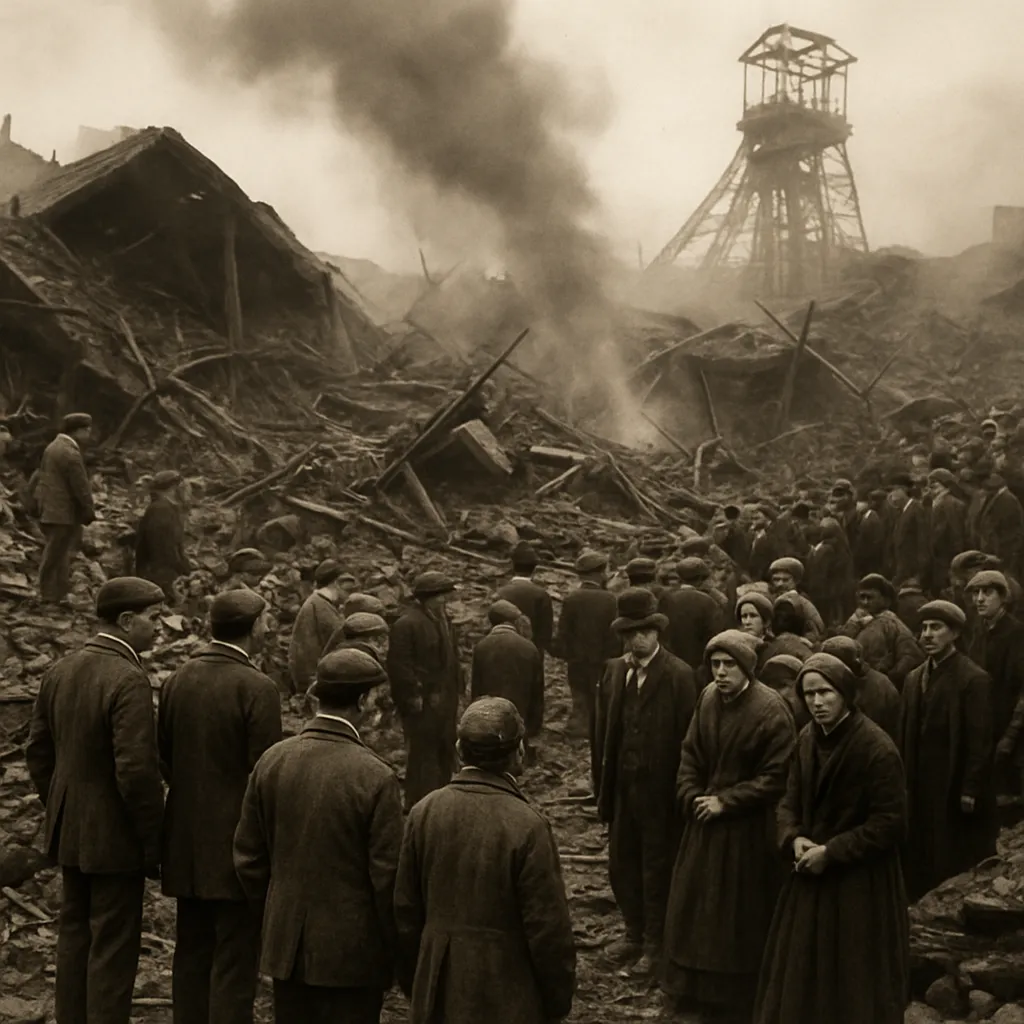
When James Watt perfected the steam engine in the late 18th century, coal instantly became the backbone of emerging industrial societies. Coal’s high energy density enabled unprecedented mechanical power, driving textile mills, steel production, and railroad expansion. For more than two centuries, this abundant resource served as the primary source of heat and electrical generation, underpinning the urbanization and economic rise of nations.
Technological Advances
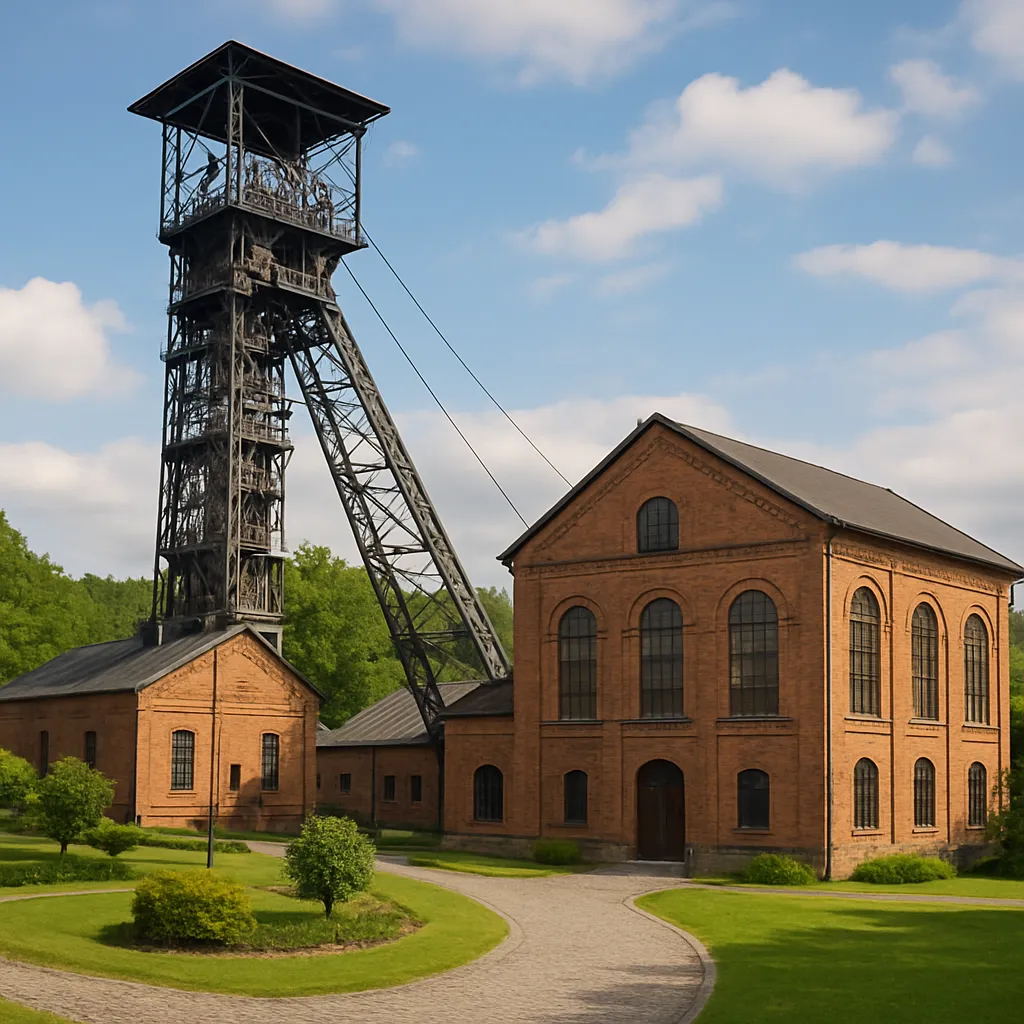
Throughout the 19th and 20th centuries, mining techniques evolved from hand-dug pits to mechanized open-pit and underground operations. Innovations such as conveyor belts, steam shovels, and roof-bolting systems improved safety and extraction rates. At the same time, power station technologies shifted from simple boilers to ultra-supercritical units capable of higher thermal efficiencies. These developments cemented coal’s reputation as a reliable, baseload fuel across the globe.
Environmental Impact of Coal Consumption
Air Pollutants and carbon Emissions
Despite its historical importance, coal combustion is a major source of air pollutants, including sulfur dioxide (SO2), nitrogen oxides (NOx), particulate matter, and mercury. More critically, coal releases significant quantities of carbon dioxide (CO2), the leading greenhouse gas driving climate change. Power plants burning lower-grade coal can emit over a ton of CO2 per megawatt-hour generated, far exceeding emissions from natural gas or renewables.
Water Usage and Land Disturbance
Coal mining and processing also impact water resources through acid mine drainage, heavy metal leaching, and substantial water withdrawals for cooling in power stations. Open-pit mining scars vast landscapes, displaces communities, and destroys habitats. Even reclaimed mine sites often struggle to restore original soil quality and biodiversity, leading to long-term ecological challenges.
- Acid mine drainage can lower pH levels in rivers.
- Excess nutrients from runoff promote algal blooms in lakes.
- Subsidence and ground instability threaten infrastructure.
Market Dynamics and Coal Stock Performance
Global Supply Chains
Major coal producers include China, India, the United States, Australia, and Indonesia. Coal shipments travel thousands of kilometers by rail and sea, connecting mines to power stations and steel mills. Supply disruptions––whether due to extreme weather, labor strikes, or geopolitical tensions––can trigger sharp price spikes, creating both risk and opportunity for traders.
Price Drivers and demand Fluctuations
Coal prices are influenced by multiple factors:
- Industrial activity levels in key consumer countries.
- Availability of competing fuels such as natural gas and renewables.
- Regulatory policies on emissions and mine safety.
- Seasonal weather patterns affecting heating and cooling needs.
Periods of strong industrial growth or cold winters often push up prices, while mild seasons and expanding renewable capacity can weaken coal markets.
Evaluating Coal Stocks
Investors considering coal producers or related firms examine metrics such as production volume, cash cost per ton, and reserve life. Key performance indicators include free cash flow, dividend yield, debt ratios, and exploration success rates. Because the sector remains exposed to regulatory risk, prudent stakeholders factor in potential carbon pricing, emissions limits, and environmental liabilities.
Strategies for a Just transition
Policy Frameworks and Funding
Governments and international bodies are deploying instruments to support communities dependent on coal mining and coal-fired power. Mechanisms include:
- Retraining programs for former mine workers in renewable energy sectors.
- Subsidies and grants to modernize equipment or repurpose facilities.
- Public-private funds aimed at sustainable infrastructure projects.
Well-designed policies can minimize social disruption while accelerating the shift to lower-carbon technologies.
Innovations in Abatement and emissions Reduction
Technologies such as carbon capture and storage (CCS) offer pathways to decarbonize existing coal plants. While costly, CCS can trap over 90 percent of CO2 emissions, transporting and storing them underground. Other strategies include co-firing biomass, enhancing turbine efficiency, and deploying advanced filtration systems to reduce particulate and sulfur outputs.
Investment in Renewable Alternatives
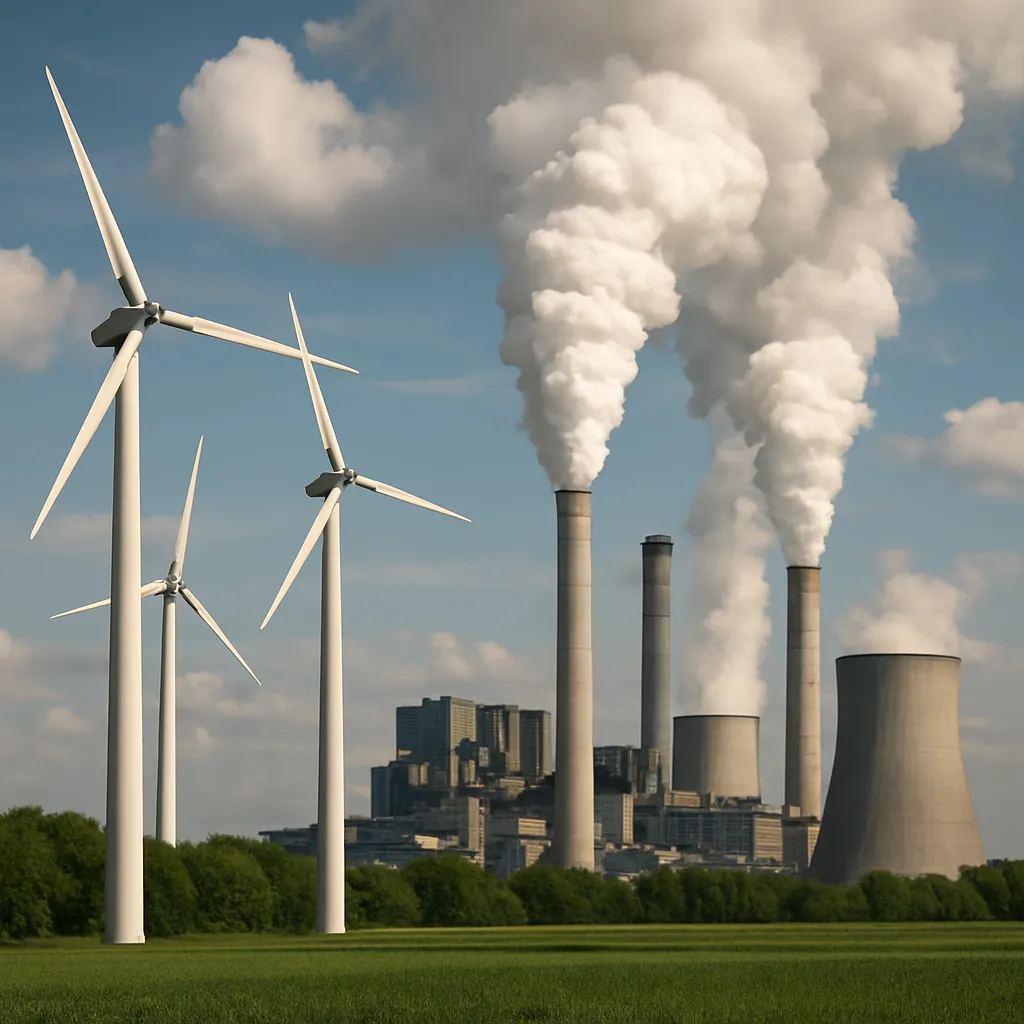
The declining cost curves of solar PV, onshore wind, and battery storage are reshaping power portfolios. Renewable projects attract capital from global funds seeking low-risk, long-duration returns. In many regions, new wind or solar installations now undercut the operating costs of aging coal units. As a result, utilities and investors increasingly pivot their allocations toward green energy, leaving coal assets stranded or earmarked for phased retirement.
Outlook: Balancing innovation and Legacy Assets
Stranded Asset Risks
Coal mines and power plants face the risk of becoming financially unviable before the end of their expected lifetimes. Changing regulations, carbon pricing, and community opposition can render these assets obsolete. Stakeholders must consider write-down risks and potential decommissioning costs when valuing coal-related enterprises.
Opportunities in Circular Economy
By-products from coal operations, such as fly ash and slag, can be repurposed in cement, road construction, and land reclamation. Embracing a circular economy mindset reduces waste streams while lowering the carbon footprint of downstream industries. Integrating these materials into new supply chains creates additional revenue streams for coal producers during the energy transition.
Ensuring Equitable Outcomes
A truly just transition addresses both environmental imperatives and socioeconomic realities. Regions heavily reliant on coal for employment and tax revenues require targeted support to develop new industries. Collaborative efforts among policymakers, businesses, and local communities can foster resilience, ensuring that workers and families share the benefits of a low-carbon future.