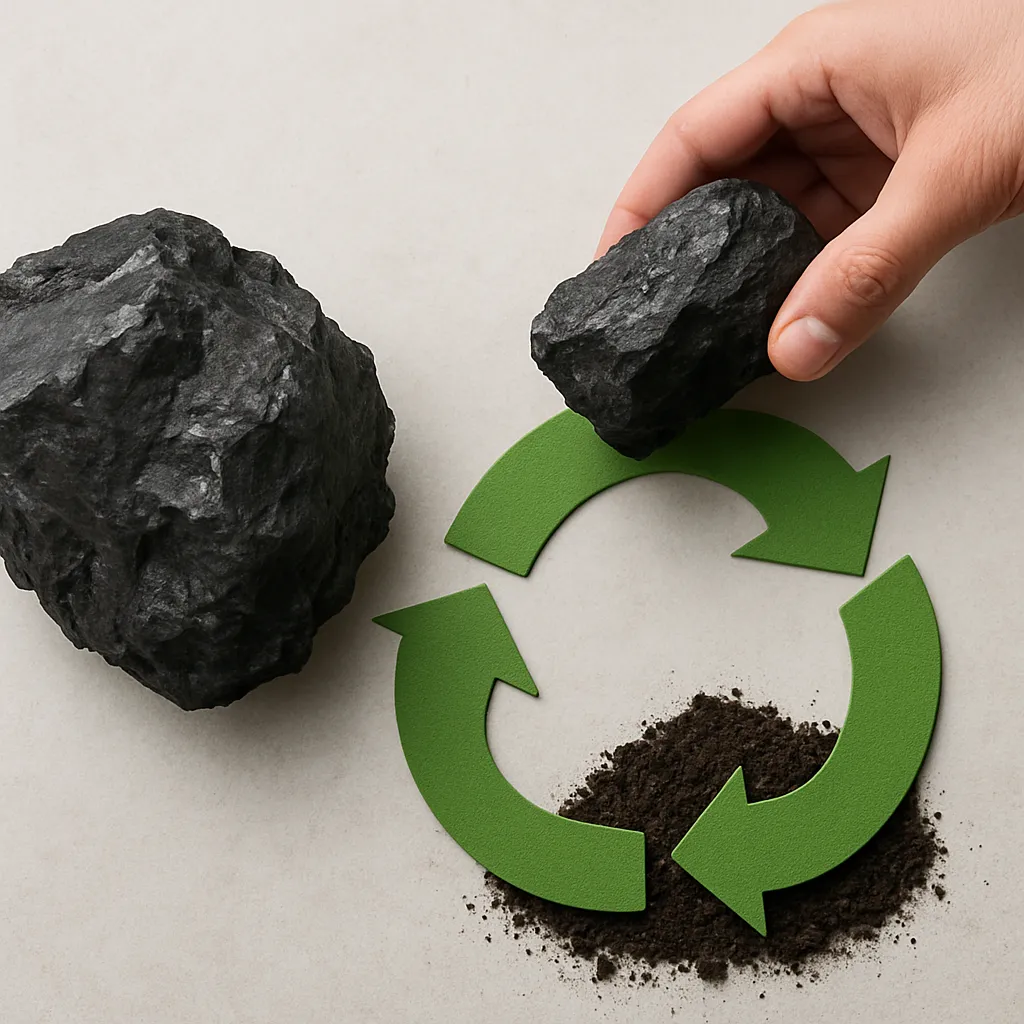
Coal has long been a cornerstone of global energy systems, shaping economies and driving industrial growth for centuries. Massive reserves lie dormant beneath the earth’s surface, and towering stockpiles of extracted material stand witness to its enduring significance. Yet as the world pivots toward cleaner energy sources, there is an emerging narrative that reconsiders the fate of this once-dominant fuel. By applying principles of the circular economy, it becomes possible to reimagine how coal is managed—from extraction and processing to by-product utilization—thereby unlocking new pathways for value creation and environmental stewardship.
Historical Perspectives on Coal and Existing Stockpiles
The story of coal began millions of years ago, as plant matter transformed under heat and pressure into dense carbon-rich deposits. Over time, these deposits accumulated in vast geological formations, giving rise to regions famed for their coal mining heritage. During the 19th and 20th centuries, coal powered locomotives, fueled steel mills, and generated electricity, ushering in waves of urbanization and technological progress. However, this era of prosperity came at a cost.
Traditional coal extraction and combustion processes produced significant by-products such as fly ash, bottom ash, and slag. Historically, many of these materials were relegated to landfills or left in spoil heaps, contributing to soil and water contamination. Meanwhile, regulatory changes and shifts toward low-carbon alternatives have led to the accumulation of underutilized coal reserves and industrial stockpiles. These legacy stores pose both a liability and an opportunity. On one hand, they represent environmental and economic burdens; on the other, they constitute a potential feedstock for novel applications if managed through a circular lens.
Reimagining Coal Through Circular Economy Principles
The circular economy model seeks to keep materials in use for as long as possible, recover and regenerate products at the end of their life cycles, and minimize waste. When applied to coal, these principles translate into strategies designed to:
- Optimize extraction techniques to reduce resource depletion and disturbances to ecosystems.
- Enhance the reuse of coal by-products—transforming waste into valuable raw materials for construction, manufacturing, and agriculture.
- Implement closed-loop systems that channel emissions and residual compounds back into productive processes.
By adopting such practices, coal mines and power plants can transition from linear “take-make-dispose” models to regenerative systems. For instance, fly ash—once considered a nuisance—can be blended with cement in concrete production, improving strength and lowering overall carbon footprints. Similarly, bottom ash can be repurposed as aggregate in road construction, diverting millions of tons of material from waste streams each year.
Key Circular Strategies
- Conversion of coal residues into chemical precursors for the polymer and specialty chemical industries.
- Integration of renewable energy sources to power mining operations, reducing the carbon intensity of extraction.
- Implementation of digital monitoring and analytics to track material flows, enhancing resource efficiency.
Technological innovations in Coal Utilization and sustainability
Recent advances in technology have opened new horizons for coal’s role in a decarbonizing world. Breakthroughs in carbon capture, utilization, and storage (CCUS) promise to mitigate greenhouse gas outputs while preserving the utility of existing infrastructure. Combined with integrated gasification combined cycle (IGCC) plants, these techniques can transform coal into synthesis gas, which in turn feeds into fuel cells or produces hydrogen for industrial applications.
Other cutting-edge developments include:
- Electrochemical conversion: Using coal-derived syngas in electrochemical reactors to generate high-value products like formic acid and methanol.
- Biochar production: Co-processing biomass with coal to yield biochar, a carbon-rich material that enhances soil health and sequesters carbon when applied to agricultural lands.
- Coal-to-chemical pathways: Refining coal residues into carbon nanotubes and graphene, unlocking possibilities in electronics and advanced materials.
By aligning technological progress with circular economy objectives, it becomes possible to achieve meaningful reductions in lifecycle emissions and drive toward holistic resource regeneration. This approach not only capitalizes on existing assets but also fosters resilient supply chains less susceptible to external shocks.
Economic Impacts and Environmental Benefits: Toward decarbonization and resource efficiency
Embracing a circular framework for coal yields multifaceted rewards. On the economic front, repurposing by-products and integrating CCUS can generate new revenue streams, offsetting operational costs and creating jobs in emerging green sectors. Strategic partnerships between traditional energy companies, tech startups, and government bodies can spur investment in pilot projects and scale-up initiatives.
Environmental gains are equally compelling:
- Significant reductions in airborne emissions of CO₂, SO₂, and particulates.
- Diverted waste from landfills, cutting leachate risks and preserving land integrity.
- Enhanced biodiversity conservation through lower land-use intensity and rehabilitated mine sites.
Moreover, circular practices foster greater system resilience. Diverse utilization pathways for coal and its derivatives diminish reliance on a single market segment. Mining regions can transition into hubs for innovation, leveraging existing expertise while cultivating new skill sets in material recovery, chemical processing, and environmental monitoring.
As global energy landscapes evolve, the intersection of coal and the circular economy represents a dynamic frontier. By championing valorization, optimizing operational footprints, and harnessing technological breakthroughs, stakeholders can navigate toward a more sustainable, efficient, and ultimately regenerative model of resource management.