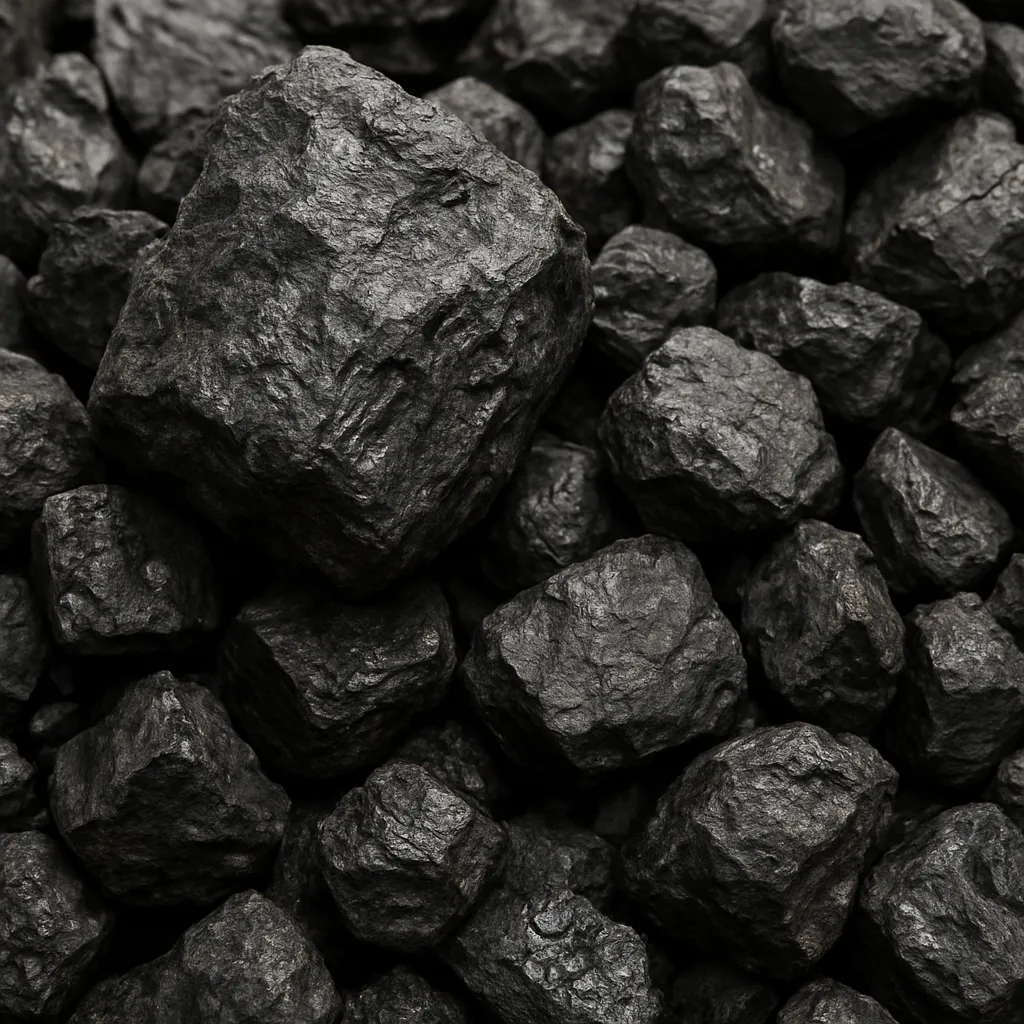
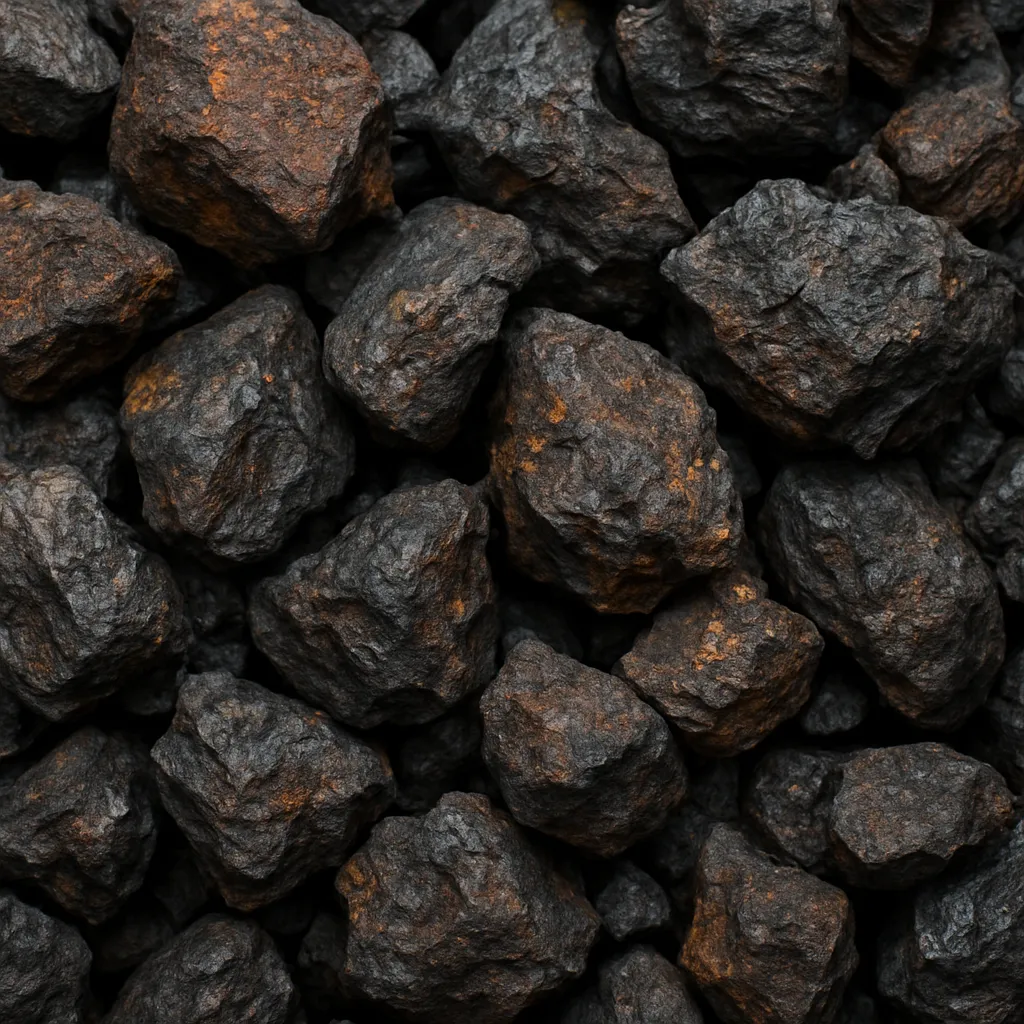
De-watered coal is not a distinct geological variety but a processed form of coal with significantly reduced water content. It plays a growing role wherever low-rank coals (high moisture, low energy density) are abundant and where economic or environmental pressures make upgrading desirable. This article describes what de-watered coal is, where it is produced and used, the technologies and economics behind dewatering, its industrial significance, available statistical context, and emerging trends and challenges.
Overview — What Is De-watered Coal?
At its simplest, dewatered coal is coal that has undergone mechanical, thermal or chemical treatment to reduce its inherent moisture content. Coal in the ground and immediately after mining can contain a wide range of water content: low-rank coals such as lignite and some sub-bituminous coals often contain 30–60% moisture by mass, while higher-rank bituminous and anthracite coals usually contain much less (often below 15% on an as-received basis). Reducing moisture changes the coal’s physical and energetic properties and therefore its marketability and uses.
Key technical terms used in coal quality and dewatering discussions include:
- As-received (ar) basis — the coal’s properties including its natural moisture.
- Air-dried (adb) basis — moisture reduced to what is typical after air drying in stockpiles.
- Dry basis (db) — properties expressed after removal of all moisture.
- Calorific (heating) value — the amount of heat produced by combustion, commonly expressed in MJ/kg or kcal/kg.
Reducing moisture increases effective calorific value per tonne, reduces transport cost per unit of useful energy, and affects combustion behaviour. Dewatering is therefore a form of upgrading or beneficiation for low-rank coals, helping them compete with higher-grade fuels.
Where De-watered Coal Comes From — Deposits and Mining Regions
Because dewatered coal is a processed product, its “occurrence” is tied to the distribution of low-rank coals worldwide and to markets and infrastructure that support coal upgrading. Important regions with large supplies of high-moisture coal include:
- Australia — particularly Victoria’s brown coal deposits (Latrobe Valley) and some sub-bituminous seams. Australia is a major coal exporter, and technologies to upgrade brown coal have been developed to make it more competitive.
- Germany and Poland — large lignite deposits supplying nearby power plants; interest in dewatering and drying has been longstanding in Europe where proximity to consumption centers matters.
- United States — Powder River Basin (Wyoming, Montana) sub-bituminous coals are relatively high in moisture compared with eastern bituminous coals and are widely traded for power generation. Other basins supply bituminous coal.
- Indonesia and Russia — significant exporters of thermal coal; some coals exported have higher inherent moisture and may be beneficiated prior to shipping.
- Poland, Czechia and other central European countries — large lignite mines serving domestic power stations.
Globally, coal production is concentrated in a few countries. Approximately half of world output comes from China, with other large producers including India, the United States, Australia, Indonesia and Russia. Annual world coal production in recent years has been on the order of about 7–8 billion tonnes (all ranks combined). Seaborne trade (the exported fraction that is shipped internationally) is smaller, typically in the range of about 1.0–1.3 billion tonnes per year for thermal coal, with variations year to year depending on demand and prices. Dewatering facilities tend to be located either at large production centers where low-rank coal is common or near ports where export quality specifications require lower moisture levels.
Technologies and Methods for Dewatering
Dewatering technology spans relatively simple, low-energy approaches to industrial-scale, energy-intensive processes. The appropriate method depends on the coal rank, initial moisture, desired final moisture, local energy costs, capital availability and environmental constraints.
Mechanical and Physical Methods
- Gravity drainage and stockpile air drying — simple and cost-effective in favorable climates; relies on time, wind and sun to reduce moisture.
- Filtration and pressure/ vacuum dewatering — filter presses and vacuum filters remove free water and reduce surface moisture.
- Centrifugal separation — effective for fine material and slurries to reduce moisture rapidly.
- Pressing/compaction — extrusion or press rolls to squeeze water from coal fines and slurries.
Thermal and Thermal-chemical Methods
- Conventional drying — forced-air or rotary dryers and fluidized-bed dryers apply heat to evaporate moisture; energy cost can be high.
- Steam-assisted drying — using waste heat or steam to raise temperature and reduce moisture with improved energy efficiency when integrated into industrial sites.
- Torrefaction — mild pyrolysis at 200–300 °C that dries and partially carbonizes the coal, improving handling and calorific properties; product is more coal-like and hydrophobic.
- Hydrothermal upgrading (hot compressed water) — breaks down moisture-bearing structures in low-rank coals and can increase energy density substantially.
Novel and Integrated Approaches
- Mechanical-dewatering combined with low-temperature drying to minimize total energy use.
- Use of waste heat from power stations or industrial processes to dry coal (co-located solutions improve economics).
- Biomass or solar-assisted drying in regions with abundant sunlight to reduce fossil energy input.
Each method has trade-offs. Mechanical dewatering is comparatively low-energy but often cannot remove bound water. Thermal methods can achieve lower final moisture but at the expense of energy consumption (which may partially offset CO2 gains from higher fuel quality unless waste heat or renewable heat sources are used). Torrefaction produces a more stable, transportable product that integrates well with co-firing in power plants or as a feedstock in some industrial processes.
Economic and Statistical Considerations
The economics of dewatering hinge on several interacting factors: the initial and target moisture contents, the calorific value gain per tonne, transport and handling costs, market prices for different coal qualities, and capital and operating costs of dewatering facilities. The following points summarize typical economic drivers and illustrative calculations.
Energetic and Transport Impacts
Moisture is inert mass — when a tonne of coal contains 30% water, only 70% of that tonne is combustible solid. Removing water therefore raises the energy per tonne. For example, consider a coal that has a dry-basis calorific value of 24 MJ/kg:
- At 50% moisture (as-received basis), the net calorific value per tonne as-received would be roughly 12 MJ/kg (24 × 0.5), so one tonne yields about 12 GJ of energy.
- After dewatering to 25% moisture, the same coal would deliver about 18 MJ/kg (24 × 0.75), or about 18 GJ per tonne — a 50% increase in useful energy per tonne.
Thus, dewatering increases the energy-per-tonne transported and reduces shipping cost per unit of energy. For long-distance seaborne exports, any reduction in moisture directly reduces freight per unit of energy content; for domestic trucking or rail, reduced weight reduces transport and handling costs. These savings can be decisive where transport is a large share of delivered coal cost.
Market and Price Effects
Upgraded (dried) coal often commands a premium compared with the same coal sold at higher moisture content because buyers pay for delivered energy and for predictable combustion behaviour. For power plants and industrial consumers concerned with boiler performance, emissions compliance and feedstock consistency, lower moisture and lower variability are valued. In some markets, specifications are set on an air-dried basis, shipping coal to a fixed calorific threshold; meeting these standards can expand market access, particularly for exporters.
Capital and Operating Costs
Capital costs for dewatering plants vary with technology, capacity and whether waste heat is utilized. Small-scale mechanical dewatering equipment can be relatively inexpensive; industrial-scale dryers or torrefaction units represent significant capital investments that require firm long-term coal supply and offtake contracts to justify. Operating costs depend on fuel or energy input; integrating dewatering into existing industrial energy systems (e.g., using waste heat) substantially improves project economics.
Global and Regional Statistics (Selective and Approximate)
- World coal production: roughly 7–8 billion tonnes annually in recent years (all ranks combined), with year-to-year variation linked to economic cycles, weather and policy shifts.
- Major producers: China (largest single producer, around 40–50% of global output), India (roughly 8–10%), United States (roughly 6–8%), Australia (around 6–7%), Indonesia (around 5–7%), Russia (about 4–6%). These percentages fluctuate depending on calendar year and source.
- Seaborne coal trade: typically about 1.0–1.3 billion tonnes per year for thermal coal; metallurgical coal (coking) and anthracite trade adds further volume.
- Coal’s role in electricity: coal historically supplied around a third to over a third of global electricity generation in the early 2020s; in 2022–2023 coal-fired generation rose in many regions due to high gas prices and post-pandemic demand.
Because dewatered coal is a processed product rather than a mined classification, consolidated global statistics specifically labeled “dewatered coal” are uncommon; instead, one sees statistics for coal production by rank and for trade of particular specifications (e.g., NAR, adb). Industry players and technology providers report case studies showing yield improvements, calorific gains and transport cost reductions for dewatering projects, but broad aggregated market numbers are not systematically published in the same way as general coal production statistics.
Industrial Significance and Applications
Dewatered coal has practical importance across several industrial domains:
- Power generation — improved fuel quality from dewatering increases boiler efficiency and can lower specific emissions per MWh. Many coal-fired plants are designed for certain fuel specifications; dewatered coal meets these constraints more reliably.
- Steelmaking — metallurgical-grade coals (coking coals) are generally higher rank and low moisture, but some upgrading of lower-grade coals can enable substitution in certain processes or in specialized applications.
- Transport and logistics — reduced moisture reduces handling losses (dust and fines), lowers freight costs per energy unit and improves stockpile stability under some circumstances.
- Coal-to-liquids and gasification — feedstock quality matters for gasifiers and conversion plants. Dewatering and drying improve feedstock consistency and reduce parasitic energy losses inside conversion plants.
- Domestic and small-scale uses — in regions where low-grade coal is used in local heating or small power plants, dewatering can improve combustion efficiency and reduce local air pollutant emissions.
Notably, upgrading low-rank coal can enable the use of abundant lignite resources in higher-value markets: a dried or torrefied lignite can be transported further and used more flexibly, potentially extending the economic life of coalfields that might otherwise only serve nearby, low-efficiency plants.
Environmental and Policy Considerations
From an environmental standpoint, dewatering has both mitigating and complicating effects:
- Positive: Increasing energy density reduces CO2 emissions per unit of useful energy delivered (i.e., grams CO2 per MWh) if the energy used in drying is low-carbon or if the net gain in plant efficiency outweighs drying emissions. Improved combustion stability can lower certain air pollutants (e.g., unburnt hydrocarbons).
- Negative or cautionary: Thermal drying consumes energy and can increase on-site CO2 emissions unless waste heat or renewable energy is used. Dry coal is more prone to dust formation and may have higher spontaneous combustion risk during handling and storage, requiring additional management.
- Regulatory drivers: emissions regulations, carbon pricing and international quality specifications for export markets can all incentivize dewatering.
Decisions about investing in dewatering must therefore weigh lifecycle greenhouse gas impacts, operational safety and regulatory compliance alongside commercial returns.
Risks, Challenges and Operational Considerations
Operating dewatering facilities presents technical and logistical challenges:
- Energy balance — the energy required for drying must be supplied cheaply (preferably from waste heat or low-carbon sources) to maintain a favorable net environmental and economic profile.
- Fines handling — dewatering of slurries and fines produces wet residues that require disposal or further processing; managing tailings and effluent is critical for environmental compliance.
- Spontaneous combustion and dust — lower moisture can increase the risk of self-heating and makes dust control more important; procedures and monitoring are needed to mitigate hazards.
- Capital intensity and market risks — large drying plants need stable offtake; volatility in coal prices or a rapid decline in demand due to policy changes can undermine project economics.
Future Directions, Innovations and Interesting Facts
A number of trends and innovations are shaping the future of dewatered coal:
- Integration with carbon capture and storage (CCS): where CCS is deployed at coal-fired plants, co-optimizing fuel upgrading and capture systems may improve overall plant economics and environmental outcomes.
- Hybrid energy use for drying: combining waste heat, biomass-derived heat or solar thermal energy for drying can reduce lifecycle emissions and operating costs.
- Technological convergence: torrefaction and hydrothermal processes create solid fuels with coal-like handling characteristics that can be blended with coal or co-fired with biomass, offering flexible pathways for energy systems in transition.
- Local value chains: in regions with abundant lignite but limited high-grade coal, dewatering enables local value capture — converting a low-value fuel into a saleable product for domestic industry or export.
Interesting operational fact: small reductions in moisture can yield disproportionately large improvements in transport economics and delivered energy. For exporters paying per tonne, drying that reduces moisture by only a few percentage points can move a coal cargo into a higher calorific specification class and unlock substantially higher prices. Conversely, for utilities concerned about stack emissions and boiler slagging, lowering moisture can reduce unburnt carbon and ash-related problems.
Concluding Observations
De-watered coal occupies a niche defined by resource endowment, market structure and environmental regulation. It converts a liability — high inherent moisture — into a commercial advantage when done with attention to energy efficiency, emissions and operational safety. Although global statistics specific to “dewatered” coal are sparse, the underlying drivers — abundant low-rank coal deposits, long transport distances, and buyers’ need for predictable calorific quality — explain why dewatering and coal-upgrading technologies continue to attract investment in certain regions.
Where local energy systems permit the use of low-carbon heat sources for drying or where dewatering is combined with other beneficiation steps (washing, desulfurization, ash reduction), the net benefits can be substantial for both producers and consumers. The future role of dewatered coal will depend heavily on broader energy transitions, the pace of decarbonization, carbon pricing, and how economically feasible it is to integrate low-carbon or waste-heat sources into coal-upgrading operations.