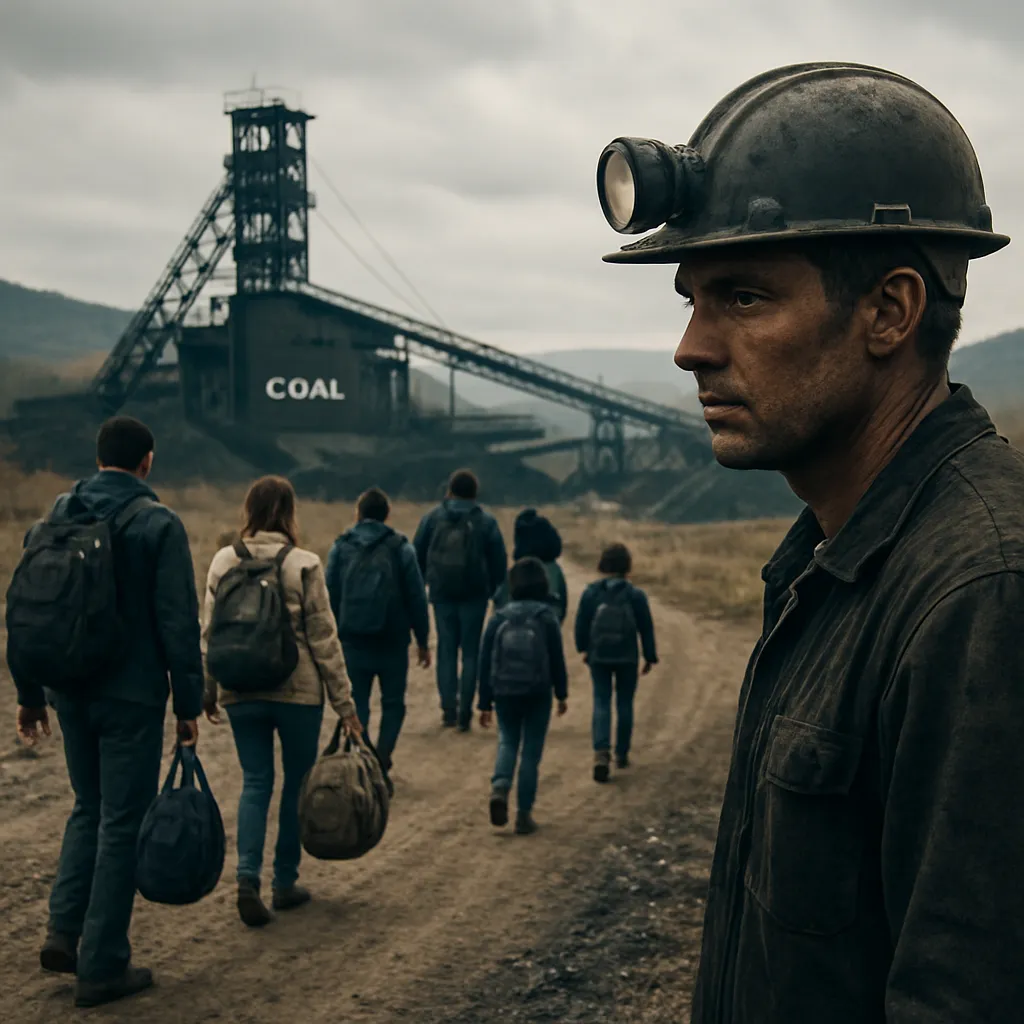
The role of energy sources like coal remains a subject of intense debate and analysis. As one of the oldest and most abundant fossil fuels, coal has powered industries, shaped economies, and influenced geopolitics for centuries. Understanding the nuances of different coal types, the dynamics of the global coal stock market, and the emerging environmental challenges is crucial for policymakers, investors, and industry stakeholders alike.
Nature and Composition of Coal
Formation and Classification
Coal forms over millions of years from the accumulation and compression of plant material in swampy environments. The resulting rock undergoes geological heat and pressure, transforming into various ranks. Peat represents the earliest stage, followed by lignite, sub-bituminous, bituminous, and finally anthracite. Each rank exhibits distinct properties in terms of carbon content, moisture, and calorific value.
- Peat: Very high moisture, low fuel value.
- Lignite: Brown coal, soft, used for low-grade power generation.
- Sub-bituminous and bituminous: Widely used for electricity and industrial processes.
- Anthracite: Highest carbon concentration, premium quality.
Chemical Characteristics
Coal’s utility hinges on its chemical composition, primarily carbon, hydrogen, oxygen, sulfur, and nitrogen. Proximate analysis measures moisture, ash, volatile matter, and fixed carbon. Ultimate analysis determines elemental percentages. High fixed carbon and low ash content signify superior performance. Coal with elevated sulfur emissions can produce acid rain, driving the need for clean-up technologies like flue gas desulfurization.
Distinguishing Thermal Coal from Coking Coal
Applications and End Uses
Thermal coal, often called steam coal, is combusted in power plants to generate electricity. Its affordability and widespread availability make it a backbone of baseload power in many emerging economies. In contrast, metallurgical coal, or coking coal, is essential for steel production. When heated in the absence of air, it yields coke—a porous, high-carbon material that serves as both a reducing agent and heat source in blast furnaces.
Quality Metrics and Specifications
Several metrics differentiate the two types:
- Metallurgical Index: Measures swelling and caking properties for coke quality.
- Gross Calorific Value (GCV): Indicates the energy output per unit mass for combustion.
- Ash Fusion Temperature: Critical for minimizing clinker formation in furnaces.
- Sulfur and Phosphorus Levels: Key factors for steel purity and environmental compliance.
While thermal coal can tolerate higher ash content, coking coal demands stringent specifications to ensure mechanical strength and reactivity. The price of coking coal often eclipses that of thermal coal due to its scarcity and technical importance in metallurgy.
The Coal Stock Market and Investment Considerations
Major Players and Indices
Leading coal producers include state-owned giants and diversified mining groups. Key exchanges such as the New York Stock Exchange (NYSE) and the Australian Securities Exchange (ASX) host shares of companies like Peabody Energy, Glencore, BHP, and Coal India. Commodity indices track coal futures, providing benchmarks for spot and forward pricing. Those tools guide portfolio managers in assessing volatility, supply-demand balances, and seasonal fluctuations.
Risks and Opportunities
Investing in coal stocks entails unique challenges:
- Regulatory Shifts: Emission caps and carbon pricing can erode margins.
- Technological Disruption: Renewable innovation threatens coal’s market share.
- Geopolitical Risk: Export restrictions and trade disputes can distort supply.
- Operational Hazards: Mining accidents and labor disputes pose continuity risks.
Nevertheless, pockets of opportunity persist. Countries with burgeoning energy demand and limited alternatives still rely heavily on coal. Companies investing in carbon capture, utilization, and storage (CCUS) technologies may secure a competitive edge. For diversified portfolios, combining coal equities with other energy assets can mitigate sector-specific volatility.
Environmental and Technological Trends
Cleaner Combustion and Carbon Capture
Environmental regulations have spurred advancements in clean coal technologies. Supercritical and ultra-supercritical power plants achieve higher thermal efficiency by operating at elevated temperatures and pressures. Integrated gasification combined cycle (IGCC) systems convert coal into synthetic gas before combustion, facilitating easier pollutant removal. CCUS initiatives capture CO₂ emissions and either store them underground or repurpose them for industrial applications.
Future Outlook
The global energy landscape is evolving toward decarbonization and sustainability. Nonetheless, coal is projected to remain a significant carbon source through mid-century, especially in Asia-Pacific regions. Transition strategies often emphasize diversification, blending coal with natural gas, renewables, and nuclear. Policymakers must balance energy security, affordability, and environmental goals. Industry players that adapt by integrating cleaner technologies and exploring alternative business models are likely to thrive amid shifting dynamics.