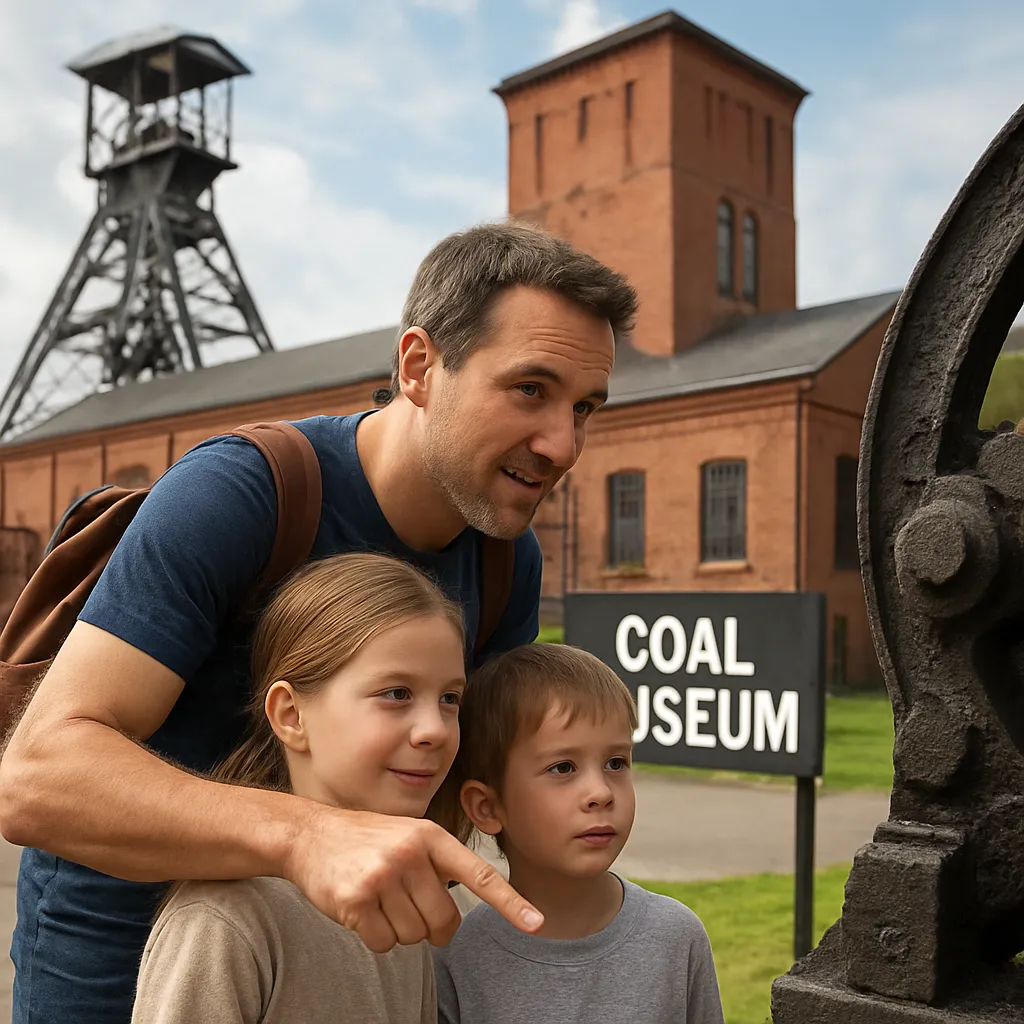
This exploration delves into the complex landscape of the just transition for coal workers, examining market pressures, environmental challenges, and strategies for uplifting affected communities. By analyzing the performance of coal and coal stocks, as well as emerging models for economic diversification, stakeholders can chart a path toward a more sustainability-driven future.
Economic Forces Shaping Coal and Coal Stocks
Global demand for coal has long been fueled by industrial growth and energy needs in major economies. However, factors such as regulatory changes, technological advancements, and shifting consumer preferences are reshaping the investment landscape:
- Regulatory Pressure: Stricter emissions standards and carbon pricing in regions like the European Union reduce profitability.
- Cost Competition: Natural gas, solar, and wind power have become increasingly cost-effective, undercutting coal-fired generation.
- Market Sentiment: ESG (Environmental, Social, Governance) criteria drive institutional investors away from carbon-intensive assets.
These trends exert downward pressure on share prices of major mining companies. From publicly traded giants to smaller operators, many face declining returns. Yet, volatility can also create buying opportunities for investors who anticipate policy reversals or technological breakthroughs in carbon capture.
Price Drivers and Volatility
Coal markets are uniquely sensitive to:
- Supply Disruptions: Labor strikes, mine closures, and geopolitical tensions can cause sudden price spikes.
- Global Trade Flows: Demand from emerging markets in Asia often offsets declines in Western consumption.
- Currency Fluctuations: Stronger domestic currencies can make exports less competitive, affecting stock valuations.
Role of Derivatives and Speculation
Futures contracts and options tied to thermal coal futures introduce additional layers of resilience and risk. Short-term traders capitalize on price swings, while long-term investors must navigate hedging costs and margin calls, influencing both spot prices and the balance sheets of mining firms.
Environmental and Social Dimensions of Coal Transition
Beyond market mechanics, the human and ecological costs of coal extraction and combustion are profound. Regions dependent on mining confront job losses, health challenges, and environmental degradation. Addressing these impacts requires a holistic approach:
- Public Health Initiatives: Reducing respiratory diseases linked to particulate emissions.
- Land Reclamation: Restoring ecosystems damaged by strip mining and waste rock.
- Community Engagement: Involving local stakeholders in planning and decision-making.
Employment Shifts and Skill Development
As mines shut down, workers need pathways to new sectors. Programs focused on vocational training in renewable energy, information technology, and advanced manufacturing can facilitate reemployment. Governments and corporations can partner to offer apprenticeships, ensuring former miners can adapt to changing labor markets.
Environmental Remediation and Legacy
Mountaintop removal, acid mine drainage, and soil contamination leave long-term scars. Funding for remediation often originates from litigation settlements, environmental bonds, or special levies on mining companies. Successful restoration projects can create green spaces, boost tourism, and foster community pride.
The Financial Landscape: Coal Stocks in Focus
Investors track metrics such as EBITDA margins, free cash flow, and debt-to-equity ratios to gauge the health of coal companies. In recent years, a few key dynamics have dominated:
- Balance Sheet Strength: Firms with low leverage weather market downturns more easily.
- Green Financing: Some miners issue sustainability-linked bonds, tying interest rates to emission targets.
- M&A Activity: Consolidation can yield economies of scale but may also attract antitrust scrutiny.
Case Studies of Notable Coal Stocks
Major players like Peabody Energy and Glencore have undergone restructurings, spun off thermal coal divisions, or divested assets to focus on metallurgical coal for steelmaking. Meanwhile, smaller specialists often struggle to maintain liquidity, leading to frequent Chapter 11 filings.
Analyst Perspectives and Ratings
Equity research reports often assign “sell” or “underweight” ratings to coal stocks due to secular decline narratives. Yet contrarian analysts highlight scenarios where global infrastructure spending or delayed policy implementations could trigger a short-term rebound, creating tactical trading opportunities.
Strategies for a Just Transition
Ensuring that workers and investors are not left behind demands coordinated efforts across public and private sectors. Key components include:
Targeted Policy Support
- Wage Subsidies and Unemployment Benefits: Cushioning income shocks for displaced workers.
- Tax Incentives: Encouraging innovation in low-carbon technologies and setting up green manufacturing hubs in former mining regions.
- Community Funds: Establishing endowments financed by mining royalties to support education, healthcare, and entrepreneurship.
Promoting Economic Diversification
Diversification reduces dependence on a single industry. Alternatives might include:
- Clean Energy Projects: Solar farms, wind parks, and battery manufacturing plants.
- Agritech and Forestry: Agroforestry initiatives and bioenergy crops on reclaimed land.
- Tourism and Recreation: Developing hiking trails, heritage museums, or wellness retreats.
Financial Instruments and Partnerships
Innovative financing mechanisms can accelerate the shift from coal:
- Green Bonds: Issuers commit to using proceeds for decarbonization efforts.
- Public-Private Partnerships: Collaborative ventures where government guarantees reduce investor risk.
- Worker Cooperatives: Employee-owned enterprises in renewable energy or light manufacturing bolster local ownership.
Empowering Local Actors
Engagement at the grassroots level fosters trust and ownership. Strategies include:
- Participatory Budgeting: Allowing residents to decide on community spending priorities.
- Skills Councils: Joint labor-management bodies that design curricula aligned with future industries.
- Microfinance and Seed Grants: Catalyzing small businesses launched by former miners and entrepreneurs.
While no single solution fits every region, combining financial innovation, proactive policy, and community-driven initiatives can create a resilient framework for those affected by coal’s decline. By aligning market forces with social objectives, a truly sustainable and equitable transition becomes attainable—one that balances environmental imperatives with the livelihoods of workers and investors alike.