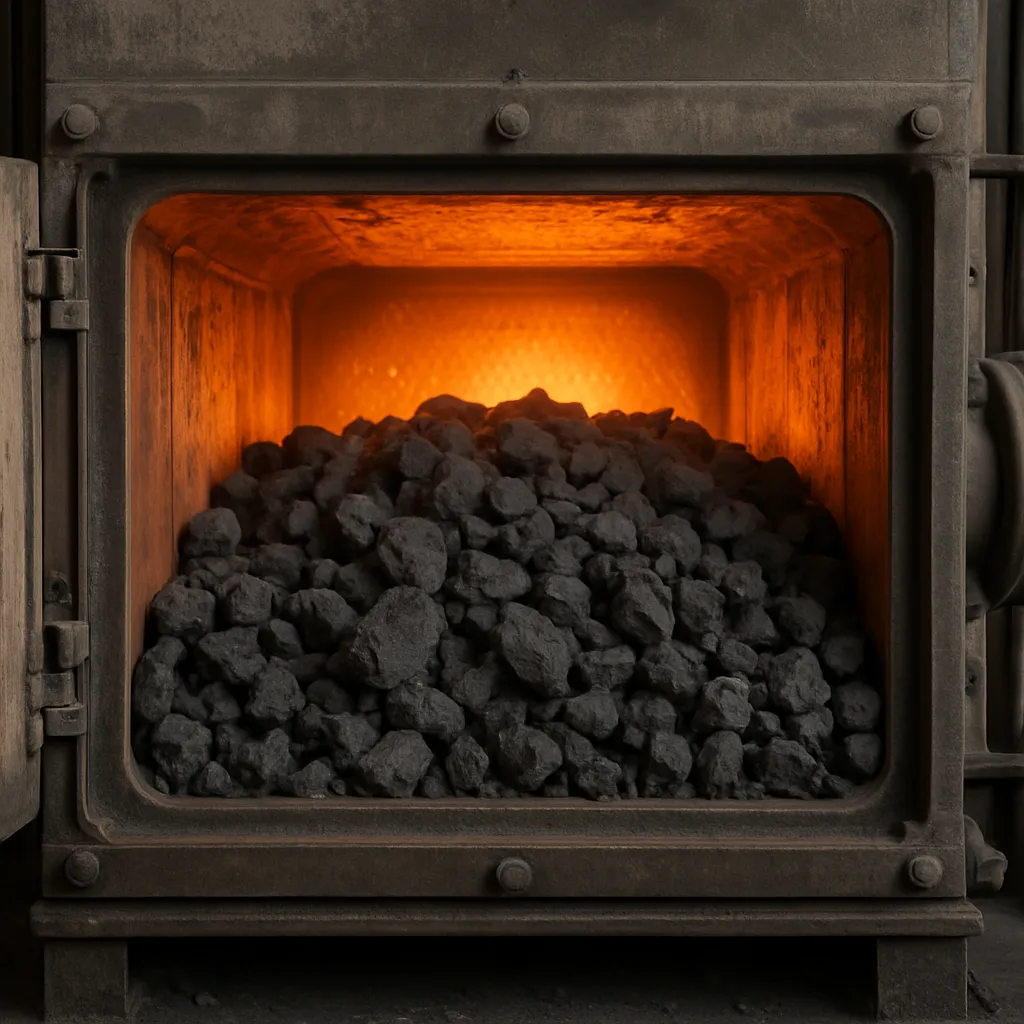
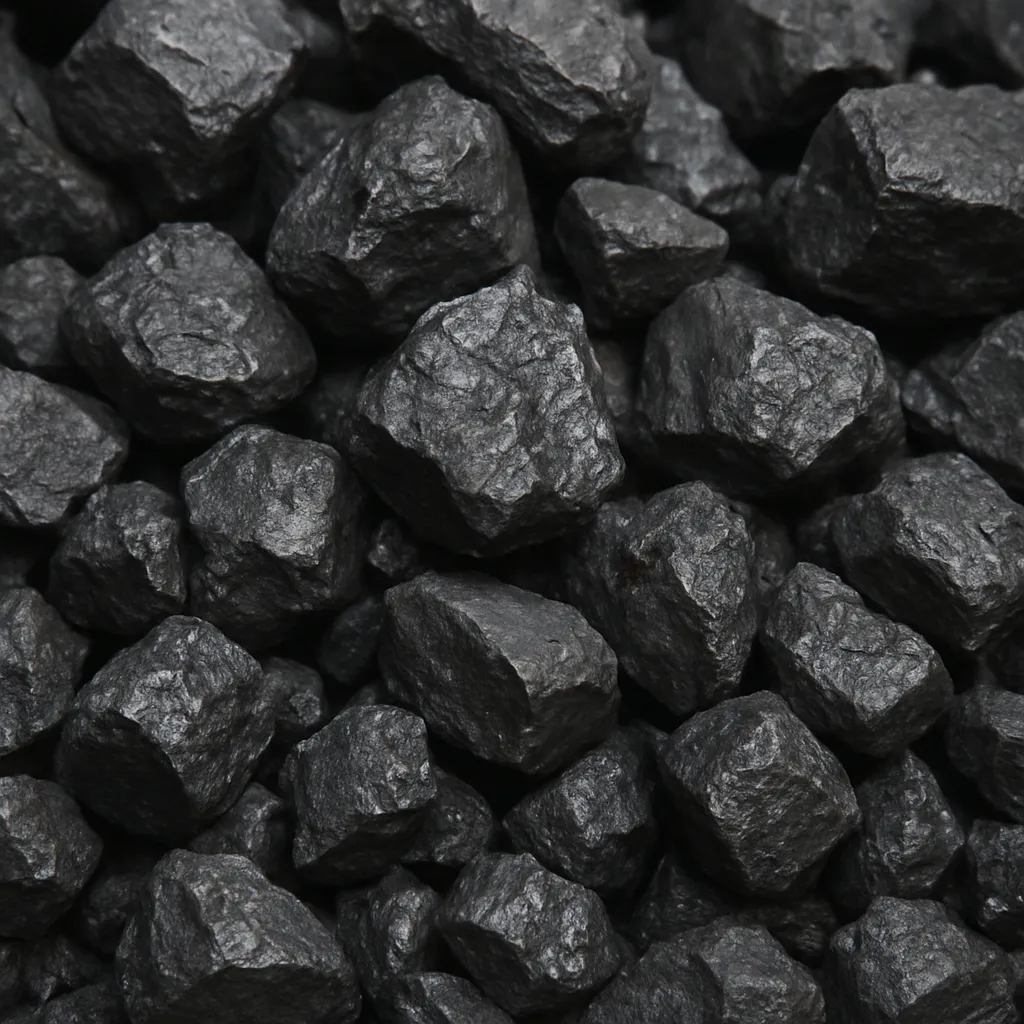
Enriched coal — a term often used to describe coal that has undergone physical and/or chemical processing to improve its quality — plays a complex role in the modern energy and industrial landscape. This article examines what enriched coal is, how it is produced, where the feedstock originates, the global patterns of mining and trade, economic and statistical insights, industrial applications, environmental trade-offs, and prospects for technology and policy. The aim is to give a comprehensive, factual overview useful for industry professionals, policy makers and informed readers.
What is enriched coal and how is it produced?
Enriched coal is not a single naturally occurring rock type but rather the product of upgrading raw mined coal to higher performance specifications. The primary goals of enrichment are to increase the calorific value, reduce ash and sulfur contents, lower moisture, and remove unwanted mineral matter so the coal burns cleaner and more efficiently. Enrichment is frequently referred to in industry as beneficiation or coal washing.
Common beneficiation methods
- Dense medium separation (DMS): Coal is separated from heavier mineral matter using media of intermediate density (e.g., magnetite slurries). Effective for coarse particles.
- Jigging: Gravity-based separation where denser impurities sink and lighter coal rises; useful for discrete particle sizes.
- Flotation: Chemical reagents make coal hydrophobic so it can be recovered from slurries; suitable for fine particles and low-rank coals.
- Hydrocyclones and spirals: Mechanical devices to classify and separate by particle density and size.
- Dry beneficiation: Emerging mechanical or air-based methods to reduce water use and treat some low-ash coals without wet processes.
- Chemical and thermal upgrading: Processes like dewatering, mild oxidation, or solvent extraction can alter coal chemistry for special applications (e.g., briquetting, gasification feedstock).
Each method targets improvements in key parameters: higher energy per mass, reduced emissions per unit energy, improved grindability for pulverized-fuel burners, and better performance in metallurgical processes for coking coal. Enrichment also creates a valuable byproduct stream — coal rejects or tailings — that requires management.
Where enriched coal comes from: geology, occurrence and major producing regions
Because enrichment is a processing step, enriched coal can originate from virtually any coal-bearing basin. The geological distribution of the raw coal determines the starting quality and thus the intensity and type of beneficiation required. Coal basins with vast reserves and a mix of thermal and metallurgical coals are the main sources of material that is later enriched for specific uses.
Major coal-producing and beneficiation regions
- China: The world’s largest coal producer and consumer. Large-scale washing and beneficiation plants are often co-located with major mining complexes, particularly in Shanxi, Inner Mongolia and Shaanxi basins. China produces a wide spectrum from low-rank lignites (often upgraded) to higher-rank bituminous coals.
- United States: Appalachian, Illinois Basin and Powder River Basin coals serve different markets. Powder River Basin coal is low in sulfur but has high moisture and is commonly dried or blended; Appalachian coals are often washed for power plants and metallurgical uses.
- India: Significant domestic beneficiation activity to reduce ash in locally mined coals, with washing plants near major mines to meet power plant specifications.
- Australia: World-leading exporter of both thermal and metallurgical coals. Many export coals are washed and blended to meet premium specifications demanded by steelmakers and utilities in Asia.
- Russia and Indonesia: Large exporters of thermal coal; beneficiation is used to adjust product quality for international markets.
- South Africa: Home to both thermal and metallurgical coal; beneficiation supports metallurgical uses and export quality control.
Local geology influences the ease of enrichment: some coal seams contain high levels of rock and mineral intrusions leading to high ash yields and strong need for washing; other seams are inherently purer and require only minor processing. In addition, many mines operate central coal preparation plants (CCPPs) that combine several beneficiation steps.
Economic and statistical overview
Coal remains a major global commodity despite long-term trends toward decarbonization in some regions. Enrichment adds value by transforming lower-grade mined coal into higher-priced product streams suitable for specific markets — most notably coking coal for steelmaking and premium low-ash thermal coal for power generation or export.
Global production and reserves
- Global coal production in recent years has remained in the multiple billions of tonnes per year. Major producing countries include China, India, the United States, Australia, Indonesia and Russia.
- Proven global coal reserves are commonly estimated at more than one trillion tonnes. At current consumption rates this equates to many decades of supply, though the distribution of reserves and cost of extraction vary widely.
- Enriched coal commands a price premium compared with raw high-ash or high-sulfur coals because end-users pay for predictable performance and lower emission control costs.
Trade patterns and market drivers
Australia and Indonesia are major exporters of enriched and non-enriched thermal coals; Australia is a dominant supplier of high-quality metallurgical coal. China and India, with large domestic demands, import selectively to fill quality or supply gaps. International markets reward product consistency, which encourages washing, blending and contractual specifications that favor enriched coal products.
- Price volatility: Coal prices are subject to geopolitical events, currency fluctuations, freight rates and shifts in energy policy. Periods of tight supply can sharply increase the premium for low-ash, low-sulfur coals.
- Value capture: Producers that invest in beneficiation and quality control can often access higher-margin markets (metallurgical coal, premium thermal coal contracts).
- Logistics and blending: Enrichment reduces variability, enabling more precise blending and freight optimization in seaborne markets.
Industrial significance and applications
Enriched coal finds use across a wide range of industries because quality improvements translate into operational advantages: higher thermal efficiency, fewer fouling and corrosion problems, and lower emissions of particulates and sulfur oxides per unit of energy.
Power generation
- Power plants benefit from enriched coal’s higher calorific value and lower ash for improved boiler efficiency and reduced maintenance down-time.
- Lower sulfur and ash content can reduce costs associated with flue gas desulfurization (FGD), particulate control systems and ash handling.
Steel and metallurgical industry
- Coking coal or metallurgical coal is typically upgraded to meet coke-making specifications. Enrichment is critical to produce strong, low-impurity coke for blast furnaces.
- Consistent coal blends are essential for predictable coke quality, minimizing impurities like phosphorus and alkali metals which harm steelmaking processes.
Chemicals, gasification and specialty products
- Coal-to-liquids (CTL) and coal gasification pathways require relatively clean feedstock for process efficiency and to reduce downstream cleanup costs.
- Activated carbon, carbon fibers and other specialty carbon products can be produced from selected enriched coals that meet strict feedstock criteria.
Environmental and social considerations
Enrichment reduces some environmental burdens at the combustion stage by lowering emissions intensity per energy unit, but it also creates environmental and social challenges primarily associated with the beneficiation process itself.
Benefits at combustion
- Lower SO2 and particulate emissions per MWh generated, when compared to unwashed, high-sulfur coals.
- Improved combustion efficiency reduces CO2 emissions per unit of energy, though total lifecycle emissions remain significant.
Environmental impacts of beneficiation
- Water use: Wet washing processes require significant water volumes, potentially stressing local water resources.
- Tailings and slurry: Coal wash plants produce fine tailings that must be managed safely to prevent contamination of soils and waterways; legacy tailings ponds have been associated with catastrophic failures in some regions.
- Energy consumption: Drying and thermal upgrading consume energy and increase the lifecycle carbon footprint unless powered by low-carbon sources.
Social and regulatory factors
Community expectations and regulations increasingly shape how enrichment plants operate. Stringent discharge limits, requirements for tailings containment, and water management regulations raise capital and operating costs. Conversely, policies that price carbon or incentivize lower-emission fuels can increase the relative attractiveness of enriched, lower-emission coals.
Technological innovations and future outlook
The future of enriched coal is closely tied to broader energy transitions, decarbonization pathways and technological progress. Several trends are shaping the near- and medium-term outlook.
Improved beneficiation and dry technologies
- Research into dry beneficiation, triboelectric separation, and advanced sensor-based sorting aims to reduce water use and the volume of tailings while improving recovery of fine coal fractions.
- Integration of real-time sensors and automation improves product consistency and reduces energy use in preparation plants.
Integration with decarbonization strategies
- Carbon capture and storage (CCS): Co-locating beneficiation and CCS-equipped power or gasification plants could retain some industrial uses of coal in a lower-carbon system, though costs and infrastructure remain barriers.
- Hybrid systems: Blending enriched coal with biomass or co-firing in modified boilers reduces net carbon intensity of power generation.
Circular economy and tailings valorization
- Innovations to extract rare minerals from tailings or repurpose tailings for construction materials can reduce waste volumes and create secondary revenue streams.
- Improved tailings dewatering and dry stacking technologies enhance safety and reduce environmental risk.
Statistical snapshot and illustrative figures
Below are indicative, context-setting figures to illustrate scale and trends. Because coal markets are volatile and data are updated annually, the numbers are presented as approximate ranges and examples rather than precise current values.
- Global coal production: multiple billion tonnes per year. Leading producers — China (roughly one-third of global output), India, the United States, Indonesia, Australia and Russia — together account for the lion’s share of production.
- Proven global coal reserves: on the order of >1 trillion tonnes — a multi-decade supply at current consumption levels, though regional distributions vary widely.
- Export volumes: Australia, Indonesia and Russia dominate seaborne thermal and metallurgical coal exports, with Australia a leading exporter of metallurgical coals used after beneficiation.
- Price signals: Premiums for low-ash, low-sulfur coals can be substantial during tight supply or quality-constrained periods. Spot and contract markets for metallurgical coal typically show higher price volatility than large thermal coal contracts due to specialized quality requirements.
Practical considerations for stakeholders
For mining companies, utilities and industrial consumers, decisions around enriched coal involve trade-offs among cost, environmental performance and supply security.
For producers
- Investing in beneficiation can unlock higher-value markets but requires capital expenditure and ongoing operating costs for water treatment and tailings management.
- Producers near export routes often benefit most from enrichment investments because international buyers demand consistent quality.
For consumers
- Utilities weigh the benefits of lower emission intensity and reduced maintenance costs against the higher delivered cost of enriched coal.
- Steelmakers rely on consistent metallurgical coal quality; enriched coal is often indispensable for modern blast furnace operations unless alternative iron-making routes are adopted.
Concluding outlook
Enriched coal occupies an important niche in the contemporary energy and industrial complex: it mitigates some environmental harms of raw coal use, unlocks premium markets and supports critical sectors such as steelmaking. At the same time, beneficiation poses environmental and water-management challenges that must be mitigated through technology, regulation and best practices. The long-term role of enriched coal will be shaped by market dynamics, advances in enrichment and waste management technologies, and the pace at which low-carbon alternatives for electricity and steel emerge at scale.
In short, enriched coal remains economically and technically relevant today, particularly in regions where coal continues to provide reliable and affordable energy or where metallurgical coal is essential. Its future significance will depend on how industry, regulators and communities balance the benefits of higher-quality coal against environmental imperatives and the transition to lower-carbon industrial processes.