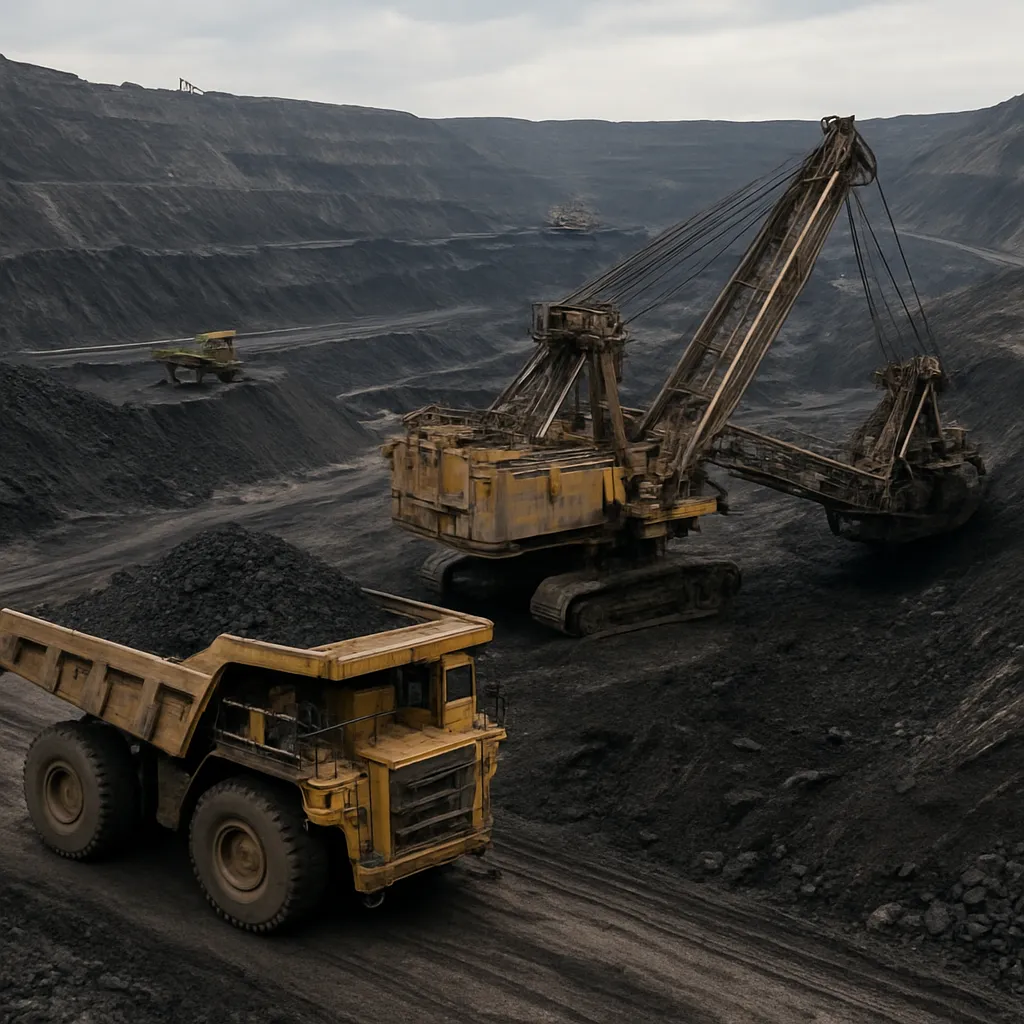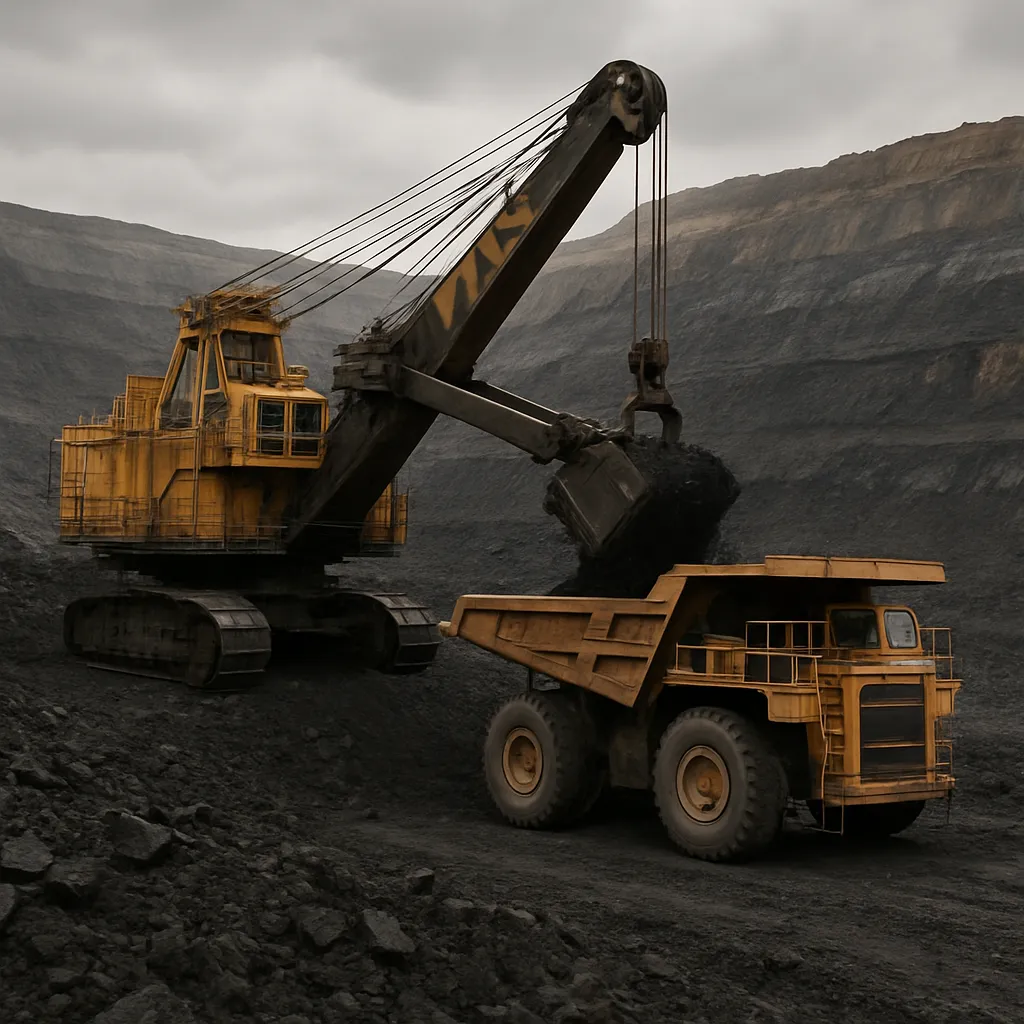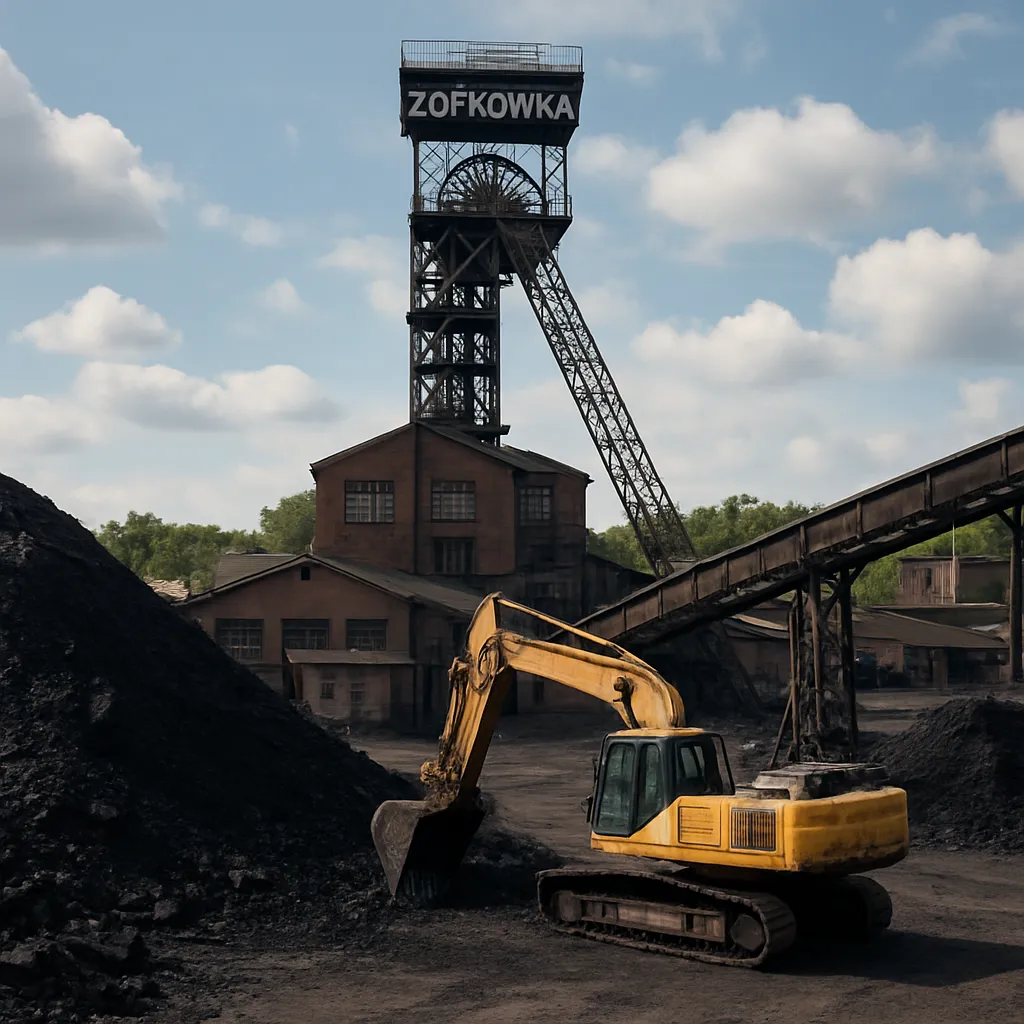
Zofiówka Coal Mine is one of the better-known underground hard coal mines in Poland, situated in the heart of the Upper Silesian Coal Basin. This article presents a comprehensive overview of the mine: its location and geology, the types of coal extracted, operational techniques, economic and social role, environmental and safety challenges, and current trends and statistics. The aim is to offer a detailed, balanced portrait suitable for readers interested in mining, regional development, energy markets, and industrial heritage.
Location and geological setting
Zofiówka Coal Mine is located in the city of Jastrzębie-Zdrój, in the Silesian Voivodeship of southern Poland. The mine lies within the Upper Silesian Coal Basin, one of Europe’s most important and historically exploited coal-bearing regions. The geological structure is characterized by multiple coal seams of Carboniferous age, folded and faulted by long tectonic processes. These conditions create both opportunities and challenges: while the basin contains extensive and high-quality coal layers, complex faulting and variable seam geometry complicate extraction and increase technical demands.
Typical mining horizons at Zofiówka are located at depths of several hundred meters; mining levels and workings may extend into deeper horizons depending on the development of shafts and ventilation systems. The deposit hosts seams that are primarily valued for their application in metallurgical processes and other industrial uses rather than solely for thermal power generation.
What is mined: coal type and quality
Zofiówka is principally known for producing hard coal of the coking (metallurgical) quality, although mines in the region often extract a mix of coal grades that may include both coking and steam (thermal) coals. Coking coal, sometimes called metallurgical coal, is the key raw material in blast furnace ironmaking and in coke plants. The value of coal from Zofiówka is largely connected to its suitability for the steel industry, its rank, and its petrographic properties that influence coke strength, reactivity, and ash content.
Coal quality parameters that are typically important for mines like Zofiówka include calorific value, volatile matter, sulfur and ash content, and caking properties. Mines producing coking coal usually aim for low sulfur and ash with good caking characteristics — factors that affect pricing and market access. While specific seam names and laboratory grades may vary, the mine’s product portfolio has historically served both domestic industrial consumers and export markets where high-quality metallurgical coal is demanded.
Mining methods, infrastructure and technology
Zofiówka operates as an underground longwall mine, a method widely used across the Upper Silesian Coal Basin. Longwall mining entails advancing a mechanized shearer along a face where the coal seam is supported by powered roof supports; after the face passes, the roof is allowed to collapse in a controlled manner over the void. This technique allows high recovery rates and mechanized productivity but requires sophisticated ventilation, conveyor systems, and continuous face maintenance.
- Production systems: typically longwall faces combined with development headings and gate roads.
- Servicing infrastructure: shafts for hoisting coal and personnel, underground rail or conveyor belts, ventilation and methane drainage systems.
- Safety and monitoring: seismic monitoring, methane and gas sensors, and automated control systems for face operations.
Modernization and mechanization investments at mines like Zofiówka are aimed at increasing recovery, reducing unit costs, and improving safety. Coal preparation plants and screening facilities on-site sort coal into saleable grades. In recent decades there has been increased emphasis on methane capture and use, water inflow management, and digitalization of monitoring systems to reduce operational risks.
Economic and social significance
The Zofiówka Coal Mine plays an important role in the regional economy of Jastrzębie-Zdrój and the wider Silesian area. As part of the industrial fabric of Upper Silesia, the mine contributes to employment, supplier networks, and municipal revenues. Historically, mining towns like Jastrzębie-Zdrój developed with coal as their economic backbone, and even as economies diversify, the mine remains a significant local employer and taxpayer.
On the national level, Zofiówka contributes to Poland’s supply of metallurgical coal, which is a strategic input for domestic steelmakers. The mine’s output supports not only direct jobs underground and in surface operations, but also indirect employment in transport, equipment services, construction, and local commerce. Wages and benefits paid by mining companies are often a major component of household incomes in mining municipalities.
The mine’s economic footprint extends to export earnings when coking coal is sold to buyers abroad. Prices for metallurgical coal are closely tied to global steel demand, coking coal availability, and logistics costs; therefore, miners in Poland must balance extraction costs and market fluctuations to remain competitive.
Statistical profile and production data
Exact annual production, reserve estimates, and workforce numbers at Zofiówka vary by year and reporting source. Publicly available reports from mining companies and government agencies provide the best source for precise, current figures. In general terms:
- Production scale: Zofiówka is a medium-to-large underground mine in Polish terms, with annual output commonly measured in the low millions of tonnes. Annual tonnage has fluctuated with market conditions and operational changes.
- Reserves: remaining economically recoverable reserves in wells of the Upper Silesian Basin are often reported in the tens to hundreds of millions of tonnes across the basin; at the level of a single mine like Zofiówka, reserves suitable for planned extraction are typically in the multi-million tonne range, though these figures depend on geological reassessment and economic parameters.
- Employment: the workforce at a functioning underground mine of Zofiówka’s scale typically numbers in the thousands, including underground miners, surface staff, engineers, and administrative personnel. Contract and supplier employees add to the total employment impact.
- Financial: revenue and profitability depend on coal prices and operating costs. As a supplier of metallurgical coal, the mine’s revenue profile is sensitive to global steel markets and long-term contracts with industrial consumers.
For precise annual statistics (tonnes mined, headcount, reserves, sales volumes and export destinations), it is recommended to consult the owner’s annual reports and national statistical publications. Companies in Poland regularly publish production data and health-and-safety results as part of corporate reporting.
Safety record and major incidents
Underground coal mining in the Upper Silesian basin is associated with inherent hazards: methane accumulation, rockbursts, sudden inrushes of water, and roof falls. Over the decades, Zofiówka and neighboring mines have faced these challenges. Notable incidents have prompted regulatory scrutiny, reviews of safety procedures, and investments in monitoring and prevention systems.
In response to accidents and the recognized risk profile of deep hard-coal mines, operators have implemented a range of measures, including:
- Enhanced methane drainage and ventilation systems to reduce explosive mixtures.
- Seismic and geotechnical monitoring to detect rockburst-prone zones.
- Rapid rescue capabilities and specialized emergency response teams trained for underground operations.
- Continuous training and procedural audits to strengthen workplace safety culture.
These steps help mitigate risks, but mining remains a high-hazard industry, and continuous vigilance, investment, and modernization are essential to protect workers and limit disruptions.
Environmental impact and remediation
Coal mining affects the environment in multiple ways: land subsidence, alteration of groundwater flows, emissions from surface plants, and spoil and tailings management. Zofiówka, like other deep mines in the region, must address:
- Subsidence management: controlled collapse in longwall mining can cause surface deformation requiring monitoring and mitigation to protect buildings and infrastructure.
- Water management: preventing contamination of aquifers and managing mine water discharge are continual operational tasks.
- Methane emissions: capturing and utilizing methane reduces greenhouse gas release and can create a fuel source for power or heating.
- Post-mining land use: reclamation projects can convert former mine sites into recreational areas, industrial zones, or restored natural habitats.
Increasingly, mines and owners are expected to demonstrate environmental stewardship through rehabilitation plans, emissions reporting, and community engagement. These responsibilities are enforced by national regulations and monitored by environmental authorities.
Role in the steel supply chain and broader markets
The significance of Zofiówka’s output extends beyond local borders because coking coal is a key input for steel production. The quality and continuity of supply from mines like Zofiówka influence coke plants and blast furnaces, which in turn affect steel production schedules and costs. Given the global nature of steel markets, producers and buyers negotiate long-term contracts while also responding to spot market movements.
Supply considerations often include logistics (rail and port access), coal washing and preparation quality, and the ability to deliver consistent product specifications. For Polish steelmakers, domestic sources of metallurgical coal reduce reliance on imports and improve supply security, although in some years imports and exports are part of strategic commercial balancing.
Community relations and socio-cultural aspects
Mining towns in Silesia possess a distinct cultural identity shaped by generations of miners and industrial communities. Zofiówka’s presence has contributed to local traditions, social infrastructure, and educational opportunities tied to mining professions. Community relations typically encompass:
- Support for local schools, sports clubs, and cultural events.
- Investment in municipal infrastructure and public services.
- Programs to assist workers in retraining or transition as industry evolves.
- Dialogue with local authorities and residents about environmental and safety concerns.
Maintaining social license to operate requires ongoing engagement, transparent communication, and meaningful investment in community development.
Challenges and future prospects
The future of Zofiówka Coal Mine must be considered in the context of several interacting trends:
- Global decarbonization and EU climate policy put long-term pressure on fossil fuel use and increase incentives for alternative steelmaking technologies (e.g., electric arc furnaces using scrap, hydrogen-based reduction).
- Market volatility in metallurgical coal prices can affect profitability and investment appetite.
- Technological modernization — automation, remote operations, and improved methane capture — can reduce costs and enhance safety but require capital expenditure.
- Workforce dynamics: aging workforces, the need for new technical competencies, and social expectations around employment stability pose management challenges.
Potential avenues for the mine’s future include adaptation to changing steelmaking demand (supplying specific coke-quality coals), participation in methane utilization projects, and collaboration on regional economic diversification initiatives that balance legacy mining jobs with emerging sectors.
Interesting facts and contextual notes
- Silesia remains a historically central region for Polish heavy industry; mines like Zofiówka are part of that legacy.
- Metallurgical coal commands a premium over thermal coal because of its specific role in steelmaking; therefore, mines producing coking coal play a strategic role in industrial supply chains.
- Modern mines increasingly deploy sensors, digital mapping, and automated machinery to increase productivity and safety while coping with deeper, more complex seams.
- Investment cycles in mining are long: planning, permitting and development of underground panels can take years, so strategic decisions are influenced by multi-year market outlooks.
Where to find official data and further reading
For precise, up-to-date figures on production volumes, reserves, workforce numbers, financials and safety performance of Zofiówka Coal Mine, consult the following types of sources:
- Annual reports and investor presentations published by the mine’s owner or operator.
- Polish national statistics agencies and ministries responsible for energy and mining, which publish sector-wide and mine-level data.
- Academic and industry studies on the Upper Silesian Coal Basin that discuss geology and long-term resource assessments.
- Local government publications and community reports that outline socio-economic impacts and development plans.
Note: figures and operational details can change with new investments, regulatory adjustments, and market developments, so always verify with the most recent corporate or governmental publications.