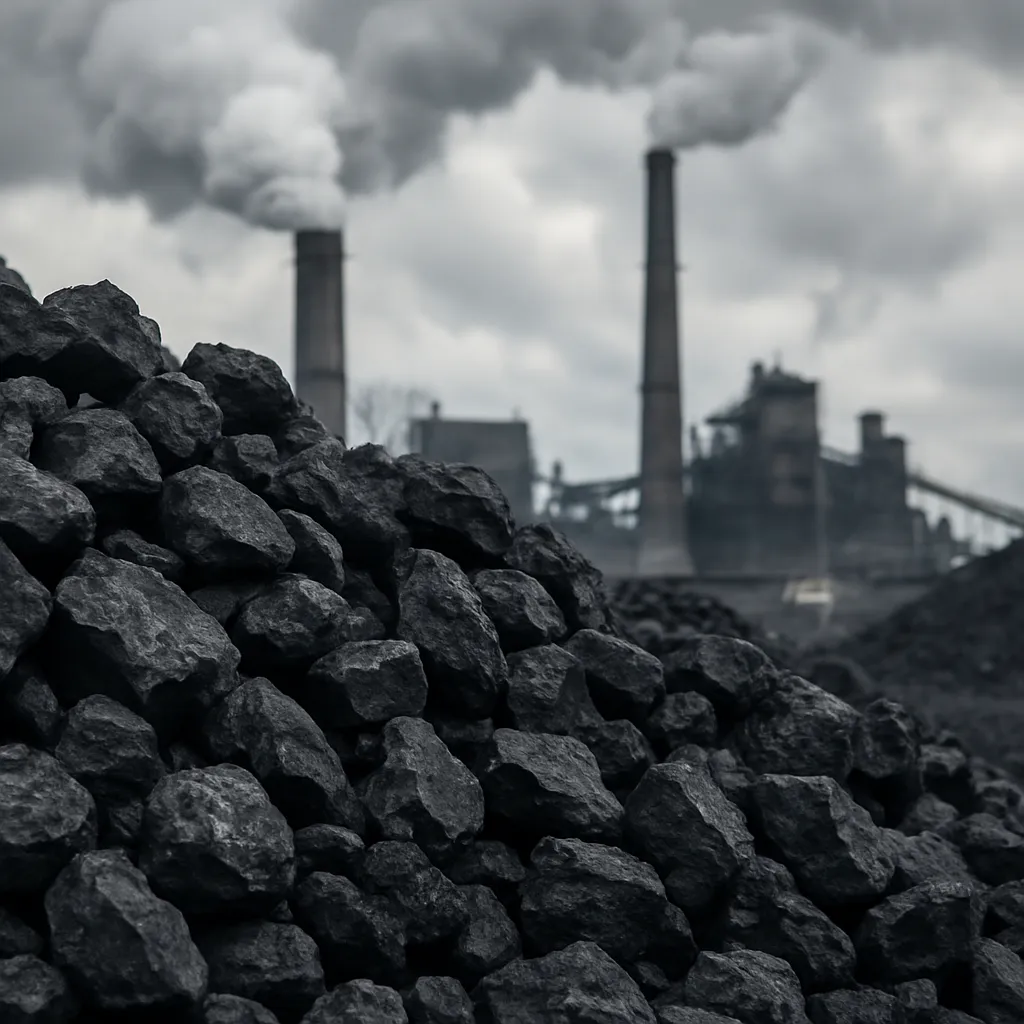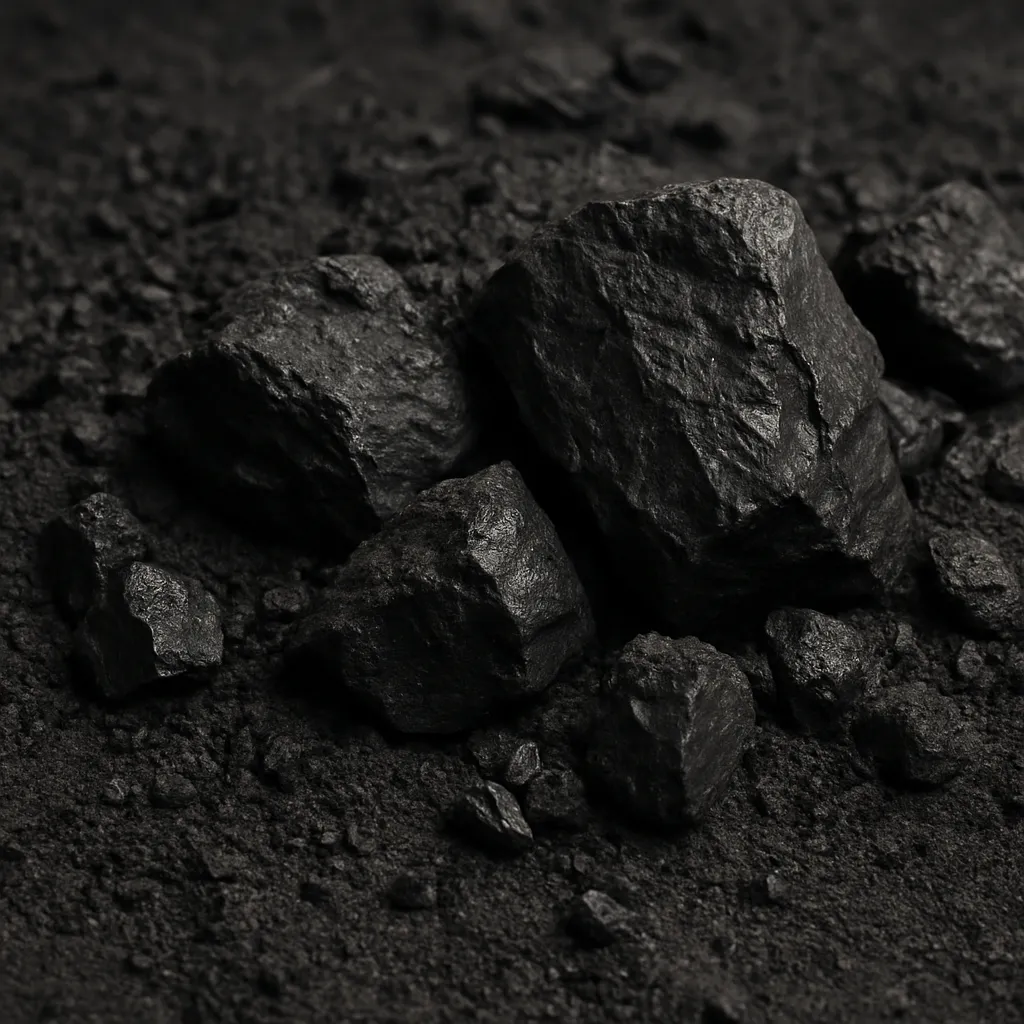
The following article explores the subject of coal and coal dust from geological occurrence to industrial applications, economic significance, and health and environmental implications. Coal remains one of the world’s most important energy resources and raw materials for industry despite shifting global energy trends. This text examines where coal is found and mined, how it is processed and traded, key statistical trends, the particular hazards and uses of coal dust, and the broader role of coal in contemporary economies.
Geology and Global Occurrence of Coal
Coal is a sedimentary rock formed by the accumulation and transformation of plant material in swampy, oxygen-poor environments over geological time. The main types of coal—lignite, sub-bituminous, bituminous, and anthracite—represent increasing degrees of carbon concentration and energy content resulting from burial depth and thermal maturation. Coal-bearing strata typically date from the Carboniferous period (about 359–299 million years ago) but occur in younger formations as well, often associated with terrestrial basins where ancient vegetation accumulated.
Coal deposits are found on every inhabited continent. Large, economically important deposits occur in:
- Asia: especially in the vast basins of China and India;
- North America: major deposits in the United States and Canada;
- Oceania: significant coalfields in Australia (Queensland, New South Wales);
- Europe: Poland, Germany, Russia and Ukraine host large deposits;
- South America and Africa: notable basins in Colombia, South Africa, and parts of Brazil.
Coal occurs both as near-surface seams amenable to surface mining and deep seams requiring underground methods. The resource’s geographic distribution determines global trade patterns: countries lacking domestic resources import thermal coal for power generation, metallurgical coal (coking coal) for steelmaking, or both.
Extraction, Processing and the Nature of Coal Dust
Coal is extracted using two principal approaches depending on seam depth, geology, and economic considerations: surface (open-pit) mining and underground mining. Surface mining methods, including longwall strip and open-cut techniques, are widely used where seams are shallow; underground methods such as room-and-pillar and longwall mining are applied to deeper reserves.
After extraction, coal typically undergoes processing steps: crushing, screening, and washing (coal preparation) to remove impurities like rock, sulfur-bearing minerals, and ash-forming material. Washed coal yields higher heating value and lower emissions during combustion. Further preparation can include pulverizing coal into a fine powder for pulverized coal combustion systems in power plants.
Coal dust arises at many points in the coal value chain: during drilling and blasting in mines, during crushing and screening in preparation plants, during transportation and handling, and inside combustion systems where coal is ground to a fine powder. Coal dust particles vary widely in size and composition, and their behavior and risks depend on particle size distribution and the presence of volatile compounds.
Key technical and safety attributes of coal dust include:
- Explosivity: Fine coal dust dispersed in air can form explosive mixtures; dust explosions have historically caused major mining disasters;
- Respirable fraction: Particles small enough to reach the deep lung pose significant occupational health risks;
- Combustion behavior: Pulverized coal burns rapidly and efficiently in controlled combustion chambers but poses safety risks when uncontrolled;
- Handling issues: Dust generation complicates logistics and requires dust suppression, sealing, and filtration measures.
Economic Importance and Global Statistics
Coal remains a cornerstone of global energy supply and a critical feedstock for several industries. Despite growth in renewables, coal continues to supply a large share of electricity and industrial heat in many countries. Below are key statistical snapshots and trade patterns, presented as approximate values (rounded), reflecting recent data trends up to the mid-2020s.
Production and Consumption
- Global coal production: approximately 8.0–8.5 billion tonnes per year in the early 2020s, with variations driven by economic cycles, weather, and energy policy changes.
- Leading producers by volume: China (largest producer and consumer, several billion tonnes annually), India (several hundred million to around 1 billion tonnes), Indonesia, the United States, and Australia—each contributing hundreds of millions of tonnes.
- Global coal consumption closely follows production; major consumers include China, India, the United States, and parts of Southeast Asia and Europe.
Reserves and Lifetime
Estimated recoverable coal reserves worldwide are on the order of several centuries at current consumption rates if all reserves were economically and environmentally accessible. Common estimates of proven coal reserves range roughly around 1,000 billion tonnes (1 trillion tonnes) globally, though recoverability and definitions vary by reporting agency and country. The concept of “reserves” differs from “resources”—reserves are economically extractable under current conditions; resources are the total geological occurrence.
Trade and Major Exporters/Importers
- Top exporters: Australia, Indonesia, Russia, the United States, and Colombia. Australia and Indonesia dominate seaborne thermal coal exports; Australia is the larger supplier of metallurgical (coking) coal for steelmaking.
- Top importers: China (despite large domestic supply, it imports higher-quality coking coal and thermal coal for coastal power plants), India, Japan, South Korea, and the European Union collectively.
- Price dynamics: Coal prices are volatile, influenced by supply disruptions, shipping costs, policy shifts (e.g., carbon pricing), and seasonal demand. Major price spikes occurred in the early 2020s driven by energy market stresses and cutbacks in supply.
Role in Industry and Applications
Coal’s primary uses are thermal energy production and metallurgical processes. Key industrial applications include:
- Electricity generation: Coal-fired power plants remain a major electricity source in many countries, providing baseload and dispatchable capacity.
- Steelmaking: Coking coal (metallurgical coal) is essential for producing coke, a reducing agent and structural input in blast furnaces—making coal indispensable to traditional steel production.
- Cement and other industrial heat: Coal supplies high-temperature heat for cement kilns, chemical manufacturing, and other process industries.
- By-products and chemicals: Coal conversion and gasification yield chemicals, synthetic fuels, and feedstocks in some industrial processes.
Transitioning away from coal in power generation poses challenges due to the need to replace large, flexible capacity and to decarbonize industries like steel where alternatives (e.g., direct reduced iron using hydrogen) are still scaling up.
Environmental and Health Impacts
Coal combustion and handling generate significant environmental and public health concerns. Major impacts include:
- Greenhouse gas emissions: Coal is the most carbon-intensive major fossil fuel; global combustion of coal contributes a substantial share of CO2 emissions, driving climate change. Many analyses attribute roughly a quarter to a third of global energy-sector CO2 emissions to coal, though shares vary by year and methodology.
- Air pollution: Coal burning releases sulfur dioxide (SO2), nitrogen oxides (NOx), particulate matter (including coal dust), mercury and other heavy metals—leading to respiratory disease, acid rain, and ecosystem damage.
- Water and land impacts: Mining operations can cause habitat loss, acid mine drainage, and groundwater contamination; large-scale surface mining reshapes landscapes.
- Occupational health: Miners face risks from accidents, dust exposure (notably leading to pneumoconiosis such as black lung disease), and long-term health effects from particulate inhalation.
Regulatory frameworks and pollution-control technologies (flue gas desulfurization, selective catalytic reduction, particulate filters) have reduced some localized pollutants in developed countries, but global impacts remain significant due to ongoing heavy coal use in developing regions.
Coal Dust: Specific Risks, Uses, and Control Measures
Coal dust deserves particular attention because of its dual role as a safety hazard and an industrially useful form of the fuel. Key aspects include:
Hazards
- Dust explosions: When suspended in air at sufficient concentration and within its flammable range, coal dust can ignite and cause violent explosions. Historical mining disasters attest to the severity of this risk, especially when dust accumulates on surfaces and gets disturbed.
- Respiratory disease: The respirable fraction of coal dust can penetrate deep into the lungs, causing occupational lung diseases such as coal workers’ pneumoconiosis and progressive massive fibrosis.
- Fire propagation: In underground settings, coal dust can propagate fires beyond an initial ignition point, increasing the hazard in confined mine workings.
Control and Mitigation
Effective management of coal dust combines engineering, operational, and health measures:
- Water spray and wetted conveyors reduce airborne dust during mining, crushing, and transport;
- Sealing and ventilation control dust concentrations in underground mines;
- Dust collectors, baghouses, and electrostatic precipitators capture dust at processing plants and power stations;
- Regular housekeeping, stone dusting (in certain underground contexts), and rock dust application to inert surfaces reduce the risk of dust explosions;
- Personal protective equipment and medical surveillance help protect workers from long-term health effects.
Industrial Uses of Coal Dust
Coal dust also has intentional industrial applications: pulverized coal is used in many power plants for efficient combustion; briquetting and pelletizing use fine coal combined with binders to produce transportable fuels; and some chemical processes use finely divided coal as a feedstock for gasification or carbon products.
Economic and Social Dimensions
Coal mining and coal-fired industries support employment, local economies, and energy security in many regions. Economic and social dimensions include:
- Employment: Millions of people worldwide depend directly or indirectly on coal mining, coal transport, and coal-based industries. In some regions, coal towns have deep cultural and economic ties to the industry.
- Energy security: Domestic coal resources provide energy independence for countries with reserves, reducing reliance on imported fuels and geopolitically sensitive supply chains.
- Fiscal revenues: Governments collect royalties, taxes, and export revenues from coal production; these funds often support public services in producer regions.
- Transition challenges: Decarbonization policies and market shifts place coal-reliant communities at risk of economic dislocation unless managed transition strategies (retraining, diversification, social support) are implemented.
Trends, Policy Context and Future Outlook
The future of coal is shaped by three interacting forces: market economics, energy policy (including decarbonization commitments), and technological change.
- Market drivers: Natural gas prices, renewable energy costs, and demand for steel govern near-term coal demand. In regions where natural gas is cheap and renewables plus storage are competitive, coal-fired generation has been displaced.
- Policy drivers: Net-zero targets, carbon pricing, and air quality regulations incentivize reductions in coal use. Some countries have committed to phasing out coal-fired power generation over coming decades, while others continue to expand coal capacity for development and energy access.
- Technological options: Carbon capture, utilization and storage (CCUS) could allow continued use of coal with lower CO2 emissions; however, CCUS deployment at scale faces cost and infrastructure challenges. Alternative steelmaking routes (e.g., hydrogen-based direct reduction) could reduce demand for metallurgical coal if commercialized widely and powered by low-carbon energy.
Consequently, the global coal trajectory may involve decline in many developed markets, continued use in parts of Asia and Africa for decades to come, and an evolving role for coal in industries where alternatives are harder to deploy rapidly.
Interesting and Lesser-Known Facts
- Coal can vary widely in appearance and properties—from soft, brownish lignite to hard, glossy anthracite—reflecting its rank and energy content.
- “Coal dust” historically enabled some types of mining-era art: powdered coal has been used as a drawing medium in industrial heritage artworks.
- Coal gasification and liquefaction technologies can transform coal into synthetic natural gas or liquid fuels; these processes are energy-intensive and raise carbon concerns unless coupled with CCUS.
- Some abandoned coal mines become long-term sources of methane emissions (coal mine methane) unless captured; captured methane can be used as an energy source.
Practical Recommendations and Best Practices
For communities, companies, and policymakers involved with coal, a set of practical measures helps manage benefits and reduce harms:
- Invest in dust control and worker health monitoring to minimize occupational disease and accidents;
- Adopt best-available pollution-control technologies at coal plants to limit SO2, NOx, particulate, and mercury emissions;
- Plan just transitions for coal-dependent regions—diversify local economies, fund retraining programs, and invest in alternative industries;
- Where coal use continues, explore CCUS and other emissions-reducing technologies to align with climate goals;
- Promote transparency in coal accounting: clear reporting of production, trade, emissions, and reclamation efforts.
Coal and coal dust remain central to discussions about energy, industrial development, public health, and climate. Understanding the geological basis, extraction methods, economic role, and risks associated with coal is essential for informed policy and responsible industrial practice. While the global energy landscape evolves, coal’s legacy and ongoing presence mean it will continue to require careful management for decades to come.