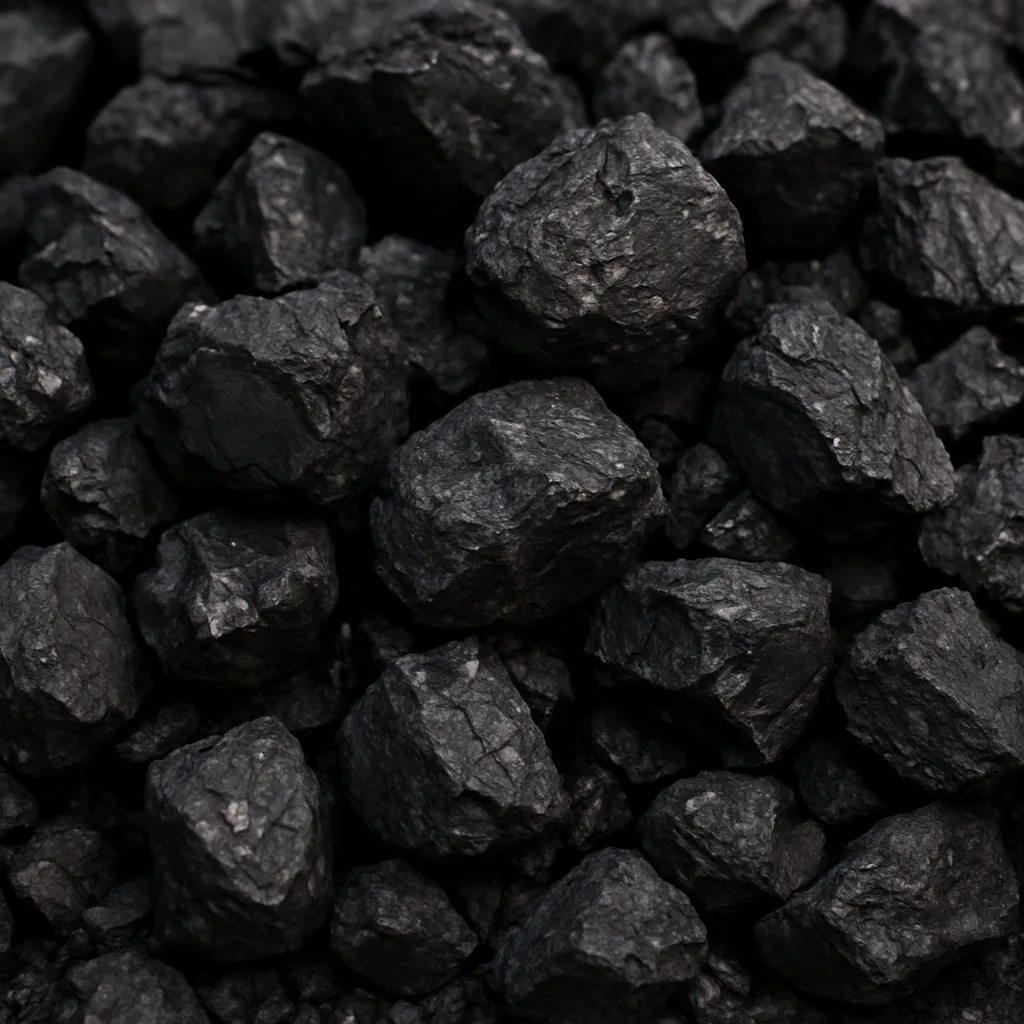
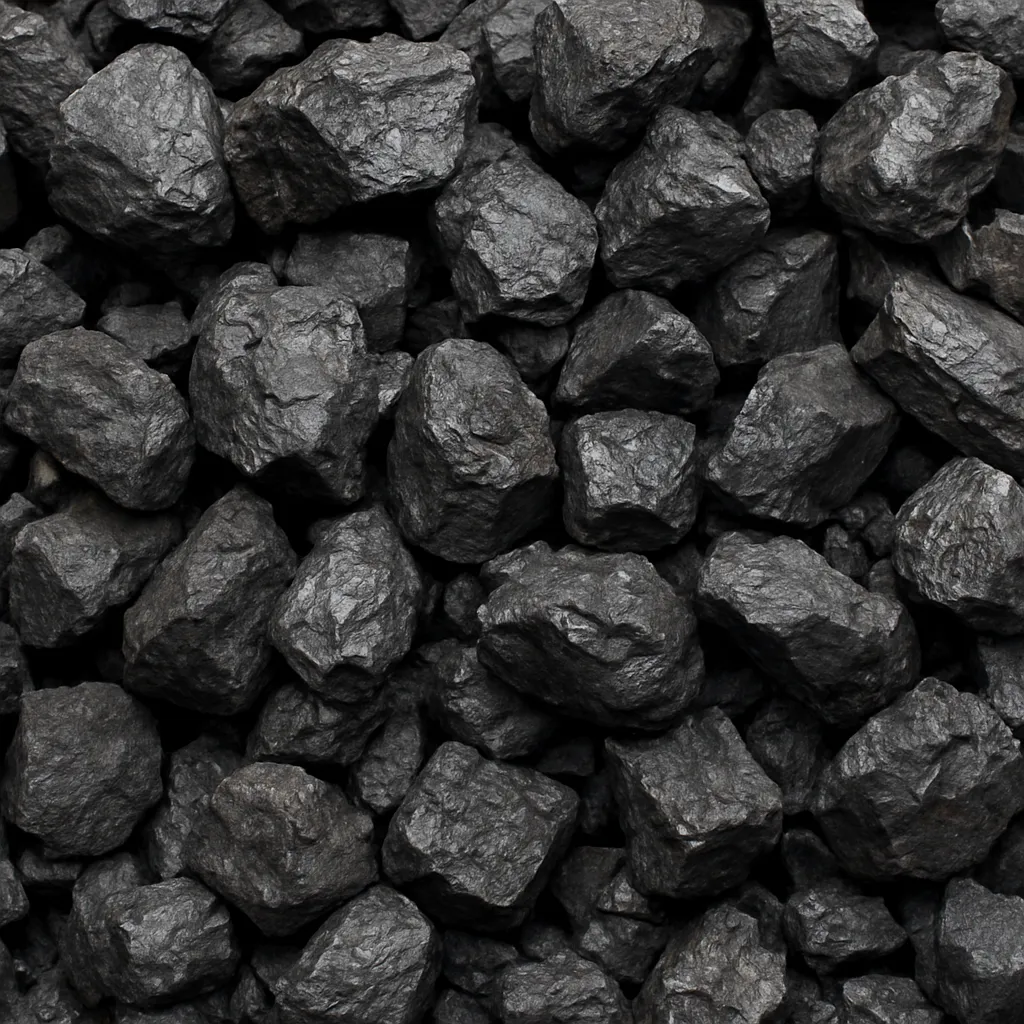
The term ultra-supercritical is most commonly associated with advanced steam cycle technology used in coal-fired power plants, not a standalone type of coal. However, certain coal qualities are particularly suitable for ultra-supercritical (USC) operation. This article explains the relationship between coal properties and USC technology, where the most suitable coals are found and mined, the economic and statistical context, technological and industrial significance, and other relevant and interesting facts. The goal is to give a comprehensive, technically grounded and economically informed picture of how coal interacts with high-efficiency coal-fired power generation and what that means for markets, industry and the environment.
Understanding ultra-supercritical technology and the coal it uses
First, a conceptual distinction: ultra-supercritical refers to steam parameters inside a power plant boiler and turbine cycle — pressures and temperatures above the critical point of water — rather than a specific “grade” of coal. In practical terms, USC plants operate at steam temperatures typically in the range of 600–620 °C and pressures above 24 MPa (240 bar); advanced ultra-supercritical (A-USC) designs target even higher temperatures (up to or exceeding 700 °C) to push electrical efficiency further.
Not every coal is equally well suited for USC boilers. Plants designed to operate at the highest temperatures and pressures perform best with coals that have consistent, high energy content and manageable ash and moisture characteristics. Typical desirable coal properties for USC usage include:
- High calorific value (higher heating value), commonly found in bituminous coals and anthracite, which reduces the mass of fuel needed and improves boiler stability.
- Low inherent moisture, which improves combustion efficiency and reduces flue gas volume.
- Moderate to low ash content and a predictable ash fusion profile to avoid slagging and fouling under higher furnace temperatures.
- Low sulfur and trace element contents to meet emissions standards without excessive flue gas cleaning costs.
Thermal coals used in USC plants are typically mid- to high-rank: medium to high volatile bituminous coals are common, while low-volatile bituminous and anthracite can be used where available. Sub-bituminous and lignite coals, which have lower calorific values and higher moisture, are generally less desirable for USC unless they are upgraded or blended because they reduce net efficiency and can increase corrosion and deposition risks.
Where suitable coal occurs and major mining regions
High-quality thermal coals suitable for USC applications occur in many of the world’s major coal basins. Global geological distribution of high-rank coals broadly follows sedimentary basin belts formed during the Carboniferous and Permian periods, with significant deposits also in Mesozoic basins. Major regions producing coals suitable for USC plants include:
- China — large reserves of bituminous coal in Shanxi, Shaanxi, Inner Mongolia and Xinjiang provinces. China is the world’s largest coal producer and consumer, and it also manufactures many USC and A-USC units domestically.
- Australia — the Bowen Basin, Surat Basin and the Hunter Valley produce high-quality thermal and metallurgical coals. Australian export thermals often supply Asian USC plants.
- Russia — the Kuznetsk Basin (Kuzbass) and the Pechora and Kansk-Achinsk regions produce abundant bituminous coals used domestically and exported.
- United States — Appalachian basins and Interior basins produce bituminous coals; the Powder River Basin (PRB) in Wyoming and Montana dominates US thermal coal supply but PRB coal is typically sub-bituminous (lower rank).
- India — coalfields in Jharkhand, Odisha, West Bengal and Chhattisgarh contain bituminous and sub-bituminous coals used extensively in domestic power plants.
- South Africa — Witbank and Highveld produce medium to high-ash bituminous coals for power generation and industry.
- Canada, Poland, Colombia, Indonesia and other countries — each supply coals of varying rank that feed regional USC and supercritical units.
Many of the best coals for USC operation are concentrated in Asia-Pacific (Australia, Indonesia for exports; China and India for domestic supplies) and Russia. Supply chains and shipping logistics also play a key role: major importers of high-quality thermal coal for USC plants include Japan, South Korea, Taiwan and parts of Southeast Asia.
Mining, processing and fuel preparation for USC plants
Coal for USC plants often undergoes additional selection, beneficiation and blending. Key steps include:
- Washing and dense media separation to reduce ash and sulfur content and improve heating value.
- Drying (in some cases) to lower moisture content and increase calorific value, especially for sub-bituminous coals destined for higher-efficiency boilers.
- Blending of coals from multiple seams or origins to achieve a consistent combustion profile, ash fusion temperature and calorific value.
- Size reduction and pulverization to produce coal particle size distributions optimized for modern pulverized-fuel burners used in USC boilers.
Well-prepared coal reduces the risk of slagging, fouling and corrosion in high-temperature USC furnaces and enables stable operation at design efficiency.
Economic and statistical context
Coal remains a major global fuel for electricity and heat despite rapid growth of renewables. In the last decade, global coal consumption and production have fluctuated with economic cycles, energy crises and policy shifts. Broad statistical and economic points include:
- Global coal production has been on the order of several billion tonnes per year. In the early 2020s, annual coal production and consumption levels were roughly in the range of 7–8 billion tonnes of coal (all forms) per annum, though year-to-year totals vary with demand shocks and policy measures.
- Coal-fired power generation historically supplied around one-third to over one-third (circa 35–40%) of global electricity generation in the 2010s and early 2020s, though this percentage varies by year and region as renewables and gas displace coal in some markets.
- China accounts for the largest share of coal production and consumption globally — often producing on the order of 3–4 billion tonnes annually in recent years, representing nearly half of world coal consumption.
- Major exporters of thermal coal include Australia, Indonesia, Russia and the United States, while major importers include China, India, Japan, South Korea and European markets when prices and policies permit.
- Coal prices experienced substantial volatility in 2021–2022 due to supply chain disruptions, demand spikes and geopolitical events. Price volatility directly affects the economics of coal-fired generation and investment decisions in high-efficiency plants, which require large upfront capital but deliver lower fuel consumption per unit of electricity.
From an economic perspective, USC and A-USC plants are often favored in policy environments seeking to balance near-term energy security and cost-effectiveness with lower emissions intensity. Because USC units achieve higher thermal-to-electric conversion efficiency — commonly delivering net efficiencies in the low to mid-40 percent range (higher than typical subcritical or older supercritical plants) — they use less fuel per MWh and emit less CO2 per MWh than less efficient coal plants.
Efficiency, emissions and environmental impacts
One of the principal attractions of USC technology is improved efficiency. Typical comparative efficiency and emissions characteristics are:
- Subcritical plants: broadly in the 33–37% net efficiency range (electrical), depending on design, age and fuel.
- Supercritical plants: commonly in the 38–42% net efficiency range.
- Ultra-supercritical plants: net efficiencies commonly in the low to mid-40s percent; well-designed A-USC designs target efficiencies up to or above 45–50% in ideal conditions.
Improved efficiency translates directly to lower CO2 emissions per MWh: shifting from a typical subcritical unit to a USC unit can reduce CO2 emissions per MWh by roughly 15–25% depending on operating conditions and the coal quality. That reduction, while meaningful, does not eliminate the substantial absolute CO2 emissions associated with burning coal. Globally, coal combustion has accounted for a significant share of energy-related CO2 emissions — roughly on the order of 40% of energy-sector CO2 in recent years, amounting to a ballpark figure of around 14–15 billion tonnes CO2 annually in peak years. These numbers vary year to year and by data source, and should be treated as indicative rather than exact.
Other environmental issues include:
- Air pollutants: sulfur dioxide (SO2), nitrogen oxides (NOx), particulate matter and mercury. Modern USC plants are typically equipped with flue gas desulfurization (FGD), selective catalytic reduction (SCR) and particulate control devices to meet stringent emission standards.
- Ash and solid residues: ash handling and beneficial uses (e.g., fly ash in cement and concrete) are important parts of the material balance for high-efficiency plants.
- Water use: high-efficiency steam cycles can affect water consumption patterns. Many USC plants use cooling technologies and water management approaches to reduce freshwater withdrawal in water-constrained regions.
Industrial significance and deployment trends
USC and A-USC technologies occupy an important place in the modern power sector for several reasons:
- Bridge and baseline role — In many countries, especially in Asia, coal-fired plants provide the baseload and dispatchable capacity needed to complement variable renewable generation. Building higher-efficiency USC plants is a way to deliver reliable power with a lower emissions intensity than older plants.
- Upgrading fleet — Some nations prioritize retrofitting and replacing older subcritical plants with USC units to reduce emissions intensity while maintaining energy security.
- Export and industrial markets — The manufacture, construction and operation of USC units drive demand for high-specification boilers, alloys, turbines and engineering services, supporting domestic industrial value chains in countries that build these plants.
- Policy interplay — Climate policy, carbon pricing and regulations on air pollutants strongly influence whether new USC projects proceed. In jurisdictions where carbon prices or strict low-emission mandates are in force, investments may shift toward renewables, storage and gas, or toward coal paired with carbon capture and storage (CCS).
Deployment statistics: globally there are hundreds of USC and high-efficiency units in commercial operation and under construction. China has been the primary engine of new USC and A-USC builds in the past decade. Japan, South Korea and parts of Europe have also operated USC units for many years, and several developing economies have adopted USC designs as their newest coal-fired capacity. Exact counts change as projects are commissioned, retired or canceled, but the trend in the late 2010s and early 2020s was expansion of high-efficiency coal capacity in Asia even as many OECD countries reduced coal dependence.
Economic considerations for power producers and consumers
Investment in USC plants implies a combination of higher initial capital expenditure and lower lifetime fuel costs per unit of electricity. Key economic factors include:
- Capital costs — USC and especially A-USC designs require more sophisticated materials (special steels, nickel alloys) and tighter manufacturing tolerances, increasing upfront capital costs compared with older plants. These costs are often offset by improved fuel efficiency over the plant lifetime.
- Fuel cost exposure — because USC plants burn less coal per MWh, they are less exposed to fuel price volatility on a per-unit basis than less efficient plants. This can be a major economic advantage where coal price uncertainty is high.
- O&M and lifecycle — higher efficiency can reduce lifetime operating costs, but advanced materials and controls can increase maintenance and replacement costs for certain components.
- Regulatory and carbon costs — carbon pricing, emissions trading systems and clean air regulations materially affect the economics. In jurisdictions with meaningful carbon prices, USC plants are more competitive relative to older, inefficient coal plants.
For many utilities in coal-reliant economies, the choice has been to build or operate USC plants because they balance lower emissions per MWh, dispatchability and proven technology. However, the accelerating cost reductions in wind, solar and battery storage add a competitive constraint on new coal investments in many markets.
Technological challenges and innovations
Operating at higher steam temperatures and pressures creates metallurgical and engineering challenges:
- Material performance — high-temperature creep, steam oxidation and corrosion require advanced high-strength, corrosion-resistant alloys, often with significant cost implications.
- Boiler and turbine design — steam cycle integration, control systems and corrosion-protection strategies must be optimized for long-term reliability at USC conditions.
- Ongoing research — A-USC research focuses on alloys and coatings that enable 700 °C+ operation, and on plant designs that facilitate retrofitting or integration with carbon capture systems.
- Carbon capture readiness — because coal plants are a significant stationary source of CO2, designers increasingly consider carbon capture retrofitability. Pre-combustion, post-combustion and oxy-combustion approaches are being explored for coupling with USC units.
Interesting industry and market dynamics
A number of other notable and sometimes surprising dynamics are relevant to the intersection of coal quality and USC deployment:
- Blending strategies — utilities commonly blend coals of different ranks to achieve consistent combustion characteristics. For instance, blending a high-ash but abundant local coal with a higher-quality, imported coal can achieve acceptable performance while lowering fuel costs.
- Co-firing and biomass — to reduce net CO2 intensity, some plants co-fire biomass with coal. High-efficiency USC boilers can accept limited co-firing rates if biomass is prepared appropriately, offering a route to marginally lower lifecycle emissions.
- By-product utilization — fly ash and bottom ash from high-efficiency plants can have high value in cement and concrete markets, providing additional revenue streams or offsets to disposal costs.
- Energy security — in regions with domestic coal reserves, USC plants are often viewed as a means to secure onshore energy supplies while improving emissions intensity compared with legacy units.
- Global trade implications — exporters of high-quality thermal coal (Australia, Indonesia, Russia) play a crucial role in supplying feedstock for USC units in import-dependent nations. Shifts in export volumes, shipping costs and international demand therefore affect both coal miners and power plant operators.
Outlook and future perspectives
The long-term role of coal and of USC technology will depend on several interacting trends:
- Policy and climate goals — stringent emissions targets and near-term commitments to reduce greenhouse gases will limit the lifetime of new unabated coal capacity in many markets. Where governments maintain coal as part of a transition strategy, they often promote the highest-efficiency technologies (USC/A-USC) and invest in CCS research.
- Competition from renewables and storage — falling costs for wind, solar and batteries reduce the economic rationale for new coal-fired capacity in many regions; however, grid stability, baseload needs and ramping flexibility sustain a role for dispatchable thermal plants in some systems.
- Technological advances — successful commercialization of A-USC materials and of cost-effective carbon capture could extend the viable life of coal-fired generation, provided markets and policies allow.
- Regional divergence — developed markets are generally decommissioning coal plants or restricting new builds, while parts of Asia and Africa may continue to rely on coal for decades to meet rising electricity demand, but increasingly with pressure for high-efficiency, lower-emission designs.
In short, ultra-supercritical technology represents a high-efficiency route for coal-fired power generation that reduces fuel use and emissions intensity compared with older coal plants. The quality and preparation of coal significantly influence how well USC stations perform. Where high-rank coals such as bituminous and anthracite are available or can be blended and upgraded, USC plants can operate nearer to their design expectations. Nevertheless, despite efficiency gains, coal combustion remains a major source of CO2 and air pollutant emissions, and the future of coal in global energy systems will continue to be shaped by climate policy, market economics and advances in low-carbon technologies such as CCS.
Selected data points and summary statistics (indicative)
Below are indicative statistical facts to provide context (figures rounded and described qualitatively where appropriate):
- Global coal production and consumption in the early 2020s: on the order of 7–8 billion tonnes per year (all coal types combined).
- China’s coal production: often around 3–4 billion tonnes annually in recent years, making it by far the largest producer and consumer.
- Coal’s share of global electricity generation: roughly one-third to 40% in the 2010s and early 2020s (varies by year and reporting source).
- Efficiency ranges: subcritical ~33–37% net, supercritical ~38–42% net, ultra-supercritical commonly low–mid 40s% net, A-USC targets up to ~50% in optimal cases.
- CO2 emissions from coal combustion: historically responsible for a large fraction (roughly 40% of energy-sector CO2 in many recent years), with coal-related CO2 emissions in the order of 10–15 billion tonnes CO2 per year in peak years (subject to annual variation and methodological differences in accounting).
- Major coal exporters: Australia, Indonesia, Russia, United States; major importers: China, India, Japan, South Korea and parts of Europe and Southeast Asia, depending on market conditions.
Concluding remarks
Describing “ultra-supercritical coal” as a coal grade is a misnomer; the correct framing is that USC is a high-efficiency steam cycle technology that benefits from high-quality thermal coals. Where such coals — typically higher-rank bituminous and anthracite — are available, and where capital and policy support high-efficiency plants, USC and A-USC units offer a lower-emissions-intensity pathway for continuing to use coal for electricity generation compared with older technologies. Nonetheless, the absolute emissions from burning coal remain substantial, and the trajectory for coal-fired generation will be driven by how markets, climate policies and technologies like carbon capture evolve in the coming decades. The interplay of geology (coal quality and location), engineering (materials and boiler design), economics (fuel and capital costs) and policy will determine whether USC remains a dominant technology in coal-based electricity or a transitional step toward a lower-carbon energy system.