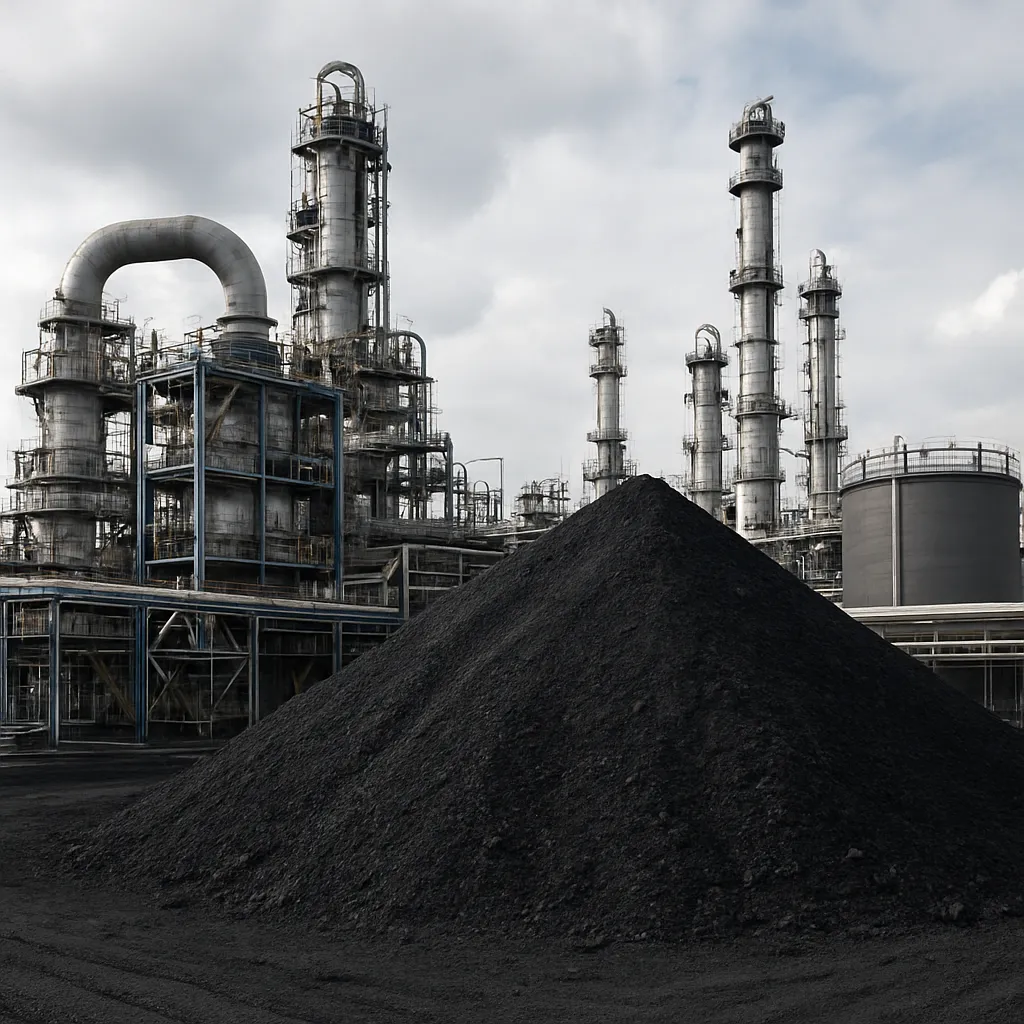
The transformation of abundant coal reserves into liquid fuels through Coal-to-Liquids (CTL) processes has attracted growing interest amid concerns over energy security and soaring oil prices. By converting solid carbon into versatile synfuels, CTL technology promises not only a strategic diversification of fuel supplies but also the potential to leverage existing coal stock for domestic production. This article examines key aspects of CTL, from global reserves and market drivers to the intricate chemistry of liquefaction processes, environmental impacts, investment considerations, and emerging innovation pathways that could shape the future of synthetic fuel production.
Background on Coal Reserves and Global Demand
Worldwide proven coal reserves exceed 1,000 gigatonnes, with several countries holding significant stockpiles that could fuel CTL plants for decades. Major players such as the United States, China, Australia, and India possess some of the largest exploitable coal deposits, underpinning their strong interest in CTL development. Analysts forecast that global liquid fuel consumption will continue to rise into the mid-21st century, driven by transport, petrochemical industries, and even military applications. CTL is seen as a mechanism to bridge the gap between dwindling conventional fossil sources and growing demand, especially in regions seeking to reduce import dependency.
- United States: Abundant bituminous and sub-bituminous deposits, potential for large-scale indirect CTL.
- China: Rapidly expanding pilot CTL projects, government support for energy security initiatives.
- Australia: Export-oriented coal production, interested in licensing technology for overseas CTL plants.
- India: Plans to integrate CTL into national fuel strategy, addressing significant import bills.
Long-term crude oil prices exceeding $70 per barrel enhance the economic attractiveness of CTL, prompting coal-rich nations to evaluate strategic partnerships, licensing agreements, and technology transfers with established operators.
Technological Mechanisms of Coal-to-Liquids Processes
Indirect Liquefaction via Fischer-Tropsch Synthesis
Indirect CTL involves two major steps: gasification of coal to produce synthesis gas (a mixture of carbon monoxide and hydrogen), followed by catalytic conversion into liquid hydrocarbons via the Fischer-Tropsch reaction. The flexibility of FT catalysts enables tailoring of product slates to yield diesel, naphtha, kerosene, and other specialty chemicals. Modern FT plants incorporate advanced catalyst formulations to enhance selectivity, reduce water–gas shift requirements, and improve overall thermal efficiency.
Direct Coal Liquefaction Techniques
In direct CTL, crushed coal is reacted with hydrogen at high pressure and moderate temperatures in the presence of a solvent and a catalyst. This approach breaks down complex macromolecular structures of coal directly into liquid fractions. While direct liquefaction can achieve higher conversion rates, it also demands stringent hydrogen supply and generates more solid residues. Emerging catalysts and process intensification methods aim to overcome these challenges by improving emissions control and maximizing product yields.
Environmental and Regulatory Considerations
CTL plants inherently produce higher carbon footprints per barrel of liquid fuel compared to conventional refineries, due largely to the energy-intensive gasification or hydrogenation steps. However, integration of carbon capture, utilization, and storage (CCUS) systems can significantly mitigate lifecycle CO2 emissions. Successful projects in South Africa and China have demonstrated the feasibility of capturing up to 90% of process CO2, injecting it into deep saline formations or utilizing it for enhanced oil recovery.
- Regulatory frameworks: Varying incentives, tax credits, or penalties based on national sustainability targets.
- Water usage: CTL processes require substantial water inputs, posing challenges in arid regions.
- Air quality: New emission-control technologies, such as advanced scrubbers and low-NOx burners, are critical.
Nations aiming for net-zero commitments must weigh CTL development against renewable alternatives. Some policymakers advocate a balanced approach, deploying CTL in conjunction with biomass feedstocks to produce greener synfuels, a concept known as coal-biomass-to-liquids (CBTL).
Economic Outlook and Coal Stock Investment
Investors eyeing the CTL sector often focus on publicly traded coal producers with diversified portfolios. Companies that have secured licensing agreements for modular CTL units may offer exposure to future investment upside if pilot plants progress to commercial operations. Key financial metrics include coal reserves-to-production ratios, cost per barrel equivalent, and strategic partnerships with technology licensors or engineering firms.
- Project financing: Typically structured as joint ventures with sovereign or private equity backing.
- Break-even prices: Often sensitive to natural gas parity, crude oil benchmarks, and carbon pricing.
- Risk factors: Regulatory uncertainty, competition from unconventional oil and gas, and evolving environmental standards.
Despite these challenges, CTL remains an attractive hedge for portfolios seeking diversification from pure upstream coal exposure, particularly when integrated with carbon capture credits and long-term offtake agreements.
Future Innovations and the Path to Sustainability
Ongoing research in CTL is exploring transformational innovation areas, including plasma-assisted gasification, electrochemical hydrogen generation, and advanced membrane reactors. These technologies promise to reduce energy intensity, lower capital costs, and minimize pollutant streams. Additionally, digital twins and process optimization algorithms empower operators to continuously refine plant performance, adapt to feedstock variability, and forecast maintenance needs with higher precision.
Integration of renewable hydrogen—produced from wind or solar-powered electrolysis—could redefine CTL as a low-carbon solution. Such hybrid schemes would transform coal feedstock into ultra-clean liquid fuels, aligning CTL with global decarbonization pathways. Collaboration among governments, research institutions, and industry players will be pivotal to accelerate demonstration projects and scale up technologies that marry sustainability with strategic resource utilization.