The steel industry stands at a crossroads, balancing the historic reliance on coal with the urgent need for carbon-neutral solutions. As global demand for steel surges, stakeholders are exploring pathways that reconcile growth with rigorous environmental standards. This article delves into the complex interplay between traditional coal usage, evolving stock management practices, and forward-looking innovations shaping sustainable steel production.
Coal’s Role in Modern Steelmaking
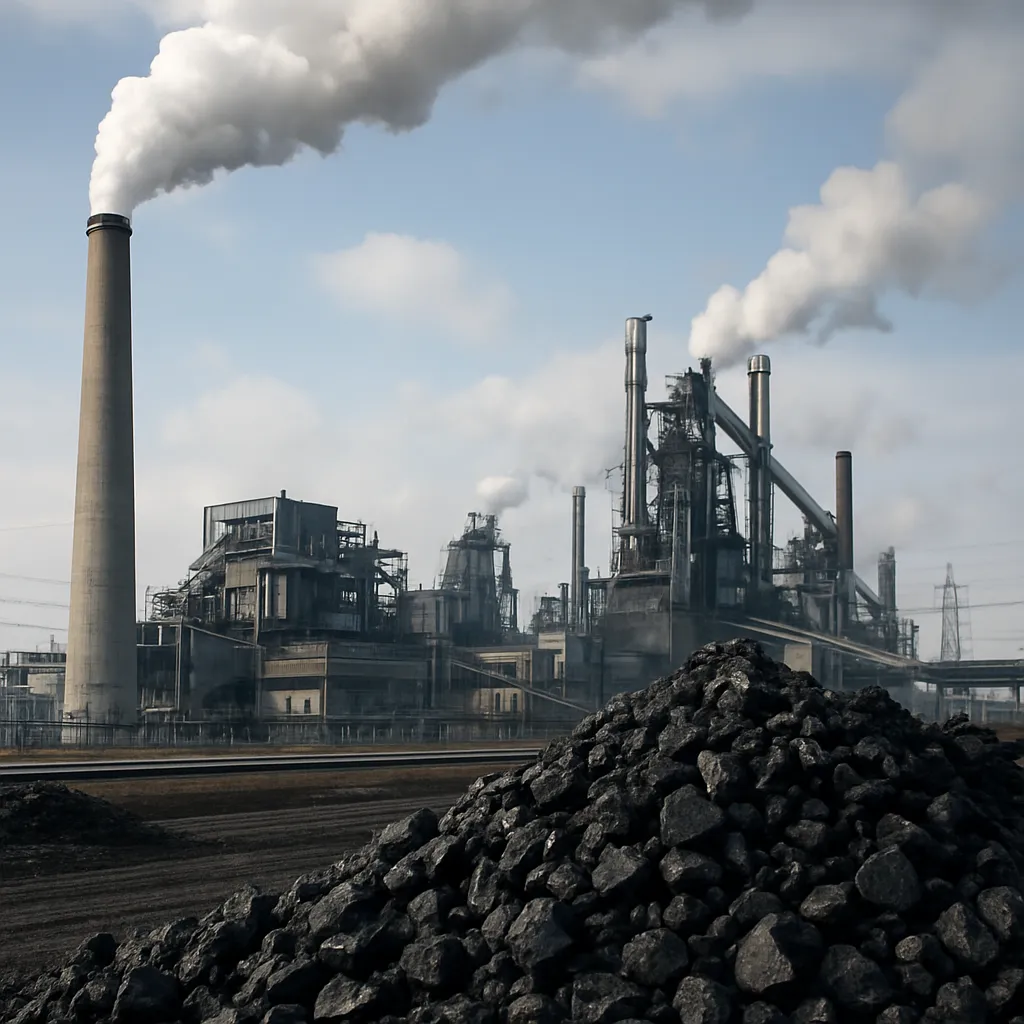
Since the Industrial Revolution, coal has been the cornerstone of primary steelmaking, chiefly as coke in blast furnaces. Converting iron ore into metallic iron requires intense heat and reducing agents, both delivered efficiently by coke derived from coal. Despite the advent of alternative technologies, around 70% of global crude steel still emerges from the blast furnace-basic oxygen furnace (BF-BOF) route, underscoring coal’s enduring significance.
Main Functions of Coal in Steel Production
- Reducing Agent: Coke extracts oxygen from iron oxides, enabling molten iron formation.
- Fuel Source: High calorific value of coal fuels blast furnaces at temperatures exceeding 1,500 °C.
- Structural Support: Porous coke bed ensures gas permeability, maintaining furnace efficiency.
Environmental Concerns and Emissions
Despite its operational advantages, coal combustion generates substantial emissions, including CO₂, NOₓ, and particulate matter. Industry estimates attribute roughly 8% of global carbon dioxide output to steel manufacturing. In response, stringent regulations and carbon pricing mechanisms are fueling a profound shift toward cleaner processes and end-of-life management of coal stockpiles to mitigate fugitive emissions.
Innovations in Carbon-Neutral Processes
Pioneering research and pilot projects are forging a path toward carbon-neutral steel. Key approaches include direct reduction of iron (DRI), hydrogen-based reduction, and biomass-derived alternatives. Each method presents unique advantages and hurdles, but collectively they herald a transformative era.
Hydrogen Direct Reduction
- Swapping coal-derived coke with green hydrogen electrolysis significantly curbs CO₂ output.
- DRI plants can integrate seamlessly into existing steelworks, facilitating phased retrofits.
- Challenges: High electricity demand and the need for large-scale renewable energy supply.
Biomass and Biochar Integration
- Biochar from sustainable forestry residues can partially replace coke, delivering carbon credits.
- Co-injection techniques allow blending with pulverized coal in BF operations.
- Limitations: Supply chain consistency and competition with other bio-based industries.
Electric Arc Furnace (EAF) Expansion
- EAFs traditionally rely on scrap metal but can process DRI pellets, minimizing coal dependency.
- Steelworks with high scrap availability can achieve near-zero carbon footprints when powered by renewables.
- Constraints: Regional scrap shortages and the need for improved efficiency in EAF electrode consumption.
Digitalization and Process Optimization
Advanced sensor networks, AI-driven control systems, and real-time analytics are optimizing coal usage and minimizing wastage. By fine-tuning furnace temperatures, gas flows, and stockpile conditions, mills can reduce emissions while boosting throughput. The integration of digital twins enhances predictive maintenance, ensuring uninterrupted operations with optimum investment efficiency.
Coal Stock Management and Sustainability
Effective coal stock management is crucial for both economic resilience and environmental compliance. Optimizing storage practices curbs spontaneous combustion, methane release, and quality degradation over time.
Best Practices in Stockpiling
- Moisture control via covered sheds and sprinkler systems reduces dust and heat buildup.
- Segregation by grade ensures consistent blast furnace performance and minimizes blending hassles.
- Regular sampling and analysis maintain sustainability certifications and traceability.
Leakage Prevention and Emission Controls
- Installation of biogas capture units on large stockpiles prevents greenhouse gas escape.
- Dust suppression using fog cannons and surfactant-based sprays improves air quality around plants.
- End-of-life reclamation: spent fines can be repurposed for cement or power generation, closing the material loop.
Financial Instruments and Market Dynamics
Carbon trading schemes and green financing are reshaping investment landscapes. Steelmakers can monetize emission reductions through carbon credits, offsetting costs associated with retrofits. Investment in research grants, public-private partnerships, and climate bonds accelerates commercialization of low-carbon technologies, while long-term offtake agreements with automakers and construction firms guarantee market stability.
Future Perspectives and Strategic Planning
Charting a sustainable trajectory for coal-dependent steel necessitates a multifaceted strategy, integrating technology, policy, and market forces. Collaboration across the value chain—from miners to end users—will underpin a resilient, innovation-driven ecosystem.
Key Strategic Pillars
- Decarbonization Roadmaps: Tailored transition plans for each facility, aligning with national climate targets.
- Stakeholder Engagement: Transparent dialogues with regulators, local communities, and NGOs to secure social license.
- Infrastructure Upgrades: Grid modernization for renewable power, hydrogen pipelines, and CO₂ transport hubs.
- Skill Development: Training programs for workers to operate and maintain next-generation reduction plants.
- Market Incentives: Green premium pricing, eco-label certifications, and low-carbon product portfolios.
Challenges on the Horizon
Transitioning at scale poses hurdles including capital intensity, technology maturation timelines, and competition for clean energy resources. Developing economies with expanding steel demand must balance growth imperatives against decarbonization commitments. Navigating geopolitical risks in critical mineral supplies, such as those for electrolysis catalysts, requires strategic foresight.
Opportunities for Leadership
Companies that pioneer sustainability in coal-to-steel pathways can secure competitive advantages. Early adopters of hydrogen reduction technologies stand to benefit from lower carbon levies and preferential financing rates. A robust portfolio of low-emission steel products can capture premium market segments focused on environmental stewardship, reinforcing brand reputation and long-term resilience.