The Taldinskaya-Zapadnaya mine is one of the coal-producing sites located in the heart of Siberia’s industrial coal region. This article provides a comprehensive overview of the mine’s location and geological setting, the types of coal extracted, technical and operational aspects, its economic and industrial significance, and the environmental and social issues connected with its operation. Where direct, reliable mine-level statistics are scarce, I refer to regional and basin-level data to place the Taldinskaya-Zapadnaya site in context.
Location and geological setting
The Taldinskaya-Zapadnaya mine lies within the greater Kuznetsk Coal Basin, commonly known as the Kuznetsk Basin or Kuzbass, which is situated in the Kemerovo Oblast in southwestern Siberia, Russia. The Kuzbass is one of the world’s major coal basins, extending over a large area of the Barzassk–Taldinsk deposit system and hosting numerous mines, both surface and underground. Taldinskaya-Zapadnaya forms part of the Taldinskoye group of fields and is positioned strategically within the basin’s network of coal seams.
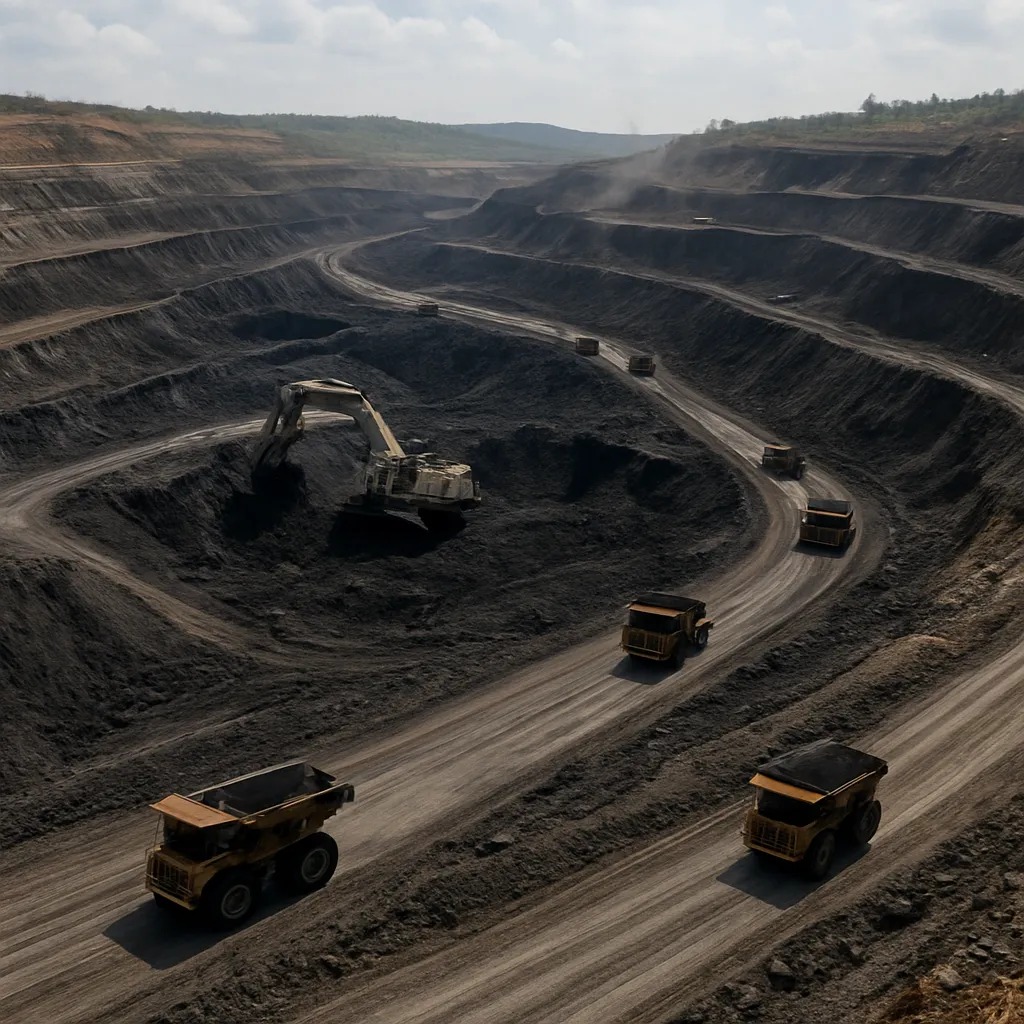
Geologically, the Kuzbass features Carboniferous and Permian sedimentary sequences that contain multiple thick and laterally extensive coal seams. These seams vary in rank and quality but are generally in the range of bituminous coal with significant portions of higher-grade coals suitable for coking and metallurgical purposes. The Taldinskaya area is characterized by layered sedimentary deposits, often permitting economically viable surface mining operations due to relatively shallow overburden in many sectors of the deposit.
Coal types and mineral characteristics
The coal produced in the Taldinskaya-Zapadnaya mine is representative of the diverse output of the Kuzbass region. The principal coal types include bituminous coals that are processed into both coking coal for steel production and thermal coal for power generation and industrial heat. The proportion of coking-grade material versus thermal-grade material can vary between seams and across the greater mining complex. Key mineral characteristics typically noted in Kuzbass coals include:
- High fixed carbon content in many coking seams, making them suitable for metallurgical coke production.
- Variable ash content, which affects processing requirements and market value.
- Volatile matter and calorific value that position some batches as premium thermal coal for power plants.
- Presence of methane and other mine gases that require management during extraction.
At a practical level, the coal from Taldinskaya-Zapadnaya is used domestically within Russia for electricity generation, industrial heat and metallurgy, and is also prepared for export markets where demand for both coking and steam coal remains strong, especially in Asia.
Mine characteristics, methods and infrastructure
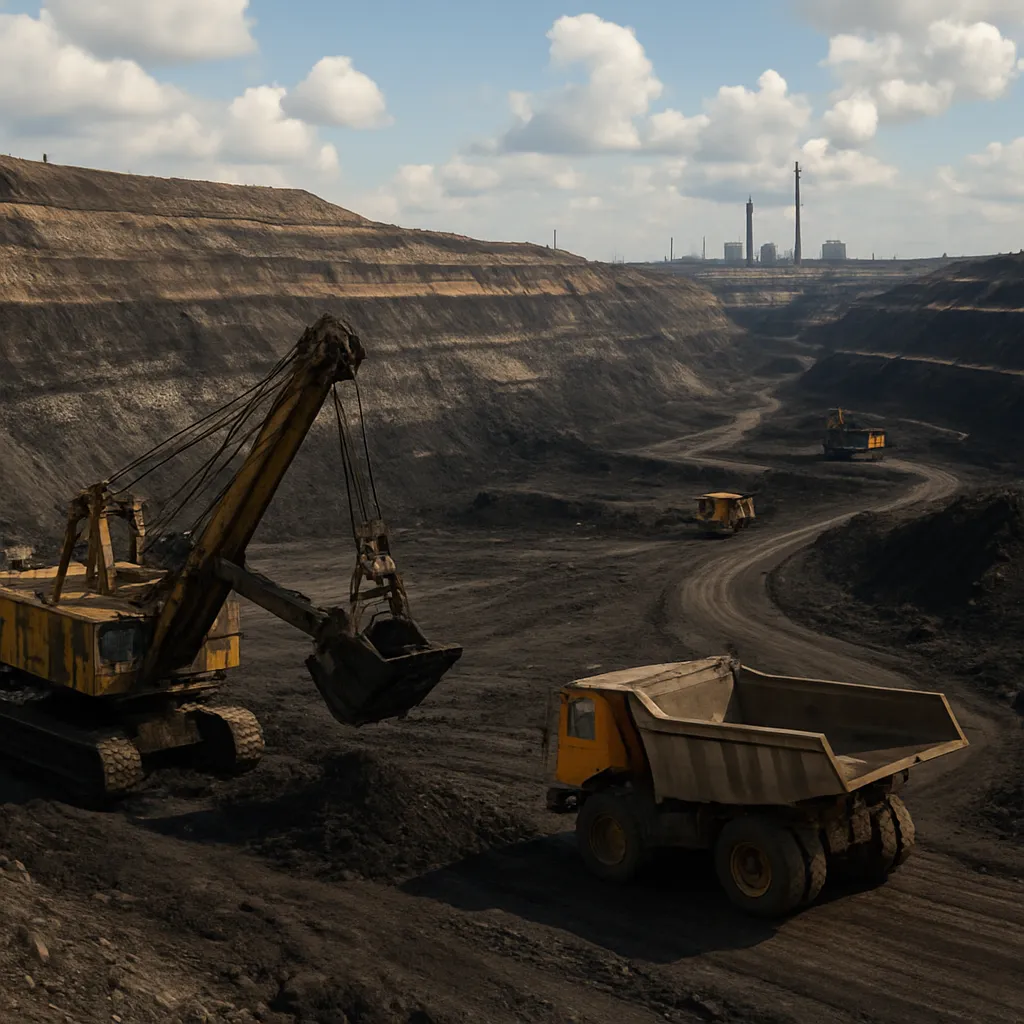
Taldinskaya-Zapadnaya operates as part of a larger mining complex in the Taldinskoye area. Mines in this part of Kuzbass commonly use open-pit mining (also called opencast) for shallow seams and selective underground mining methods where seams are deep or selective coal extraction is required. The choice of mining method at Taldinskaya-Zapadnaya is driven by seam depth, dip, thickness and local economic considerations.
Operational infrastructure supporting the mine includes:
- Surface infrastructure: heavy earthmoving equipment, crushers, stockyards and coal washing plants when higher-grade product is required.
- Processing: beneficiation plants for reducing ash and improving coking qualities; some coal is blended to meet specific customer specifications.
- Transport: rail loading yards connected to the regional railway network that links to major export corridors; in Kuzbass, rail is the lifeline for moving large coal volumes to ports and domestic consumers.
- Utilities and services: power supply, water management systems, methane ventilation and drainage arrangements.
Given the scale of operations in the Taldinskaya group, logistical coordination—especially rail capacity, timing of shipments and port access—plays a major role in economic performance. Russia’s Pacific and European export channels are used for outbound coal shipments depending on market orientation.
Production, reserves and statistical context
Detailed, up-to-date mine-level production figures for Taldinskaya-Zapadnaya in public sources can be intermittent, as specific reporting practices differ by operator. However, putting the mine in the basin-level perspective helps to understand its likely scale and importance.
- The Kuznetsk Basin as a whole has historically produced several hundred million tonnes of coal annually, with the basin often responsible for around 60% of Russia’s coal production in many years. Russia’s national coal output in recent decades typically ranged between approximately 300 and 450 million tonnes per year depending on market conditions and domestic demand.
- Mines in the Taldinskoye area are substantial producers within the Kuzbass complex; individual large open-pit mines in the region commonly produce several million tonnes per year, though actual output varies by mine and over time.
- Reserve estimates for the Taldinskoye field and adjacent deposits are frequently reported in the tens to hundreds of millions of tonnes, supporting multi-decade extractive programs when viewed cumulatively across the mining complex.
Because operators periodically adjust cutbacks, washery capacity and export quotas, mine-level annual tonnages can fluctuate. For readers seeking precise annual figures for a specific year, corporate annual reports from the operating company or regional statistical bulletins published by Kemerovo Oblast authorities are the most reliable sources for mine-by-mine data.
Economic and industrial significance
The Taldinskaya-Zapadnaya mine, as part of the Kuzbass network, contributes to several economic functions:
- Domestic energy and metallurgy supply: Coal from this region fuels thermal power plants and supplies metallurgical industries. The availability of coking coal in Kuzbass is critical for Russia’s steel industry.
- Employment and local economy: Mining complexes in the Taldinskoye area provide direct employment to mineworkers, technicians and managers, and indirect employment through transport, maintenance, and service sectors. Such mines typically support towns and urban settlements with housing, schools and social services.
- Exports and foreign exchange: Coal exports from Kuzbass contribute to Russia’s trade balance. Markets in East and Southeast Asia absorb substantial volumes; China, Japan and South Korea have historically been major buyers of Russian thermal and metallurgical coal.
- Value chain impact: The mine supports downstream industries including coal processing, coke production, steelmaking and large-scale logistics operations such as rail freight and port handling.
At a macroeconomic level, reliable supplies from mines like Taldinskaya-Zapadnaya help stabilize domestic energy costs and provide feedstock security for heavy industry. The mine’s tax contributions, payroll taxes and royalties also represent an important revenue stream for regional government budgets.
Social, safety and labor aspects
Mining in the Kuzbass region carries the same social and occupational challenges common to extractive industries worldwide. Key aspects include:
- Employment levels: Mines typically employ thousands of workers when counting direct and associated jobs; a significant share of local labor markets is often dependent on mining activity.
- Occupational safety: Coal mining entails risks such as methane explosions, roof collapses in underground operations, heavy machinery accidents and long-term health issues like pneumoconiosis. Safety regulations and technological investments—ventilation, roof bolting, real-time monitoring—are central to reducing incidents.
- Community impacts: Mining towns experience both benefits (jobs, infrastructure) and strains (pollution, housing pressures and reliance on a single industry). Social programs by operators and local authorities aim to mitigate negative effects and support community development.
Environmental considerations
Environmental management is a critical factor for Taldinskaya-Zapadnaya and all large coal operations. Key environmental themes include:
- Land disturbance and reclamation: Surface mining alters landscapes, and progressive reclamation is essential to restore land for agriculture, forestry or recreational uses after mining activities cease.
- Air quality: Dust from open pits, coal transport and handling can affect air quality. Fugitive dust controls, water spraying and enclosures are typical mitigation measures.
- Water management: Mining affects surface and groundwater through dewatering, runoff and potential contamination. Proper tailings management and water treatment facilities are necessary to protect aquatic ecosystems and local water supplies.
- Greenhouse gas emissions: Coal mining releases methane, a potent greenhouse gas, and coal combustion contributes to CO2 emissions at the point of use. Many operators implement methane capture and utilization programs where feasible.
Regulatory oversight and corporate sustainability programs increasingly require environmental monitoring, transparent reporting, and investment in mitigation technologies. Reclamation bonds and long-term monitoring are used in some jurisdictions to secure funds for post-mining restoration.
Market dynamics and export logistics
The commercial viability of Taldinskaya-Zapadnaya’s output is shaped by global and regional coal markets. Important considerations include:
- Price volatility: Coal prices are subject to shifts in demand from steelmakers and power producers, seasonal heating demands, and competition from alternative suppliers and energy sources.
- Transport capacity: Railway throughput, rolling stock availability and port capacity are often binding constraints for Siberian coal exporters. Efficient scheduling and access to transshipment hubs determine the proportion of coal that reaches lucrative Asian markets.
- Quality specifications: Producers often blend coals to meet specific calorific value, ash and sulfur limits demanded by buyers. The presence of washery plants in the region supports value-added processing to fetch higher prices.
Geopolitical developments, trade policies and infrastructure investments (such as new port terminals or expanded rail capacity) have direct effects on the mine’s export potential and long-term planning.
Technological trends and modernization
Modern mines in Kuzbass, including mines like Taldinskaya-Zapadnaya, are increasingly adopting technologies to improve productivity, safety and environmental performance. Notable trends include:
- Automation and digitalization: Remote control of heavy machinery, digital mine planning tools, and fleet telematics to improve efficiency and reduce exposure of workers to hazardous zones.
- Methane capture and utilization: Projects that capture methane from mines for use as fuel or for power generation reduce greenhouse emissions and can provide an additional revenue stream.
- Coal processing advancements: Improved beneficiation techniques to lower ash and sulfur contents and to target coking coal fractions more effectively.
- Safety systems: Enhanced monitoring, sensor networks and predictive maintenance routines to reduce downtime and accidents.
Investments in such technologies can be capital-intensive but yield long-term benefits in cost control, compliance and social license to operate.
Future outlook and strategic challenges
The future for Taldinskaya-Zapadnaya is tied to several interacting drivers:
- Demand for metallurgical coal: Continued global steel production will sustain demand for coking coal, benefiting mines that supply high-quality feedstock.
- Energy transition: Long-term declines in thermal coal demand in some markets due to decarbonization policies could reorient production toward metallurgical and specialty coals.
- Infrastructure upgrades: Investments in rail and port capacities are vital to sustain competitive export flows and to reduce logistic bottlenecks.
- Regulatory and social pressures: Increasing environmental standards and community expectations require operators to adopt robust sustainability practices and transparent engagement.
Strategic mine planning will likely emphasize higher-value coal segments, efficiency improvements, diversification of logistics options, and stronger environmental controls to remain competitive and resilient against market shifts.
Interesting facts and broader context
Some additional points of interest that help frame the significance of Taldinskaya-Zapadnaya within the Russian and global coal landscape:
- The Kuzbass region, where Taldinskaya-Zapadnaya is located, has been a coal-producing center since the 19th century and was a major driver of Soviet and post-Soviet industrialization.
- Coal seams in the Kuzbass are among the thickest and most extensive in the world, enabling large-scale open-pit operations that remain economically important despite market fluctuations.
- Modern rehabilitation efforts in the region include converting former mining areas into lakes, agricultural land or managed forests after mining activities conclude.
- Local cultural and social life in mining towns has historically revolved around the rhythms of mine production, with specialized vocational schools and institutional linkages supporting the industry workforce.
Concluding perspective
Taldinskaya-Zapadnaya is an integral component of the broader Kuzbass mining complex. While mine-specific public statistics may not always be readily accessible, the site’s role is best appreciated within the basin’s considerable contribution to Russian coal production, metallurgical raw materials and regional employment. The mine faces the same modern pressures as other large coal operations: the need to reconcile production and profitability with environmental stewardship, worker safety and changing market demands. Its future trajectory will depend on market conditions for coking and thermal coal, investments in logistics and processing, and how effectively operators and regulators manage environmental and social obligations.
Key highlighted terms
The article highlighted the following critical terms for quick reference: Kuznetsk Basin, Kemerovo Oblast, bituminous coal, coking coal, thermal coal, open-pit mining, infrastructure, exports, employment, environmental impacts.