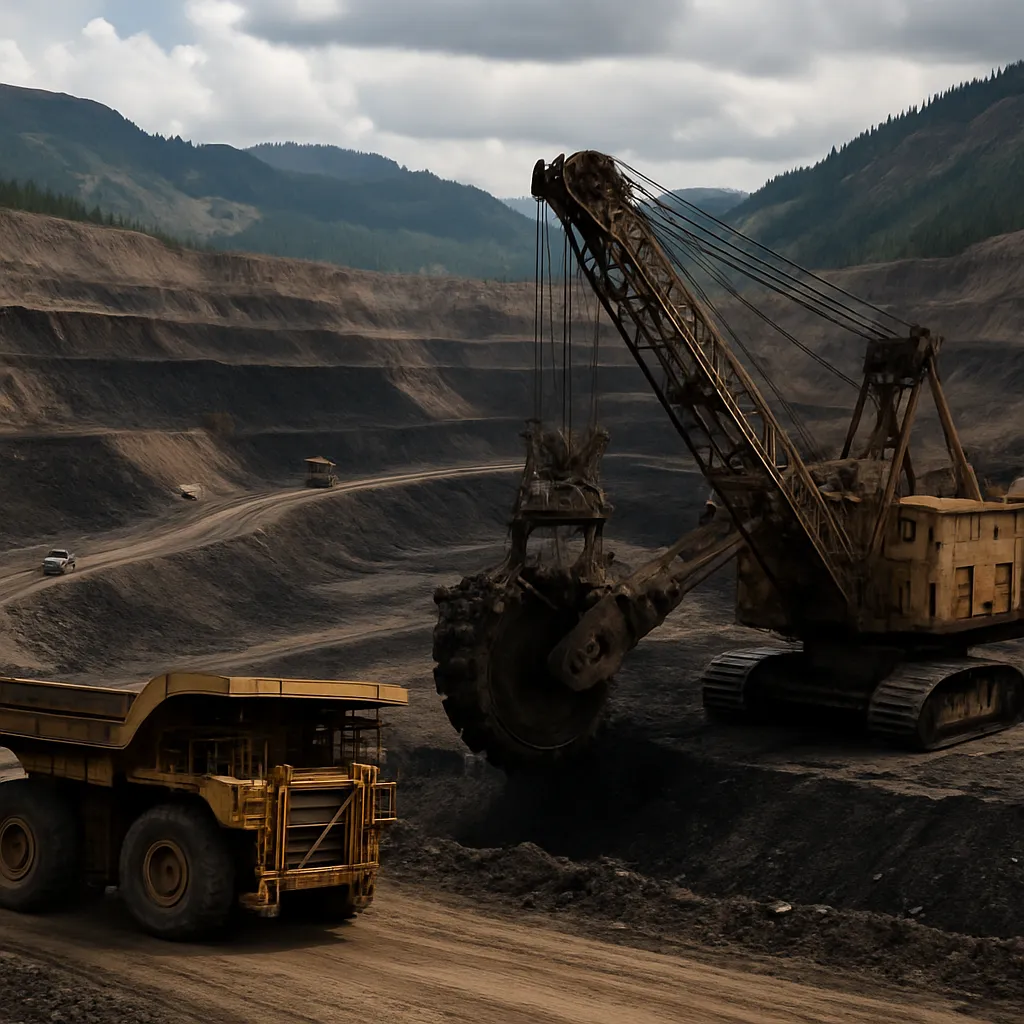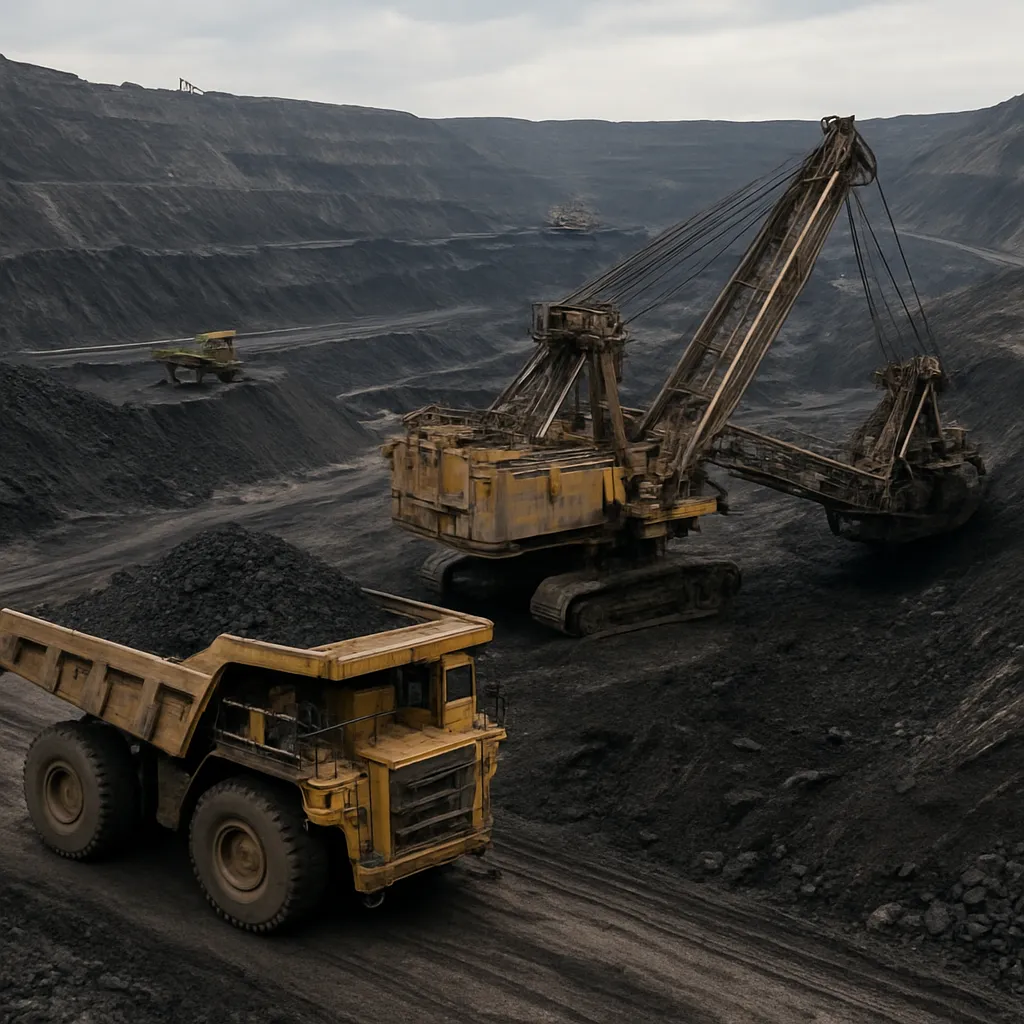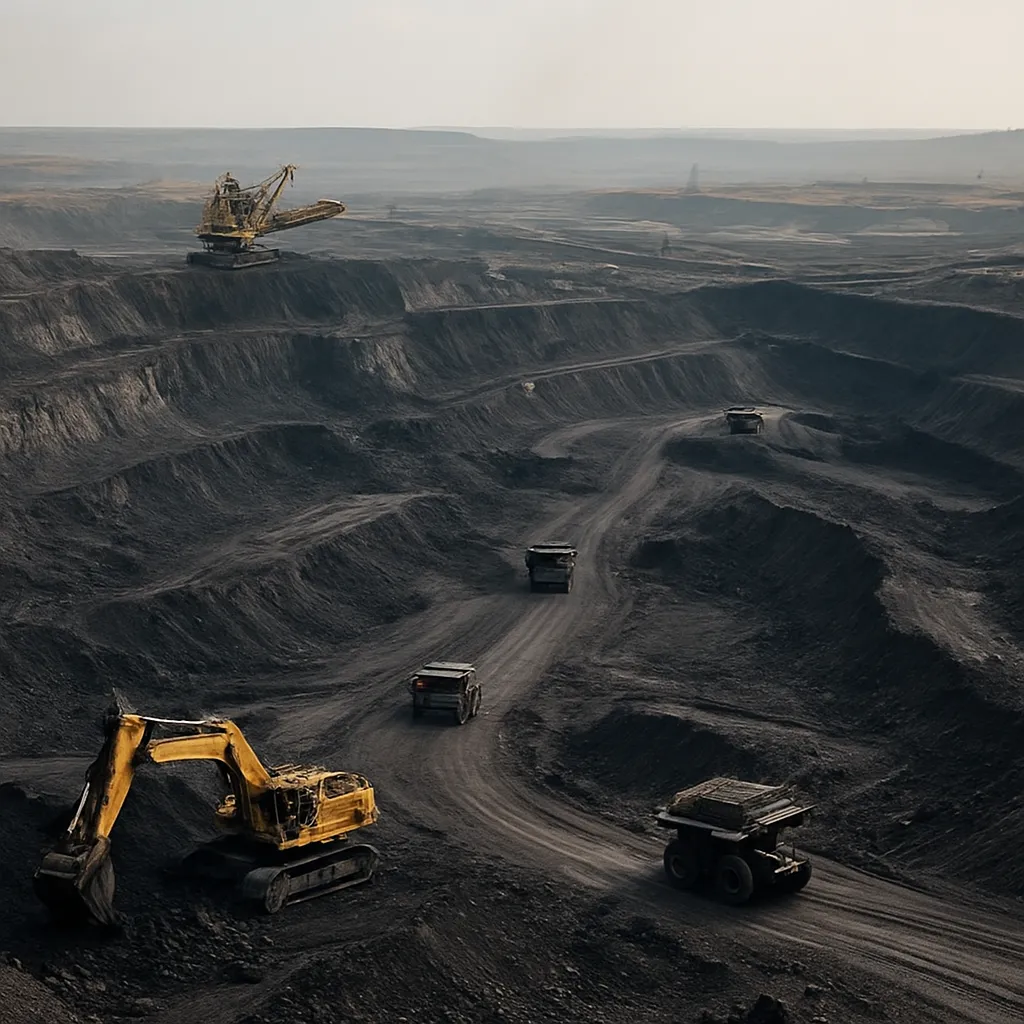
The Talabira coal mining area in India is a notable part of the country’s extensive coal landscape. Located within the mineral-rich regions of eastern India, Talabira and its associated coal blocks have attracted attention for their contribution to regional energy supply, local employment, and the broader industrial ecosystem. This article outlines the location, geology, types of coal, production and reserve information where available, economic significance, environmental and social dimensions, and the future prospects and challenges connected with Talabira. The goal is to present a comprehensive, balanced view that highlights both the operational importance and the complex trade-offs involved in coal production in this part of India.
Location and Geological Setting
The Talabira mining area is situated in the eastern Indian state of Odisha, within a broader coal-bearing zone that includes several established coalfields. The region lies in proximity to major coal basins of eastern India that host a mixture of Permian- and Gondwana-age deposits. Geologically, these deposits are typically associated with sedimentary sequences where organic-rich layers were buried and transformed into coal over geological time.
Coal in the Talabira area occurs in stratified seams of variable thickness and depth. The geological conditions influence mining method choices — from shallow open-cast operations where seams are closer to the surface, to underground methods for deeper reserves. The presence of associated sedimentary strata such as sandstone, shale and occasional limestone layers affects both extraction strategies and processing requirements.
Key geographic and infrastructural features impacting Talabira include road and rail connectivity to regional industrial centers and thermal power plants, availability of water resources needed for mining and coal processing, and proximity to labor markets. The region’s climate and seasonal rainfall patterns also influence mining schedules, reclamation efforts and water management strategies.
Coal Type, Quality and Reserve Estimates
The coal mined in Talabira is typically classified as non-coking coal, suitable mainly for thermal power generation and industrial steam uses. In Indian classification, much of the coal from eastern basins is medium- to low-rank — that is, it ranges from sub-bituminous to bituminous grades that exhibit moderate calorific values and relatively higher moisture and ash contents compared with higher-rank coking coals.
Important coal quality parameters reported for blocks in this region commonly include:
- Gross calorific value (GCV) typically in a moderate range appropriate for thermal plants;
- Ash content that can be significant, necessitating beneficiation or blending;
- Moisture and volatile matter characteristics that affect handling and combustion performance;
- Sulfur content usually low to moderate, but variable by seam.
Reserve estimates for Talabira-related coal blocks reported in various technical statements and auction documents indicate geological reserves that are significant but variable by block. Rather than a single fixed figure, Talabira’s blocks are generally described as having reserves on the order of tens to several hundreds of million tonnes per block depending on the specific delineated area. Such reserves are large enough to support multi-decade extraction schedules at modest-to-large annual production rates.
Because the exact quality and volumetric figures differ between Talabira sub-blocks, operational plans typically include initial drilling and sampling programs followed by phased development to refine reserve and quality data before full-scale exploitation. Coal quality management strategies — such as washing, blending and fuel-flexible combustion practices at power plants — are often used to make Talabira coal suitable for end users.
Production, Operators and Infrastructure
The Talabira blocks have seen development interest from major Indian coal companies and private developers, reflecting India’s ongoing demand for domestic coal for power generation and industry. Production methods employed can include large open-cast mining for shallow seams and selective underground mining where seams are deeper or environmentally constrained.
Typical infrastructure supporting production includes:
- Access roads and internal haul roads;
- Rail sidings or conveyor links to mainline rail for dispatch to thermal power plants and industrial customers;
- Coal handling and preparation plants (CHPP) when washing or beneficiation is required;
- Water management systems including settling ponds, sediment control and dewatering pumps;
- Power supply, workshops and worker accommodation facilities.
Annual production capacity varies by developed block and operator. In the Indian coal sector, mature open-cast mines can range from a few million tonnes per annum (MTPA) to double-digit MTPA in larger operations. For Talabira, individual block development plans have typically contemplated production in the low single-digit to mid-single-digit MTPA range in initial years, scaling up depending on market demand and infrastructure investment.
Economic Significance and Industrial Role
Coal from Talabira serves primarily the domestic market and plays several economic roles:
- Supplying fuel to nearby and regional thermal power plants, thereby supporting electricity generation and grid stability;
- Feeding industrial consumers such as cement and brick manufacturing, which rely on steady coal supplies;
- Generating direct and indirect employment in mining, logistics, equipment maintenance and associated services;
- Contributing to local and state revenues through royalties, taxes and development levies;
- Supporting ancillary businesses ranging from transport contractors to suppliers of consumables and safety equipment.
On a macroeconomic level, coal production in eastern India underpins a significant portion of the national energy mix. During the 2010s and early 2020s, India’s domestic coal production has been central to achieving energy security while limiting expensive imports. Coalfields such as Talabira add to the diversity of supply sources and reduce the need to rely solely on older, overstretched mines in other regions.
Employment impact can be substantial at the local level. A single open-cast operation may directly employ several hundred to a few thousand workers, while indirect employment (contract workers, transporters, local suppliers) can multiply this figure. State-level fiscal gains from mining activity contribute to funding infrastructure, education and local services — subject to effective governance and transparent revenue-sharing mechanisms.
Environmental Management and Social Dimensions
Mining at Talabira, as elsewhere, creates both environmental challenges and opportunities for mitigation. Common environmental management priorities include:
- Land disturbance and progressive rehabilitation of mined-out areas through reshaping, topsoil restoration and revegetation;
- Dust control measures such as water spraying, covered conveyors and green belts to reduce particulate emissions;
- Waste management for overburden and tailings, with engineered containment to prevent downstream sedimentation and water quality impacts;
- Water balance management to minimize impacts on local groundwater and surface water, including recycling of process water;
- Noise and vibration mitigation near communities and sensitive receptors;
- Air quality monitoring and compliance with emission standards at nearby combustion plants.
Social aspects are equally important. Mining projects often require land acquisition and can affect local communities, traditional livelihoods (agriculture, cattle grazing), and cultural sites. Responsible operators and regulators typically implement Social Impact Assessments (SIA) and design Resettlement and Rehabilitation (R&R) frameworks, which may include compensation, alternate livelihood programs, community development projects (schools, clinics, roads), and local employment quotas.
In many cases, long-term benefits to communities depend on effective implementation of promised measures and sustained engagement. Key social indicators of success include improved household incomes, access to services, and inclusion of local people in skilled and supervisory roles rather than limiting opportunities to unskilled contract labor.
Regulatory, Policy and Market Context
Talabira’s development occurs within India’s broader regulatory and policy framework for mineral resources. Key policy features relevant to coal mining include auction and allocation rules for coal blocks, environmental clearances and conditions imposed by authorities, and national priorities for fuel security and industrial growth.
Market conditions influencing Talabira include:
- Domestic demand for thermal coal from utilities and industries;
- Price dynamics driven by supply constraints, logistics costs and centralized fuel procurement mechanisms;
- Competition from other domestic coalfields and, occasionally, imported coal where quality or logistics make imports economical;
- Policy shifts toward renewable energy and emissions reductions that affect long-term coal demand planning.
At the company level, developers often enter long-term fuel-supply agreements with power plants or industrial customers to ensure bankable cash flows. Infrastructure investments such as dedicated rail links or conveyor corridors may be co-funded by stakeholders to guarantee reliable evacuation of coal.
Statistics, Known Data and Uncertainties
Precise numbers for Tonnes-in-place, annual extraction rates, and long-term production forecasts for each Talabira sub-block can vary depending on exploration completeness and final mine plans. Publicly available block summaries and technical documents released during auction or approval stages have historically reported geological reserves ranging from the tens to several hundreds of million tonnes across different Talabira-designated blocks.
In the national context, India’s coal production in recent years has ranged broadly between roughly 700 and 900 million tonnes annually, with state-owned companies and large public sector miners contributing the majority. Eastern Indian coalfields, including those in Odisha, have been among the more productive contributors. Talabira, as part of this regional matrix, represents a modest but meaningful share of the resource base that supports thermal power and industry.
Given the variability in published figures and evolving exploration outcomes, stakeholders typically treat initial reserve numbers as indicative rather than definitive until comprehensive drilling and feasibility studies are completed. This prudent approach helps avoid overcommitment of capital and ensures designs match actual seam geometry and quality.
Technological Practices and Safety
Modern operations at Talabira and similar Indian coal mines employ mechanized equipment such as draglines, shovels, haul trucks and continuous miners where conditions allow. Emphasis on safety has increased industrywide, with measures including:
- Strict mine safety protocols and regular inspections;
- Training programs for workers in equipment operation, emergency response and occupational health;
- Remote monitoring and use of GPS/telemetry for heavy equipment to reduce accident risks;
- Implementation of ventilation and roof-support systems in underground sections;
- Health surveillance to monitor occupational diseases and provide timely interventions.
Investment in automation and digital monitoring can raise productivity and safety but also shifts workforce skill requirements toward more technical roles. Local training initiatives and skill development programs are therefore key to maximizing local employment benefits while meeting modern operational demands.
Future Outlook, Challenges and Opportunities
The future of Talabira coal mining will be shaped by a combination of market demand for coal, regulatory and environmental constraints, and infrastructure development. Key trends and considerations include:
- Energy transition pressures: As India ramps up renewable generation, long-term coal demand scenarios may flatten or decline in some markets; however, near- to medium-term domestic needs for grid stability keep coal relevant;
- Quality improvement and emissions controls: Investments in washing and cleaner combustion technologies can enhance the value of Talabira coal by reducing ash and improving emissions performance;
- Logistics investments: Better rail and conveyor links reduce delivered cost, broadening market reach and improving competitiveness;
- Environmental performance: Progressive land reclamation, biodiversity offsets and community development strengthen the social license to operate;
- Carbon management: As national and corporate commitments to emissions reduction tighten, integration of carbon capture, utilization and storage (CCUS) or offsets may become an economic consideration for large coal users supplied by Talabira.
Opportunities for Talabira include supplying fuel to newer, more efficient thermal plants designed for lower emissions and serving industrial clusters that prioritize stable domestic supply. Challenges include meeting increasingly stringent environmental standards, addressing community expectations, and adapting to changing long-term demand patterns driven by the energy transition.
Interesting Facts and Broader Context
– Talabira forms part of a mosaic of eastern Indian coal assets that collectively underpin regional industrialization, including steel, cement and power generation.
– Mines in the region often discover ancillary mineral occurrences or geological features during exploration that can inform broader geological understanding.
– Community engagement programs linked to mine development at Talabira-style projects sometimes produce models of rural infrastructure improvement that extend beyond mining, including education, healthcare and local enterprise support.
– The interplay of national policy, state-level planning and private-sector investments in areas like Talabira demonstrates the complexity of balancing resource development with sustainability and social goals.
Conclusions
The Talabira coal mining area plays a meaningful role in India’s coal landscape by contributing domestic fuel, supporting local economies, and enabling industrial activity in eastern India. It is characterized by typical eastern Indian coal qualities — mainly non-coking, medium- to low-rank coals — and geological reserves that can support multi-decade extraction depending on block-specific resources and development strategies. While presenting economic benefits through employment, revenue and energy security, Talabira also raises important environmental and social questions that require proactive management. The long-term trajectory of Talabira will depend on how operators, regulators and communities collaborate to reconcile production needs with environmental performance and evolving energy policies.